







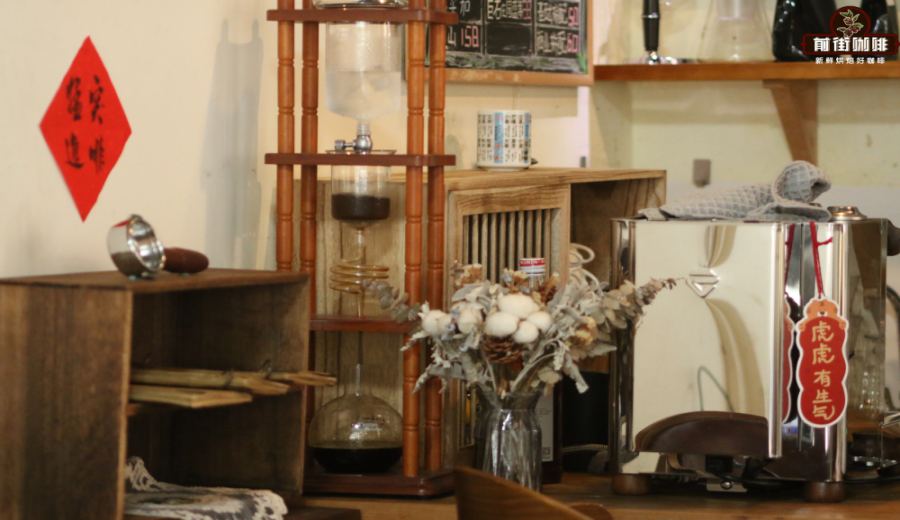
Introduction:Cold brew coffee is a refreshing bestseller in summer, but many people easily confuse it with ice drip or Americano iced coffee. This article delves into the definition of cold brew coffee, compares the two main brewing methods—ice drip and cold steeping—explains the characteristics of suitable coffee beans, and demonstrates how to precisely control water temperature, time, and grind size with practical parameters. Finally, it offers expert-recommended storage duration and flavor preservation tips to help you master cold brew coffee from beginner to pro.
On a hot summer day, a cool and smooth cold brew coffee is often a favorite among coffee enthusiasts. However, many still have only a vague understanding of cold brew, thinking of it simply as “iced coffee,” and often lumping together ice pour-over, Americano iced coffee, and cold brew. In reality, the most distinctive feature of cold brew coffee is that the entire extraction process uses low-temperature water. Depending on the method, it can be divided into two main types: cold steeping and ice drip. This article starts with the basic definition, helping you understand the essential differences between cold brew and regular iced coffee, further explores the types of coffee beans suitable for cold brew, and uses real examples to illustrate key parameters during the extraction process. It also answers common questions about shelf life, giving you a comprehensive grasp of all essential knowledge about cold brew coffee.
Cold brew coffee fundamentally differs from the hot-brewed coffee we’re familiar with in terms of extraction principles. Simply put, cold brew uses low-temperature water (usually room temperature or even near 0°C cold water) to slowly extract the flavor compounds from coffee. Notably, many people misunderstand when purchasing, assuming any iced coffee is cold brew. However, methods like ice pour-over or Americano iced coffee, although served as cold drinks, involve hot water contacting the coffee grounds during extraction, and thus do not meet the definition of cold brew.
Based on brewing methods, cold brew coffee can generally be divided into two categories: one is cold steeping, where coffee grounds are fully immersed in low-temperature water and extracted over a long period of static soaking; the other is ice drip, where icy water drips very slowly drop by drop onto the coffee grounds to gradually complete the extraction. The biggest difference between these two methods lies in extraction speed and temperature control, which directly affects the final flavor profile. In practice, due to differences in equipment and technical requirements, many shops may only offer one of the two options.
The core of cold brew coffee lies in “low-temperature extraction.” Generally speaking, about 30% of the substances in coffee beans are soluble, and the goal of extraction is to draw out the components that deliver good flavor. When the water temperature is higher, acidic compounds are released the fastest, followed by sweetness, and bitterness the slowest, with the overall amount of flavor compounds released also increasing as temperature rises. Conversely, when the water temperature is lower, to extract enough flavor, the extraction time must be extended—which is why cold brew coffee often requires several hours or even longer periods of soaking or dripping.
So, which coffee beans are suitable for making cold brew? Because the low water temperature in cold brew slows down the release of flavor compounds, some larger-molecule bitter substances are less likely to be extracted, while acidity and sweetness become more pronounced. Therefore, it’s recommended to choose coffee beans with lighter roasts and good acidity profiles, such as Kenyan beans, or those with unique flavor characteristics, like Honduran Sherry coffee beans, which are excellent choices.
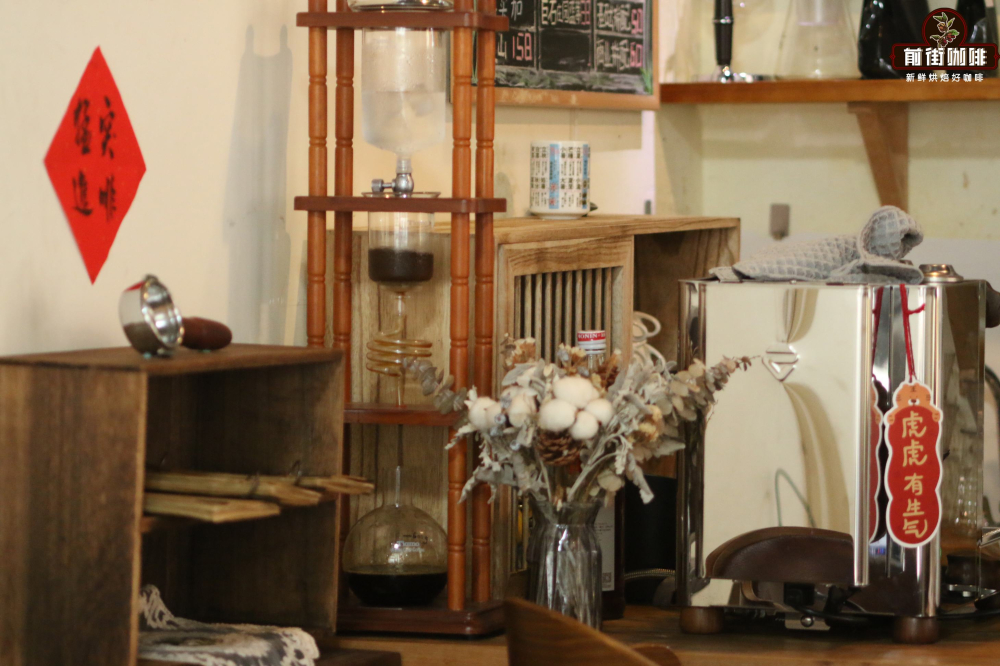
Take Honduran Sherry coffee beans as an example. These beans are processed using a refined washed method combined with Sherry whiskey barrel fermentation. Specifically, the washed parchment beans are placed in Sherry whiskey barrels and fermented at low temperatures for 30 to 40 days, allowing the aromatic compounds in the barrels to fully penetrate the green coffee beans. After fermentation, the beans are spread out and dried in the shade to avoid direct sunlight and high temperatures that could break down the winey compounds, leading to unpleasant vinous acidity. This processing method allows the coffee to retain its original flavors while adding a hint of wine aroma and sweetness.
When actually making cold brew coffee, taking Honduran Sherry coffee beans as an example, the recommended parameters are as follows: use about 60 grams of coffee grounds, with a coffee-to-water ratio set at 1:10, yielding approximately 600 milliliters of coffee liquid. The water temperature should be controlled between 0°C and 4°C, with the entire extraction time lasting 6 to 8 hours. For grind size, it is recommended to use a Chinese No. 20 standard sieve, with an 85% passing rate—slightly finer than typical pour-over—to compensate for the reduced extraction efficiency caused by the low water temperature. Additionally, the recommended ice-to-water ratio is 1:1, with the drip rate controlled via a throttle valve to about 7 drops per 10 seconds. Also, place a pre-moistened filter paper on the coffee bed to aid even extraction. After extraction, it is recommended to bottle the coffee liquid and refrigerate it for about 12 hours to allow the flavors to meld better.
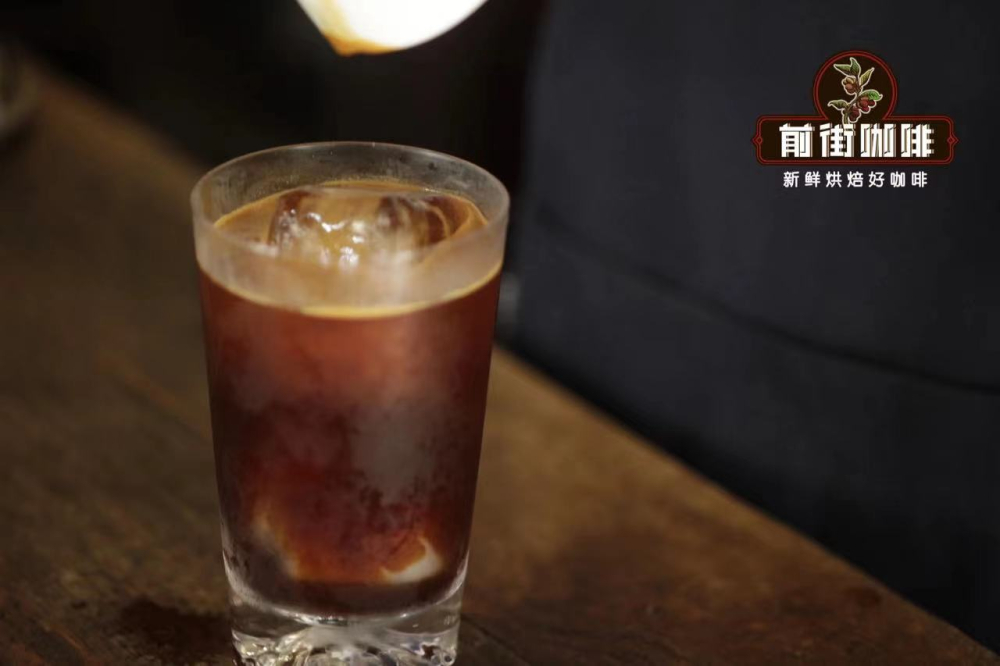
This Sherry barrel-fermented coffee bean exhibits rich vanilla and creamy flavors in cupping, along with soft berry acidity. As the berry acidity fades, distinct oak barrel aromas gradually emerge, adding layers to the overall flavor. The final ice drip coffee not only retains noticeable berry acidity but also delivers a dense sweetness reminiscent of chocolate, nuts, and dried fruit, with a full-bodied mouthfeel and a unique fermented note—perfect for coffee lovers who enjoy complex flavors.
Regarding the shelf life of cold brew coffee, this is also a common concern. Since cold brew takes a long time to make, many choose to brew a large batch for storage. Generally, it is recommended to transfer the finished cold brew into a sealed container and immediately refrigerate it. It’s important to note that even in a low-temperature environment, the coffee liquid will slowly ferment, and over time, the fermented flavors will intensify and may even develop off-flavors. Based on actual observation, around the fifth day of refrigeration, the flavor of cold brew noticeably weakens and begins to exhibit heavier fermentation notes. Therefore, to ensure optimal flavor and drinking safety, it is advised to consume the cold brew within one week after extraction.
The above content is compiled by CoffeeHunters, a coffee news website.


