







Introduction:The resting period after roasting coffee beans is a crucial factor that influences flavor expression. This article delves into the resting times required for different roast levels—from light to medium and dark roasts—helping you master the skills to judge everything from blooming performance to peak flavor. Through practical observations, we also share how to adjust brewing timing based on degassing conditions of the bean bag, ensuring every pour over cup achieves the best balance and complexity.
Many beginners to pour over coffee often share a common question: Do newly bought coffee beans need to sit for a few days before brewing? In fact, the answer to this question is closely tied to the roast level. When coffee beans undergo high-temperature roasting, they continuously release carbon dioxide internally. This waiting period for the gases to stabilize is what we call “resting” or “degassing.” If the resting time is insufficient, the internal gases in the beans cannot escape smoothly during brewing. Not only can this lead to intense bubbling and coarse foam during the bloom phase, but the final extracted flavors may also turn out thin or exhibit a noticeable off-taste.
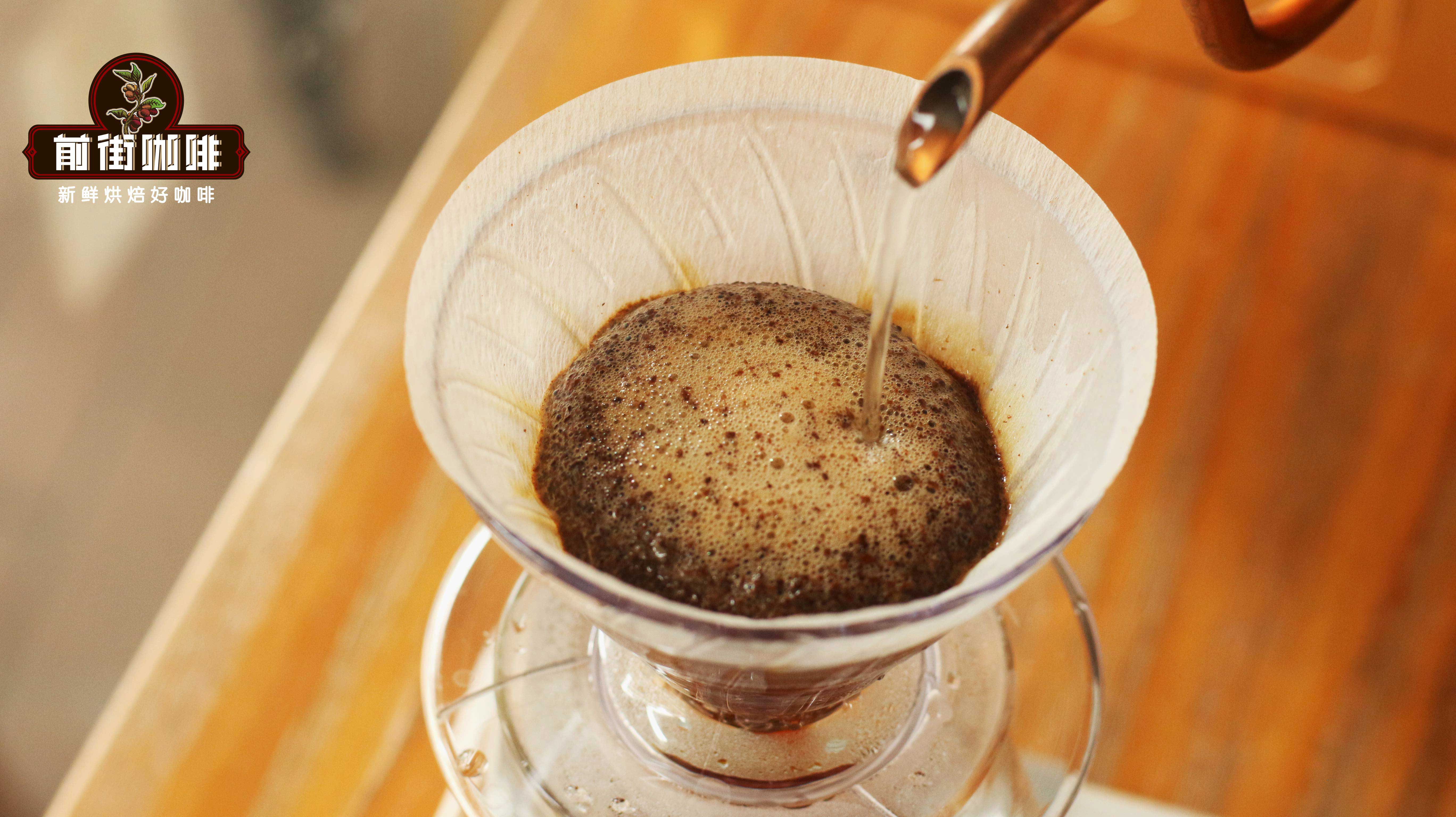
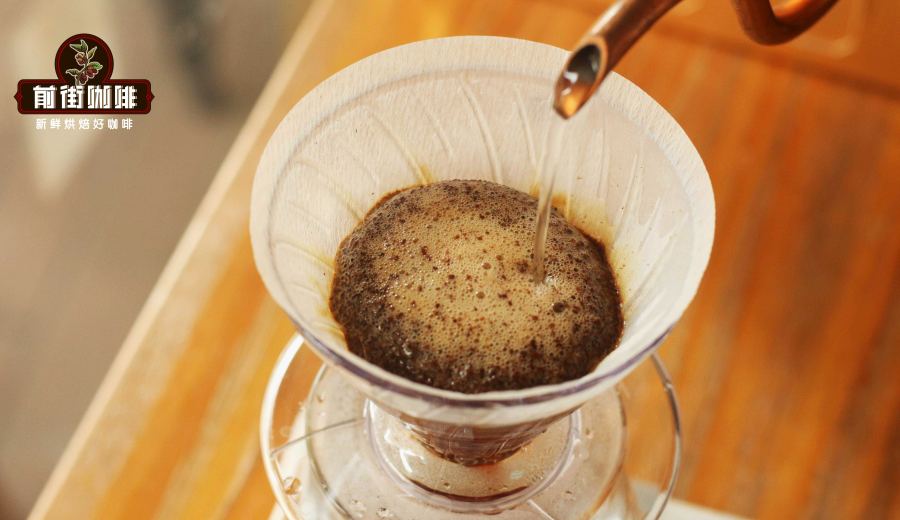
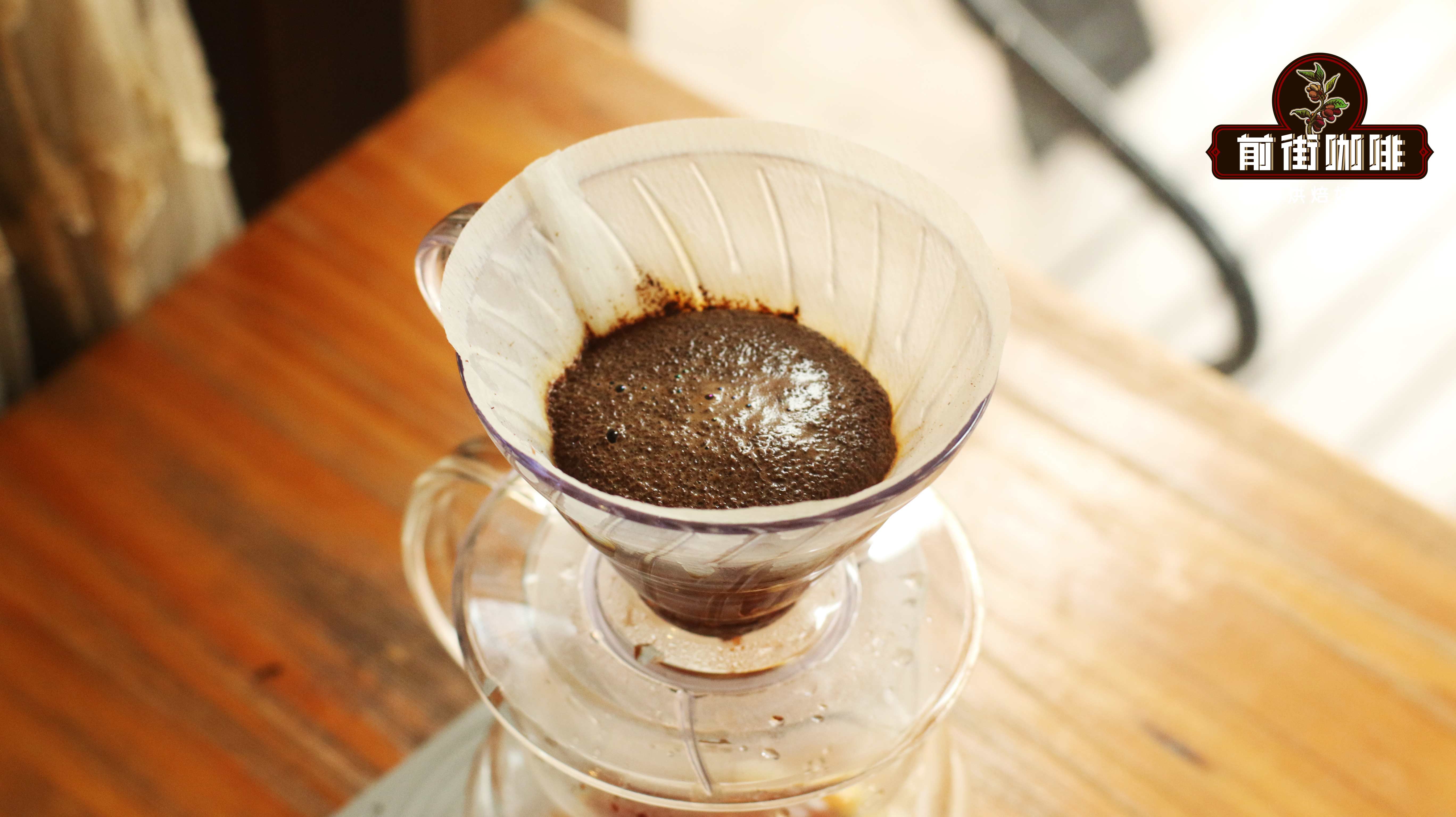
Observing how coffee grounds expand when they come into contact with water is one of the most intuitive ways to assess the resting state. When hot water meets the coffee grounds, if the beans haven’t fully rested, the blooming phase often shows erratic gas movement, rough and uneven foam distribution. This happens because residual carbon dioxide interferes with the even penetration of water, preventing effective extraction of flavor compounds in the early stages. By paying attention to the expansion level and the fineness of the foam during blooming, you can get a preliminary sense of the beans’ resting progress.
As for the question “On which day are coffee beans at their best to drink?”—there’s actually no absolute standard answer. Even though some roasters may provide suggested days, these figures are usually just general reference ranges based on common experience. In reality, some beans might show excellent balance on the seventh day, while others may require an extra day or more, not peaking in flavor until around the ninth day. It’s recommended that brewers flexibly adjust their brewing timing based on actual blooming performance and tasting sensations.
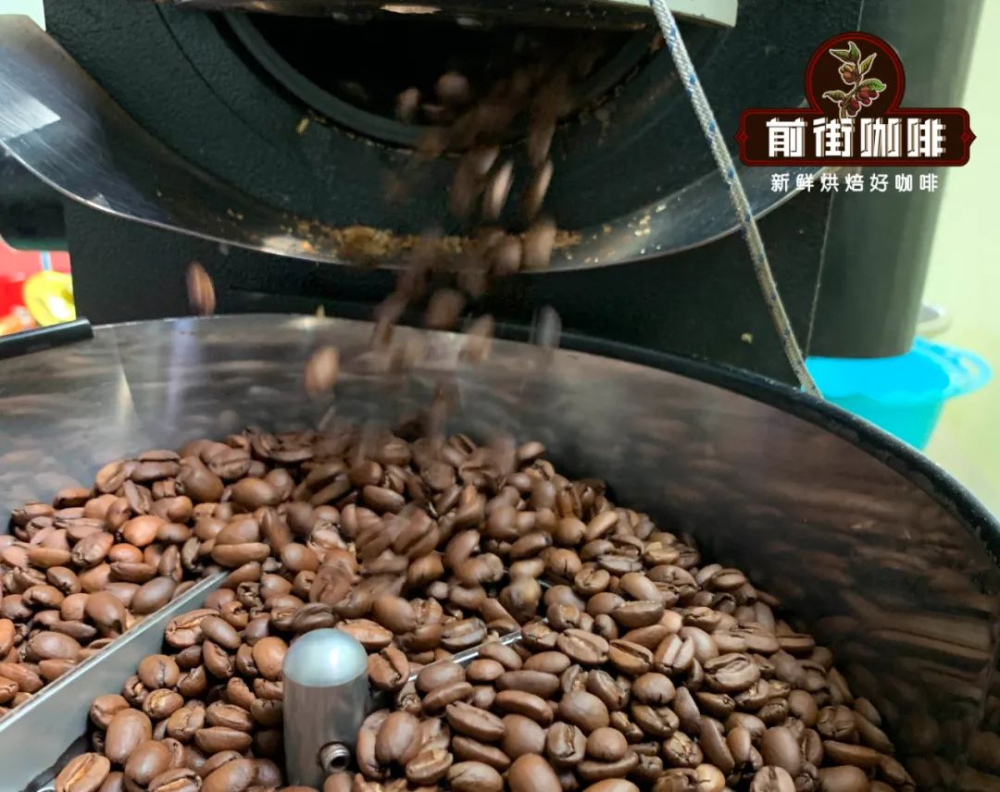
Light roast coffee beans, due to their shorter roasting time, retain relatively more carbon dioxide internally and generally require a longer resting period. Typically, light to light-medium roast beans are advised to restfor 10 to 14 daysto allow the internal gases to fully dissipate, while the acidity and aroma gradually stabilize. During this period, the one-way valve on the bean bag will continue to release carbon dioxide, and observing changes in the amount of gas released can also help infer the resting progress. When the expansion during blooming becomes more moderate and the foam turns fine and even, it usually indicates that the beans have reached a suitable state for brewing.

Medium and dark roast coffee beans, due to higher roasting temperatures and longer durations, release carbon dioxide more quickly, and thus typically require a shorter resting time. Medium roast beans usually need7 to 10 days, while dark roast beans may only need5 to 7 daysto reach a stable state. However, this still depends on specific roast profiles and bean variety characteristics. Dark roast beans, due to more pronounced caramelization reactions, may initially exhibit strong smoky or charred flavors during the early resting stage. Over time, these intense characteristics gradually transform into a rounder sweetness and richer mouthfeel. By conducting regular test brews and recording flavor changes, you can more accurately identify your preferred optimal extraction timing.
The above content is compiled by CoffeeHunters, a coffee news website.


