








Introduction:Cold water pour over coffee may seem like pushing the limits, but by mastering the key parameters, you can still extract a specialty coffee with clear layers and a long-lasting finish. Based on actual test data, this article dives deep into grind size adjustments, blooming time comparisons, pulsed pouring techniques, and stirring strategies for cold water pour overs. Through three experiments with different blooming durations, we help you find the optimal extraction balance—so even beginners can get started with ease.
Using the pour over method with cold water to brew coffee might sound questionable at first—can it really bring out enough flavor? After all, in a low-temperature environment, the release of coffee compounds slows down noticeably, and without the right technique, you could easily end up with a thin, one-dimensional cup. However, by grasping the core skills—including precise grind settings, proper blooming, and careful pulsed pouring and stirring—cold water pour over can also deliver surprising fruity aromas and a rich mouthfeel.
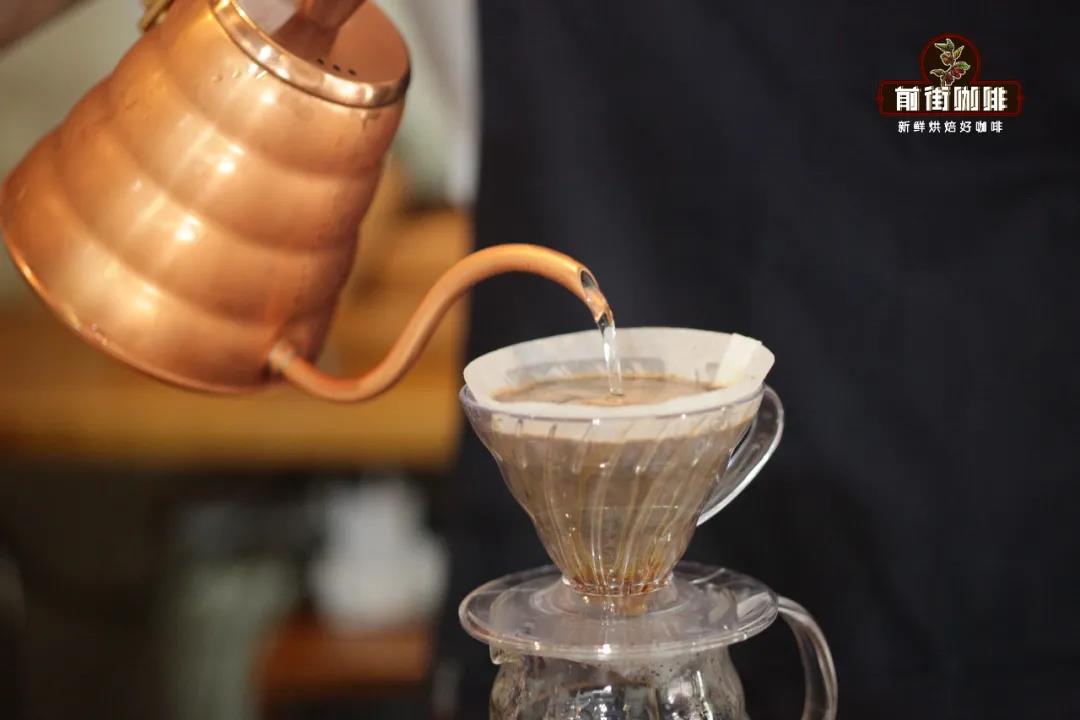
Many people make iced coffee by first extracting with hot water and then adding ice to cool it down. But if you want to try direct cold water pour over, the first key point to clarify is this: never use cold water for the bloom stage. At low temperatures, coffee grounds can’t effectively degas, nor can the aromatic compounds inside be properly “awakened.” Therefore, blooming still relies on hot water, and the duration generally needs to be longer than with regular hot water pour overs to ensure smooth extraction afterward.
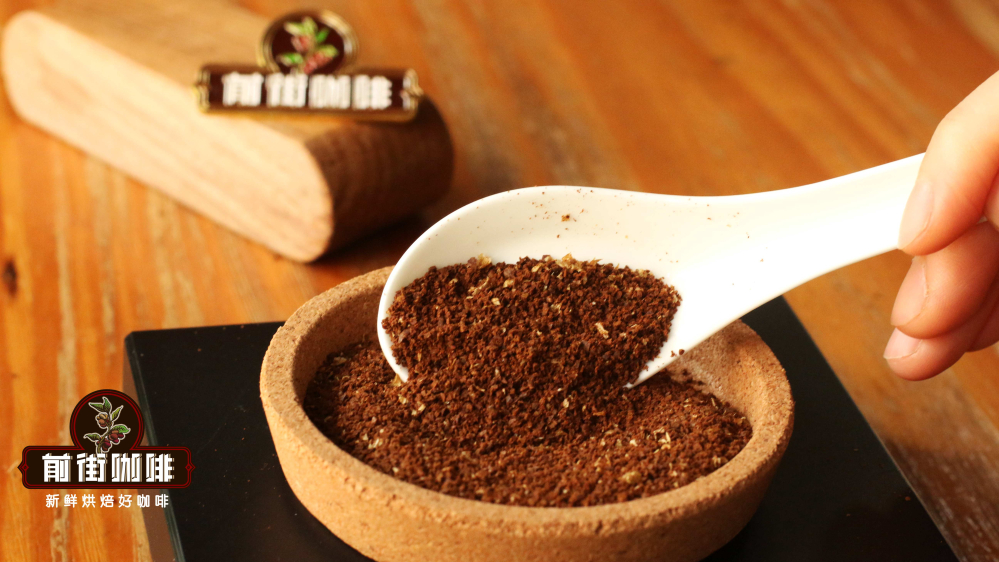
In addition, since the overall extraction temperature is lower, it’s recommended to adjust your grind size finer than usual. For example, if you normally use a grind setting that allows 80% of particles to pass through a Chinese standard No. 20 sieve (0.85mm aperture) for hot water pour over, when switching to cold water, you can fine-tune the grind to about 85% passing rate through the same sieve to increase the contact area between coffee and water, compensating for the reduced extraction efficiency caused by the lower temperature.
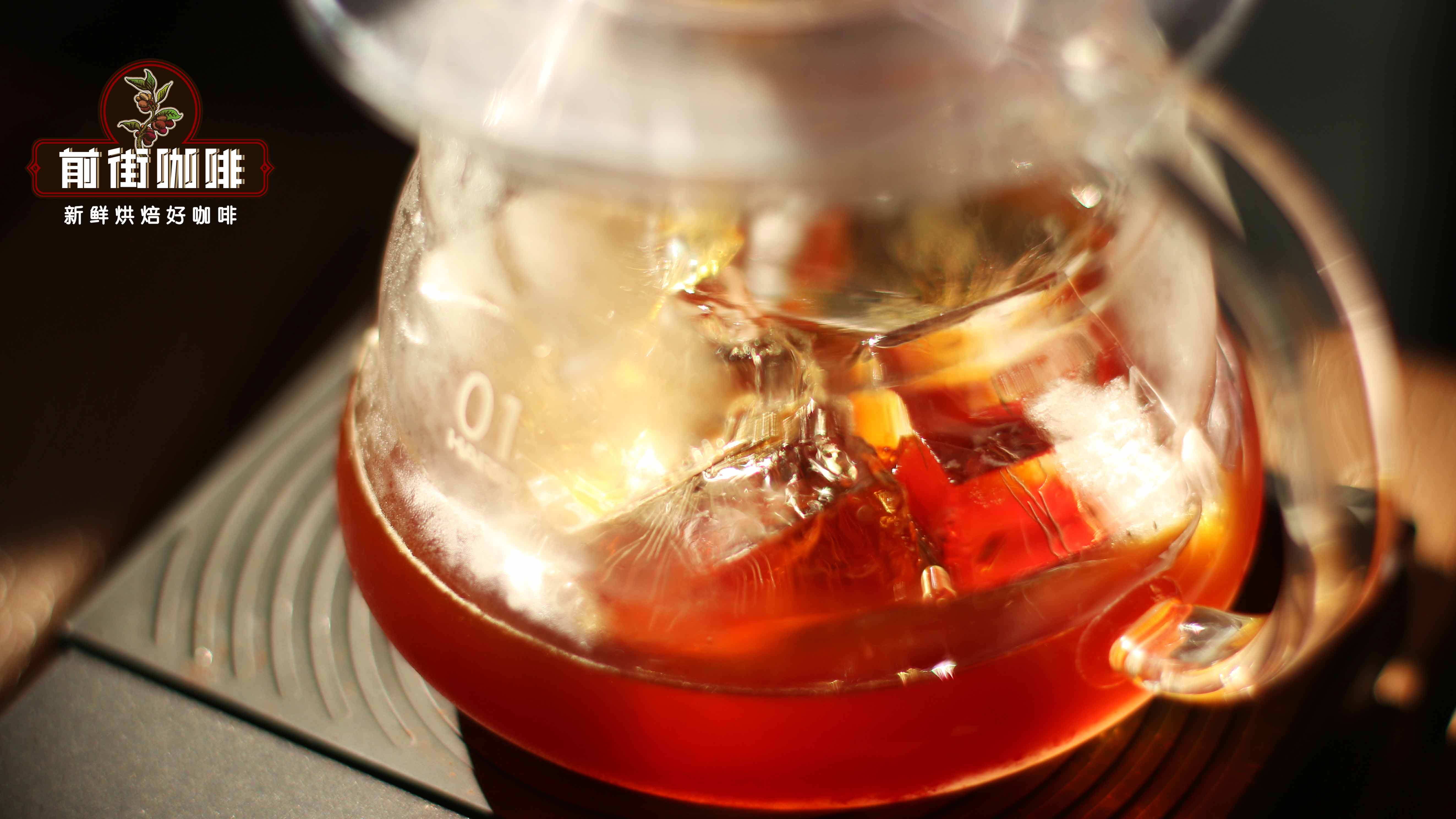
So, how long should the bloom be when using cold water pour over? To find out, this experiment used Ethiopian Hua Kui (Flower Queen) coffee beans processed with the natural sun-drying method. These beans boast intense fruitiness and rich layers, making them perfect for testing flavor performance under different extraction conditions.
The experimental conditions were fixed as follows: using a V60 #01 filter cone, hot water blooming temperature at 90°C, cold water temperature maintained between 0–1°C, coffee dose at 15 grams, brew ratio set at 1:15, and grind size adjusted to 85% passing through a Chinese standard No. 20 sieve. The only variable was the blooming time, set at 30 seconds, 1 minute, and 1 minute 30 seconds respectively. For each group, the blooming water volume was twice the coffee dose—that is, 30 grams of hot water.
The cold water extraction phase followed a unified process: start with 30 grams of hot water for blooming, then switch to 0°C cold water for the main extraction. First, pour cold water with a high flow rate until reaching 125 grams for the first pulse. Once the water level drops by half, continue pouring until the total reaches 225 grams. Finally, wait until the water level drops to just expose the coffee bed, then remove the filter cone to finish extraction.
The actual test results showed:Group A, bloomed for 30 secondshad a total extraction time of 3 minutes 05 seconds. The flavor profile was dominated by lemon and honey, but the overall impression was relatively flat, with only mild citrus acidity, resembling the taste of honey lemonade, lacking depth.Group B, bloomed for 1 minute, had a total time of 3 minutes 35 seconds. The flavors included berry, honey, and plum with a sweet-sour character, but the aftertaste was slightly astringent and the overall profile a bit thin.Group C, bloomed for 1 minute 30 seconds, extended the total extraction time to 4 minutes 05 seconds, yet delivered the richest layers—aromas of rose, berries, and mango juice were pronounced, with an aftertaste as smooth and lingering as honey black tea. The mouthfeel was round and silky, and this group was considered the best performing.
Overall comparison shows that extending the blooming time aids in the release of flavor compounds. Especially in a low-temperature extraction environment, extending it moderately to 1 minute 30 seconds can significantly enhance overall performance. Additionally, if you wish to further improve extraction efficiency during subsequent ice water pulses, consider gently stirring the coffee bed after each pour with a stirring stick. This not only prevents fine particles from clogging the filter spout but also promotes even extraction, ensuring every drop of coffee bursts with rich flavor.
For practical operation, it’s recommended to chill your server in advance to maintain a stable brewing environment. The first step is to bloom with 30 grams of hot water, ideally for 1 minute 30 seconds, allowing the coffee grounds to fully degas and initiate flavor release. After blooming, switch to pouring 125 grams of cold water in large, circular streams, and you may gently stir the bed to prevent fine particles from settling or blocking. Then, once the water level has dropped by roughly half, pour again with a strong flow until reaching a total of 225 grams. Throughout this process, monitor the drawdown speed and stir again if necessary. Ultimately, keeping the total extraction time around 4 minutes will reward you with a cold water pour over coffee full of dimensional flavors and a long, satisfying finish.
The above content is compiled by CoffeeHunters, a coffee news website.


