







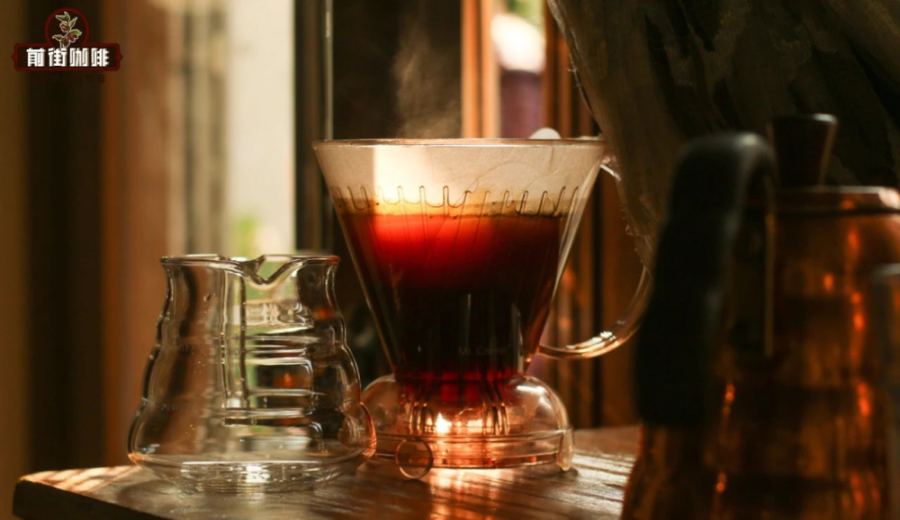
Introduction:Immersion brewing, with its simple operation and stable performance, has become the daily go-to choice for many coffee enthusiasts. Among the tools available, the Smart Cup and French press are the two most common. Although both fall under the immersion brewing category, they exhibit noticeable differences in flavor and user experience. This article compares the two in terms of equipment design, brewing process, and final flavor expression under identical coffee-to-water ratio, grind size, and extraction conditions. It also delves into the extraction principles to help you make a choice based on your taste preferences and practical needs.
If you crave a pure cup of black coffee but want to avoid the complexity of pour-over equipment and steps, immersion brewing tools offer a practical and approachable option. Among them, the Smart Cup and French press are the most representative designs—not only are they easy to use, but they also highlight the layers and characteristics of the coffee itself. However, although both rely on immersion brewing, there are subtle yet noteworthy differences in their structural design, brewing method, and the resulting flavor profiles.
Using Kenyan Assaliya coffee beans as an example and applying unified extraction parameters—15 grams of coffee, a 1:15 coffee-to-water ratio, a grind size passing about 70% through a #20 sieve, water temperature at 94°C, and a 4-minute immersion time—we conducted actual extractions with both the Smart Cup and the French press under completely identical conditions. We broke down and compared everything from equipment structure and actual operation procedures to post-brewing flavor characteristics, providing an in-depth understanding of the pros, cons, and ideal usage scenarios of these two classic immersion brewing tools.
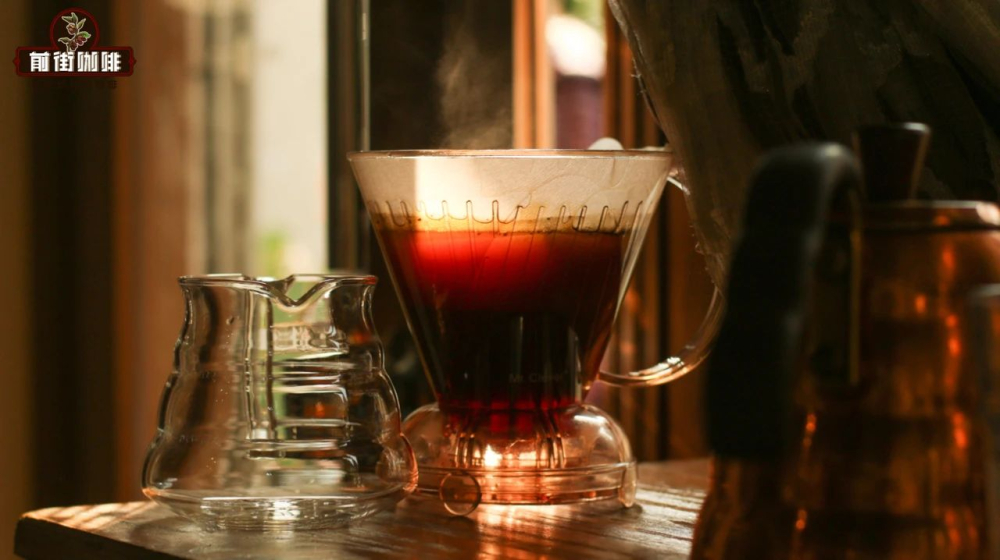
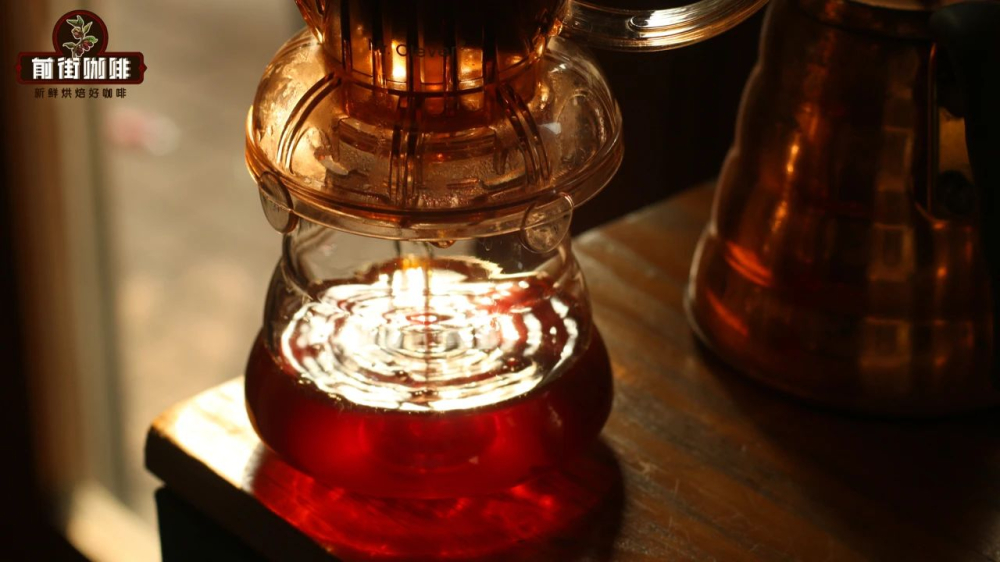
Among the many immersion brewing tools, the Smart Cup stands out with its simple design and “two-in-one” functionality. It is not just a filter dripper but also integrates both the immersion and filtration processes, significantly lowering the barrier to entry. Its key design lies in the piston valve mechanism at the bottom: when hot water is poured into the cup, the water pressure naturally presses against the piston valve, temporarily blocking the flow of water so that the coffee grounds can steep evenly at a consistent water level. Once the immersion period is complete, simply invert the Smart Cup over a server or mug, press the bottom gently, and the piston valve will open. The coffee liquid will then steadily drip down through the filter paper and the cup’s guiding ribs.
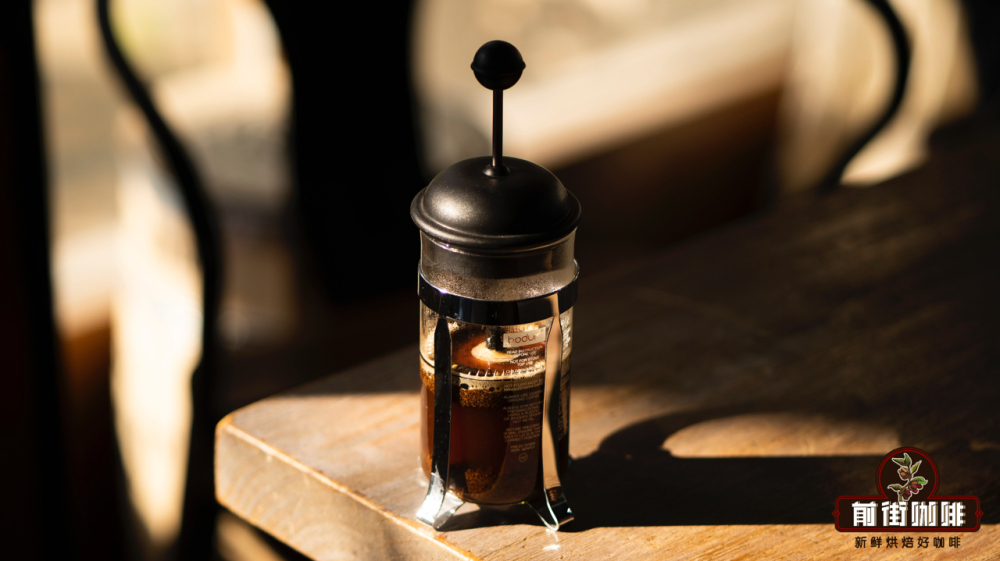
In contrast, the French press boasts a longer history, dating back to the mid-19th century in France. It has a classic appearance, mainly consisting of a heat-resistant glass carafe and a metal filter mesh controlled by a plunger. During brewing, coffee grounds and hot water steep together in the carafe. After a set time, the user slowly presses the filter plunger down, pushing the coffee grounds to the bottom, allowing the relatively clear coffee liquid to be poured out. Though it may seem simple, this direct filtration method using a metal filter contributes to the unique mouthfeel that the French press is known for.
So, what are the actual differences between the coffee brewed with these two tools? For a fair comparison, we selected Kenyan Assaliya coffee beans, which have a distinctive and vibrant flavor profile. These beans feature lively acidity and a rich fruitiness, often yielding bright acidic notes reminiscent of cherry tomatoes and dark plums after hot water extraction. They are also accompanied by intense caramel aromas, with a full body and clear layering—like a freshly squeezed juice without filtration—and are highly recognizable.
The experiment used unified parameters: 15 grams of coffee, a 1:15 coffee-to-water ratio, a medium grind size (approximately 70% passing through a #20 sieve), water temperature maintained at 94°C, and an immersion time of 4 minutes for both methods. Under these consistent conditions, we brewed with both the Smart Cup and the French press, observing their operation processes and the resulting appearance and flavor profiles of the coffee liquids.
When using the Smart Cup, first place the filter paper inside the cup, add 15 grams of coffee grounds, then pour in 225 grams of hot water. It is recommended to pour in a circular motion from the center outward to ensure even saturation of the coffee bed. Next, cover the cup and let it steep for 4 minutes without stirring or any additional steps. Once the time is up, invert the Smart Cup over a mug or server and gently press the bottom piston valve to allow the coffee liquid to drip out smoothly and controllably.
Operating the French press is more intuitive: add 15 grams of coffee grounds into the carafe, pour in 225 grams of hot water, and also recommend even distribution before covering with the lid. Let it steep for 4 minutes. Once the time is up, slowly press the plunger down—ideally stopping the filter mesh halfway down the carafe to avoid over-extraction caused by pressing too hard—and then pour out the clearer coffee liquid from the top.
In terms of the final appearance of the coffee liquid, the Smart Cup produces a relatively clear and transparent brew with almost no suspended particles, whereas the French press yields a slightly cloudy coffee, possibly with a thin layer of fine coffee oils floating on the surface. In flavor, the Smart Cup presents a cleaner and brighter acidity, with notes of lemon, cherry tomatoes, and a hint of maple syrup. The overall mouthfeel is clean and well-defined, though the flavor layers are somewhat simpler. In contrast, the French press delivers a richer fruitiness, with a complex interplay of dark plum, berry, and cherry tomato acidity and sweetness. The mouthfeel is fuller and rounder, though it carries a slight coarse texture.
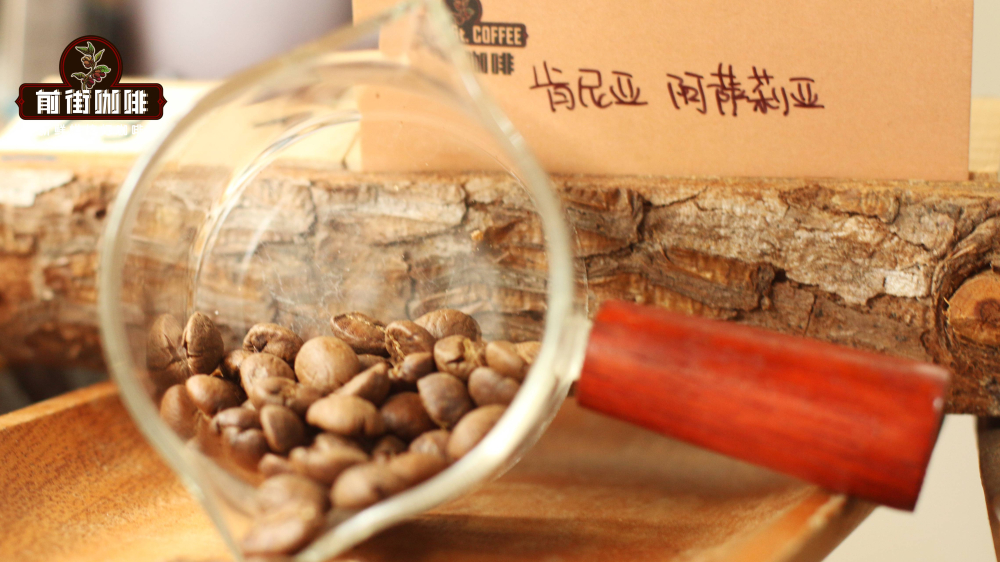
These differences primarily stem from the structural design and filtration methods of the tools. The Smart Cup remains mostly static during immersion, with only initial interaction between water and coffee grounds. Coupled with the filter paper’s ability to effectively trap fine particles and some oils, the resulting coffee liquid is clearer and brighter, with a flavor profile that leans toward cleanliness and clarity. The French press, on the other hand, involves pressing the coffee grounds with a metal filter at the end of the immersion period. This action not only increases contact between the coffee grounds and water but also allows more fine particles and natural coffee oils to remain in the liquid, resulting in a richer, more robust, and textured drinking experience.
If you’re after a clean, refreshing, and easy-to-clean cup of coffee, the Smart Cup is undoubtedly the more suitable choice. The use of filter paper not only helps filter out fine particles but also makes cleanup much more convenient. On the other hand, if you prefer a richer, more textured coffee and are less concerned about fine particle residue, the French press offers a more layered and tactile drinking experience—though cleaning does require a bit more effort to deal with oils and sediment on the filter and glass walls.
The above content is compiled by CoffeeHunters, a coffee news website.


