







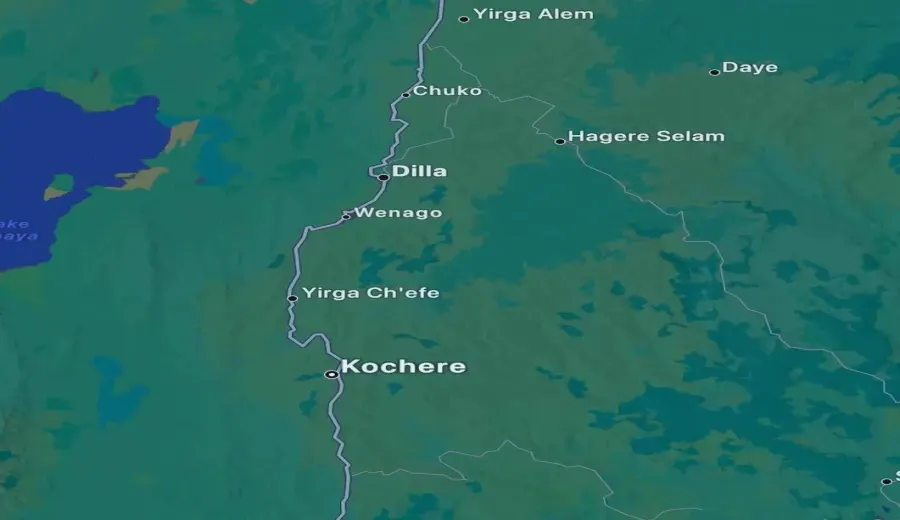
Introduction:A deep dive into the washed coffee beans from the Kochere micro-region of Yirgacheffe, Ethiopia — exploring everything from the growing region and processing method to roasting and pour-over parameters. This comprehensive guide will help you fully understand this G1-grade specialty coffee, renowned for its bright acidity, citrus notes, and floral-fruity aromas. Whether you're a beginner or an advanced coffee enthusiast, you'll gain insights into its flavor profile and precise brewing techniques.
Among Ethiopia’s many coffee micro-regions, Kochere in the Yirgacheffe area consistently stands out for its stable and distinctive flavor characteristics. The region not only benefits from an exceptional growing environment but also utilizes advanced washed processing facilities, resulting in coffee beans that typically exhibit clean citrus acidity, gentle sweetness, and delicate floral-fruit aromas — making it a benchmark flavor profile beloved by many coffee lovers.
Located about 25 kilometers southeast of Yirgacheffe, Kochere sits at an altitude between 1,650 and 1,800 meters and is an important coffee-producing area under the Southern Nations, Nationalities, and Peoples' Region (SNNPR) of Ethiopia. In addition to its superior natural conditions, local smallholder farmers process their coffee cherries collectively through cooperatives, using modern washed processing equipment to significantly improve overall bean quality and flavor consistency. Notably, the well-known review site Coffee Review has awarded washed lots from Kochere a high score of 94, underscoring its professionally recognized excellence.
As one of the premium micro-regions within the greater Yirgacheffe area, Kochere’s geographical and microclimatic conditions give its coffee beans distinct regional characteristics. Compared to other areas, coffee from Kochere often displays a crisper acidity, finer sweetness, and a rich spectrum of fruit and floral notes. Certain batches from specific villages or processing stations, such as the one introduced here from the Alim washing station, can even present unique micro-terroir flavors like lemon, jasmine, cantaloupe, and even subtle spices.
The primary production model locally involves smallholder farmers delivering harvested coffee cherries to centralized processing stations for unified washed processing. During this process, harvested coffee cherries first go through floatation to remove unripe or defective ones, ensuring that only dense, high-quality cherries proceed to the next steps.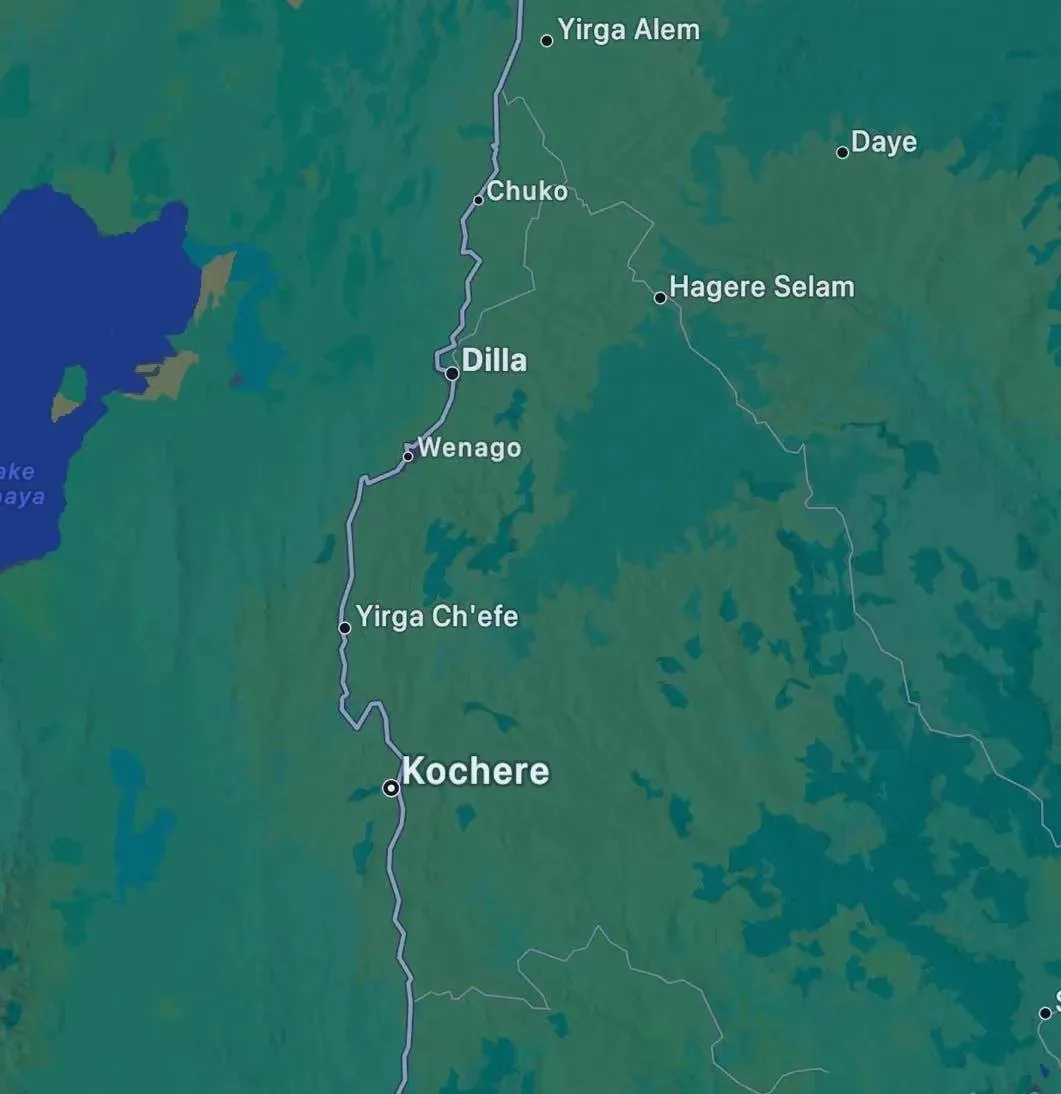
The washed processing procedure is quite meticulous: First, the coffee cherries are placed in water, causing defective ones to float and good ones to sink. Then, the outer skin and pulp are removed, followed by rinsing away residual fruit mucilage with clean water. Next comes the fermentation stage, which usually lasts around 18 hours, allowing natural enzymes to break down the mucilage — a step that greatly impacts the final purity of flavors. After fermentation, the beans are rinsed again and then evenly spread on drying beds to dry naturally to approximately 11% moisture content. Some areas also use mechanical drying to precisely control drying conditions and ensure consistent quality.
The Yirgacheffe Kochere washed beans introduced here are G1 grade — the highest quality classification — featuring intact bean shapes and extremely low defect rates. This particular lot was processed by the Alim washing station using local native varieties, grown at altitudes between 1,650 and 1,800 meters. It showcases distinctly recognizable aromas of citrus, jasmine, and honey, along with a composite profile of fruit and tea-like nuances.
To fully highlight the clean acidity and refined flavors of these washed beans, a medium-light roast is recommended. Using the Yangjia 800N roaster as an example, the charge temperature is around 200°C, with initial heat set to 160 and the air damper at 3. After the turnaround point, gradually adjust the heat and airflow to allow the beans to achieve ideal drying and Maillard reactions within an appropriate development time. The roast finishes about 1 minute and 45 seconds after first crack, at 195°C, preserving the maximum amount of fruity-floral and sweet-acidic characteristics.
For cupping, it is recommended to proceed within 8 to 24 hours after sample roasting. Use a 200ml ceramic cupping bowl with a coffee-to-water ratio of 1:18.18 (approximately 11 grams of coffee to 200 ml of water). Maintain a water temperature of 94°C and grind size adjusted to 70%-75% passing through a #20 sieve (around 0.85mm fineness), aligning with the Golden Cup standard concentration range (1.15%-1.35%). During cupping, you may clearly perceive dried orange blossom, fruit-tea, and citrusy wet aromas, as well as citrus, black tea, and fruity-acidic flavors upon tasting.
For pour-over brewing, it is recommended to use a V60 #01 filter cone, with 15 grams of coffee and a 1:15 coffee-to-water ratio. Water temperature should be controlled at 90–91°C, and the grind size suggested is BG 6M (similar to fine sugar, roughly 80% passing through a #20 sieve).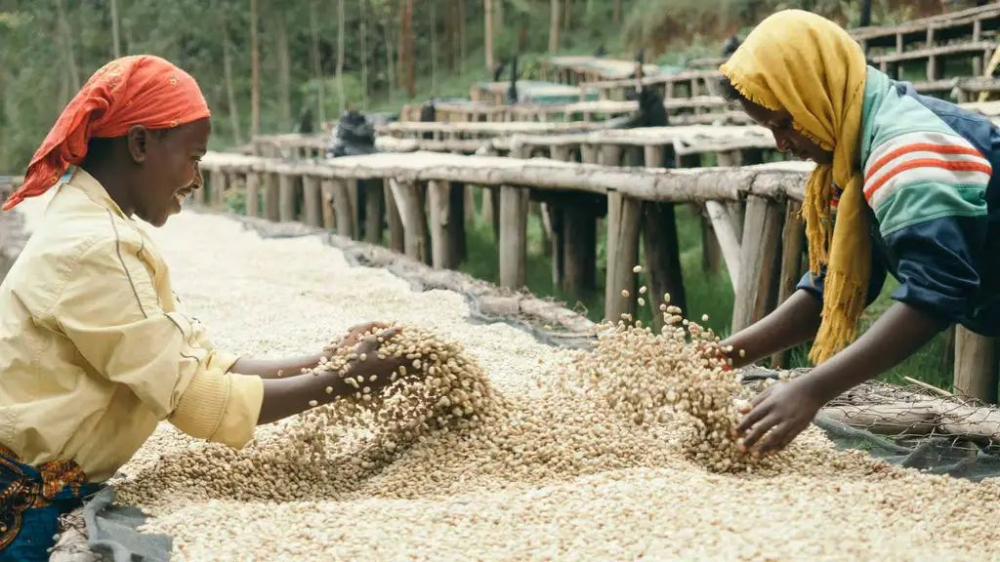
Suggested practical pour-over steps are as follows: First, wet the filter paper and preheat the equipment. The first pour is 30 grams of water for a 30-second bloom to initiate aroma release from the coffee grounds. Then pour approximately 95 grams of water (total around 125 grams) over about 1 minute. When the water level drops to two-thirds of the coffee bed, pour the remaining 100 grams (totaling about 225 grams) over approximately 1 minute and 35 seconds. The total brew time is controlled around 2 minutes and 5 seconds, yielding a pour-over coffee with clear, layered flavors — featuring lemon, floral, citrus, and sugarcane sweetness, with a honey and oolong tea-like finish.
In summary, the Yirgacheffe Kochere washed beans, with their distinct regional identity, excellent processing quality, and diverse flavor expressions, are highly suitable for everyday drinking or advanced flavor exploration. Whether you’re a pour-over novice seeking refreshing citrus notes or a coffee enthusiast aiming to deeply understand the interplay between washed processing, altitude, and variety, this coffee bean is an invaluable reference choice.
The above content is compiled by CoffeeHunters, a coffee news website.


