







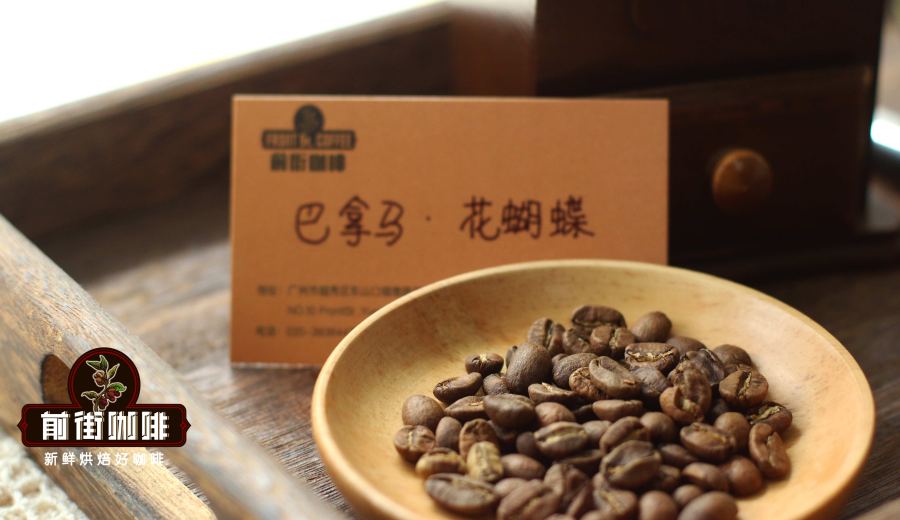
Introduction:The Panamanian Boquete Geisha Butterfly coffee beans consist of three varieties: Geisha, Caturra, and Catuai. Although labeled as a "blend," it is still considered a single-origin coffee. This article delves into its varietal composition, growing region environment, processing methods, and roasting strategy, and provides V60 step-brewing recommendations along with cupping data to help you master the brewing techniques and flavor profile of this classic bean.
In the world of specialty coffee, the boundary between "single-origin" and "blend" is sometimes not as clear-cut as one might imagine. Take the Panamanian Boquete Geisha Butterfly coffee beans, for example—this bean, composed of Geisha, Caturra, and Catuai, often puzzles coffee enthusiasts: since it contains multiple varieties, why is it still categorized as a single-origin coffee? In fact, the "blend" of this bean is not the traditional kind that mixes multiple varieties from different regions or processing farms, but rather a mixed processing of multiple varieties grown together in the same estate, at the same altitude, and under the same microclimate. Understanding the reasoning behind this can help us appreciate its unique flavors more accurately.
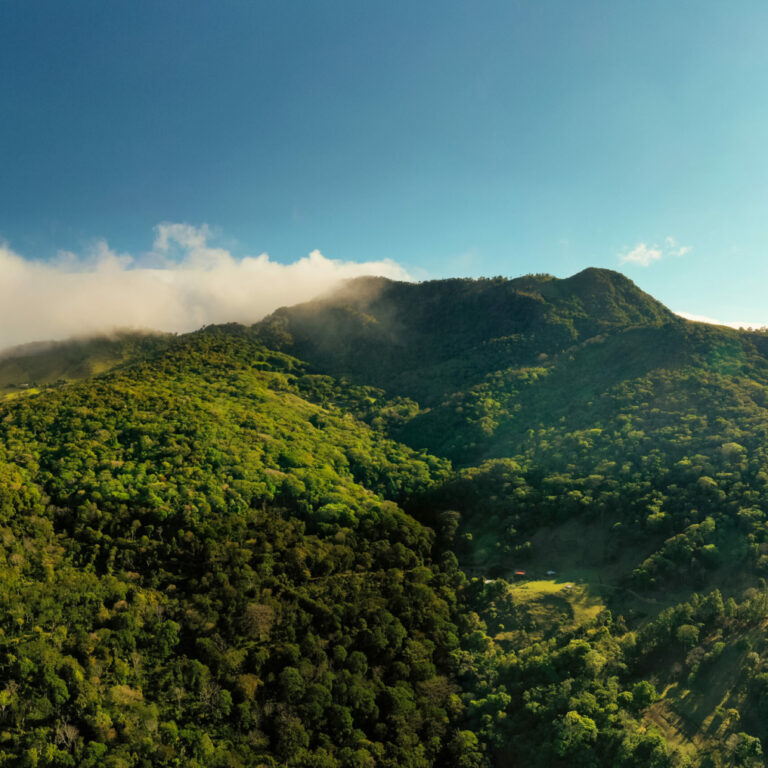
Boquete is an iconic coffee-growing region in Panama, located on the eastern side of the Barú Volcano, with altitudes generally ranging between 1200 and 2000 meters. The region enjoys a cool climate, with an average annual temperature between 11 and 27°C, significant day-night temperature variations, and fertile volcanic soil, providing ideal growing conditions for coffee trees. A certain well-known brand, when cupping various coffees from this region, often detects a rich spectrum of flavors, from bold nutty notes to delicate floral and fruity aromas. Over a century ago, many European immigrants, after participating in the construction of the Panama Canal, were captivated by the local terroir and settled down to grow coffee, gradually making Boquete an important hub for specialty coffee. The Geisha variety, in particular, rose to fame here, establishing Panama’s position in the high-quality coffee market.
The Panamanian Boquete Geisha Butterfly coffee beans introduced by a certain well-known brand consist of approximately 70% Geisha, along with Caturra and Catuai. These three varieties are all grown in the Barú Volcano region of Boquete at an altitude of about 1600 meters and are processed using the washed method by the same processing facility. This approach of growing multiple varieties in the same microclimate and altitude and then processing them together is fundamentally different from the more common market "blends" that come from different regions or processing farms. Therefore, despite the word "blend" in its name, this bean is still regarded as a single-origin coffee with distinct regional and terroir characteristics.
Starting with varietal details: Caturra is a natural mutation of the Bourbon variety, first discovered in Minas Gerais, Brazil, between 1915 and 1918. It has a shorter plant stature, is suitable for cultivation at altitudes between 700 and 1700 meters, and generally performs better in flavor at higher altitudes, though yields are relatively lower. Catuai, on the other hand, was developed by the Agricultural College of São Paulo, Brazil, through a cross between Mundo Novo and Yellow Caturra, with the variety number H-2077. It combines high yield, disease resistance, and good cupping characteristics, while also inheriting Caturra’s suitability for sun-drying and elegant acidity. As for Geisha, it originates from the forests of Ethiopia, was discovered in 1931, and was introduced to multiple countries before gaining fame in 2004 at the BOP competition held by Panama’s Hacienda La Esmeralda for its exceptional floral expression. Geisha is known for its pronounced floral notes, citrus character, high cleanliness, and long-lasting sweetness, often featuring complex layers of black tea and tropical fruits.
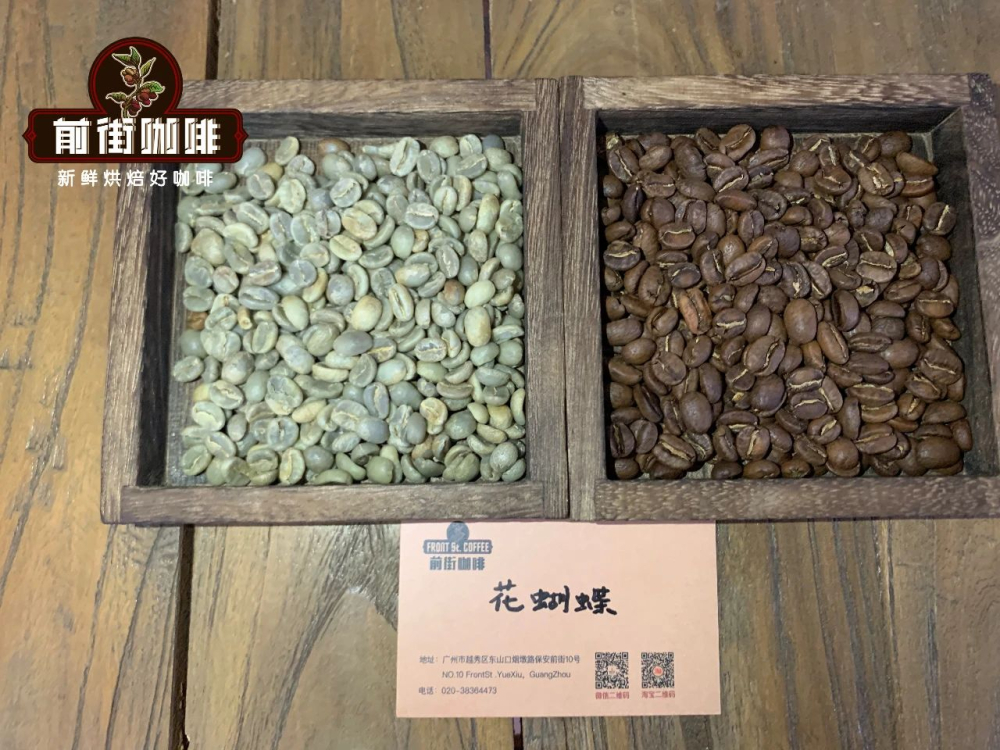
In terms of processing, the Geisha Butterfly employs a refined washed processing method. First, the harvested coffee cherries are sorted to remove unripe or defective beans, then a pulper is used to remove the outer skin and part of the fruit pulp. The beans, still coated with mucilage, are subsequently placed in water for about 24 hours of fermentation to break down the sticky mucilage. After fermentation, the beans are thoroughly rinsed with flowing water to completely remove the mucilage and residues, followed by sun drying or mechanical drying until the moisture content drops to around 12%, at which point the parchment is removed. This washed processing method effectively highlights the floral characteristics of the Geisha variety and imparts a brighter acidity to the overall flavor profile.
Regarding roasting, due to the unique varietal composition and high altitude of the Geisha Butterfly, roasters typically opt for a medium-light roast to preserve its delicate flavors. During roasting, a high flame is first used to quickly remove moisture, then the temperature rise rate is reduced before first crack to minimize damage to the unique aromatic compounds of Geisha caused by high heat. Recommended roasting parameters are as follows: use 550g of beans, preheat the roaster to 200°C before dropping the beans, adjust the heat to 160 after 30 seconds, and set the air vent to 3; the turning point occurs around 1 minute and 31 seconds, maintain stable heat; around 4 minutes and 50 seconds, the beans turn yellow, entering the main moisture removal stage, at 165°C reduce the heat to 130 while keeping the air vent at 4; at 7 minutes and 50 seconds, moisture removal is complete, the bean surface shows wrinkles and dark spots, at which point attention should be paid to the onset of first crack; around 8 minutes and 31 seconds first crack begins, open the air vent fully to 5, reduce the heat to 70, the development phase after first crack lasts about 1 minute and 28 seconds, and the final drop is at 193°C.
For cupping data, a certain well-known brand typically conducts cupping within 8 to 24 hours post-roast, using 200ml ceramic cupping bowls, with water temperature controlled at 94°C, grind size at 70%-75% through a 20-number sieve, a coffee-to-water ratio of 1:18.18 (11.1 grams of coffee grounds to 200 milliliters of water), and an immersion time of about 4 minutes. Cupping results show that the dry aroma features citrus, berries, and floral notes; the wet aroma presents fresh citrus and jasmine scents; the flavor profile is clear, including layers such as peach, grape, caramel, and honey, with an overall balanced and layered performance.
Practical brewing suggestions can use the V60 #01 filter cone, with water temperature set at 91°C, a coffee-to-water ratio of 1:15, and a medium-coarse grind (approximately 80% through a Chinese standard 20-number sieve). Employ a step-brewing method: the first pour is 30 grams of water for a 30-second bloom; the second pour adds 95 grams of water (total around 125 grams), completed in about 1 minute and 05 seconds; the third pour adds another 100 grams of water (total around 225 grams), completed in about 1 minute and 40 seconds. Total brew time is approximately 2 minutes and 10 seconds, then remove the filter cone and enjoy. This brewing method fully showcases the Geisha Butterfly’s floral, black tea, berry, and citrus notes, with a lingering finish of mild nuttiness, smooth mouthfeel, balanced acidity, and a refreshing, long-lasting aftertaste.
The above content is compiled by CoffeeHunters, a coffee news website.


