







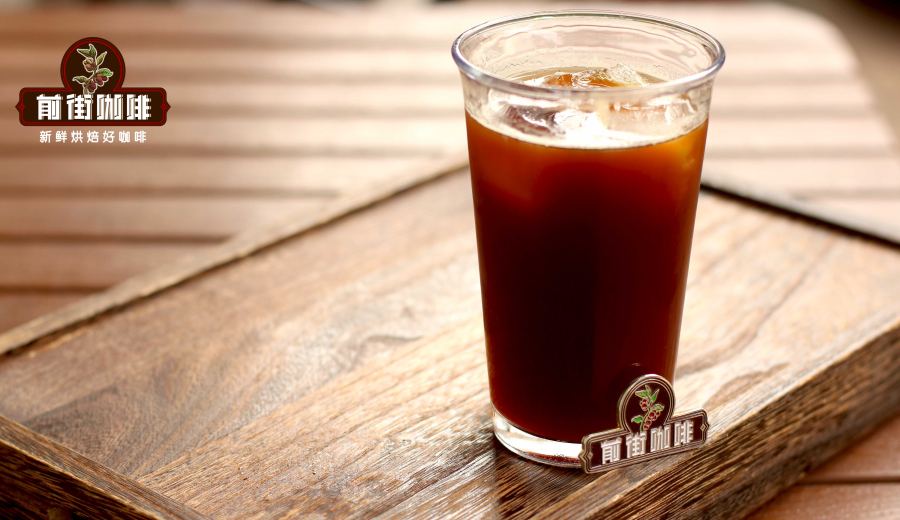
Introduction:Americano is one of the most common basic beverages found in coffee shops around the world, and it's also a daily pick-me-up choice for many office workers and athletes. But do you know the difference between it and the increasingly popular Long Black in the international market in recent years? This article will take an in-depth look at the historical background, brewing methods, and ratio parameters of both, and provide practical brewing suggestions for both hot and iced versions, including details such as espresso ratio, ice handling, and hot water temperature, to help you better understand and easily make a balanced and smooth black coffee at home.
Walking into a coffee shop, one of the most frequently seen options on the menu is none other than Americano. This beverage is not only the "secret weapon" for a daily caffeine boost for many, but also a favorite among fitness enthusiasts and those managing their sugar intake. But is Americano really the same as black coffee? What’s the difference between it and the Long Black (Long Black), which has been appearing more frequently on the menus of some cafés in recent years? This article will explain in detail the origins of Americano from the perspectives of historical development, extraction logic, and the ratio of espresso to water, and offer practical parameter suggestions for home brewing and iced drinks, including how to choose the right espresso recipe and handle ice, so that you too can easily recreate a cup of coffee with clear and distinct flavors.
 Americano originated on the American continent in the eighteenth century. At that time, people in North America, in opposition to Britain's high tea taxes, triggered the famous "Boston Tea Party" in 1773, and since then began replacing tea with coffee. As the number of coffee shops continued to increase, coffee culture also took root in the United States. By the end of the nineteenth century, about one-third of the world's coffee exports flowed into the U.S. market. During World War II, the U.S. military even used coffee as a tool to boost morale and combat the boredom of life.
However, traditional Italian espresso is strong and bitter, which did not align with the Americans' preference for a milder taste. Therefore, American soldiers got into the habit of adding water to espresso to adjust its strength. Later, as Italian coffee culture was introduced to the United States, local cafés adopted this method, using one or more shots of espresso as the base and then adding hot water to create what is now known as “Americano (Americano).” Since it contains only water and espresso, with no other additives, it falls under the category of black coffee.
So, what’s the difference between Americano and another common type of black coffee — Long Black (Long Black)? This drink, commonly found in places like Australia and New Zealand, has origins tied to the large number of Italian immigrants who moved there in the 1980s. They brought Italian espresso and coffee machine culture to Australia, but found that local consumers preferred a richer, more concentrated coffee flavor, finding traditional Americano too light for their taste. As a result, after adjustments, the Long Black was born. Its method involves pouring espresso into a cup that already contains some hot water, usually preserving the rich crema layer, thus delivering a more intense first sip and an overall clearer and more direct flavor profile.
In terms of the preparation process, Americano is typically made by first extracting the espresso and then pouring it into hot water,with a general espresso-to-water ratio of about 1:5 to 1:8, depending on personal taste. In contrast, the Long Black is made byfirst adding about 100–120 milliliters of hot water, then pouring in two shots of espresso (totaling about 40 grams), allowing the coffee flavor to be more concentrated, while also preserving the crema on the surface of the liquid, resulting in a different drinking experience. If you prefer a coffee where the first sip delivers an intense flavor, the Long Black is a more suitable choice.
As for making Americano at home, choosing the right ratio is equally key. If you’re using a blend with flavors leaning toward cocoa, nuts, and cookies — ideal for coffee lovers who enjoy a rich taste — it’s recommended to use a 1:4.5 ratio, such as combining 40 grams of espresso with 180 grams of hot water, which can fully showcase its aroma layers and balanced mouthfeel.If you prefer a refreshing Americano with fruity notes, you can try a strawberry sugar-flavored recipe, combining beans from Costa Rica, Colombia, and Ethiopia to bring out aromas of citrus, rose, blueberry, and grape. When brewed into an Americano, it has a sweet sensation similar to fruit gummies.

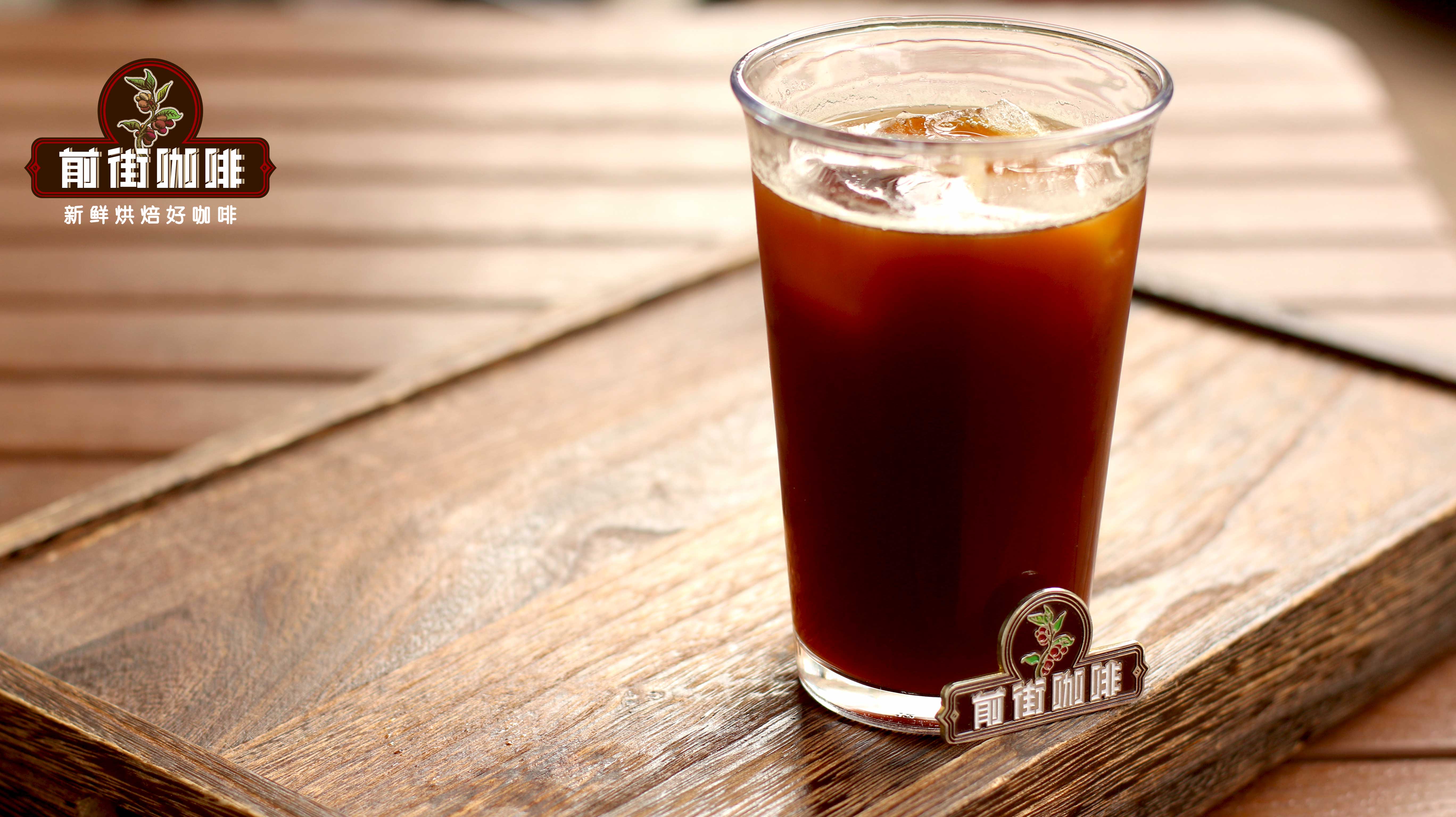
When making iced Americano, special attention should be paid to the impact of ice melting on the flavor. It is recommended to use solid, large ice cubes and prepare them chilled in advance to slow down the melting process. In practice, each ice cube is about 25 grams, and a common ratio for a standard iced Americano is: using 40 grams of espresso, paired with about 120 grams of water and 4 ice cubes (totaling about 100 grams, with actual water content of about 90 grams), translating to a ratio of approximately 1:2.5:3(espresso:water:ice). This way, even as the ice gradually melts, it won’t overly dilute the coffee, balancing initial intensity with a smooth finish.
In summary, Americano is more than just “espresso with added water”; it embodies the cross-cultural evolution of coffee. The difference from Long Black mainly lies in the brewing sequence, the ratio of coffee to water, and the flavor experience upon drinking. Whether you prefer hot or iced drinks, as long as you master the espresso ratio, water temperature control, and ice handling techniques, you can enjoy a café-quality Americano at home.
The above content is compiled by CoffeeHunters, a coffee news website.


