







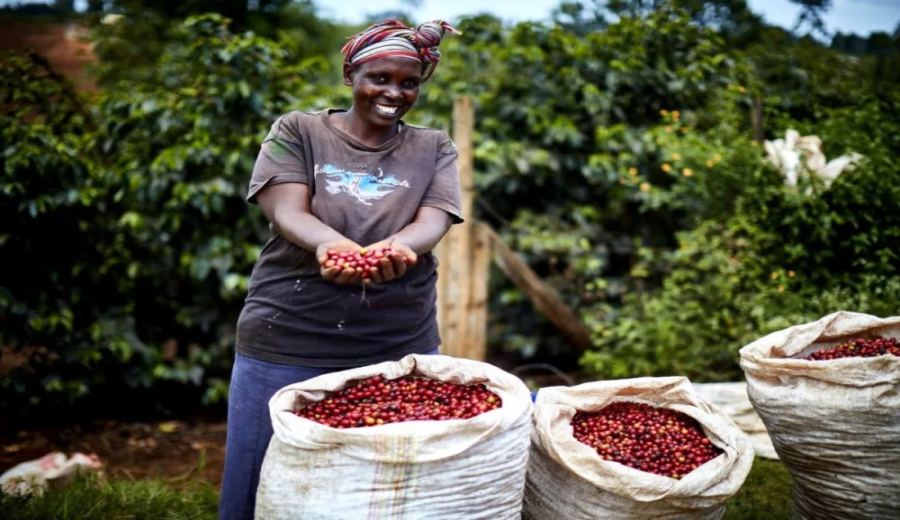
Introduction:Kenyan coffee is renowned for its bright acidity and rich fruity flavors, largely thanks to the two classic varieties—SL28 and SL34—as well as the unique K72 washed processing method. This article delves into how these elements together shape the layered profile of Kenyan coffee, and provides practical pour over parameters for light roasts to help you better master the brewing essentials of this classic origin.
Kenyan coffee is celebrated for its vibrant acidity and complex fruitiness, with its distinctive flavor profile primarily stemming from the classic SL28 and SL34 varieties, along with the region’s unique K72 washed processing technique. These elements work in harmony to create a cup that is refreshing, layered, and dynamically expressive.
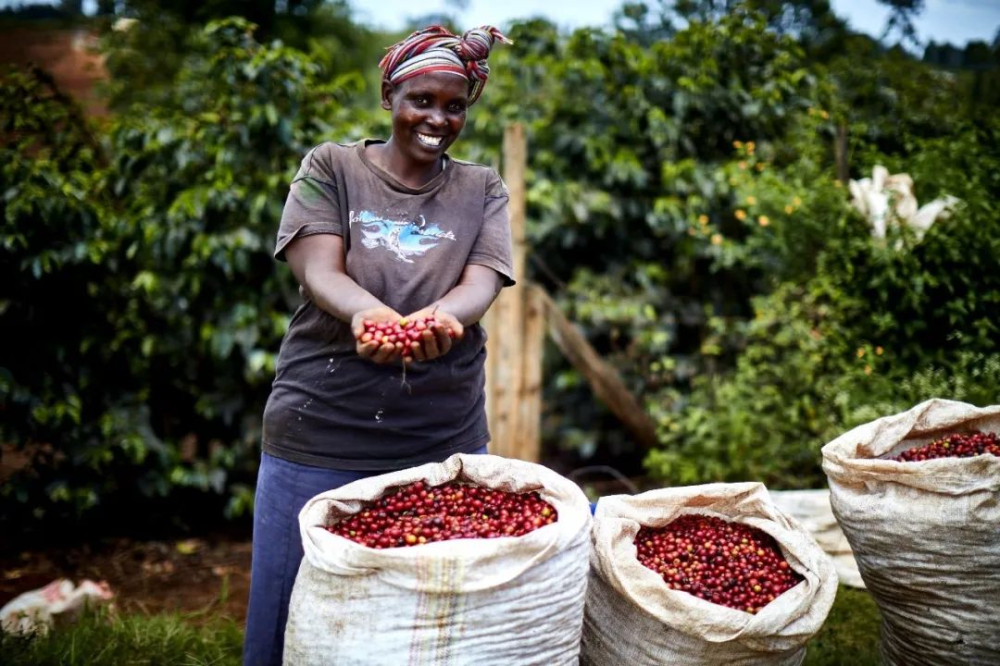
When it comes to coffees with bright acidity, Kenya is often the top choice for many coffee enthusiasts. Its flavor profile often features notes of cherry tomato, dark plum, deep berries, and caramel, with a balanced sweet-and-sour taste that’s as refreshing as fresh juice. This impressive flavor is inseparable from Kenya’s carefully cultivated varieties and specialized washed processing methods.
Among the many factors influencing the flavor of Kenyan coffee, variety is the most fundamental and crucial. Unlike other origins that often use numerical or simple naming conventions, Kenyan coffee varieties are typically designated with “SL” followed by a number, the most iconic being SL28 and SL34.
SL stands for Scott Laboratories. In the 1930s, this laboratory was commissioned by the Kenyan government to screen and improve coffee varieties suited to the local climate and altitude, with the goal of identifying those that offered disease resistance, adaptability, and commercial value. Although many strains were developed at the time, SL28 and SL34 stood out for their exceptional flavor performance and became favorites in the specialty coffee market.
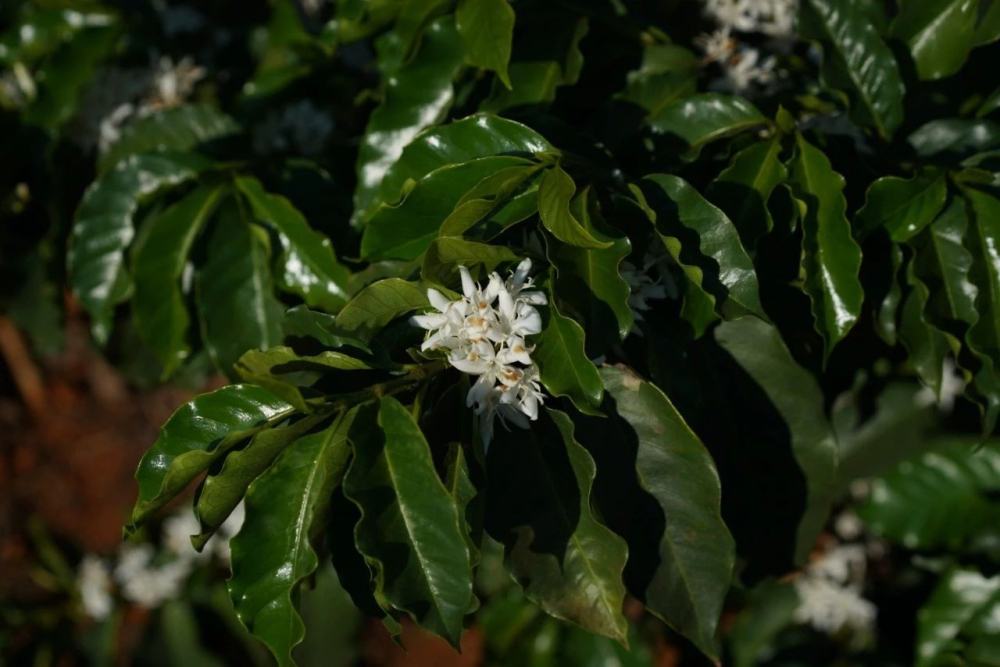
These two varieties are not only widely planted in Kenya but are also commonly intercropped or processed together at the same farms or mills, so many Kenyan coffees actually showcase a combined flavor profile of SL28 and SL34. SL28 has genetic lineage tracing back to Bourbon, Mocha, Yemen, and Typica, and the beans are relatively small in size; SL34 has more Typica characteristics, greater tolerance to rainfall, and a bean appearance similar to SL28 but with slightly firmer structure.
In terms of flavor, both SL28 and SL34 exhibit intense berry acidity and caramel sweetness, though with subtle differences.SL34 tends toward darker berry flavors like blackberry, with a relatively fuller body and a well-balanced interplay of sweetness and acidity, often finishing with caramel-like notes.;SL28, on the other hand, shows brighter acidity—especially as it cools down a bit—where the sourness can shift toward blueberry tones, with more pronounced sweetness and the typical traits of the Bourbon family.. When cupped side by side, one can clearly perceive that SL34 has a smoother acidity, while SL28 feels sharper and more vibrant.
Beyond variety, another standout feature of Kenyan coffee is its unique washed processing method—the K72 fermented washed process. This technique has become one of the key reasons why Kenyan coffee boasts clarity and clean acidity.
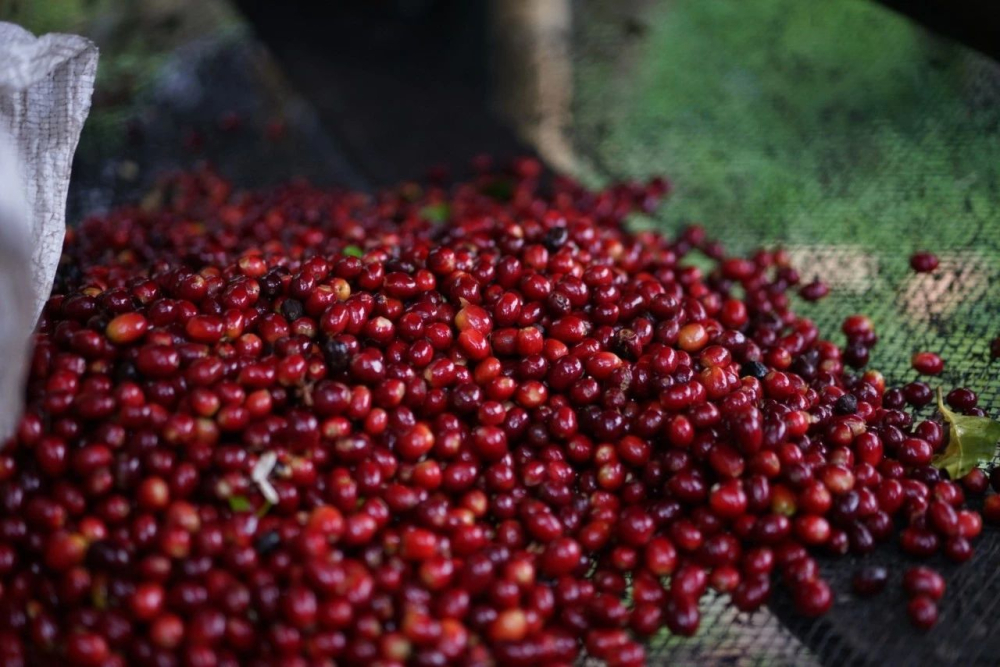
In Kenya, most coffee beans are processed using the washed method, often carried out at washing stations during the initial stages. Many washing stations are located near rivers to ensure access to clean water. The K72 process is notably meticulous:Coffee cherries are sorted on the day of harvest to remove unripe or defective beans, then depulped before undergoing the first 24-hour fermentation, followed by rinsing; this is then repeated for a second 24-hour fermentation and rinse, continuing for a total of three rounds, accumulating 72 hours of fermentation—hence the name K72.
This multi-stage fermentation and washing process effectively breaks down the mucilage layer and reduces impurities, while highlighting a purer, brighter acidity and preserving rich fruit characteristics. Coffee processed via K72 typically exhibits exceptional clarity and complexity, with clean acidity that’s not overly sharp, and layered sweetness.
In terms of roasting and brewing, Kenyan coffee is often roasted to a light-to-medium level to highlight its inherent flavors and intricate sweet-and-acidic structure. One coffee brand, when processing the Assaria lot, opted for a light roast to showcase notes of cherry tomato, dark plum, and berries, while bringing out a prominent mid-palate sweetness and a finish of brown sugar and green tea.
To fully draw out the sweet-and-sour layers of Kenyan coffee during brewing, it’s recommended to use a V60 filter cone with appropriately tuned parameters. The V60’s design features a large central hole and spiral ridges that extend brew time while maintaining a stable flow rate, aiding in even extraction.
Here are practical pour over reference settings:
Filter cone: V60
Brew water temperature: 91–92°C
Coffee dose: 15 grams
Coffee-to-water ratio: 1:16
Grind size: Fine sugar-like (approximately 80% through a #20 sieve, equivalent to medium-fine grind)
Suggested brewing steps: Start with a 30-second bloom using 30 grams of water, then pour in a slow circular motion until reaching 125 grams for the first pour; once the water level drops close to exposing the coffee bed, continue pouring to 225 grams, then stop and wait until the water level drops again near the bed before removing the filter cone. Total brew time is around 2 minutes.
Such parameters effectively enhance extraction yield while avoiding over-extraction, ensuring bright yet smooth acidity and rich, layered sweetness. The brewed Kenyan coffee typically offers dry aromas of honey and plum, wet aromas of ripe tomato and subtle floral notes; upon tasting, the acidity is vivid like cherry tomato, with a solid mouthfeel, notable mid-palate sweetness featuring natural berry and fruit flavors, and a finish echoing the gentle sweetness of caramel and green tea.
The above content is compiled by CoffeeHunters, a coffee news website.


