







Introduction:Rum barrel-fermented coffee has become a major trend in recent years, but did you know this innovative processing method actually originated from the Finca Santa Helena estate in Colombia? This article delves into how the estate perfectly combines rum oak barrels with Castillo variety coffee beans, detailing the key craftsmanship behind three months of maturation in barrels—from bean selection, low-temperature fermentation to greenhouse drying. It also provides tested roasting profiles and pour over parameters to help you master the brewing secrets of this wine-aroma-rich specialty bean.
In the world of specialty coffee, beans with wine-like flavors have gradually become a favorite among many coffee enthusiasts. Many mistakenly assume this unique processing method originated in Honduras, but the true pioneer is Colombia’s Finca Santa Helena. This historic estate began experimenting with applying rum oak barrels to the fermentation process of green coffee beans many years ago, creating a distinctive flavor profile that marries wine aromas with the rich body of coffee.
Finca Santa Helena is located in Colombia’s Caldas region, which boasts ideal geographic conditions. Situated at an altitude of about 1,750 meters with a mild climate—average annual temperatures ranging between 21°C and 25°C—and fertile volcanic ash soil brought by the Nevado del Ruiz volcano, it provides an optimal environment for coffee cultivation. The region is also home to Colombia’s National Coffee Research Center, where many renowned specialty varieties have been developed.
This special rum barrel-fermented coffee uses the Castillo variety. Developed in 2005 by Colombia’s coffee research institute, this variety combines the strengths of Caturra and Timor, not only offering strong disease resistance but also good yield and flavor performance. Castillo is favored in the market for its smooth mouthfeel, bright citrus acidity, and rich aroma.
The processing method at Finca Santa Helena can be described as quite unique and labor-intensive. First, the coffee cherries undergo a meticulous washed process to remove the outer skin and pulp, followed by about 20 hours of fermentation. This stage helps initially enhance the coffee’s cleanliness and bring out some of its aromatic qualities. Then, the green coffee beans are placed in rum oak barrels that are at least 8 years old, where they undergo fermentation for up to three months. During this period, the beans are turned daily to ensure even absorption of the aromatic compounds from the wood.
Throughout the fermentation process, the estate’s staff take samples every 30 days to closely monitor the degree of fermentation and the absorption of wine aromas, avoiding both over- and under-fermentation. This delicate monitoring is key to ensuring the final flavor balance. After fermentation, the beans are transferred to a greenhouse for drying. The greenhouse environment allows for stable temperature control, preventing secondary fermentation caused by high temperatures and ensuring the purity and clarity of the flavors.
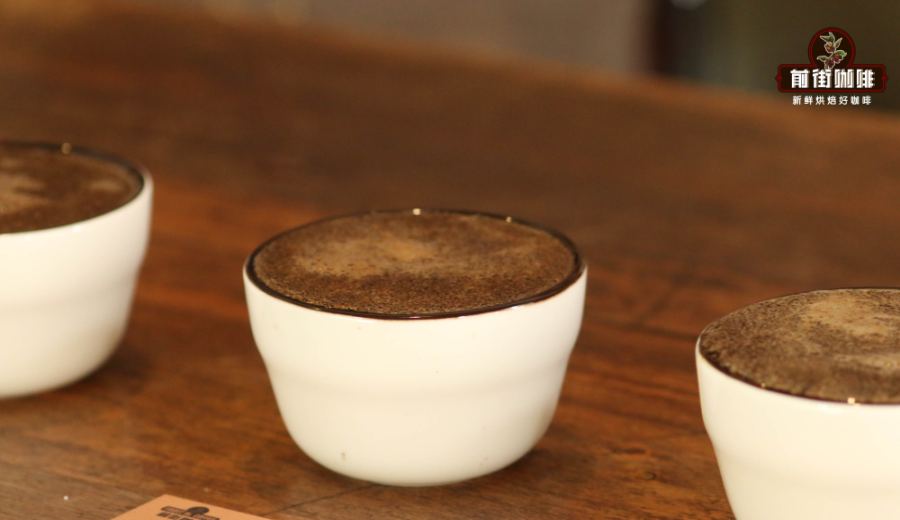
According to cupping results, this rum barrel-fermented coffee from Finca Santa Helena presents a distinctly different flavor profile compared to barrel-fermented beans from other regions. Upon opening the bag, one is greeted with intense rum aromas. On the palate, the initial impression is one of rich nuttiness and cocoa, followed by the gradual unfolding of wine notes, accompanied by tropical fruit acidity and a natural maple-like sweetness. The overall profile is layered, complex, and well-balanced.
In terms of roasting, a medium-dark roast was employed. The charge temperature was 190°C, with an initial flame setting of 140 and the air damper opened to 3. When the bean surface turned yellow and the grassy aroma disappeared, it entered the crucial dehydration phase, during which flame intensity and air damper settings were adjusted to ensure even heating. First crack began at 9 minutes and 7 seconds and continued for approximately 2 minutes and 10 seconds. The final roast ended at 195°C, resulting in a flavor profile that is balanced and sweet.
For brewing recommendations, use a Hario V60 filter cone with a coffee-to-water ratio of 1:15. Water temperature should be controlled at 91°C, and the grind size is suggested to be EK43s setting 10 (approximately 80% through a #20 sieve). Use a staged extraction method: the first stage involves pouring 30g of water for a 30-second bloom; the second stage adds water up to 125g at the 1-minute mark; when the water level drops to two-thirds of the coffee bed, the third stage pours up to 225g at 1 minute and 40 seconds, with a total extraction time of about 1 minute and 59 seconds. These parameters fully highlight the wine-like aromas and layered complexity of the coffee.
The final brewed coffee exhibits intense fermented wine aromas. On the palate, you can taste the sweet richness of rum, the full body of nuts, the bright acidity of tropical fruits, and a hint of oolong tea undertones. The sweetness is pronounced, and the overall profile is very well-balanced—making it an excellent specialty coffee for deep appreciation.
The above content is compiled by CoffeeHunters, a coffee news website.


