







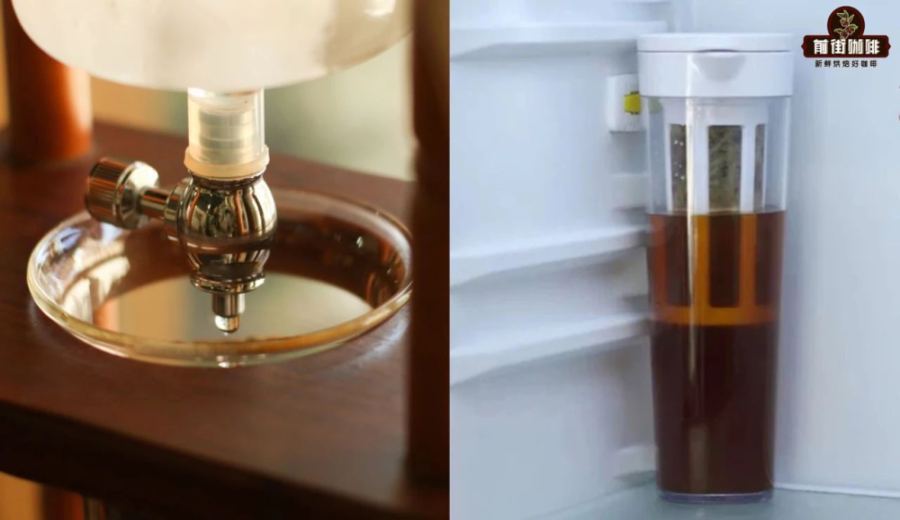
Introduction:Both cold brew and ice drip coffee belong to low-temperature extraction methods, but their flavor profiles are distinctly different. This article starts from the principles of extraction, analyzing how high and low temperatures affect the release of flavors, and takes Ethiopian Natural Huila Geisha as an example to deeply compare the taste differences, production processes, and key parameters of the two. Finally, it provides detailed actual flavor descriptions to help you choose the most suitable cold coffee solution based on your personal taste.
Although both cold brew and ice drip extract coffee at low temperatures, many coffee enthusiasts often feel hesitant when choosing, unsure which one better suits their palate. In fact, the flavor characteristics of these two extraction methods are completely different: one is rich and bold, the other is fresh and bright. This article not only delves into the basic principles of low-temperature extraction, explaining how high and low temperatures influence various flavor compounds in coffee, but also uses the currently popular Ethiopian Natural Huila Geisha as a case study, fully sharing practical preparation steps and recommended parameters for both methods, along with detailed flavor profiles, so you can make the best choice based on your preferences.
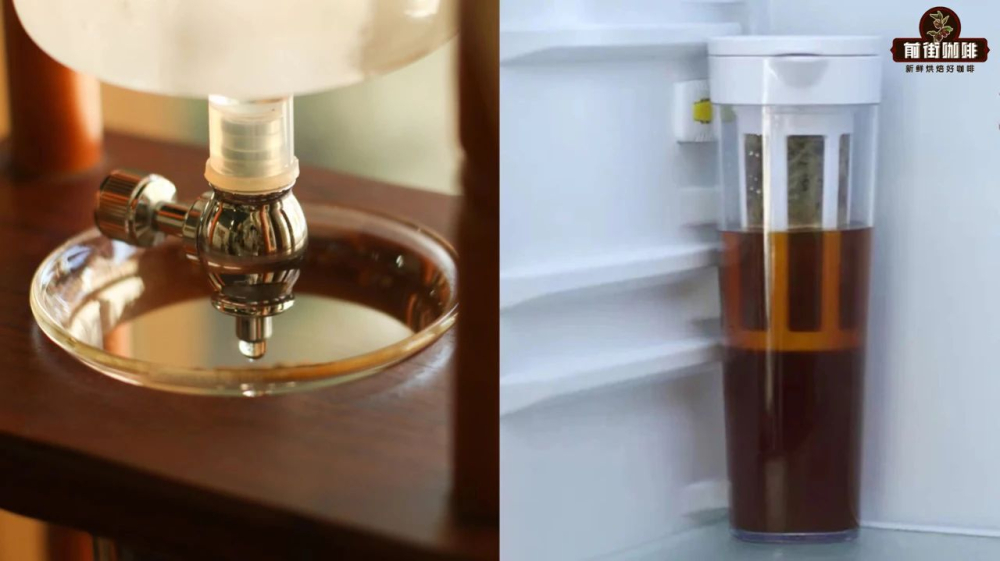
Which one suits your taste better—cold brew or ice drip?
Many customers often ask: “Which is better, cold brew or ice drip?” The answer actually depends on whether you prefer a fresh and bright taste or a rich and smooth texture. The former is like ice drip, the latter like cold brew. The two extraction paths are entirely different, leading to vastly different flavor experiences. The following will take you deeper into understanding their differences.
What is low-temperature extraction? How is it different from high-temperature extraction?
The pour over coffee we commonly use is mostly extracted at high temperatures (around 88–94°C). At this temperature, tannic acids in coffee rapidly decompose into quinic acid, releasing acidity, sweetness, and bitterness, creating a rich layering of flavors. However, if the water temperature is too high or the brewing time too long, it can easily extract impurities such as woody fibers, resulting in a rough mouthfeel, and even unpleasant woody or cardboard notes.
In contrast, cold brew and ice drip are forms of low-temperature extraction (usually between room temperature and 5°C). In a low-temperature environment, only small-molecule flavor compounds (such as floral and fruity notes) are more easily dissolved in water, while larger molecules like smoky, caramel, or roasty notes are harder to release. Therefore, cold brew and ice drip typically showcase a purer, more original flavor profile of the coffee itself, often resulting in a smoother mouthfeel and a softer, more lingering aftertaste.
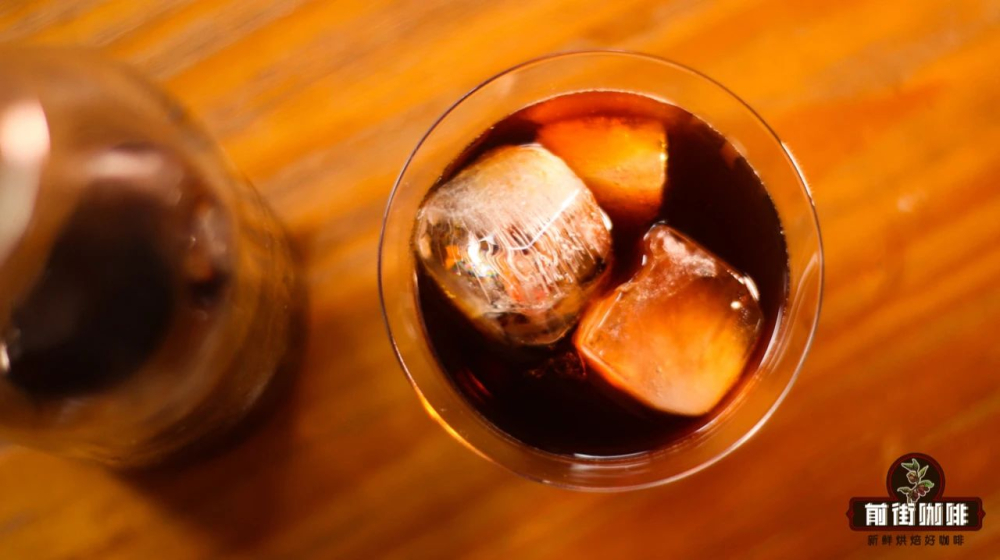
Cold Brew Coffee: Rich and Bold, Ideal for Savoring Slowly
Cold brew coffee is arguably one of the most common low-temperature extraction methods. The process is relatively simple—just mix coarsely ground coffee powder with cold water, place it in the refrigerator, and let it steep for 8 to 12 hours, allowing the coffee grounds and water to fully infuse. Due to the long extraction time and low temperature, it effectively suppresses over-extraction flavors while bringing out rich sweetness and a full-bodied taste. Once extraction is complete, simply separate the coffee liquid from the grounds, and it’s ready to drink. Cold brew not only has a stable flavor profile, but is also suitable for making in large batches and refrigerating for later use, making it a daily favorite for many coffee lovers.
Recommended coffee-to-water ratio can be adjusted according to purpose: for direct drinking, a 1:12 ratio is suggested; if pairing with sparkling water, soda, or milk, the concentration can be increased to 1:5 or 1:6. As for grind size, it’s advised to use something slightly coarser than your usual pour over to avoid excessive extraction that could bring out bitter or astringent notes.
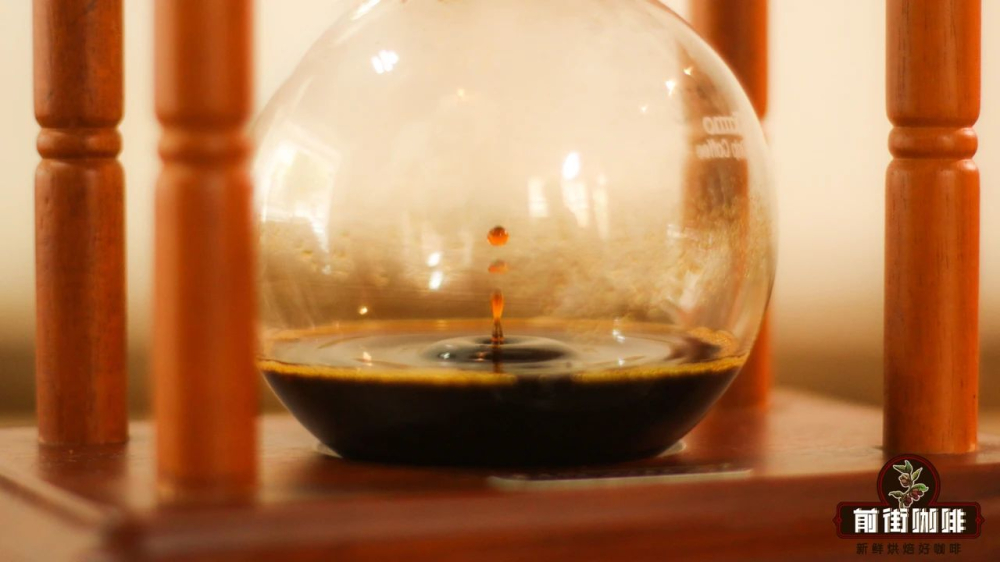
Ice Drip Coffee: Clean and Refreshing, with Distinct Layers
Ice drip coffee is extracted through the slow dripping of ice water over a long period at low temperatures (usually maintained below 5°C). The entire process emphasizes precision and patience. Due to the extremely low extraction environment temperature, less caffeine is released, and flavor compounds can be more precisely controlled as they dissolve, making it often considered one of the extraction methods that delivers the clearest flavors and most accurately reflects the essence of the coffee beans.
The key to a successful cup of ice drip coffee lies in maintaining a stable dripping speed (recommended about 7 drops per 10 seconds), even distribution of coffee grounds, and proper pre-soaking and aging steps before and after extraction. The resulting coffee liquid is usually clear and transparent, with a refreshing taste—bright acidity that’s not overly sharp, a sweet and smooth aftertaste, making it a favorite among those who enjoy delicate flavors.
Real-World Flavor Test of Cold Brew vs Ice Drip Using Ethiopian Natural Huila Geisha
This test used Ethiopian Natural Huila Geisha coffee beans sourced from the Guji Hambela region, grown at altitudes between 1900–2200 meters, using local heirloom varieties. Processed via the natural method, the beans are rich in floral-fruity aromas and fermentation layers. Below are the actual flavor performances of cold brew and ice drip made from these beans:
Flavor Profile of Cold Brew Coffee:Floral aromas are prominent, accompanied by a rich berry juice sensation, with a sweet and sour interplay. The fermentation character is intense and captivating, and the overall mouthfeel is full-bodied and smooth, with a honey-like sweetness lingering in the aftertaste.
Flavor Profile of Ice Drip Coffee:The floral notes are more restrained, the berry acidity is fresh, the fermentation character is soft and refined, the mouthfeel is clean and refreshing, and the aftertaste carries sweet nuances of nectarine and mango.
Summary of Brewing Recommendations and Key Parameters
Cold Brew Coffee Brewing Steps:
1. Place coarsely ground coffee powder into a container, adjust the coffee-to-water ratio as needed (suggested 1:12 or 1:5–1:6), and use a grind slightly coarser than pour over.
2. Refrigerate and let it steep for 8–12 hours to allow the coffee to fully infuse.
3. Use filter paper or a cloth filter to separate the coffee liquid from the grounds.
4. Pour into a serving container and enjoy.
Ice Drip Coffee Brewing Steps:
1. Recommended coffee-to-water ratio is 1:10 (e.g., 60 grams of coffee to 600 milliliters of water), adjustable based on the capacity of your ice drip device.
2. Place filter paper at the bottom of the coffee chamber, add coffee grounds, and gently press them flat.
3. Add another layer of filter paper on top to help water drip evenly.
4. Begin with a small amount of ice water for pre-soaking to evenly wet the coffee grounds (similar to blooming).
5. Use a 1:1 ice-to-water mixture, set the dripping speed to 7 drops per 10 seconds.
6. After extraction, it is recommended to refrigerate and age overnight for better flavor integration.
Through this test, whether you prefer the bold richness of cold brew or the clean refinement of ice drip, you can follow these steps and parameters to replicate professional-grade flavor performance at home with ease.
The above content is compiled by CoffeeHunters, a coffee news website.


