







Introduction:Whether coffee beans are fresh isn’t determined just by grinding them fresh. The time between roasting and storage, proper resting (also known as “degassing”), and correct storage methods all greatly affect the final flavor profile. This article delves into how to judge the freshness of coffee beans, the principles and recommended duration of resting, the difference between best-before and expiry dates, and provides a comparison of storage options such as airtight jars, one-way valve cans, and original packaging—helping you brew the best-tasting coffee from beginner to advanced level.
Many people think that simply grinding coffee beans fresh is a sign of freshness, but in fact, that’s only part of the picture. What truly affects the full release of coffee aroma also includes time management after roasting. After roasting, if coffee beans are left for more than fifty days, most of their flavors have already dissipated. Therefore, understanding the freshness of coffee beans and the proper methods of storage and resting are key to enjoying a great cup of coffee.
How can you tell if a pack of coffee beans is fresh? First, be sure to check whether the packaging clearly indicates:Roast daterather than just the expiration or best-before date. It’s recommended to choose reputable brands that emphasize freshly roasted coffee. Additionally, high-quality coffee bags often come with a “one-way valve,” which is the small raised hole located on the top of the bag. Its function is to allow carbon dioxide released by the coffee beans to escape while preventing oxygen from entering. You can gently press the bag and bring the valve close to your nose—if you smell a rich coffee aroma, it means the beans are still fresh; conversely, if the scent is flat or even has a rancid smell, the beans are likely oxidized and not recommended for purchase.
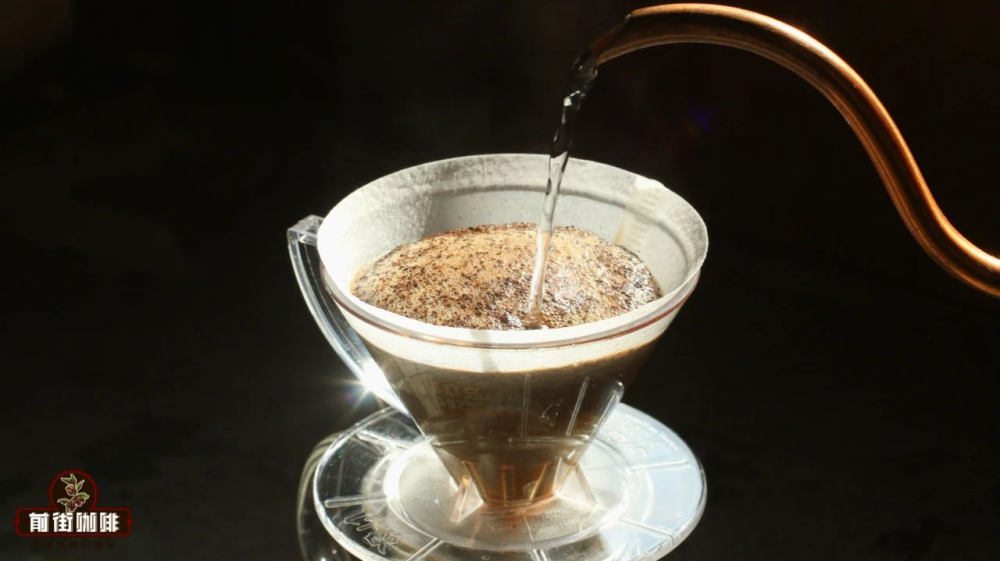
The process called “resting” refers to the period when coffee beans release carbon dioxide after roasting. Roasted beans contain about2% carbon dioxide, and this gas is slowly released over time—a process that is crucial for the integration of coffee aroma and flavor. Proper resting allows the aromatic compounds and oils inside the beans to reach a better balance, thereby improving extraction performance.
Resting time varies depending on the roast level. Generally speaking,light roast is recommended to rest for 5 to 7 days,medium-light roast for 3 to 4 days,and medium-dark roast for 2 to 3 days. If the coffee beans are intended for espresso—often dark roasted—it’s suggested torest for about 15 daysto avoid unstable extraction caused by residual gases interfering during brewing. Resting is simple: just place unopened coffee beans in a dry, cool place and let them sit until the gases are naturally released.
So, what’s the difference between best-before period and expiry date? Typically, after going througha 3 to 7 day resting period, coffee beans enter the stage where their flavor is at its peak—this is what we call the best-before period. This optimal window usually falls betweenthe 4th and 30th day after roasting. As time goes on, volatile compounds such as floral and fruity notes in the beans gradually dissipate, eventually leaving mostly woody tones. It’s important to note that once the best-before period has passed, it doesn’t mean the beans are undrinkable, but the overall flavor will noticeably decline. The shelf life of roasted coffee beans is generally aroundsix months to one year, but the flavor will have significantly deteriorated by then.
Next, let’s talk about how to store coffee beans in daily use. First, it’s recommended to use anairtight, moisture-proof jarto store rested coffee beans in a container that blocks air, moisture, and light, and keep it in a cool place. Be especially mindful to avoid direct sunlight and humid environments—the former accelerates aroma evaporation, while the latter can cause beans to absorb moisture, leading to off-flavors or even mold. Some cafés use transparent airtight jars to display coffee beans, mainly because they go through stock quickly, minimizing flavor impact.
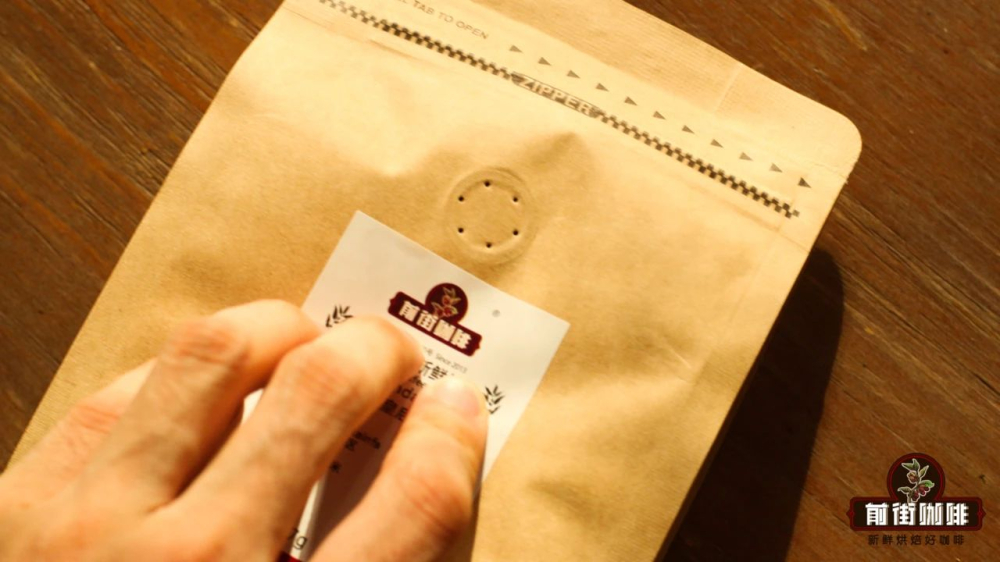
Another common and convenient option is theone-way valve can, which works on the same principle as commercially available coffee packaging with one-way valves—allowing beans to release carbon dioxide while preventing external oxygen from entering, helping to extend freshness.
If no other container is available, the original packaging can also be used for storage. However, the moisture resistance of original packaging is usually weaker, so it’s advised to consume the beans within14 daysand ensure the seal is properly closed. No matter which method you use,never store coffee beans in the refrigerator, as the low temperature can cause the beans to absorb odors, and the high humidity inside refrigerators can negatively affect the flavor and quality of the coffee.
One last common mistake is “grinding beans in advance.” Once coffee beans are ground, their surface area exposed to air increases dramatically, accelerating oxidation. Aroma and flavor compounds are lost quickly, resulting in brewed coffee that tastes bland and lacks the depth and fragrance it should have. It’s recommended to grind beans just before brewing to fully experience the original flavors of the coffee.
The above content is compiled by CoffeeHunters, a coffee news website.


