







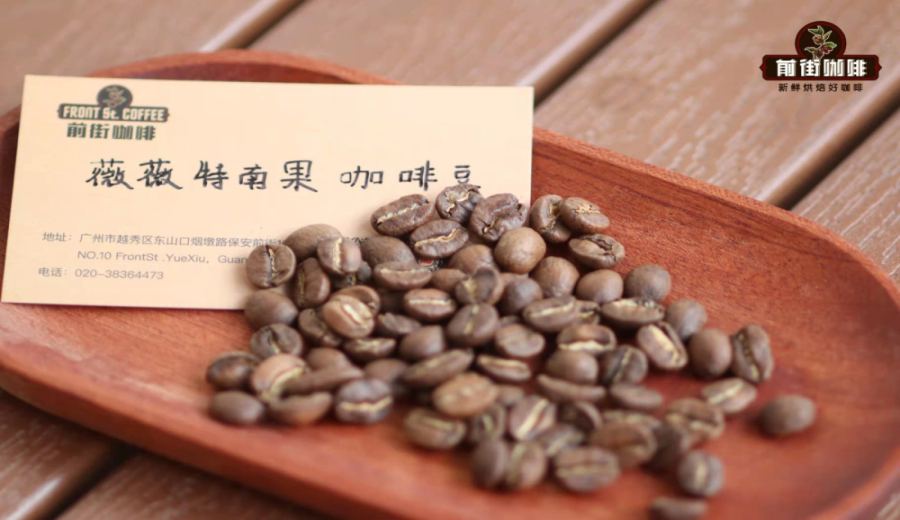
Introduction:Delve into the geography and climate conditions of Guatemala’s Huehuetenango region, and explore its unique smoky and fruity flavor profile. This article details the washed processing method and provides tested pour over parameters to help you master brewing techniques, while also comparing flavor differences with the Antigua region to give you a comprehensive understanding of the charm of this classic Central American coffee bean.
The Huehuetenango region of Guatemala is renowned for its high altitude, dry climate, and coffees with distinctive smoky notes. It is one of the must-visit origins for specialty coffee enthusiasts. These coffees are highly praised for their bright berry acidity, chocolatey base, and woody smoky finish, making them particularly appealing to coffee drinkers who enjoy complex and bold flavors.
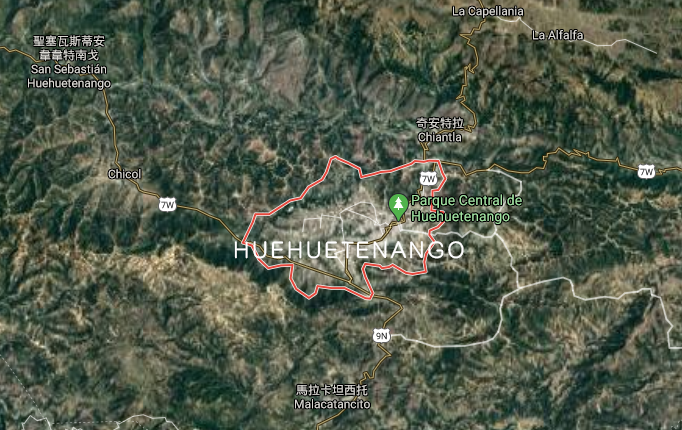
Located in northwestern Guatemala, this is the country’s highest-altitude non-volcanic coffee-growing area, with some plots reaching over 2,000 meters above sea level. Thanks to the dry, hot winds from the Tehuantepec Plateau in Mexico, Huehuetenango is able to cultivate Strictly Hard Bean (SHB) coffee in this unique geographical environment—beans known for their high acidity, brightness, and complex aromas. These beans are typically processed using the washed method, which not only enhances cleanliness but also sharpens flavor clarity.
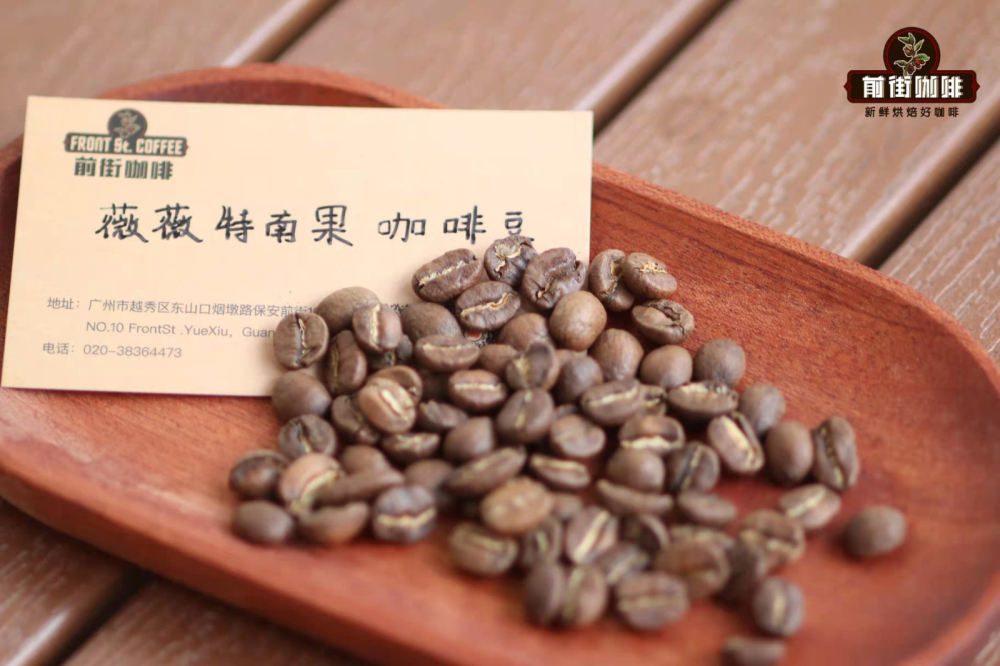
Before gaining a deeper understanding of Huehuetenango, novice coffee drinkers might confuse it with Ethiopia’s Yirgacheffe, as both exhibit certain fruit acid characteristics. However, careful tasting reveals their differences: Ethiopian beans often have more exuberant floral notes and sharper acidity, while Huehuetenango’s acidity is softer and rounder, with a firmer mouthfeel and a hint of smoky finish derived from the region’s unique microclimate.
The geographic environment plays a crucial role in shaping the flavor of the coffee. Guatemala’s diverse terrain includes plateaus, volcanoes, tropical rainforests, and coastal plains. The volcanic soil regions located at altitudes of 1,300 to 1,800 meters in the central part of the country are considered the golden zone for growing premium coffee. The large diurnal temperature variation here helps coffee cherries accumulate rich flavor compounds, and the prevalence of washed processing has earned Guatemalan coffee widespread acclaim on the global market.
It’s worth noting that 98% of the country’s coffee is grown under shade to protect the ecosystem and maintain coffee quality, with Arabica being the primary variety. Planting areas above 1,500 meters are most likely to produce Strictly Hard Beans—beans that are not only hard and dense, but also offer excellent acidity-sweetness balance, making them ideal for refined pour over and drip experiences.
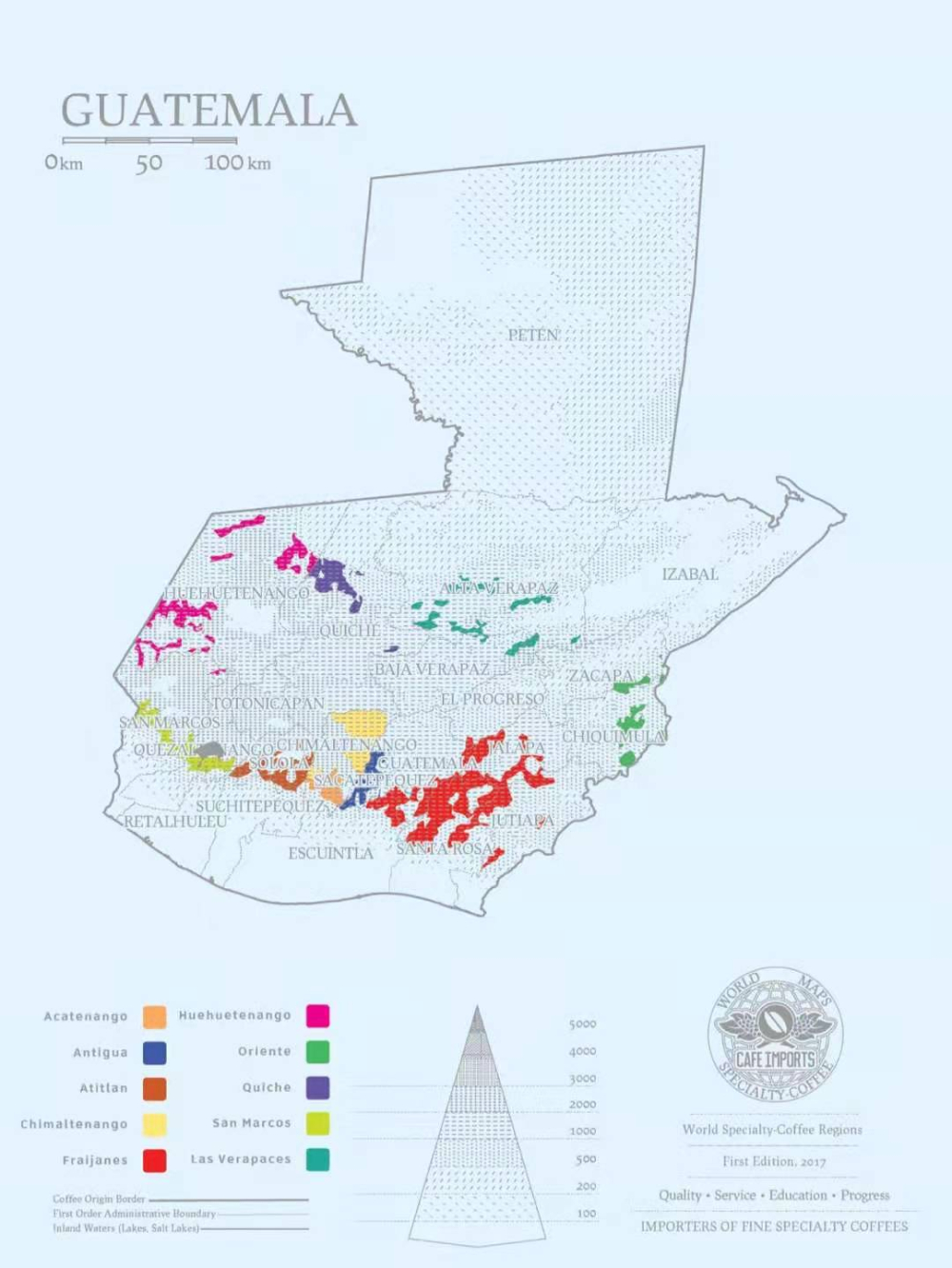
As one of the three major non-volcanic regions, Huehuetenango’s dry climate and high altitude result in a flavor profile distinctly different from other Guatemalan regions. Due to its remote location, local farmers must process their own coffee. Fortunately, the area has well-developed water systems and small-scale washed processing facilities are common, making washed processing the mainstream method there.
The washed processing procedure can be roughly divided into the following steps: First, ripe red cherries are harvested, with unripe or defective beans removed; next, a pulper is used to remove the skin and pulp, leaving seeds coated with mucilage; then the seeds enter fermentation tanks, where microbial action breaks down the mucilage—this stage typically lasts 16 to 36 hours, with occasional stirring to improve efficiency. The fermentation process also generates natural fruit acids, further enriching the coffee’s complexity; finally, any remaining mucilage is washed away with clean water, followed by sun drying or mechanical drying until the moisture content is reduced to 12%, ensuring stability and shelf life of the green beans.
For this complex-flavored Huehuetenango coffee, a certain brand opted for a medium-light roast to preserve its bright acidity and delicate aromatic characteristics. For brewing, it is recommended to use a Hario V60 filter, with a 1:15 coffee-to-water ratio, and a grind size similar to coarse sugar—approximately 80% passing through a Chinese No. 20 standard sieve. Water temperature should be controlled at 91°C to highlight the upfront flavors of berries and citrus, while balancing the mid-palate notes of chocolate and brown sugar.
Specific pour over recommendations are as follows: Begin with a 30-second bloom using twice the weight of coffee in water (about 30 grams) to release CO₂ from the coffee grounds and lay a solid foundation for subsequent extraction; then pour water in small circles until reaching 125 grams for the first pour, followed by additional pouring to a total of 225 grams. The total brew time should be around 2 minutes. After the dripping finishes, gently swirl the coffee in the server before pouring into the cup to better experience its layered changes.
The flavor profile of this coffee is quite distinctive: the entrance brings a refreshing acidity of citrus and berries, the mid-palate reveals intense dark chocolate and caramel aromas, and the finish lingers with soft smokiness and cedarwood notes. The overall mouthfeel is full-bodied with a long-lasting aftertaste. Compared to the Antigua region of Guatemala, which also offers citrus acidity, the latter showcases more direct citrus notes, abundant floral aromas, and moderate body, with a finish accompanied by mellow caramel and slight smokiness. Its overall expression is gentler and more balanced, suiting those who prefer fresh and harmonious flavors.
When tasting or purchasing, it is recommended to choose freshly roasted beans with a roast date within five days, and allow a 4 to 7-day resting period for the flavors to fully develop. If buying pre-ground coffee, it is advisable to brew immediately to avoid oxidation affecting the flavor. Generally speaking, purchasing whole beans and grinding them fresh for brewing will best showcase the multi-layered complexity and subtle nuances of Huehuetenango.
Whether you prefer coffee with bright acidity and enticing floral notes, or enjoy bold smokiness and chocolatey undertones, this coffee bean from Guatemala’s Huehuetenango region offers a unique taste experience. Mastering the correct brewing parameters and understanding its processing background will help you explore the allure of this classic Central and South American bean more deeply.
The above content is compiled by CoffeeHunters, a coffee news website.


