








Introduction:Macchiato is one of the drinks that most coffee beginners often find confusing when ordering. Is it a sweet beverage made with espresso and caramel whipped cream, or an intense Italian-style coffee that retains its rich flavor? In fact, "Macchiato" in Italian means "marked" or "stained," referring to the addition of a small amount of milk to highlight the espresso, rather than dilute its flavor. This article delves into the origins and evolution of the macchiato, and provides a detailed introduction to two classic preparations—espresso macchiato and latte macchiato—covering ratios, preparation processes, and suitable scenarios, helping you find the cup that suits your taste best.
Walking into a café and facing the wide array of Italian-style coffee options, the name "macchiato" often leaves people puzzled. Some think it’s a large sweet drink drenched in caramel whipped cream, while others believe it’s a special type of espresso. In reality, "Macchiato" in Italian means "mark" or "stain," and the core concept of a macchiato is to use a small amount of milk to accentuate the espresso, aiming to highlight rather than mask the coffee’s inherent flavor.
This article will guide you through the historical background of the macchiato, and clearly differentiate between "espresso macchiato" and "latte macchiato" in terms of ingredient ratios, preparation methods, and suitable occasions. Whether you prefer a strong coffee flavor or enjoy the silky texture brought by milk foam, you can find your ideal choice here.

As American coffee culture reinterprets traditional Italian beverages, the original names and essences of many coffee drinks have gradually become blurred, making it easier for consumers to get confused when ordering. For example, many can clearly distinguish between espresso and cappuccino, but their understanding of the definition of "macchiato" is often vague. Some even mistakenly think that a macchiato is that sweet drink topped with caramel sauce and whipped cream. But in truth, the real macchiato is far simpler and more pure than you might imagine.
This article will help you clarify various misunderstandings, master the two classic ways to prepare a macchiato, and learn how to make the most suitable choice based on your personal taste preferences.
Espresso Macchiato (Caffe Macchiato)
Espresso macchiato is the most original and traditional form of the macchiato. In Italian, "Caffe Macchiato" literally translates to "marked coffee," where the "mark" refers to a tiny amount of steamed milk or milk foam gently placed on the surface of the espresso, creating a slight color contrast that symbolizes "espresso that has been marked."
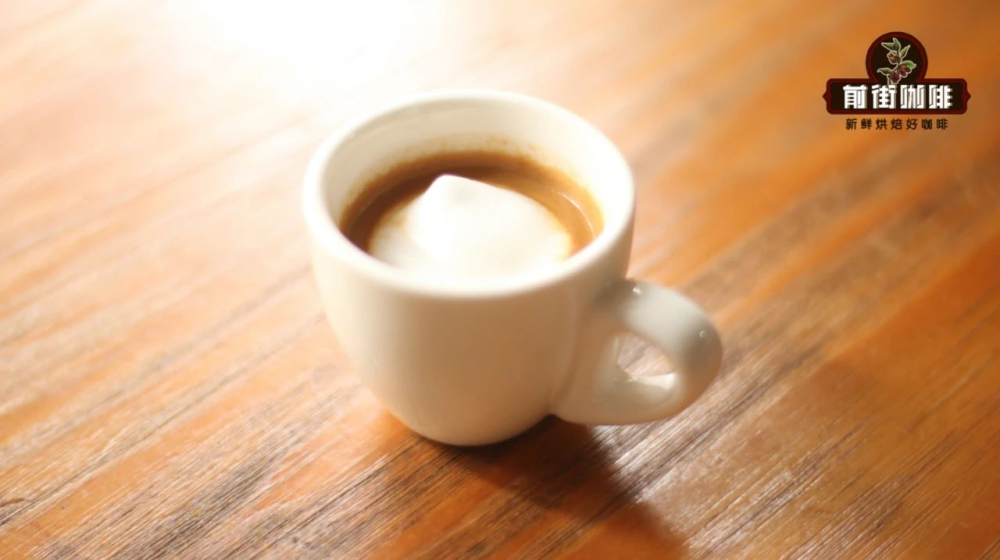
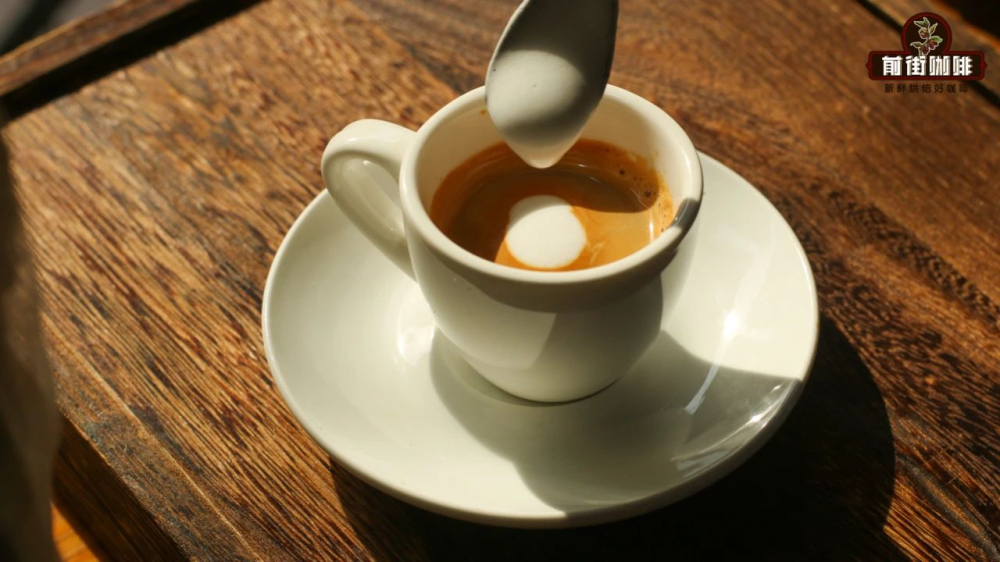
Its preparation method is quite simple: first, extract a standard shot of espresso (about 30 milliliters), then carefully add one to two teaspoons of steamed milk or fine milk foam on top of the coffee liquid. This approach preserves the strong flavor and layered complexity of the espresso while slightly softening its texture with the minimal milk foam, resulting in a smoother overall drinking experience without losing the essence of the coffee.
This type of coffee is especially suitable for those who enjoy a strong coffee aroma but are not accustomed to the intense bitterness and bold mouthfeel of a pure espresso. Since the total volume is quite small, a typical espresso macchiato usually contains only about 30–40 milliliters. If you’d like to have a bit more, consider ordering a double shot version.
Latte Macchiato
In contrast to the espresso macchiato, the latte macchiato is based on a large amount of steamed milk, with a small amount of espresso added as an accent, creating a clear visual and taste-layered effect. This method emphasizes the dominance of milk, with coffee serving as the "finishing touch," which is why it’s also often referred to as "marked milk."
A standard latte macchiato typically uses a large glass cup of about 12 ounces (approximately 350 milliliters). During preparation, the cup is first preheated, and then filled with about one-third to one-half of steamed milk to create a stable foam base. The next critical step is slowly pouring a single shot of espresso (about 30 milliliters). Baristas usually guide the coffee along the curve of the back of a spoon so that it flows down the side of the cup, concentrating the espresso in the center of the milk foam without disrupting the overall layered structure.
A well-made latte macchiato should clearly display three layers: the bottom layer consists of dense steamed milk, the middle is the rich espresso, and the top is covered with light milk foam. This visual effect is not only aesthetically pleasing but also allows drinkers to experience the balanced interplay of espresso and milk from the very first sip.
Latte macchiato is particularly suitable for those who enjoy the aroma of milk or wish to reduce their caffeine intake, such as children or those sensitive to caffeine. Additionally, it’s great for experimenting with various flavored syrups, such as vanilla, caramel, or hazelnut, to create personalized and diverse flavors.
In summary, whether you choose the espresso-focused espresso macchiato or the milk-centered latte macchiato, these two classic drinks both showcase the Italian coffee culture’s rigorous pursuit of proportion and flavor layering. Once you understand their differences and characteristics, you can confidently order the macchiato that best suits your palate the next time you visit a coffee shop.
The above content is compiled by CoffeeHunters, a coffee news website.


