







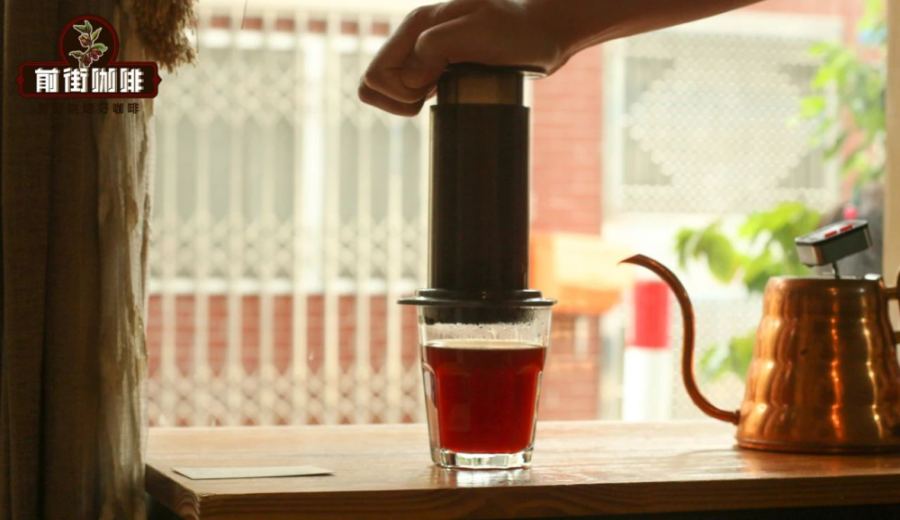
Introduction:Both the AeroPress and the French press are practical coffee brewing tools suitable for home and office use, but they differ significantly in extraction principles, flavor profiles, and ease of operation. This article delves into how both devices work, exploring factors from grind size and water temperature control to actual flavor performance. It also includes comparative test parameters using Ethiopian Guji Dingding coffee beans with both methods to help you find the tool and brewing style that best suits your taste.
The AeroPress and the French press are two common brewing tools that many coffee enthusiasts encounter when starting out. They are simple to operate but bring out distinctly different coffee flavor characteristics. The AeroPress combines immersion, paper filtration, and pressure techniques to extract a rich and well-layered cup of coffee in a short time; the French press, on the other hand, uses a full immersion method with a metal filter to separate coffee grounds from the brew, preserving more of the coffee's inherent flavors and a fuller body.
If you're considering purchasing one of these tools or want to understand the real differences between them, the following will take you in-depth into their features—from extraction principles, recommended grind sizes, water temperature suggestions, to a complete step-by-step guide and flavor evaluation using Ethiopian Guji Dingding coffee beans—to help you make the most suitable choice.
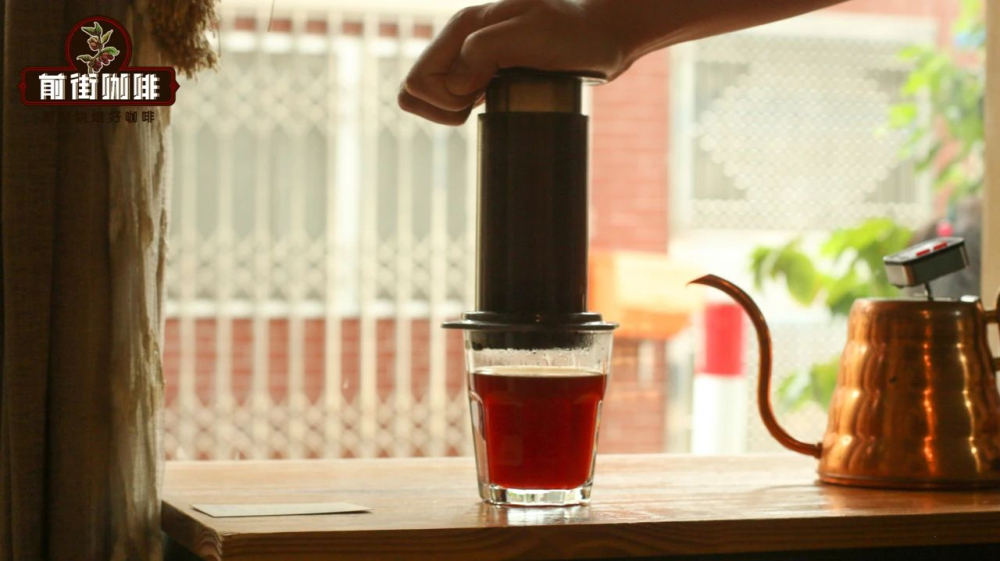
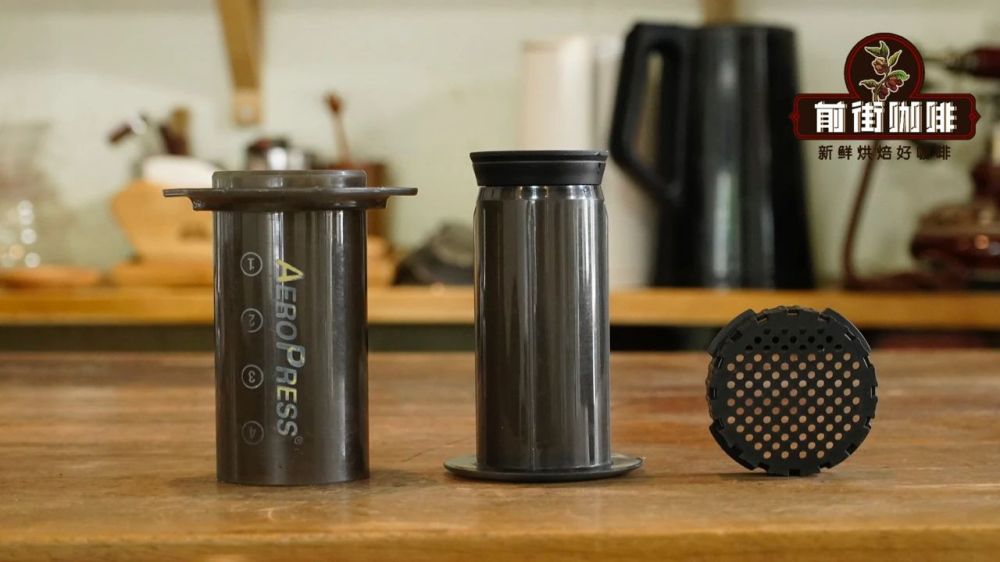
Let’s first look at the fundamental differences in extraction principles between the two tools. The AeroPress is a design that integrates multiple brewing concepts. It mainly consists of a brewing chamber, a filter cap, and a plunger cylinder. It combines the immersion method of the French press, the paper filtration of pour over, and the pressure extraction characteristics of an espresso machine. During operation, coffee grounds and hot water are first mixed and steeped for a period, then the pressure generated by pressing the plunger down forces the coffee liquid through the filter paper. This effectively filters out the coffee grounds while extracting a high-concentration and clean-tasting coffee liquid.
In contrast, the French press operates in a much simpler way. It mainly involves placing coffee grounds and hot water together in the pot, allowing them to steep fully, and then separating the coffee grounds from the liquid through a metal filter at the bottom. This immersion-based extraction method allows the oils, aromas, and textures of the coffee to be fully released, making it particularly suitable for users who enjoy a round, rich flavor. Since the French press requires no special techniques and is easier to master, it is very suitable for beginners just starting to explore coffee.
After understanding the extraction principles, let’s take a look at the grind size requirements for each. Because the AeroPress applies pressure during pressing, it is recommended to use an extremely fine grind similar to that for espresso—roughly the fineness of granulated sugar. This creates appropriate resistance under high pressure, allowing the flavor compounds in the coffee to be fully released. Otherwise, it may lead to poor filtration or suboptimal taste.
Conversely, since the French press does not use pressure but relies on steeping time and filter separation, a coarser grind is recommended—about the size of white sugar or coarse sugar. If the grind is too fine, tiny coffee particles can pass through the metal filter, resulting in a cloudy cup and affecting the overall clarity of the flavors. An appropriately coarse grind helps maintain a rich body while keeping the taste clean and refreshing.
To concretely compare the actual performance of the two tools, we used washed Ethiopian Yirgacheffe Kochere region coffee beans for testing. These beans are of a local heirloom variety, grown at altitudes between 1800 and 2200 meters, and feature distinct citrus, floral, and tea-like qualities—making them ideal for highlighting the unique extraction traits of different brewing methods.
Regarding brewing water temperature, it is generally recommended to use higher temperatures (around 90–93°C) for light roasts to better bring out acidity and aroma; medium to dark roasts can be brewed at slightly lower temperatures (86–88°C) to avoid over-extraction of bitter flavors. The Kochere beans used here fall within the light to medium roast range, so we selected a brewing temperature of 91–92°C to balance acidity, sweetness, and body.
First, let’s go over the actual operation and parameter settings for the AeroPress. Using 20 grams of extremely fine ground coffee and 180 grams of 92°C hot water, the coffee-to-water ratio is 1:9. The steps include wetting the filter paper to ensure a tight seal, placing the coffee grounds in the inverted AeroPress, pouring in the hot water, and gently stirring for about 50 seconds. After a brief rest, the device is flipped and pressed for around 30 seconds, with a total extraction time of about 1 minute and 30 seconds. Finally, 120 ml of hot water can be added to adjust the strength, helping to more clearly highlight its citrus acidity and black tea-like sweetness, resulting in a clean and well-layered cup.
For the French press, 15 grams of coffee ground to the size of coarse sugar is used, along with 195 ml of 91°C hot water, for a coffee-to-water ratio of 1:13. After preheating the pot, add the coffee grounds and hot water, then gently stir to ensure even soaking. Allow it to steep for about 4 minutes, then slowly press down the filter, being careful not to let the fine grounds at the bottom rise and affect the taste. This method produces a cup of coffee showcasing soft floral notes, a rich citrus acidity, and an oolong tea-like finish, with an overall rounded and smooth mouthfeel.

Overall, the AeroPress is ideal for those seeking a rich, clean, and distinctly layered coffee experience, especially for users who enjoy a balanced acidity and sweetness with a strong flavor intensity. The French press, on the other hand, excels at presenting the full flavor profile of coffee, with a fuller body and lower barrier to entry, making it highly suitable for daily use or for beginners just getting into coffee. No matter which one you choose, as long as you master the grind size, water temperature, and brewing time, you can enjoy a high-quality pour over coffee experience.
The above content is compiled by CoffeeHunters, a coffee news website.


