







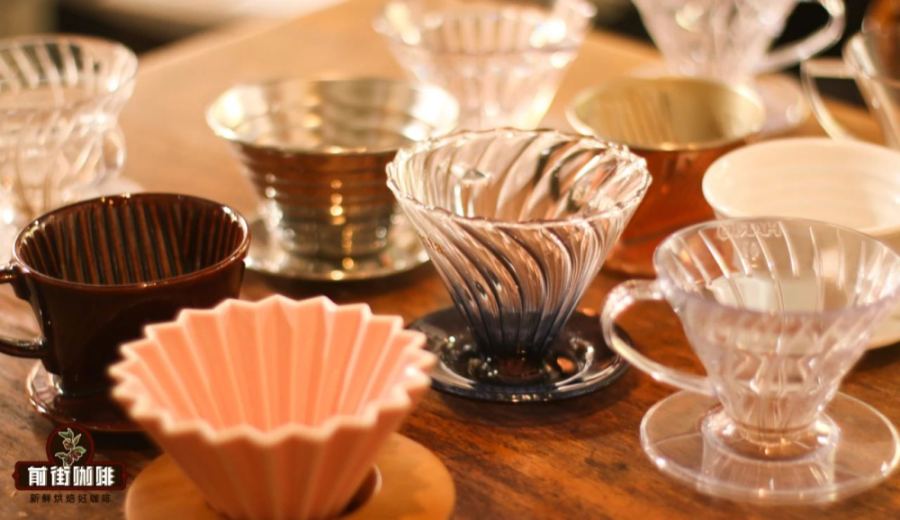
Introduction:The choice of dripper plays a crucial role in shaping the flavor profile of pour over coffee. From fan-shaped, cone-shaped, to wave and metal drippers, different designs affect flow rate, extraction efficiency, and ultimately the mouthfeel. This article delves into the structural features, material differences, and practical brewing parameters of five mainstream drippers, along with classic coffee bean pairings, helping you select the most suitable dripper based on your flavor preferences and elevate your pour over experience.
In the world of pour over coffee, although the dripper may seem like just a supporting role, it deeply influences extraction efficiency, flow rate performance, and the final flavor profile. With the rise of specialty coffee culture—especially the growing demand for nuanced expressions of single-origin beans—choosing the right dripper has become a primary focus for many coffee enthusiasts aiming to refine their technique. This article will introduce you to commonly available fan-shaped, cone-shaped, origami (folded), wave, and metal drippers. Covering everything from structural design and material characteristics to real-world brewing performance, it will help you find the dripper combo that best matches your coffee beans and personal taste.
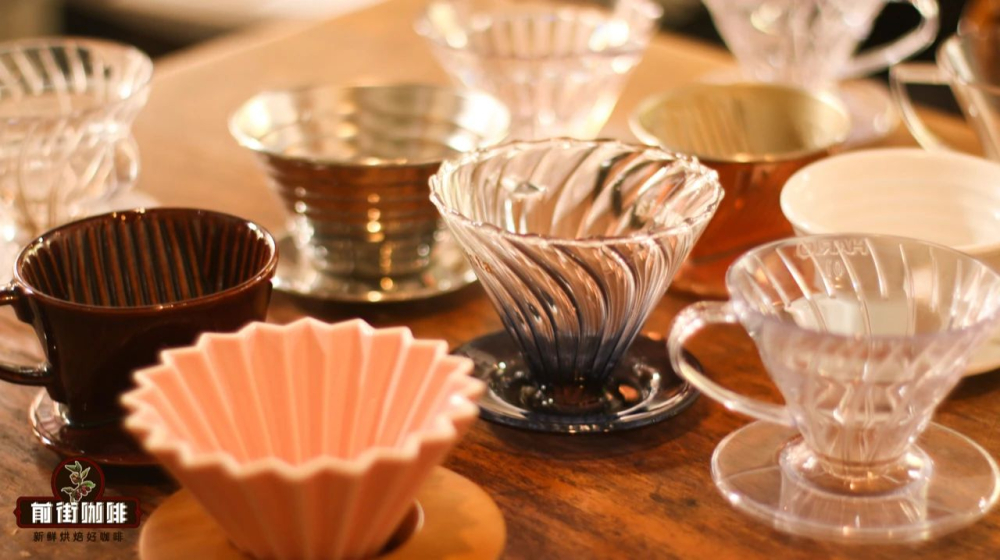
The dripper can be considered one of the souls of the pour over setup. Even though all you technically need to start a pour over journey is a gooseneck kettle, filter paper (or metal filter), dripper, and coffee grounds, the wide variety of dripper designs often leaves beginners unsure where to begin. Which dripper brings out the coffee’s body? Which design better showcases fruity notes and acidity? Understanding the types, materials, and suitable scenarios for drippers is the first step toward optimizing your pour over coffee experience.
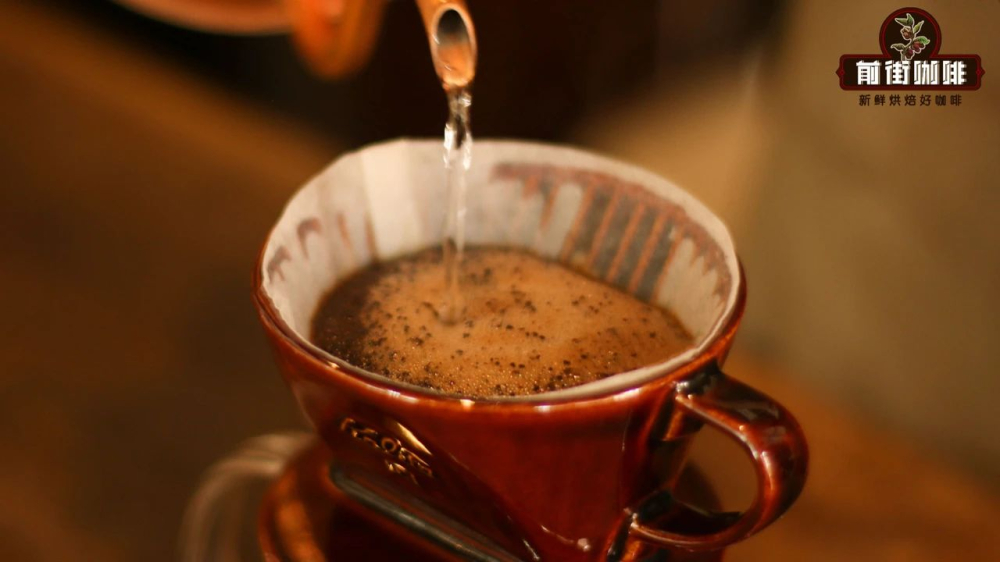
First up is the classic fan-shaped dripper, also known as trapezoid or square-shaped dripper. These drippers typically feature a bottom design with one, two, or three holes, resulting in a relatively slower flow rate and thus a longer overall extraction time. It’s important to pay attention to how well the filter paper fits the dripper—before brewing, it’s recommended to wet the filter paper with hot water and ensure it adheres tightly to the cup walls and bottom to avoid bypass filtration, which can affect extraction evenness. Fan-shaped drippers originated from the coffee filter system invented by Melitta Bentz in 1908, initially featuring a single hole. After multiple improvements, multi-hole versions emerged. The number of holes directly affects the flow rate—for example, a single-hole design is suitable for coffees where balanced flavor is desired, such as Blue Mountain No.1, a bean with rich flavor layers, which can achieve more balanced acidity and sweetness through a slower flow rate.
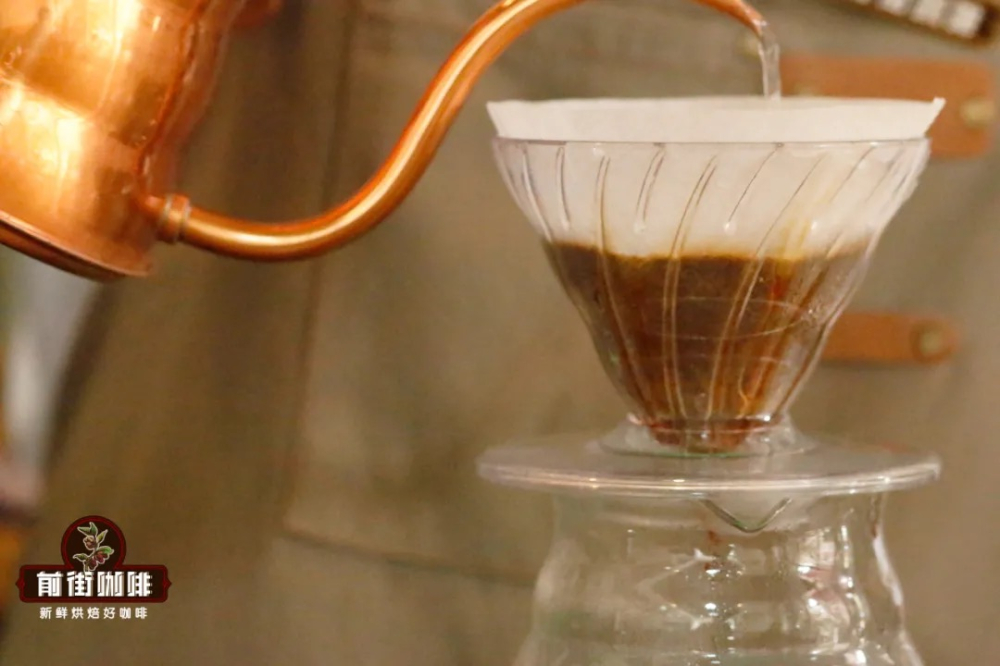
Another major category—the cone-shaped dripper—differs most notably from the fan-shaped dripper in terms of coffee bed distribution and channel/groove design. The coffee bed in a cone-shaped dripper forms an inverted triangle from top to bottom, thick in the center and thin around the edges, which helps extract a more concentrated flavor. The channels or grooves are key to influencing flow rate. For instance, the KONO dripper features grooves only on the lower half of the cup, with the upper portion of the filter paper pressed tightly against the walls, using a siphon-like principle to slow the water flow. This design suits medium-to-dark roasted, full-bodied beans, such as Golden Mandheling or Brazil Cerrado, enhancing richness and deeper tones. In contrast, the Hario V60 is renowned for its full-cup spiral grooves and comes in various materials including resin, glass, metal, and ceramic. Its wide-bottomed design and smooth grooves accelerate filtration, making it ideal for bright, fruity coffees—like sun-dried beans with berry or citrus notes—that can showcase clearer layers and complexity.
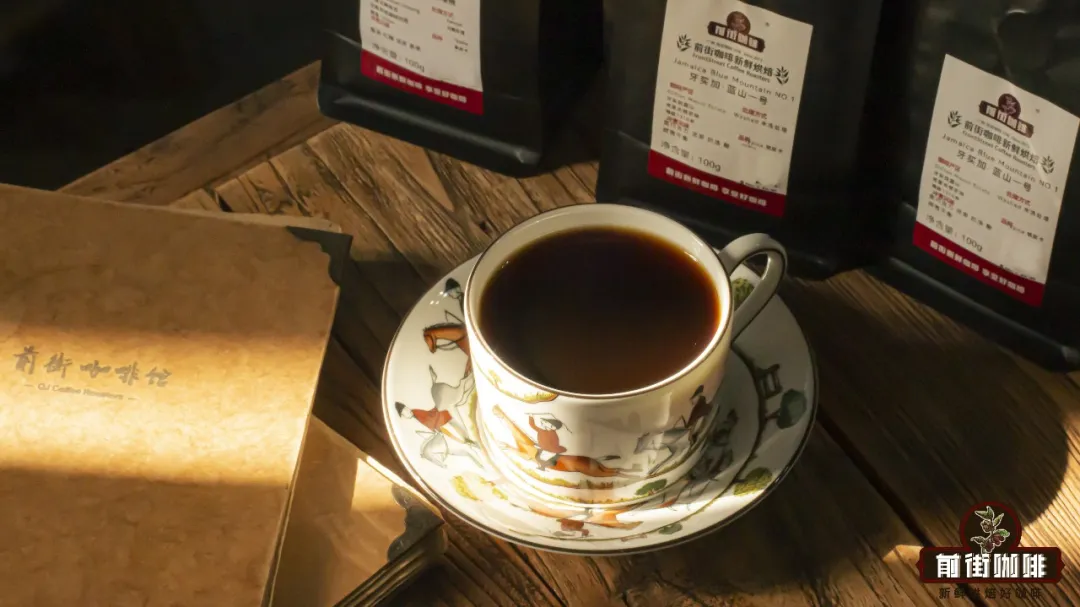
The origami (folded) dripper is a standout, innovative design that has garnered much attention in recent years. Not only does it have a sleek, modern appearance, but it also offers high compatibility. This dripper can use both cone-shaped and flat-bottom (cake) filter papers, providing two distinctly different brewing experiences. When using cone-shaped filter paper, the 20 ridges inside the dripper effectively guide the water flow, accelerating the draw-down speed—making it suitable for washed beans where acidity and aroma are emphasized, such as those from the Alo village in Yirgacheffe. If you switch to cake filter paper, the flat bottom structure and improved contact between the paper and dripper help the coffee grounds steep more evenly, enhancing body and sweetness. This makes it highly suitable for sun-dried beans, such as the Hamashu or Hua Kui series, bringing out richer caramel and fruit sweetness.
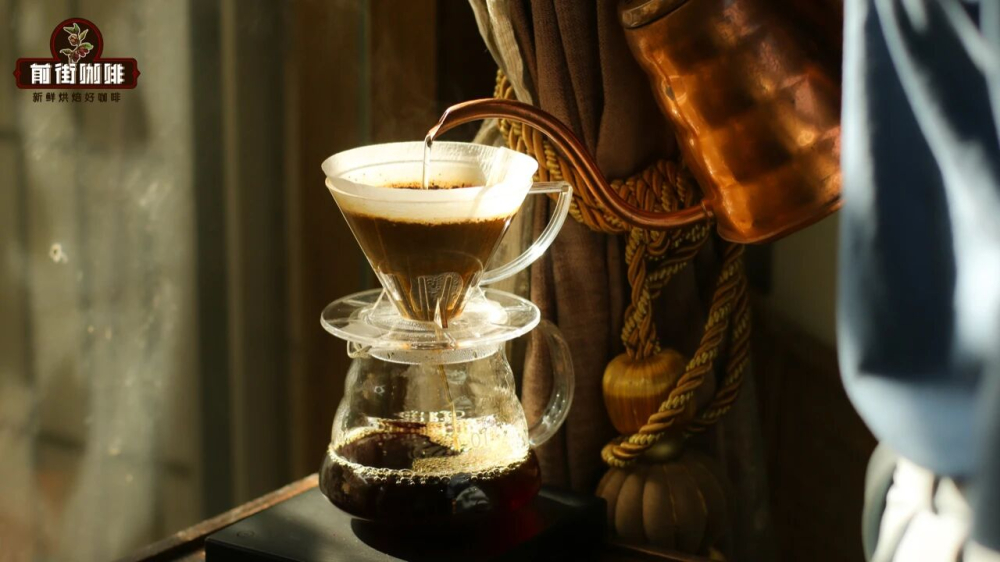
The wave dripper, also known as the cake dripper, is a patented design by KALITA. Its most distinctive visual feature is the folded filter paper that resembles cake layers. This type of dripper uses a flat bottom structure paired with wavy grooves instead of traditional straight ones, allowing hot water to penetrate the coffee bed more evenly. It has a relatively low barrier to entry, making it very beginner-friendly. However, its dedicated filter paper is more expensive—about twice the cost of standard filter paper—which is a factor to consider when choosing. The wave dripper employs immersion-style extraction, enhancing the coffee’s round mouthfeel and body. It’s particularly well-suited to medium-roasted beans with pronounced fruity notes, such as Sidamo, strawberry sugar, or blackberry flavors, delivering a rich, layered profile reminiscent of fruit wine, along with a lingering aftertaste.
Metal drippers are another classic option. Compared to paper filter drippers, metal’s larger pores retain more coffee oils, giving the brew a fuller body and richer mouthfeel. However, because the filtration is less fine, extremely fine particles can enter the cup. It’s recommended to use a fine particle filter or let the coffee settle before drinking to achieve a purer taste. Metal drippers are easy to clean and reusable, making them suitable for long-term use. But it’s worth noting that different materials vary in their ability to retain heat, which can affect overall extraction stability.
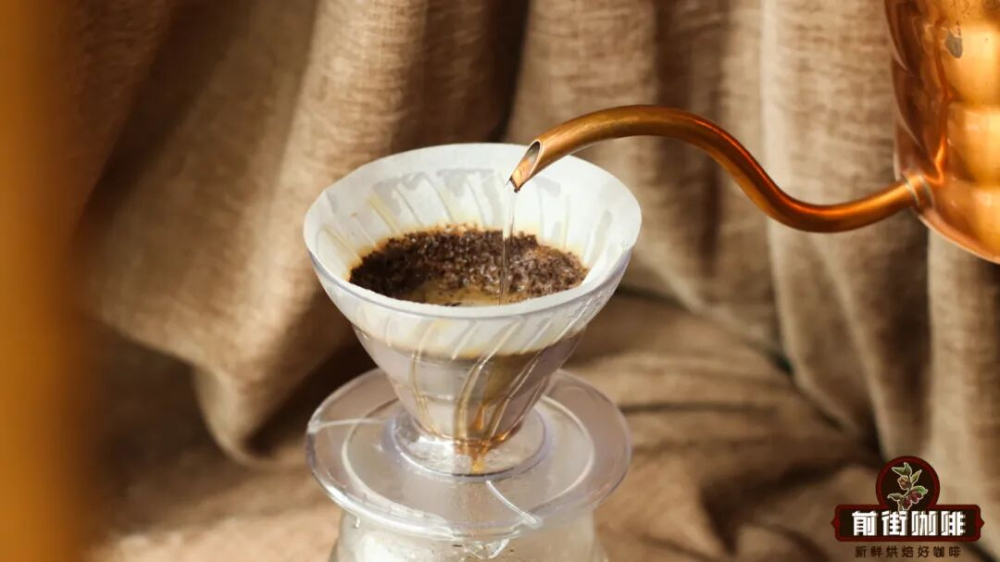
Finally, the choice of dripper material also impacts extraction performance. Common materials include ceramic, resin, plastic, stainless steel, and glass, each with distinct specific heat and heat retention properties. For example, ceramic drippers, due to their thicker construction, offer better heat retention than plastic, helping maintain stable water temperature during extraction. If you notice a significant change in flavor after switching materials—such as becoming overly bitter or flat—it’s worth checking your water temperature and grind size settings, and making timely adjustments to match the new dripper’s extraction characteristics. Choosing the right dripper not only enhances the consistency of your pour over coffee, but also allows each bean to fully express its unique terroir.
The above content is compiled by CoffeeHunters, a coffee news website.


