







Introduction:Cold drip coffee extracts unique wine-like notes and fruity aromas through low-temperature slow brewing, but controlling every step is essential to avoid off-flavors and achieve a clear, layered cup. This article details the six core steps—from bean selection, grind size, coffee-to-water ratio, drip rate control, to maturation fermentation—and provides practical parameter recommendations and common troubleshooting tips to help you consistently brew high-quality cold drip coffee at home.
Thanks to its low-temperature slow extraction, cold drip coffee delivers a rich, wine-like body and bright fruity acidity, making it a favorite among coffee enthusiasts. However, successfully replicating this unique flavor at home requires mastering everything from bean selection to grind size, coffee-to-water ratio, drip speed, channel effect avoidance, and even maturation details. This article will comprehensively introduce the six key steps of cold drip coffee, along with specific parameters and practical advice, guiding you step-by-step to master this slow-brewing art.
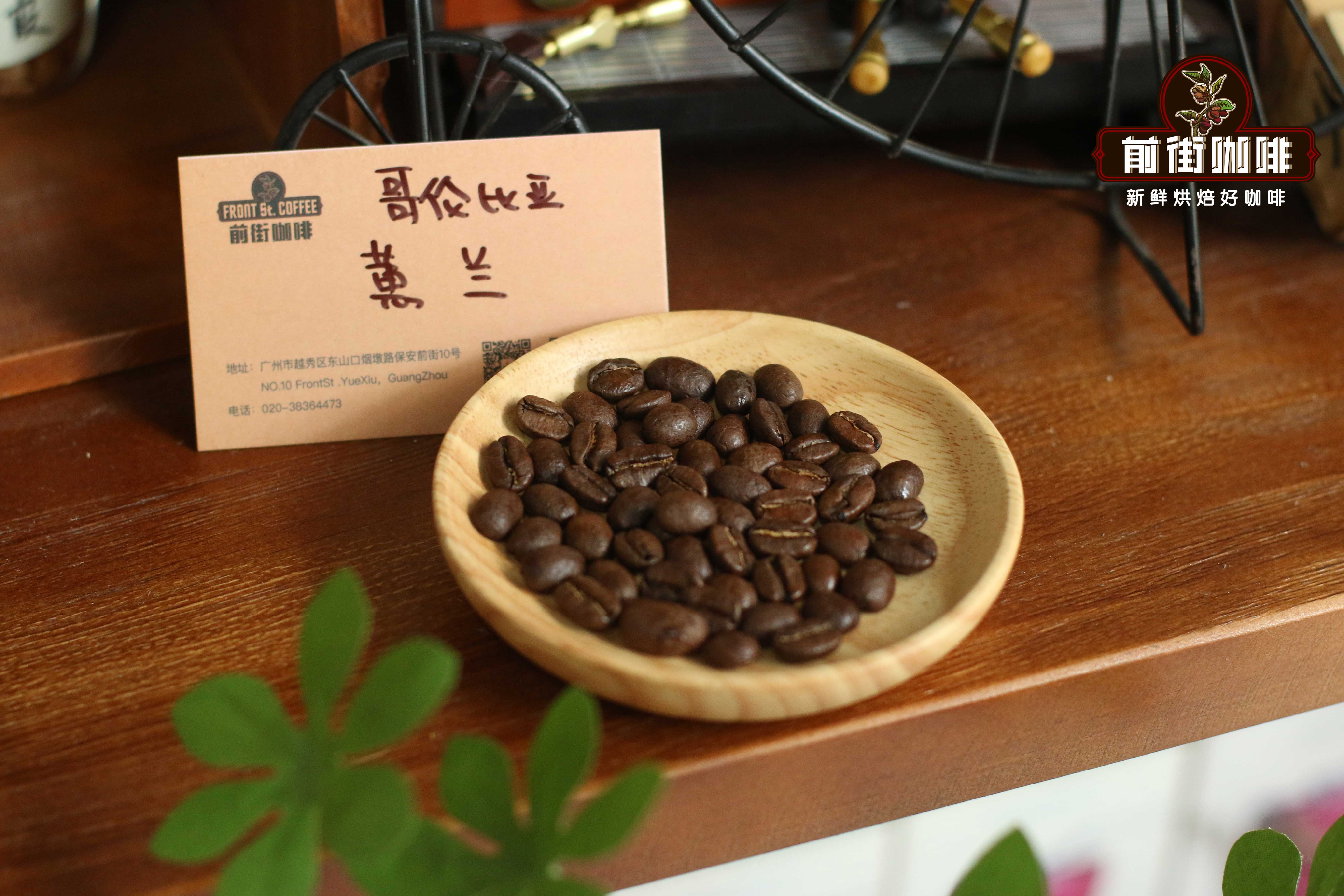
The first step is selecting the right coffee beans. Cold drip involves long-duration, low-temperature extraction, so medium to medium-dark single-origin beans are recommended—such as those from Brazil or Central and South America. This roast level balances flavors and avoids excessive bitterness. If you prefer cold drip with pronounced fruitiness and intense wine-like character, opt for beans with fermentative traits, such as those with sherry cask notes or sun-dried, fruit-forward coffees with bright acidity. Generally, high-quality single-origin beans from renowned roasters—like Honduran Sherry, Colombian Flower Moon Night, or Brazilian Queen Estate—are great starting points. Note that dark or French roast beans, with their intense and often harsher flavors, are unsuitable for cold drip, as they can result in an overly heavy or burnt-tasting cup.
The second step is determining the grind size. The grind for cold drip coffee is similar to that of pour over, recommended between settings 3 to 5 on your grinder—roughly equivalent to the texture of Taiwanese Rock Sugar No. 2. Grinding too fine will drastically slow water flow through the coffee bed, not only prolonging extraction time but also risking over-extraction and an overly intense taste. Conversely, grinding too coarse will make the water pass too quickly, resulting in a thin, dull flavor. A moderate grind ensures even water penetration, bringing out the intended layers and balance of the coffee.
The third step is mastering the coffee-to-water ratio. The generally recommended range is 1:10 to 1:12, which can be fine-tuned based on personal preference for strength. Additionally, if you want to maintain a low temperature during extraction, consider adding about 30 grams of ice cubes to the water. A special note: if using freshly roasted coffee beans within 7 days of roasting (which are more absorbent), reduce the coffee amount by about 5 to 10 grams to keep the coffee bed around 80% full in the container. This prevents overflow due to expansion after absorption, which could disrupt the overall extraction process.
The fourth step is pre-wetting and avoiding the channel effect. Before starting the cold drip, you can pre-wet the coffee grounds with room-temperature water. Using a ratio of 600 grams of coffee to 1200 milliliters of water as an example, start by evenly sprinkling water in about three clockwise circles from the center of the coffee bed to fully saturate the grounds. This step helps ensure even penetration of the ice water later, preventing localized over- or under-extraction caused by channel effects. Additionally, covering the coffee bed with filter paper or a fine mesh sieve can further improve extraction uniformity.
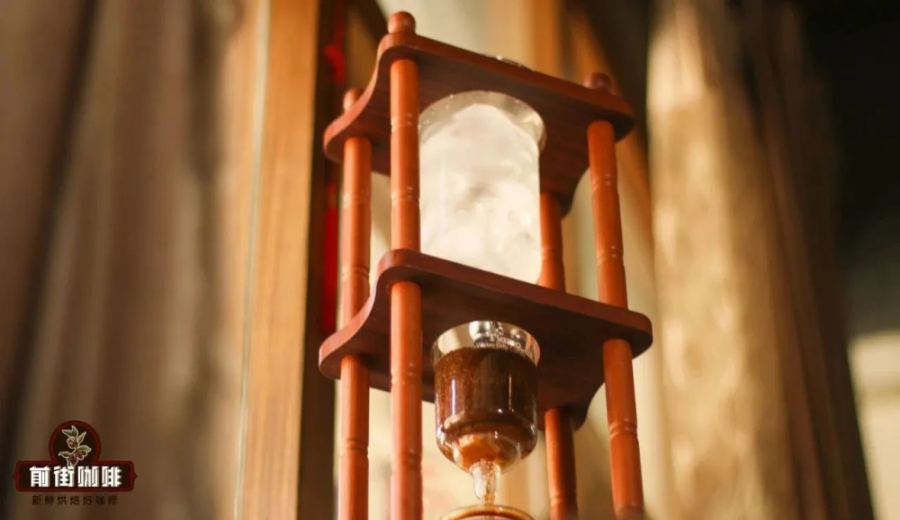
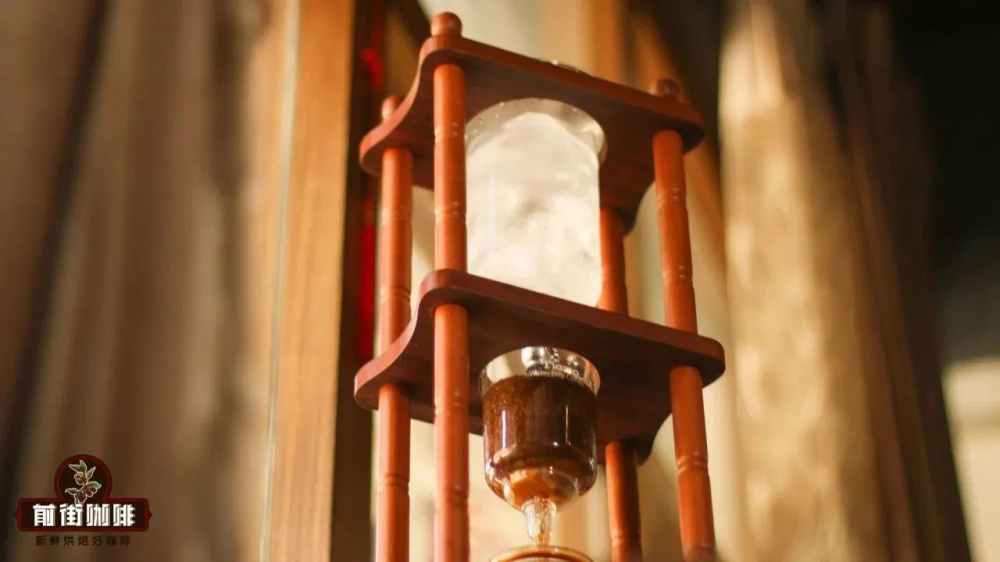
The fifth step is adjusting the optimal drip rate. Place the coffee grounds in the middle chamber of the dripper, pour the ice water into the upper water reservoir, and then adjust the valve to allow water to drip at a steady rate of 5 to 7 drops per 10 seconds. This speed ensures sufficient extraction without over-extraction from too fast a drip or unnecessarily prolonged brewing from too slow a drip. A complete cold drip process typically takes about 6 to 8 hours. If your cold drip device lacks an adjustable valve, you can use all ice water and place the entire setup in the refrigerator. The natural flow rate will usually still maintain the ideal 5 to 7 drops per 10-second pace.
The sixth step is enhancing flavor through maturation techniques. Although freshly dripped cold brew already has a refreshing taste, allowing the coffee to mature can yield a richer, more layered flavor. Pour the coffee liquid into a clean glass container, seal it with plastic wrap or simply cap the bottle, and let it rest in the refrigerator for 2 to 3 days. Depending on the beans used, this process may naturally develop wine-like, berry, or other complex flavors, adding depth and a more lingering finish to your cold drip coffee.
The above content is compiled by CoffeeHunters, a coffee news website.


