







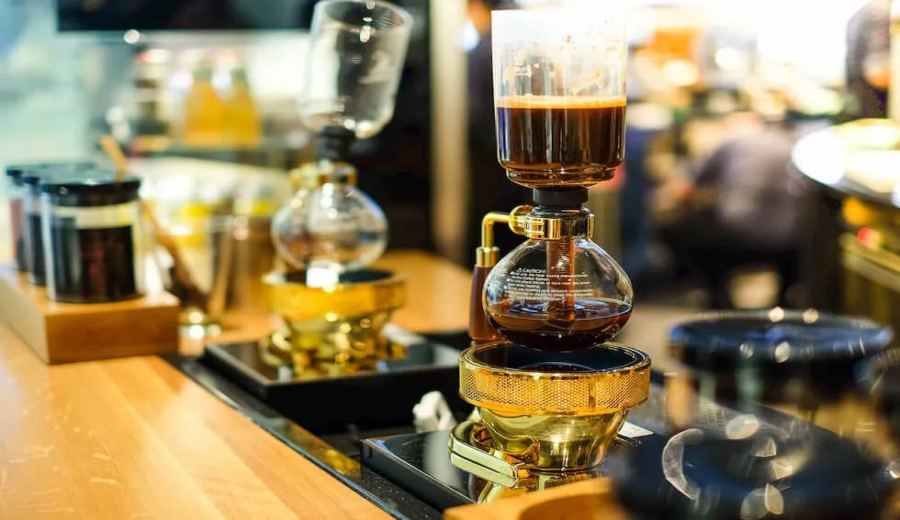
Introduction:The siphon (vacuum) pot is not only a classic among coffee brewing devices but also widely admired for its unique visual effect and extraction method. This article delves into the scientific principles behind siphon coffee, from the device’s structure, water temperature control, grind size, to coffee-to-water ratio, guiding you step-by-step through the standard operation process. It also recommends several coffee beans well-suited for siphon extraction, covering fruity, full-bodied, and fermented flavor profiles to help you find your perfect match.
With its lab-instrument-like appearance, the siphon pot often appears in nostalgic films or TV dramas, exuding a mysterious vibe that blends science with coffee. For homebrew enthusiasts, it’s not just a tool but an extraction method that emphasizes the balance between technique and flavor. This article will detail the siphon pot’s structural principles, key extraction parameters, provide practical operation steps, and recommend several coffee bean options based on different flavor preferences—helping you master it from beginner to advanced levels.
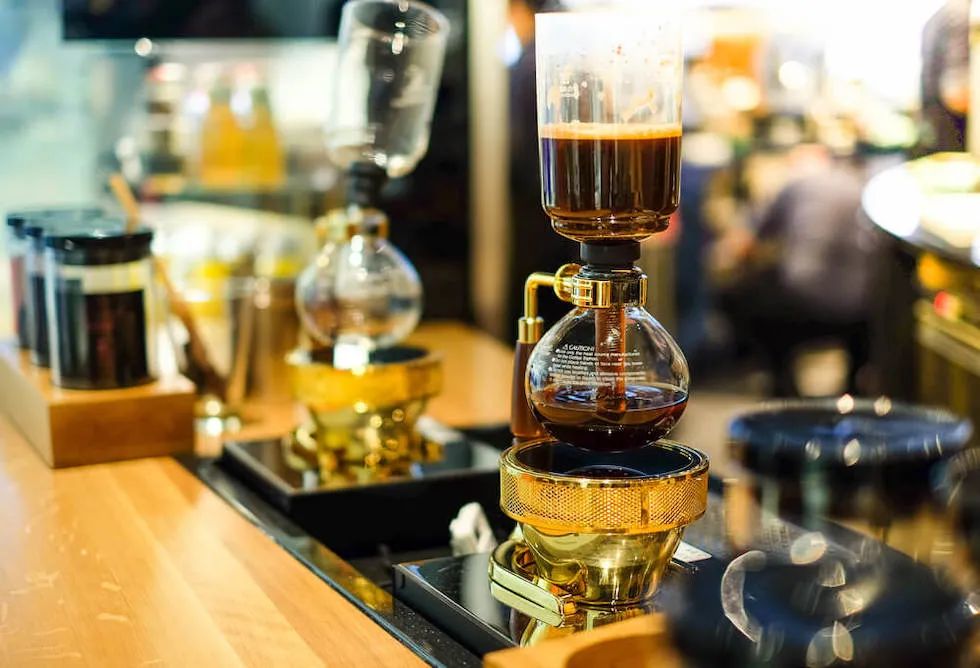
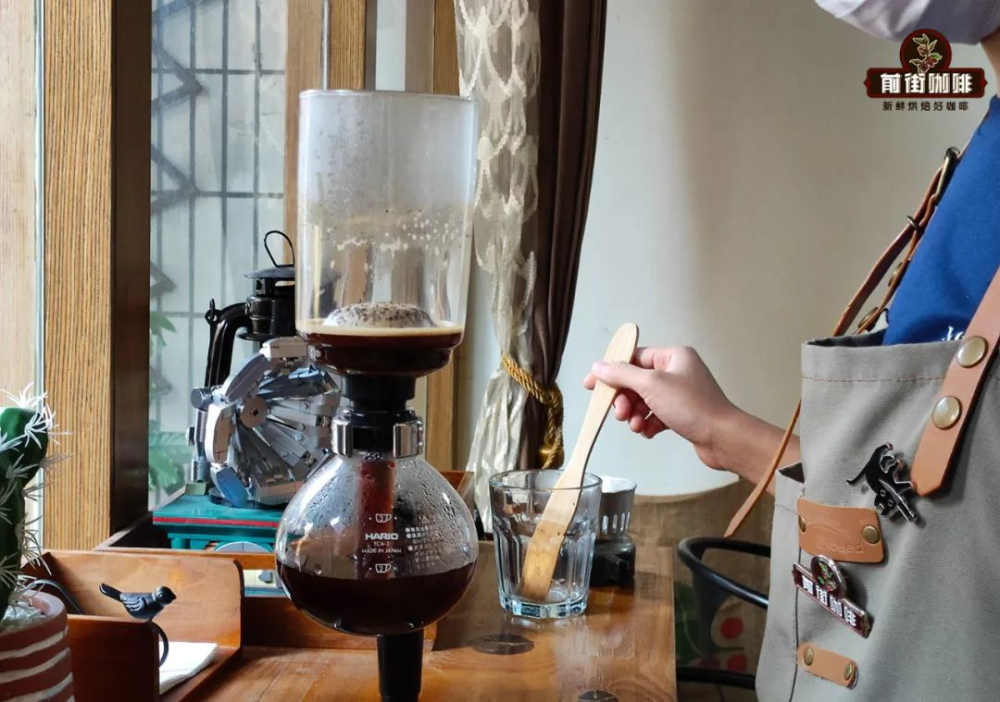
The siphon pot mainly consists of two chambers (upper and lower) and a stand. The lower chamber is typically spherical for even heat distribution during heating, while the upper chamber is cylindrical with a slender siphon tube at the bottom, equipped with a rubber gasket at the connection. When the upper and lower chambers are sealed and heated, the water in the lower chamber generates steam, increasing internal pressure and pushing the hot water up into the upper chamber to mix with the coffee grounds. Once the heat source is removed, the pressure drops, and the brewed coffee flows back down into the lower chamber via the siphon effect, completing the entire process.
Common heating methods include alcohol lamps, gas stoves, and halogen lamps, with the alcohol lamp being a favorite among many baristas due to its stability and ease of control. For filtration, you can choose between a cloth filter or paper filter: the cloth filter retains more coffee oils, enhancing body and richness but requiring more thorough cleaning; the paper filter offers a cleaner cup, ideal for those who prefer a clearer taste. Additionally, a complete siphon setup should include a stirring spoon and a clean damp cloth—the latter plays a crucial role in speeding up the coffee’s return flow.
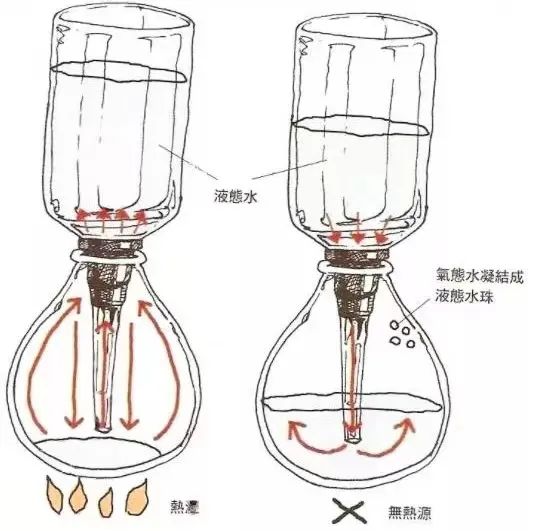
The siphon coffee extraction principle relies on pressure difference: heating the lower chamber boils the water into steam, increasing pressure to push the water up into the upper chamber where it mixes with the coffee grounds. After a period of immersion and stirring, the heat source is removed, allowing the brewed liquid to naturally return to the lower chamber due to the pressure change. Using a damp cloth to cool the lower chamber can further accelerate the return flow. The total extraction time is generally controlled around 1 minute and 10 seconds, a key parameter influencing flavor expression.
In practice, it’s recommended to use water at 88°C, paired with a medium-fine grind passing 90% through a #20 sieve, with about 18 grams of coffee and a coffee-to-water ratio of 1:10. First, pour 180 ml of warm water into the lower chamber, dry the outer wall, then ignite the alcohol lamp to heat. Remove the upper chamber, install the cloth filter and secure the hook, then tilt-insert the upper chamber into the lower one. When small continuous bubbles appear in the lower chamber, straighten the upper chamber to ensure a tight seal.
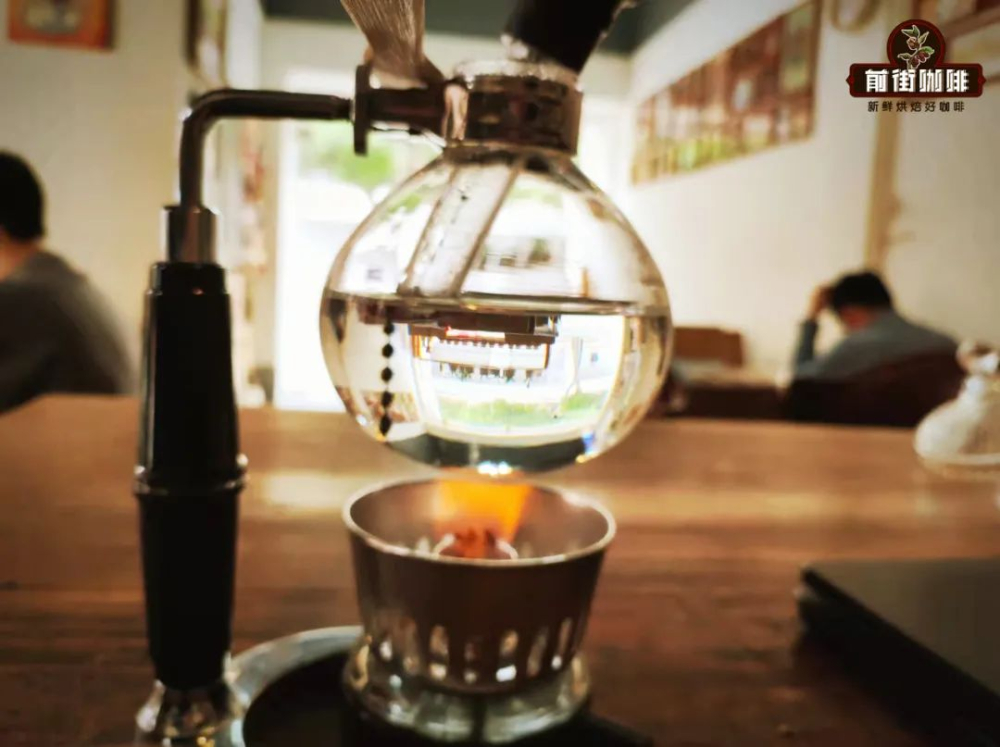
Once the water fully rises into the upper chamber, add the coffee grounds, gently stir clockwise from the outside in for 10 seconds to ensure even saturation. At the 40-second mark, stir again for 5 seconds, then remove the heat source. The coffee liquid will gradually flow back down. Wiping the outer wall of the lower chamber with a damp cloth helps speed up the return flow. The overall extraction time is advised to stay around 1 minute and 10 seconds—too long or too short may affect the final flavor.
Once completed, gently remove the upper chamber and pour out the coffee from the lower chamber for tasting. This brewing method produces coffee with rich aroma and a natural oily layer. Though not as clear as pour over coffee, it boasts a full-bodied, layered taste, considered a classic flavor by many coffee lovers.
Traditionally, siphon coffee is often paired with medium to dark roast beans to highlight rich, bold chocolate and nutty notes. For example, medium to dark roasts of Brazilian, Indonesian, or Blue Mountain-style beans are solid choices. However, with the rise of specialty coffee, the siphon pot can also showcase the characteristics of various processing methods and roast levels—from bright fruity notes to deep fermented flavors—all finely adjustable.
For those who enjoy bright, sweet-tart flavors, try the sun-dried Yirgacheffe Red Cherry, whose ripe fruit profile becomes even more vibrant under siphon extraction—sweet, tangy, and almost free of bitterness, like sipping a tropical fruit tea. If you prefer intense, fermented fruitiness, Costa Rica Mozart, processed with raisin honey, delivers rich notes of rose, raisins, and honey, yielding a rounded, balanced sweet-tart profile after siphon brewing. Meanwhile, the sun-dried Huakui, made from Ethiopian heirloom varieties and lightly roasted, offers citrus and strawberry cream-like aromas—perfect for coffee lovers who love floral and fruity notes.
The above content is compiled by CoffeeHunters, a coffee news website.


