








Introduction:Sidamo is a representative high-quality coffee-growing region in southern Ethiopia, renowned for its diverse processing methods and rich flavor profiles. This article provides an in-depth analysis of the aroma, acidity, and taste differences between washed and natural Sidamo coffees, introduces the origin of the Guji-Hambela zone and the famous Huakui bean, and covers the current status of the West Arsi zone and smallholder farmer cooperation models. It also offers professional pour-over brewing parameters, as well as flavor profiles of popular beans such as natural West Arsi and Huakui 5.0 — an essential beginner's guide to exploring Ethiopian coffee.
When it comes to specialty coffee from Ethiopia, many people first think of the washed Yirgacheffe, whose bright and refreshing floral and fruity notes are often described as pleasant as drinking fruit tea. However, the Sidamo region, also from Ethiopia, stands out with its more diverse processing methods and varied flavors, especially the natural lots, which are more commonly seen in the market. Currently, the beans supplied from this region are mostly processed naturally, as they tend to exhibit more intense flavor concentration, sweetness, and fermentation layers, delivering a juice-like body upon entry.

Sidamo and Yirgacheffe are both located in the southern highlands of Ethiopia, but they differ significantly in processing methods and flavor expression. Yirgacheffe is dominated by refined washed processing, while Sidamo has developed both washed and natural techniques. Generally speaking, natural beans show more pronounced aroma intensity and sweetness, sometimes accompanied by subtle earthy undertones; washed beans exhibit a nutty and lightly cocoa-toned aromatic profile. Both offer smooth mouthfeel and well-structured acidity, suitable for showcasing single-origin characteristics through light to medium roasts, or as premium bases for medium-dark blends or espresso.
The appearance of Sidamo green coffee beans is usually somewhat grayish in color, with inconsistent bean size, which relates to its diverse growing environments. Its acidity ranges from soft to bright, body varies broadly from light to full, and it combines sweetness with mildly spicy aromas, embodying the typical traits of courtyard-grown coffee from southern Ethiopia. Compared to other African regions, Sidamo’s fruit acids are clearer and brighter, with a smooth mouthfeel and delicate floral notes, offering a rich yet balanced flavor complexity.
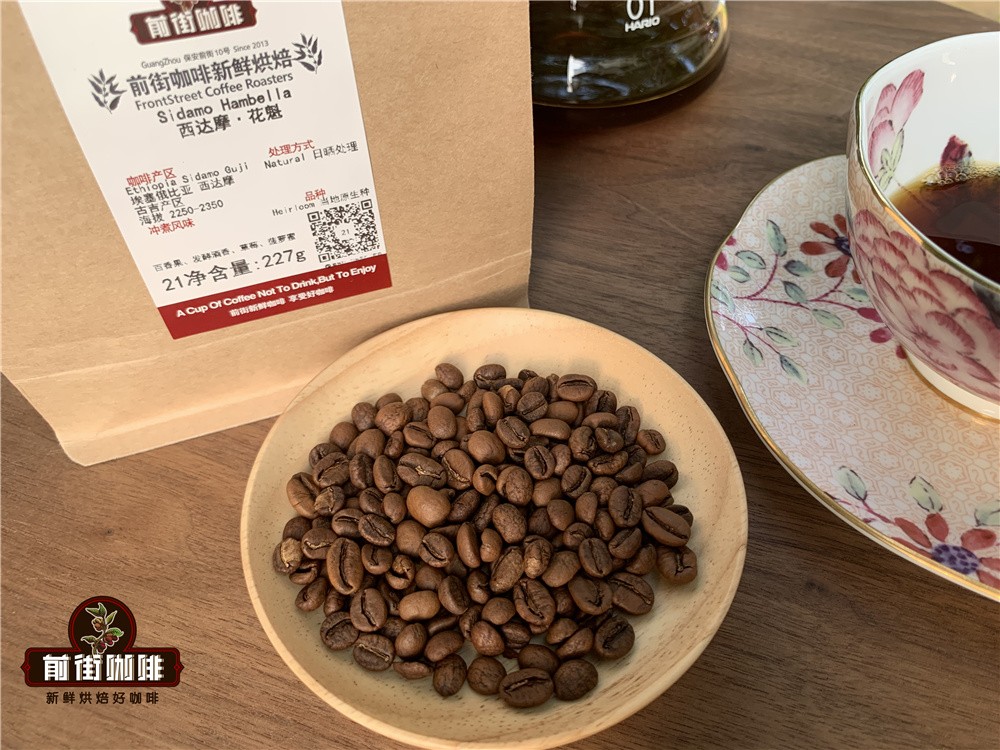
Ethiopia is not only one of the birthplaces of global coffee culture but also the world’s sixth-largest coffee producer. Statistics show that in 2018, approximately 100 million people worldwide were directly or indirectly involved in the coffee industry, of which Ethiopians accounted for 20%. In 2017, the country produced about 470,000 tons of green coffee beans, exporting around 160,000 tons, indicating considerable domestic consumption as only about half of the production is exported.
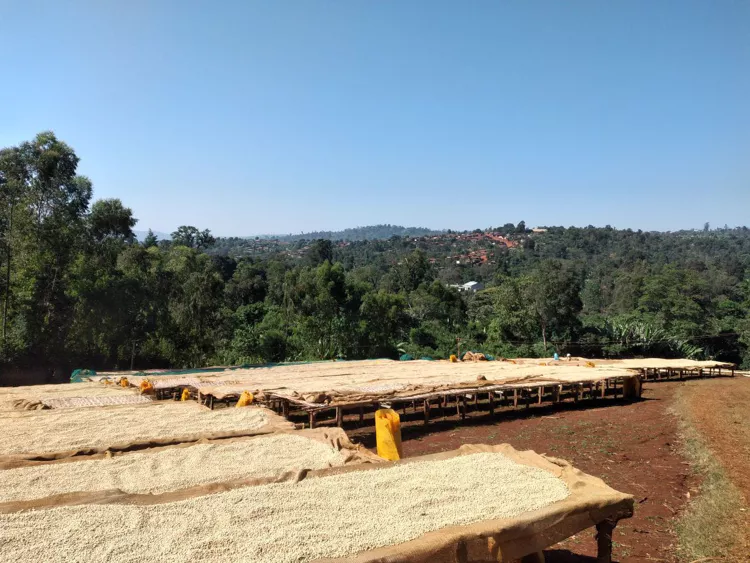
Coffee farming in Ethiopia is mainly concentrated in the western and southern regions, with over half being grown using the so-called "garden coffee" smallholder model — families intercropping coffee with other crops like banana trees in their backyards, with an average farming area of at least 4 hectares per household. This model not only sustains the local economy but also shapes Ethiopia’s unique regional flavors. Due to limited individual yields, local cooperatives or processing stations centralize production. Farmers deliver harvested coffee cherries to nearby processing sites with access to water, which are then sold under the name of the processing station to ensure quality and traceability.
The Sidamo region was established in 1942, gradually taking shape after Ethiopia gained independence from Italian rule, and its name originates from the indigenous Sidama ethnic group. This area is known for its full body, complex aromas, and bright acidity, making it especially appealing to coffee lovers who enjoy multifaceted flavor layers. Cupping experiences show that Sidamo coffee often features intense sweetness and delicate aftertastes, with well-known beans such as Sidama and Huakui originating from this zone. Additionally, the region boasts a rich variety of soil types, microclimates, and native varieties, along with diverse terrain including high mountains, plateaus, valleys, and plains, all contributing to its diverse flavor potential. Its volcanic soils are fertile and well-drained, with deep layers that provide an ideal environment for coffee growth.
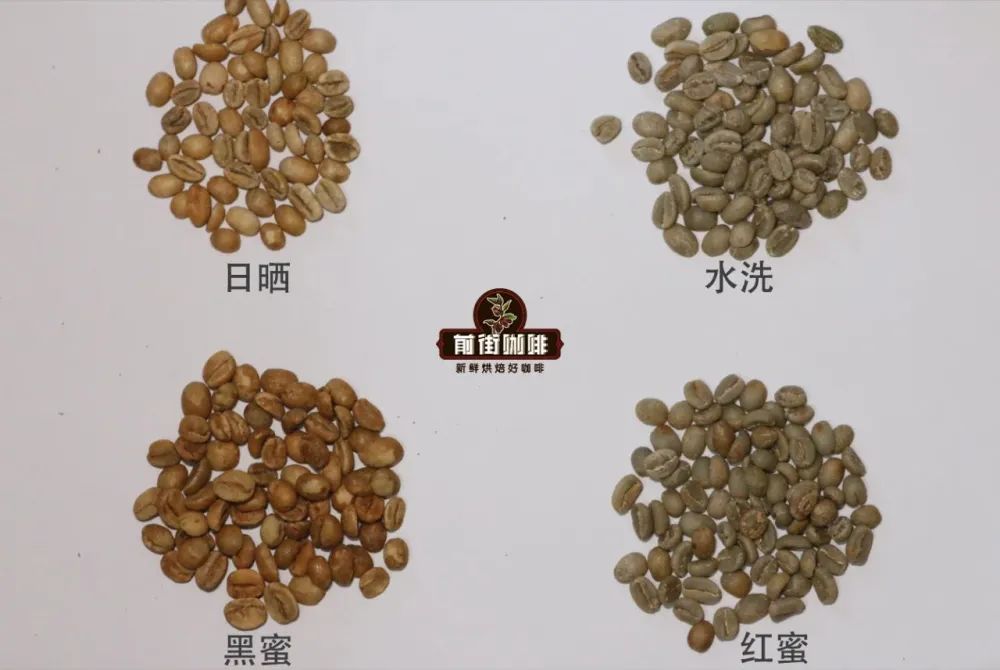
When mentioning Sidamo, one cannot overlook the famous Guji-Hambela sub-region and the locally produced “Huakui” series of beans. Guji is Ethiopia’s largest coffee-producing zone, located in the Oromia Region. It was once part of Sidamo but was designated as an independent zone by the Ethiopian Commodity Exchange (ECX) in 2010. Hambella is an important sub-region under Guji, adjacent to Yirgacheffe’s Kochere, with a 3,200-meter-high plateau separating the two areas, resulting in significant day-night temperature variation that benefits the concentration of specialty coffee flavors. Hambella also borders other sub-regions such as Shakiso, Uraga, and Kercha, making it one of Ethiopia’s highest-altitude coffee-growing areas.
Hambella is home to nearly 20 processing stations of varying sizes. Among them, Buku Abel processing station won the Ethiopian championship in the 2017 TOH (the Taste Of Harvest) green coffee competition with a natural lot. The green beans from this lot were later introduced to China by Beijing trader Hongshun, helping Li Jianfei win the runner-up position in that year’s China Brewers Cup. Because of its outstanding performance among numerous Gesha entries, it was hailed as “Huakui,” symbolizing it as the crème de la crème, much like the top geisha in a lineup. Subsequently, DW Company added several processing stations in Dimtu, the core area of Hambella, including Buku Abel, Buku Saysay, Haro Soresa, and Tirtiro Goye, with an annual output of about 1,100 tons. It should be noted that only the natural lots produced by Buku Abel are considered the continuation of the original “Huakui” flavor. In addition, DW has released versions from Huakui 2.0 to Huakui 8.0 over the years to distinguish the unique flavors arising from annual climatic variations.
West Arsi (West Arsi) is a sub-region on the western side of Sidamo, located between Yirgacheffe and Harrar, with its name derived from the Oromo people, a major ethnic group in the area. The zone consists of three administrative districts: Arsi, Bale, and East Shewa, where the Oromo people make up about 88.52% of the population. They are considered one of the earliest ethnic groups to consume coffee, giving this region a special place in coffee history. Coffee in West Arsi is still primarily cultivated by smallholders, with an average farm size of about 2 to 3 hectares — slightly larger than the 1.5 to 2 hectares common elsewhere in Ethiopia. Although technology is still developing, local farmers mostly rely on family labor for harvesting, which allows stricter quality control. Processing stations often provide additional compensation for red cherries, effectively boosting production motivation.
The bean variety used in Huakui is the Ethiopian native, also known as Heirloom. These varieties are mostly crossbred strains passed down through generations of smallholders, possibly shared among neighbors, inherited from the land, or exchanged between different regions. As it is not a single variety, Heirloom is actually a collection of multiple coffee hybrids, with each batch potentially differing in bean size, shape, and dimension, resulting in the unique flavor characteristics of a “blended-lot” profile.
The main processing methods for Sidamo coffee are washed and natural. The washed method involves steps such as selection, pulp removal, fermentation, washing, and drying, with final moisture content controlled at around 12%, highlighting citrus acidity and floral aromas. The natural method is relatively simple, involving drying the whole coffee cherry until the desired moisture level is reached, followed by removal of the outer layers. This method often enhances aroma complexity and sweetness. Both techniques have their distinct features and directly influence the final flavor direction.
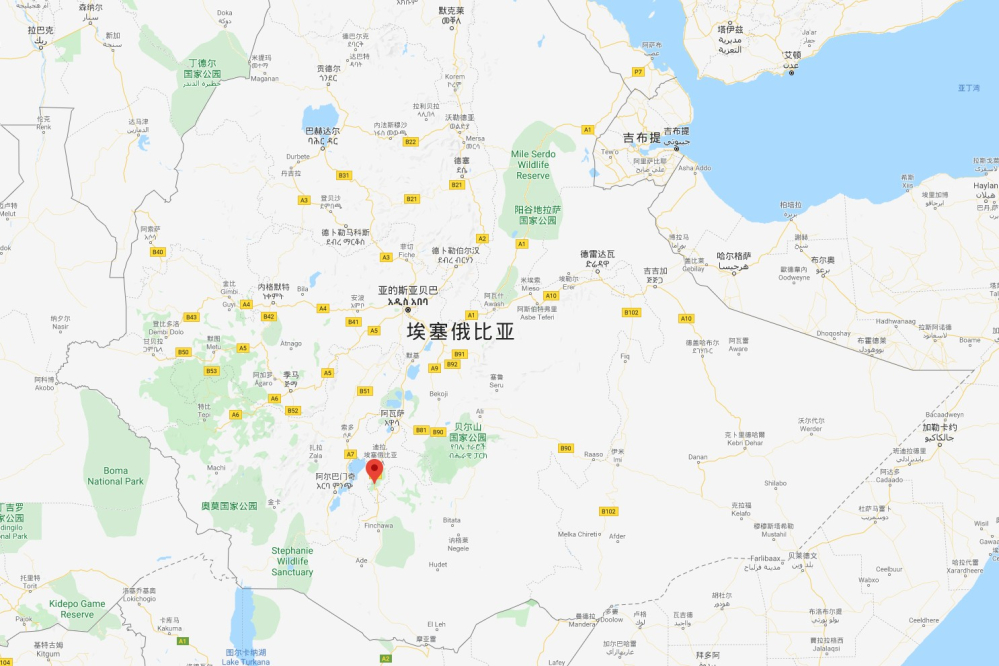
For pour-over brewing of Sidamo coffee, it is recommended to use freshly roasted beans, with optimal flavor typically emerging within 5 days post-roast and after a 4 to 7-day rest period. A V60 dripper is recommended, with a brew water temperature set at 90°C, a coffee-to-water ratio of 1:15, using about 15 grams of coffee ground to a consistency that allows 80% of the particles to pass through a #20 Chinese sieve (approximately the size of fine sugar). The process begins with a 30-second bloom using double the coffee weight in water (about 30 grams) to facilitate degassing, followed by pouring in a circular motion until reaching 125 grams for the first pour, then continuing to 225 grams before stopping. Total extraction time is about 2 minutes. After dripping is complete, gently swirl the cup before enjoying.
In terms of flavor, natural West Arsi coffee often presents aromas of berries and honey, with an entry sweetness as rich as jam, and an aftertaste that hints at the freshness of nectarine, delivering an overall juice-like smooth mouthfeel that becomes even more expressive in plum and nectarine notes upon cooling. Natural Huakui 5.0, on the other hand, highlights bright floral and fruity notes, with interwoven aromas of citrus, passionfruit, strawberry, and oolong tea, complemented by prominent sweetness and rich flavor layers. Comparatively, West Arsi shines with its fruity sweetness and honey-like fragrance when hot, becoming even more juice-forward as it cools; Huakui exhibits stronger fermentation characteristics, with tropical fruits offering a tangy-sweet interplay that delivers an unexpectedly delightful taste experience.
The above content is compiled by CoffeeHunters, a coffee news website.


