







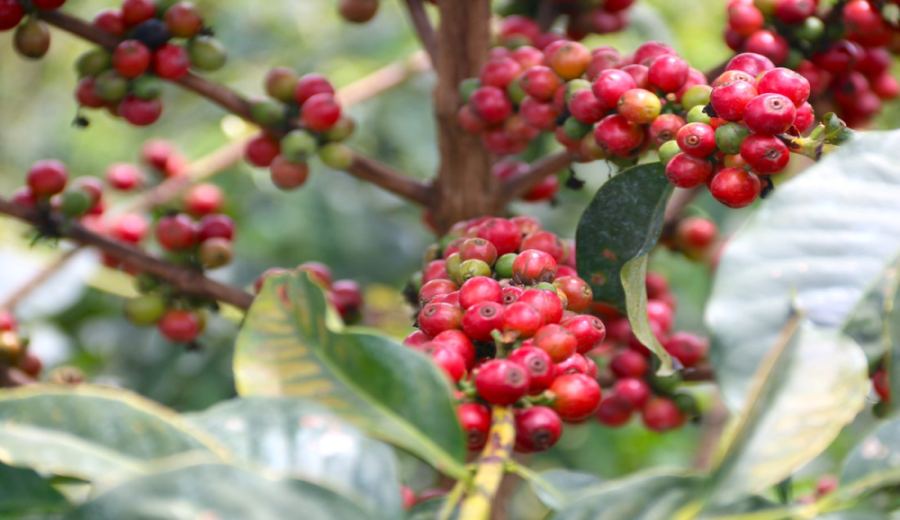
Introduction:Yellow Bourbon is a rare yellow-fruited variety among Brazilian coffees, renowned for its sweet citrus notes and distinctive processing methods. This article delves into its evolution—from its natural mutation origin in 1871, through the official cultivation process by IAC, to the refined natural drying techniques at Fazenda Rainha—analyzing the relationship between sweetness, acidity, and processing methods. It also provides a practical flavor profile and roasting reference to help you fully grasp the essence of this classic bean variety.
In the landscape of Brazilian coffee, Yellow Bourbon stands out with its golden-yellow ripe fruit and captivating sweet orange tones, capturing the attention of specialty coffee enthusiasts. This variety, originating from a natural mutation in the Botucatu region in 1871, initially piqued farmers’ curiosity due to its rare yellow appearance, and now, with its unique flavor profile, it has repeatedly fetched high prices in global auctions. From genetic mutation to the refined processing at Fazenda Rainha, the development of Yellow Bourbon blends scientific research with agronomic wisdom.
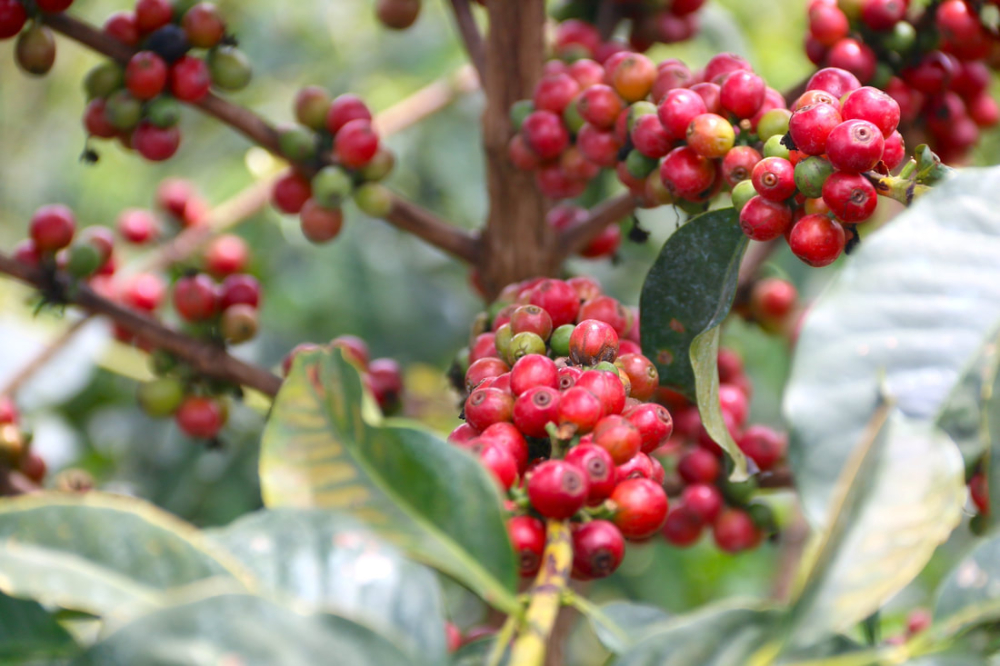
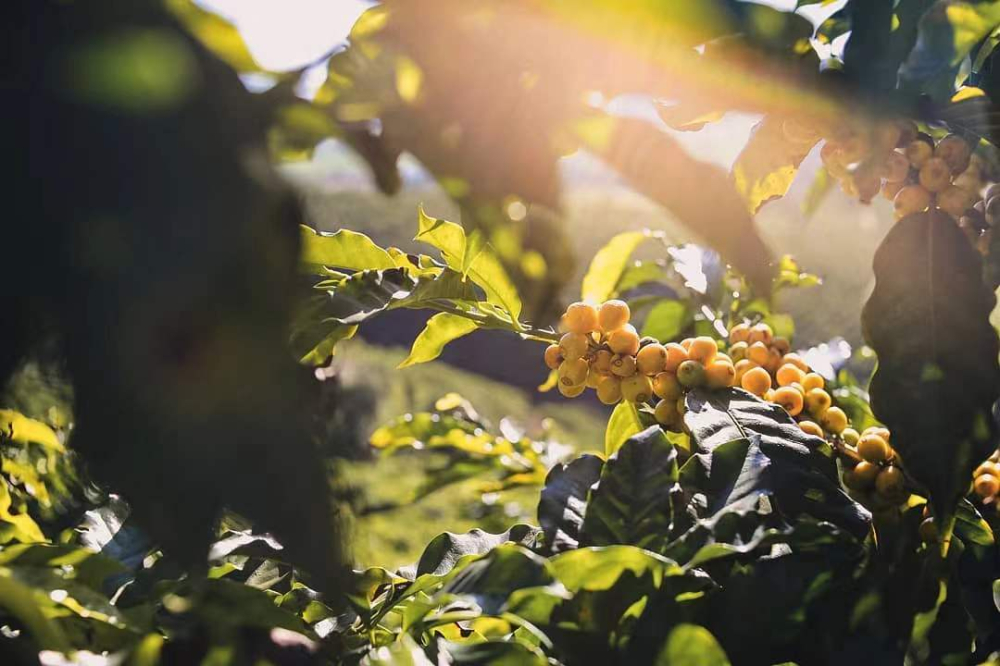
While most coffee varieties ripen to a red color, Yellow Bourbon distinguishes itself with its vibrant yellow hue. This coloration stems from the 'Xanthocarpa' gene combination, derived from the Greek words 'xanthus' (yellow) and 'carpus' (fruit). Scientific studies indicate that when a plant carries two recessive genes (xcxc), the fruit turns yellow and accumulates flavonoids such as luteolin. Notably, yellow fruits generally yield less and are more susceptible to leaf rust, requiring more meticulous cultivation management.
The history of Yellow Bourbon dates back to the 1930s, believed to originate from natural crossbreeding between Red Bourbon and early yellow variants (such as Yellow Botucatu). In 1942, Carlos Arnaldo Krug of the Campinas Agricultural Institute (IAC) conducted the first systematic study on this variety, followed by planting 30 varieties for comparison in the Jaú experimental area over the next three years. Production data from 1951 showed that Yellow Bourbon outperformed multiple control groups, including Typica and Maragogype, laying the foundation for its commercialization. However, due to the industry’s lack of focus on flavor characteristics at the time, this variety was not widely cultivated for many years.
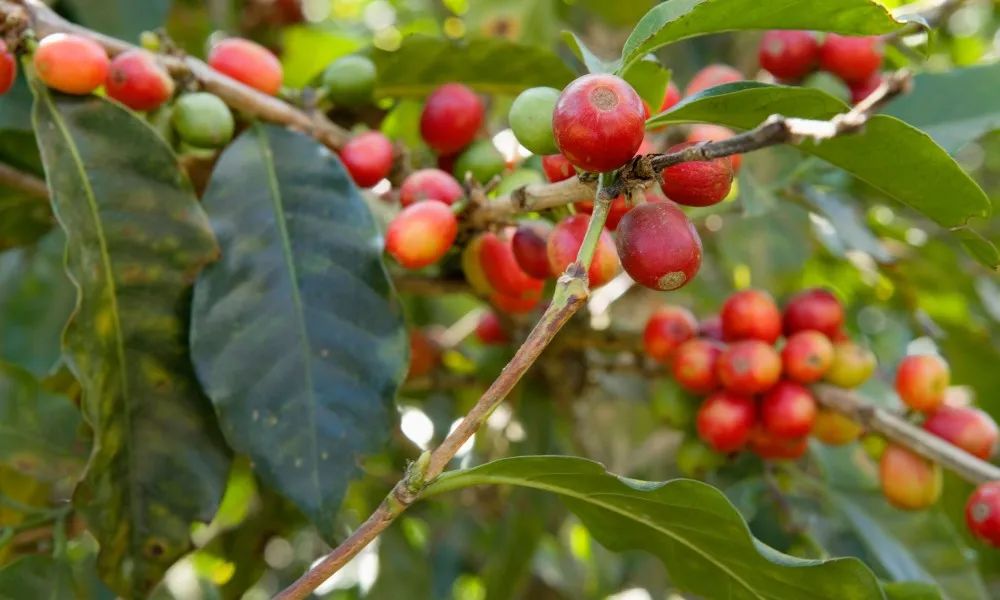
Yellow Bourbon trees can grow up to 2.8 meters tall and are suited for high-altitude regions above 1,000 meters. According to a 1945 survey, only seven of the original 30 strains have survived to the present, highlighting the challenges of its genetic stability. Modern farmers need to pay special attention to its relatively low disease resistance and slower maturation rate, and are advised to adopt shaded cultivation and strict fruit thinning measures. In terms of processing, Brazil’s common semi-washed technique effectively balances sweetness and body, while Fazenda Rainha takes it further by using African raised beds for small-batch, refined natural drying. Through manual turning and moisture monitoring, this enhances the fermentation potential of the mucilage layer.
In terms of flavor, Yellow Bourbon is known for its bright citrus acidity, honey-like sweetness, and raisin-like notes. Research has found that its sucrose content and organic acid ratio directly influence the final taste, while luteolin, though responsible for its unique coloration, is not directly related to flavor. In the 2017 COE competition, a natural Yellow Bourbon scored 92.33, winning the yellow group championship with an auction price of $126 per pound, highlighting its specialty potential.
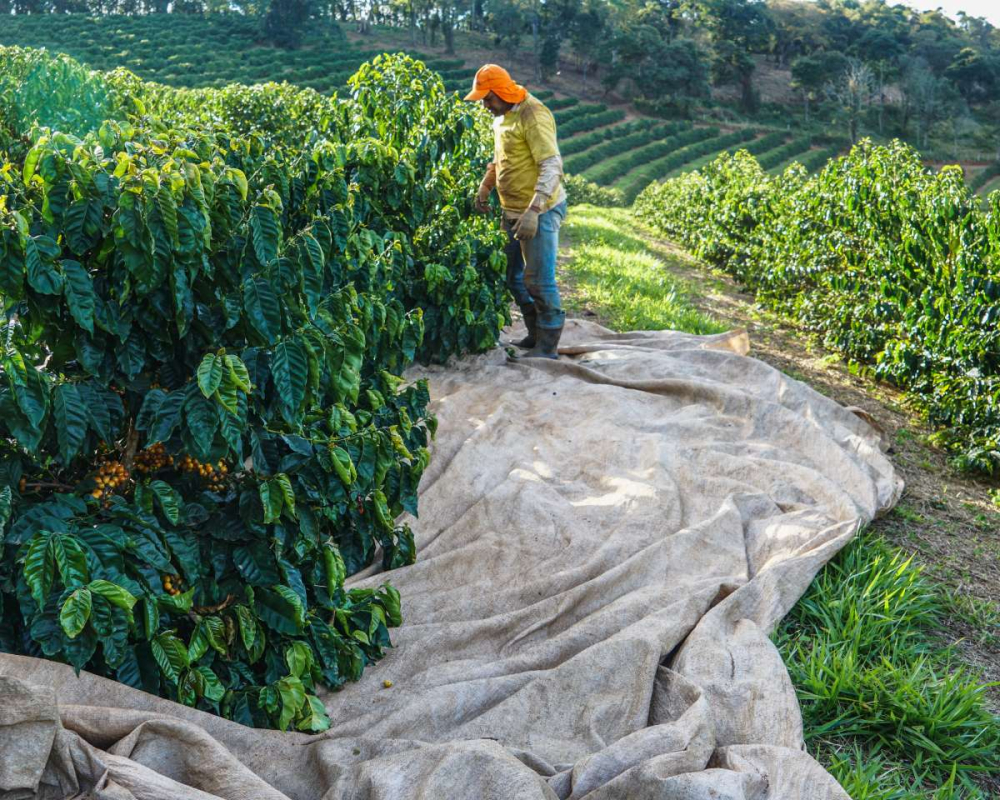
Fazenda Rainha, a Yellow Bourbon specialist in Brazil’s Mogiana region, dedicates 200 of its 280-acre estate to this variety. The farm continues its family tradition of meticulous farming, adhering to hand-picking and small-batch processing. Its natural drying technique places particular emphasis on the even conversion of fruit sugars. A roasting experiment showed that extending the development phase for two minutes after first crack can fully bring out the black chocolate finish and nutty base, while retaining a fresh lemon top note—ideal for pour over enthusiasts who prefer balanced flavors.
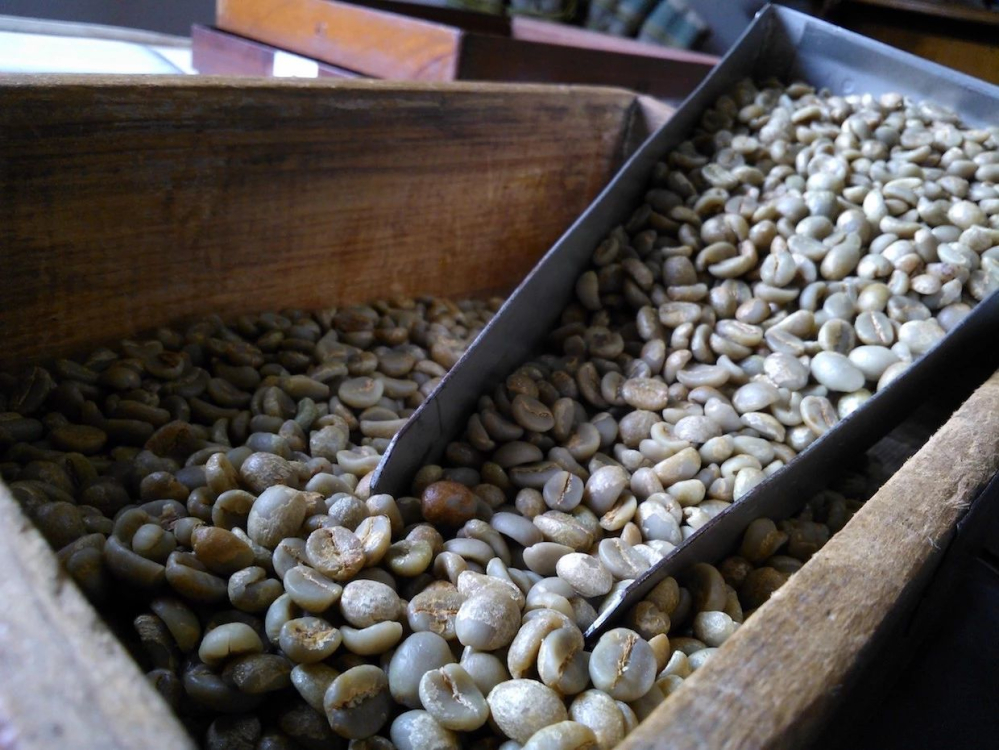
In summary, the success of Yellow Bourbon stems from the perfect combination of genetic advantages and meticulous management. From selecting the appropriate altitude and shade density to employing a slow-rising roasting curve (recommended medium-light roast range), every step influences the final cup profile. For consumers seeking the unique flavor dimensions of Brazilian beans, this variety—blending sweetness and vibrancy—is undoubtedly an excellent starting point for exploring the depth of South American coffee.
The above content is compiled by CoffeeHunters, a coffee news website.


