







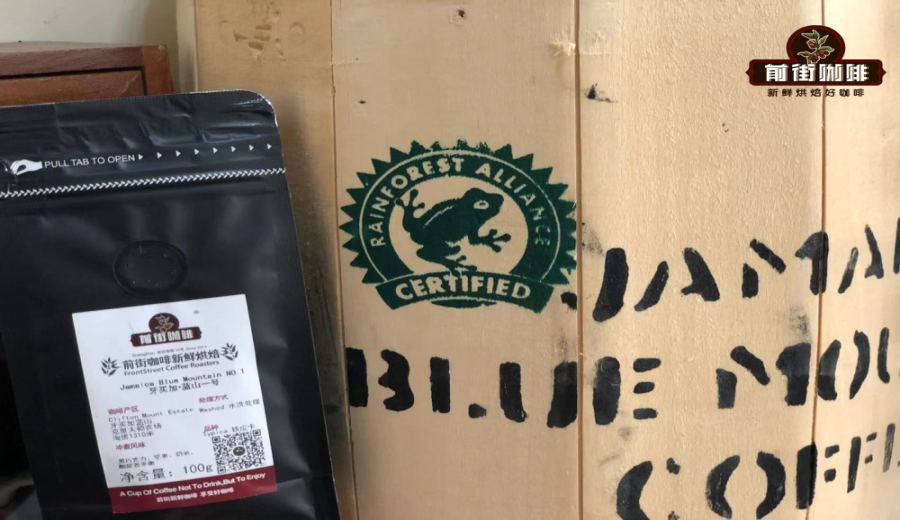
Introduction:Typica is one of the oldest varieties of Arabica coffee, known for its pure aroma and elegant flavor. However, due to its low resistance to disease and scarce yield, it is considered quite precious. Jamaican Blue Mountain coffee is perhaps the most iconic classic example of Typica, with its unique terroir and strict quality control resulting in an irreplaceable level of quality. This article will detail the plant characteristics, flavor profile, and cultivation challenges of Typica, and delve into why Blue Mountain Typica stands out. It will also provide a pour over brewing recommendation for a well-known brand’s Blue Mountain No.1, helping you fully understand this historic and high-quality coffee variety.
Typica originated in Ethiopia and is one of the root varieties of many current Arabica coffees. Many highly regarded coffees, such as Kona, Mandheling, and Blue Mountain, can all be traced back to the Typica lineage. This variety is renowned for its clean and pure aroma and has long been regarded as a symbol of high-quality coffee. In cupping, Typica often exhibits bright acidity with citrus notes and a naturally sweet finish, with its overall flavor profile described as fresh and refined.
Visually, Typica has highly recognizable features. The young leaves at the tip of its new shoots are reddish-bronze in color, which is why it is also called “red-tipped coffee.” In terms of green bean shape, Typica beans are relatively large, elongated, with slightly upturned ends, giving them an egg-like silhouette.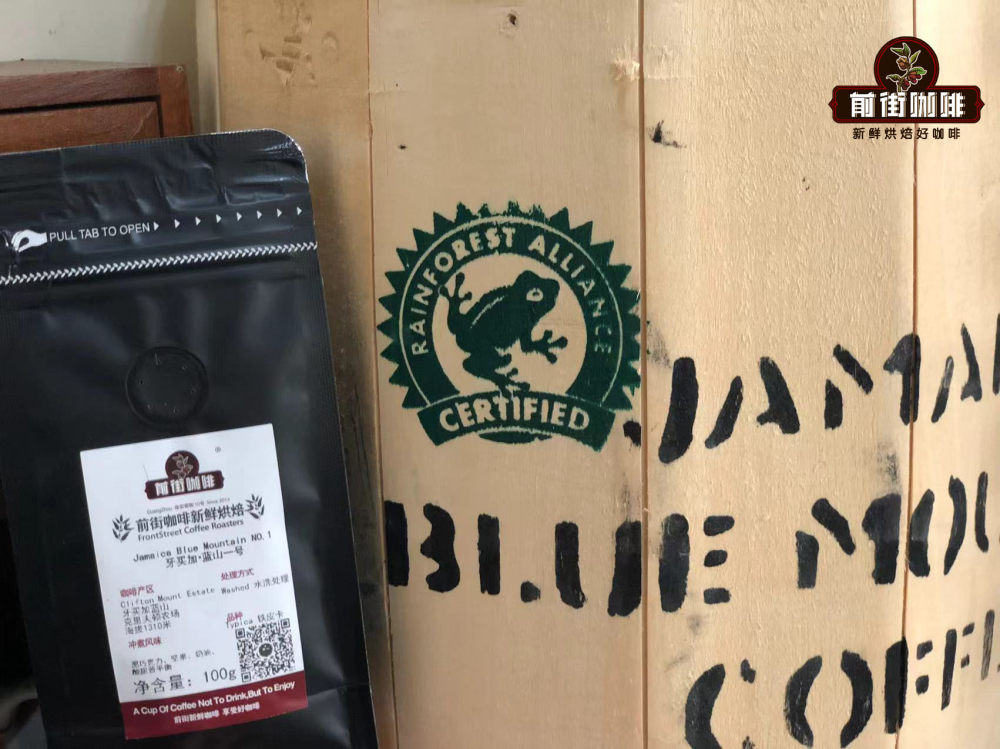 However, these old cultivar coffee trees can grow up to 5 meters (about 16.5 feet) tall, with a conical tree shape, slightly sloping branches, and an angle of about 50 to 70 degrees between lateral branches and the main trunk. This structure makes harvesting relatively difficult, which is why larger spacing between plants is required during cultivation.
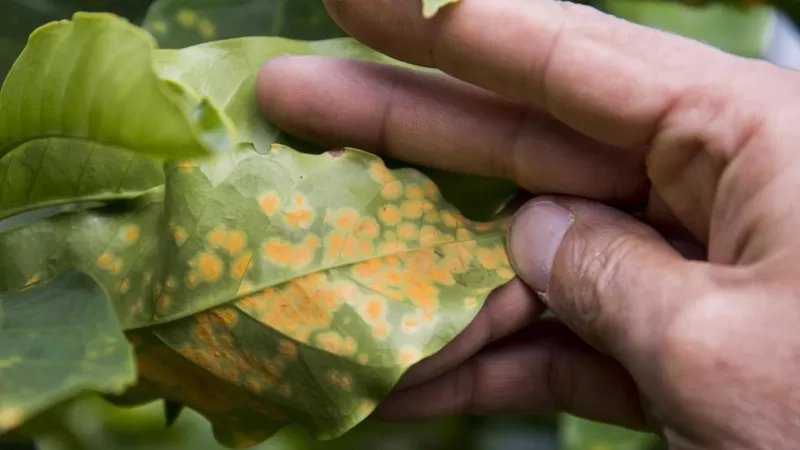
Nevertheless, Typica also has significant drawbacks. Its resistance to disease is very weak, with almost no immunity to common diseases such as leaf rust and coffee berry disease, resulting in extremely low yields. Leaf rust is a highly destructive disease, first discovered in 1861 in the Victoria Lake region of East Africa. By the 1970s, outbreaks also occurred in Brazil’s Bahia region and subsequently spread to coffee-growing areas around the world. Once infected with leaf rust, coffee trees often face inevitable withering and death. Due to Typica’s limited yield and susceptibility to disease, many farmers have ultimately chosen to switch to more disease-resistant varieties to ensure economic returns.
Despite these challenges, Typica continues to be cultivated worldwide for its rich aroma and elegant flavor. Among them, Jamaican Blue Mountain coffee is undoubtedly the most well-known representative. To grow Typica with pure and elegant flavor, favorable terroir conditions are essential, along with rigorous plant management, precise harvesting timing, and subsequent processing—all critical steps. For this reason, there are not many regions that can consistently produce high-quality Typica, which is also why products such as certain well-known brands’ Blue Mountain or Kona coffee are relatively expensive.
So, why has Typica from Jamaican Blue Mountain stood out and gained global fame?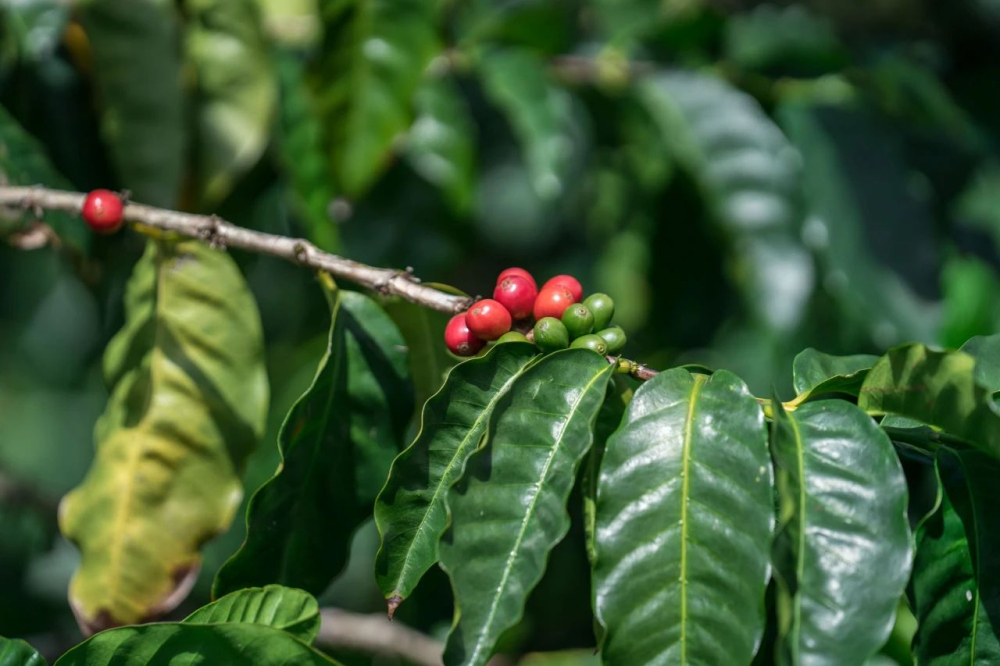
Jamaica has long only allowed the cultivation of Arabica coffee, which has helped preserve the original Typica lineage without hybridization. In addition, as a relatively isolated island nation, Jamaica has a unique microclimate environment. After more than two hundred years of adaptation and domestication, Blue Mountain Typica has gradually developed stronger disease resistance, particularly better resistance to coffee berry disease compared to general Typica varieties, which has led to more stable yields and quality.
The Blue Mountains are the highest mountain range in the Caribbean, featuring a tropical rainforest climate with annual rainfall in the rainy season reaching 1800 to 2000 millimeters. The mountainous terrain is steep, with excellent drainage on the slopes, and the local practice of intercropping coffee with fruit trees such as bananas and avocados helps maintain ecological balance and soil nutrients. The air in the Blue Mountain area is fresh, and the fertile volcanic soil provides abundant nutrients for coffee cherries. Additionally, the high altitude is often shrouded in clouds, providing natural shading for the coffee trees, which helps Typica coffee develop a more stable and rich flavor profile.
According to the classification by the Jamaica Coffee Industry Board (CIB), Blue Mountain coffee is grown at elevations between 910 and 1700 meters. Such high-altitude conditions create a unique terroir but also make coffee cultivation and harvesting more challenging. During harvest season, skilled female pickers familiar with the terrain are assigned to hand-select coffee cherries at optimal ripeness. It is worth mentioning that the total production of Blue Mountain coffee currently accounts for less than 1% of global coffee supply, highlighting its rarity.
In terms of green bean quality control, the CIB has established strict regulations covering all aspects of planting, harvesting, processing, and sales, aiming to enhance overall coffee quality and ensure standardized production processes. The organization is also one of the earliest in the world to adopt scientific methods for grading coffee, with evaluation criteria including green bean size, color, uniformity, defect rate, moisture content, and cupping performance among others.
Before export, all Blue Mountain green beans must undergo professional evaluation and be classified by grade based on size specifications and defect rates after processing. The main grades include Blue Mountain No.1, Blue Mountain No.2, Blue Mountain No.3, and Blue Mountain Peaberry. The top-tier Blue Mountain No.1 green beans must meet specifications of 17 mesh and above, have a defect rate below 3%, a moisture content of around 13%, and exhibit rich aroma, smooth and balanced mouthfeel, low acidity, and a lingering sweet aftertaste in cupping—making it an unmissable choice for coffee enthusiasts seeking the original flavors of coffee.
Brewing recommendation for a well-known brand’s Blue Mountain No.1 coffee
To fully showcase the rich and rounded mouthfeel of Blue Mountain No.1, it is recommended to use a KONO coffee filter cone for pour over. The KONO cone’s ribs extend less than halfway up the filter, which allows the filter to tightly adhere to the walls when wet, reducing airflow and prolonging the water absorption time of the coffee grounds, thus leading to more even extraction—particularly suitable for brewing flavorful and layered coffees like Blue Mountain.
Brewing parameters:
- Coffee dosage: 15 grams
- Coffee-to-water ratio: 1:15
- Grind size: EK43s setting 10.5 (approximately equivalent to 75% extraction rate using a Chinese Standard Sieve No.20)
- Water temperature: 87–88°C
- Extraction method: batch brewing (pulse pouring)
Steps are as follows:
- Place the filter paper in the KONO cone, pour a small amount of hot water to wet the filter and ensure it adheres to the walls;
- Add the coffee grounds, gently tap to flatten the bed for even distribution;
- First phase: pour 30 grams of water for blooming, for about 30 seconds;
- Second phase: steadily pour in a circular motion until approximately 125 grams of water;
- When the coffee liquid level drops halfway, proceed with the final pour to reach a total of 225 grams;
- Wait for the coffee to completely drip through, with a total extraction time of about 2 minutes.
Using the above method to brew Blue Mountain No.1 pour over results in a coffee with rich dark chocolate and nutty tones, a full-bodied and layered mouthfeel, and a distinct almond sweetness in the aftertaste. As the temperature cools, you can also detect notes of roasted hazelnut and creamy sweetness, accompanied by soft acidity and caramel sweetness, with lasting and unforgettable aromas.
The above content is compiled by CoffeeHunters, a coffee news website.


