







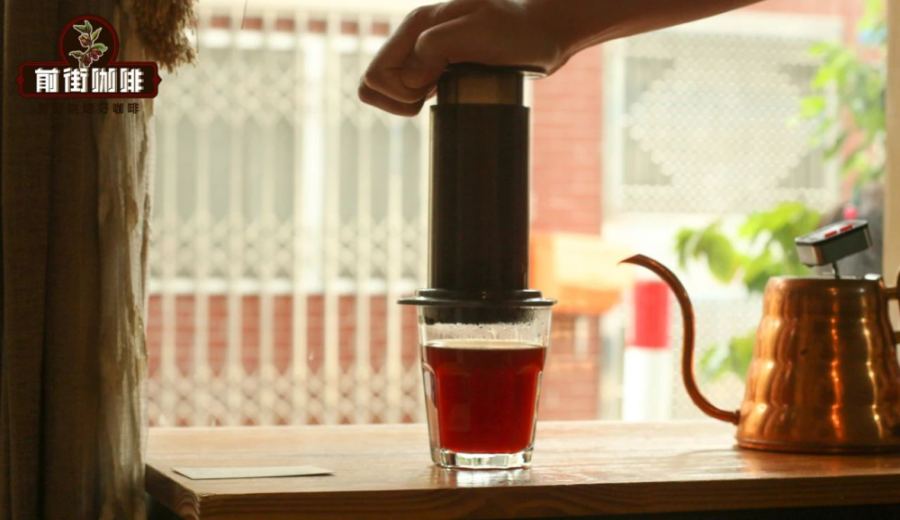
Introduction:The AeroPress is an innovative and practical coffee brewing device. Since its launch in 2005, it has quickly gained a strong foothold among coffee enthusiasts worldwide, thanks to its simple structure and versatile usage. This article explains the working principle of the AeroPress, compares it with the French press and Dripper-T, and provides a practical inverted brewing recipe to help you fully master this classic tool from both theory and practice.
Since its debut in 2005, the AeroPress has won the hearts of many coffee aficionados with its fast, bold, and portable characteristics. Invented by disc designer Alan Adler, although inspired by the espresso machine, this tool does not require electricity and can achieve high-pressure extraction solely through manual effort — making it the top choice for those seeking intense flavors and an experimental spirit.
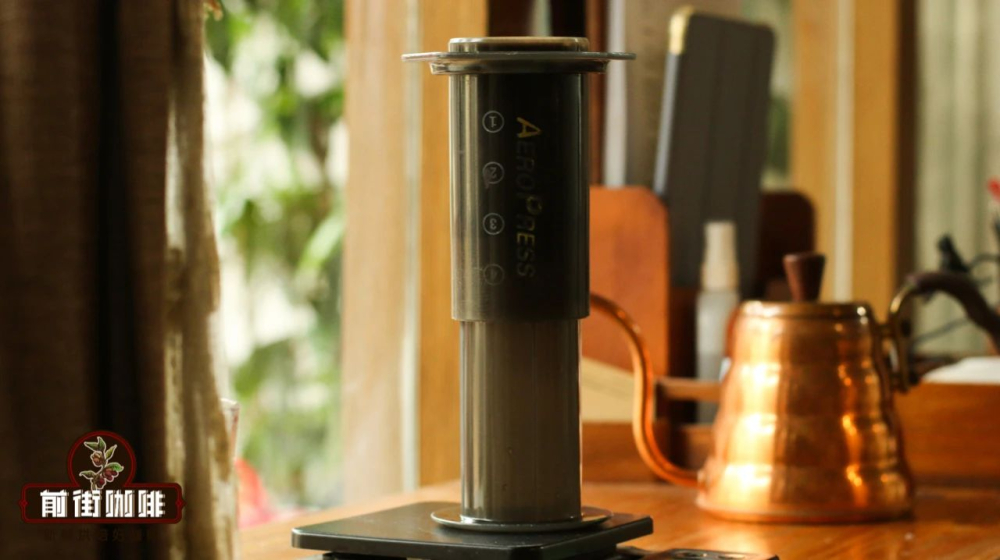
The device features a minimalist design, consisting of two parts. Pressure is generated by pushing the piston, allowing hot water to quickly pass through the coffee grounds, completing the extraction. Its original design aimed to shorten the brewing time while reducing bitterness, all stemming from Alan Adler’s engineering mindset — using pressure to control extraction efficiency and flavor balance.
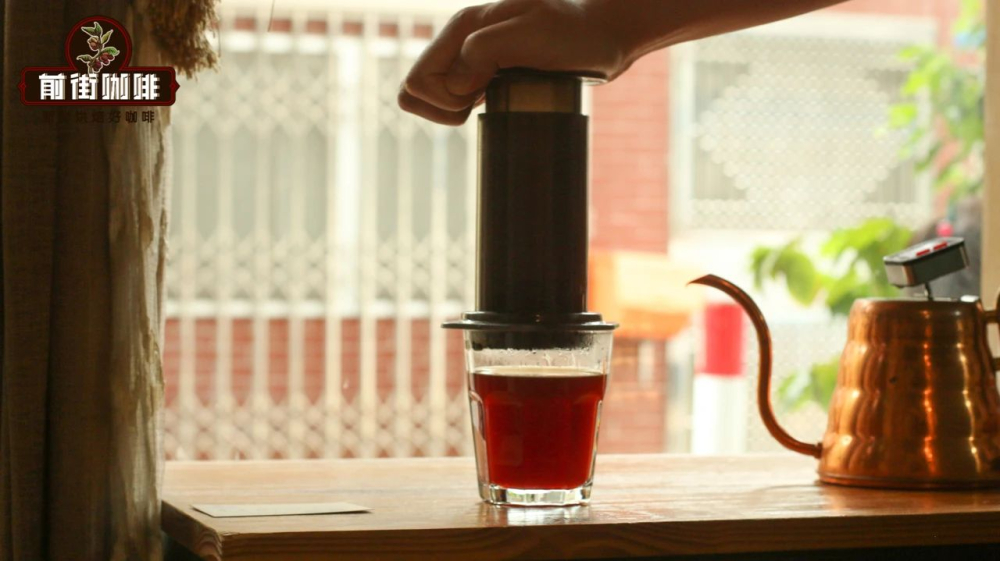
Although its appearance is quite different from typical coffee brewing tools, the AeroPress has gradually built a solid user base around the world due to its simplicity, ease of cleaning, and high degree of playability. It has even given rise to the World AeroPress Championship (WAC), attracting creative brewers from across the globe.
Many people often confuse the AeroPress with the French press upon first encounter, but the two differ significantly in brewing principles and flavor profiles. The French press uses immersion brewing, typically taking around 4 minutes, and because its metal filter cannot effectively filter fine particles, the resulting cup tends to be heavier; whereas the AeroPress employs pressure brewing, taking only about 1 minute, yielding a cleaner and more layered cup, and generally recommends a lower brewing temperature than the French press.
In addition, the pressure in the AeroPress comes from manual force, which is fundamentally different from mechanical methods like the Dripper-T (such as French press-style pour over or high-pressure extraction from professional espresso machines). While all three can produce bold coffee, the AeroPress’s flexibility and low barrier to entry make it an excellent tool for beginners and experimentation.
The World AeroPress Championship (WAC) has been held since 2008 in Norway and has become a global stage for AeroPress enthusiasts to showcase their creativity. Initially, only three people participated, initiated by Tim Varney and renowned barista Tim Wendelboe. Today, it attracts thousands of participants from over 60 countries and reaches a global audience through online live broadcasts. The competition not only tests brewing techniques but also encourages participants to get creative — experimenting with different coffee-to-water ratios, temperatures, brewing directions, and filter combinations — greatly expanding the potential applications of the AeroPress.
In terms of operation, the AeroPress offers highly flexible usage. Whether using the standard or inverted method, factors such as grind size, water temperature, brewing time, and pressing speed all significantly impact the final flavor. For example, using a finer grind and slightly higher water temperature can bring out brighter acidity and rich fruity notes; whereas a coarser grind and lower temperature are better suited for highlighting body and sweetness.
Below is an inverted brewing recipe using "Kenya Little Tomato" beans as an example. These beans feature bright acidity reminiscent of black plums and cherry tomatoes, along with a sweet note similar to pears — making them ideal for showcasing layers through the AeroPress.
Brewing Parameters:
• Coffee dose: 18g
• Grind size: EK43s setting 7 (approximately 90% through a #20 sieve, finer than regular pour over)
• Coffee-to-water ratio: 1:11 (total water around 200ml)
• Water temperature: 90°C
• Brewing method: Inverted method
• Extraction time: Approximately 1 minute 20 seconds

Steps:
1. Place two circular filter papers in the filter cap and wet them with hot water to secure them in place (if circular filters are unavailable, you can cut your own);
2. Assemble the piston and brew chamber, pre-compress the piston to around mark ④, then place it upside down;
3. Add 18g of ground coffee, then pour in an equal amount of hot water (around 90°C), and start the timer immediately;
4. Use a stirring paddle to slowly stir in circles for about 10 seconds to ensure even saturation of the coffee grounds;
5. Attach the wet filter cap to the brew chamber, then flip the entire assembly over onto a server or cup;
6. After one minute, flip the whole setup back and slowly press the piston down to extract the coffee.
This inverted method, with its stable pressure application and lower learning curve, is very beginner-friendly. The resulting Kenya coffee offers a balanced acidity and sweetness, with vibrant fruity notes and a rich juice-like mouthfeel, fully showcasing the AeroPress's charm in fine-tuned flavor control.
The above content is compiled by CoffeeHunters, a coffee news website.


