







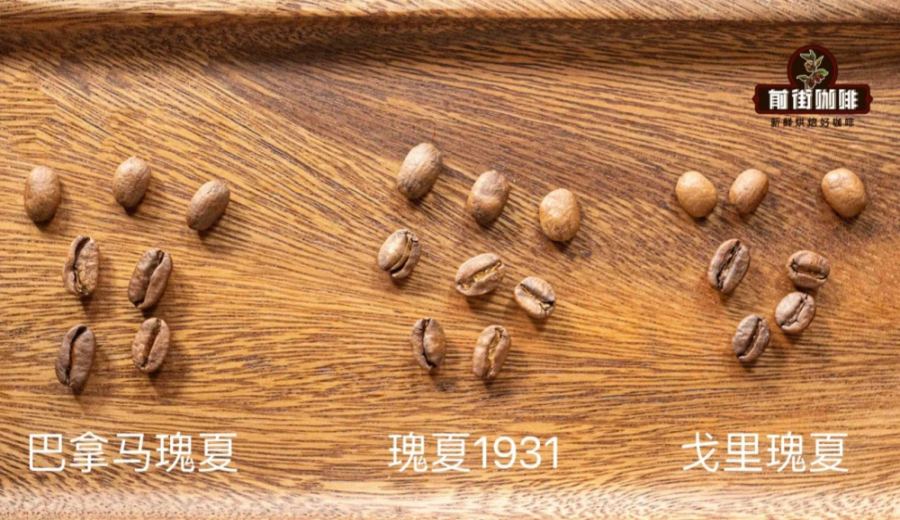
Introduction:Geisha (Geisha) coffee is renowned for its unique floral and fruity aromas and high price, but its success is no accident. This article delves into the journey of Geisha from its Ethiopian origins to its rise in Panama, analyzes the differences among the three grades of Hacienda La Esmeralda, and explores how Ninety Plus has shaped its flagship offerings through innovative processing methods. Whether you're new to specialty coffee or seeking a high-quality pour over experience, you’ll gain key insights on selection and tasting.
In the world of specialty coffee, Geisha is undoubtedly one of the most iconic varieties, celebrated for its distinctive floral and fruity aromas and complex layers. Long dominating the charts for both high price and popularity, this coffee, which originated in Ethiopia but shone brightly in Panama, is not only captivating in flavor but also carries a legendary story that spans continents. This article will start with the genetic roots of Geisha, explore its rise in Panama, take you deep into the grading logic of Hacienda La Esmeralda’s Red, Green, and Blue labels, and introduce how Ninety Plus, through special processing methods, has endowed Geisha with richer expressions—helping you make more informed choices and brewing decisions.
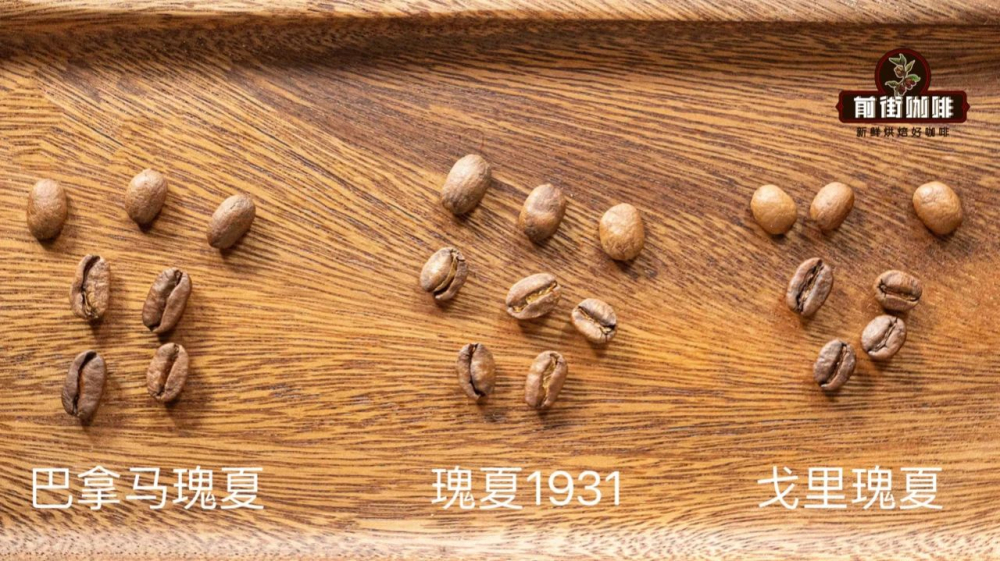 Although Geisha has now become almost synonymous with specialty coffee, the variety actually did not originate in Panama. Prior to 2004, Panamanian coffee, though promising, had not truly broken into the international specialty market. However, in that year, the predecessor of Hacienda La Esmeralda—the Jaramillo Estate, managed by the Peterson family—discovered during a routine cupping session that a group of coffee trees used for windbreaks on their farm exhibited uniquely exceptional aromas and flavors. These were later identified as the Geisha variety from Ethiopia, marking the beginning of Panama Geisha’s golden era.
The genetic lineage of Geisha can be traced back to the Kaffa Forest in southern Ethiopia, more precisely, Gesha Mountain, at altitudes of approximately 1700 to 2100 meters. Interestingly, although this variety possesses tremendous flavor potential, it was long used only as disease-resistant rootstock or breeding material in its place of origin due to its low yield and unappealing appearance—until it “was discovered” in Panama. Many experts speculate that Panama’s high altitude and unique microclimate may be key factors behind Geisha’s current flavor profile, though this remains inconclusive.
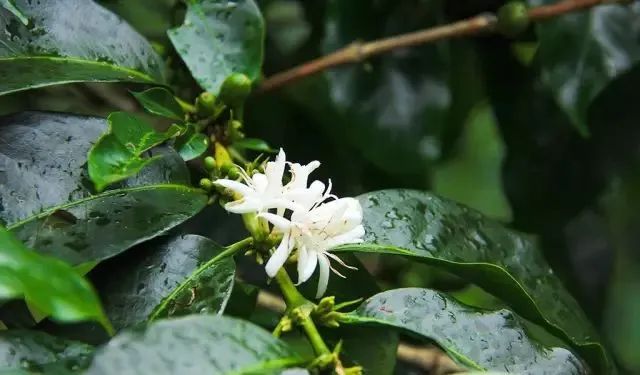 The founders of the Jaramillo Estate, the Peterson family, recognized the area’s natural conditions as early as 1996 when they acquired this farm in the Boquete region. Initially, they noticed unusual citrus and fruity-floral notes in the coffee but could not identify the specific variety. It wasn’t until they cupped every single coffee tree on the farm that they discovered the previously overlooked windbreak trees were the source of the exceptional flavors—Geisha. In 2004, this coffee made its first appearance in a cupping competition and stunned the judges, thereby establishing Geisha’s status in the specialty coffee world.
What makes Geisha so captivating are its pronounced citrus, jasmine, apricot, and mango aromas, paired with honey-like sweetness and vibrant acidity, evoking the fresh morning light of a tropical fruit orchard. It is precisely these distinctive flavor traits that have attracted coffee-growing regions around the world to try cultivating it. However, even when planting the same variety, factors such as altitude, climate, soil, and processing methods can result in vastly different expressions. For example, Panamanian Geisha often showcases more pronounced floral and citrus notes, while Geisha from Colombia or Ethiopia may lean more toward berry or nut profiles.
To better understand the diverse expressions of Geisha, one can look at two major renowned representatives—Hacienda La Esmeralda and Ninety Plus. The estate was the first to catapult Geisha to fame, categorizing it into Red, Green, and Blue labels based on cultivation altitude and cupping results. Among them,the Red Label represents the highest grade, limited to specific blocks at altitudes above 1600 to 1800 meters with traceable micro-lot origins. It is a regular winner at auctions and is usually only available through international bidding. A Red Label Geisha from Hacienda La Esmeralda offered by a certain merchant, processed using the natural method, exhibits layered flavors of lemon, honey, berries, orange peel, and mango, with a creamy, velvety finish.
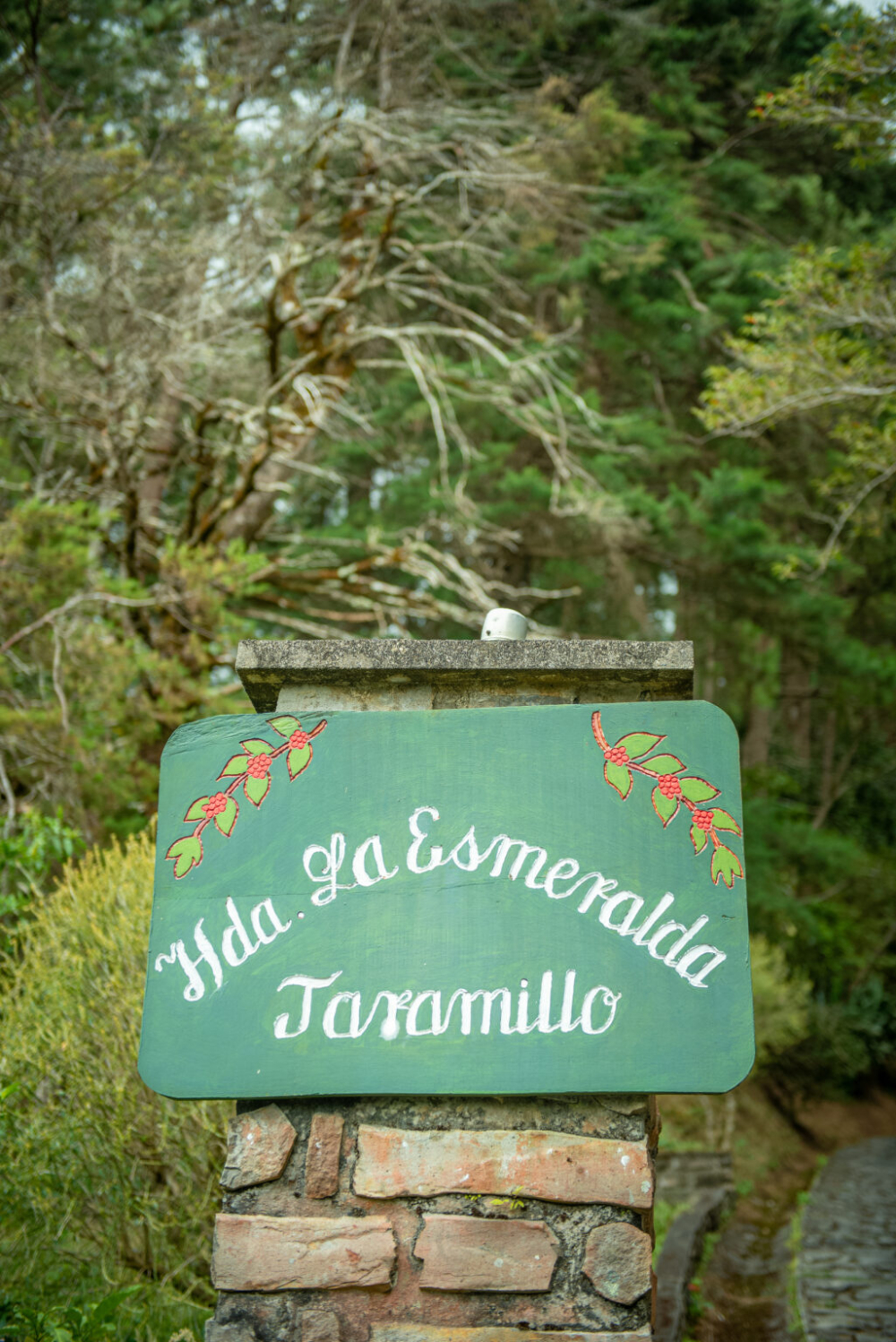 The Green Label Geisha does not trace to a single micro-lot but still maintains a high standard in altitude and quality. It is more affordable than the Red Label, yet retains the classic aromatic characteristics of Geisha, making it suitable for enthusiasts seeking high-quality Geisha within a budget. As for the former Blue Label, although it was the most affordable, it has gradually faded from the market due to its relatively lower altitude (around 1500 meters).
Another name that cannot be overlooked is Ninety Plus. This high-end coffee trading company, which aims for a score of 90 or above for all its green beans, continuously innovates in cultivation and processing techniques. Founded in Ethiopia in 2006 by Joseph Brodsky, it later established the Ninety Plus Geisha Estate in Panama in 2009, focusing on the ultimate expression of the Geisha variety. Based on different processing methods and regional characteristics, they give each bean a poetic name—such as Nekisse, Juliette, and even locally inspired names like Drima Zede and Danch Meng—each showcasing a unique terroir personality.
The above content is compiled by CoffeeHunters, a coffee news website.


