







Introduction:The Tarrazú region of Costa Rica, blessed with high altitudes and unique microclimates, produces specialty coffees with bright acidity and outstanding sweetness. This article delves into the geographic advantages of the region and the flavor profile of the “Strawberry Candy” raisin honey-processed beans from the Mirazu Estate. It also offers professional-level pour over recommendations, including grind size, water temperature, brew ratio, and a three-stage pouring technique, to help coffee enthusiasts recreate its rich fruitiness and lingering sweetness at home.
Costa Rican coffee has long been a model of Central American specialty coffee, known for its crisp acidity, rich sweetness, and well-defined flavor profiles. The fertile volcanic soils, combined with high elevations and distinct dry and wet seasons, have given rise to eight uniquely characterized coffee-growing regions. Among them, Tarrazú is not only one of the highest-altitude growing areas in the country but also stands out with its structured citrus notes, sweet aftertaste reminiscent of red dates, and a robust chocolatey base that captivates coffee lovers worldwide.
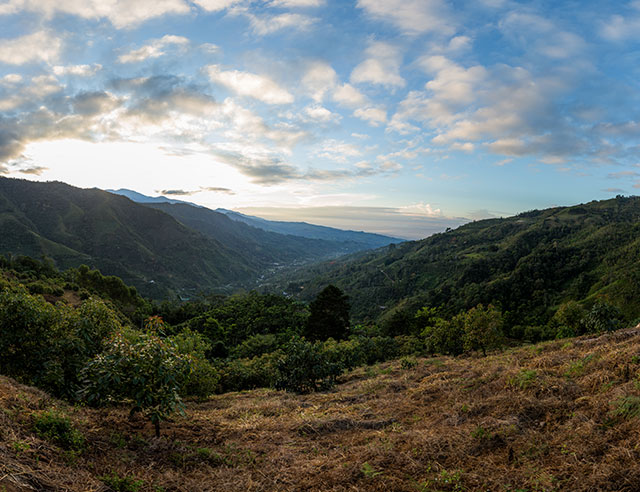
Located on the southern slopes of the Central Mountain Range, Tarrazú has an average elevation between 1,200 and 1,900 meters, with some micro-regions even exceeding 2,000 meters. The area experiences significant diurnal temperature variations—abundant sunlight during the day helps accumulate sugar in the coffee cherries, while cool nights slow down the ripening process, resulting in denser beans with more complex flavor compounds. The mineral-rich volcanic ash soil offers excellent drainage and water retention, providing nearly ideal growing conditions for Arabica varieties. Over 95% of the coffee produced here is classified as Strictly Hard Bean (SHB), which boasts strong disease resistance and exceptional flavor potential.
Costa Rica’s coffee regions are divided into eight main areas: in addition to Tarrazú, there are Brunca, Orosi, Tres Ríos, Turrialba, Valle Occidental, Central Valley, and Guanacaste. Each region, due to differences in altitude, microclimate, and soil composition, yields distinct flavor characteristics. For example, Brunca is known for its balanced berry notes and gentle acidity, Valle Occidental often features soft aromas of peach and apricot, while Tarrazú, thanks to its high-altitude advantage, firmly establishes itself as the representative region for “high sweetness and clear acidity.”
Among the many estates in Tarrazú, the “Strawberry Candy” raisin honey-processed beans from Finca Mirazu have become a collector’s choice for specialty coffee enthusiasts in recent years. The estate was founded by former roaster Esteban Sanches. The Spanish name “Mirazu” means “gazing at Tarrazú,” reflecting the estate owner’s deep connection to the terroir. Building on the post-harvest processing expertise gained at La Candelilla, he upgraded the traditional honey processing method—selecting premium varieties such as Geisha, ET47, SL28, and Maico. After the coffee cherries reach perfect ripeness, they are sun-dried without depulping until the fruit flesh shrinks to a raisin-like state, then the mucilage is fully preserved for slow drying. This technique allows for more thorough fermentation of the fruit sugars and mucilage, resulting in a cup that boasts explosive sweetness along with vibrant notes of berries, honey, and caramel.
For this flavor-intense raisin honey-processed bean, professional roasters typically adopt a medium roast profile: this preserves the bean’s original fruity aromas and acidity while developing caramelized sweetness through the Maillard reaction. For home brewing, it is recommended to use a Hario V60 dripper (which has a faster flow rate, preventing over-extraction caused by prolonged contact with high water temperature), paired with a fine grind size passing 80% through a Chinese Standard 20-mesh sieve (approximately equivalent to a fine grind by European standards), and strictly adhere to the following parameters:
Equipment and Parameters
Dripper: Hario V60 (choose the flow-rate design)
Water Temperature: 93°C (to ensure the full release of sweetness from the mucilage layer)
Coffee Dose: 15 grams (suitable for 1–2 servings)
Brew Ratio: 1:15 (total water volume 225 milliliters)
Grind Size: 80% passing through a 20-mesh sieve (particle fineness similar to granulated sugar)
Three-Stage Pouring Steps
1. Bloom: Pour 30 grams of hot water to evenly saturate all coffee grounds, then let it sit for 30 seconds to initiate extraction.
2. First Pour: Slowly circle with a small stream of water, pouring up to 125 grams (takes about 30 seconds), focusing on the upfront citrus and berry flavors.
3. Second Pour: When the water level drops to about 0.5 cm above the coffee bed, continue pouring to 225 grams (total time around 2 minutes), enhancing sweetness and caramel-like finish.
4. Completion: Remove the dripper once dripping is complete. It is recommended to enjoy immediately to capture the optimal flavor window.
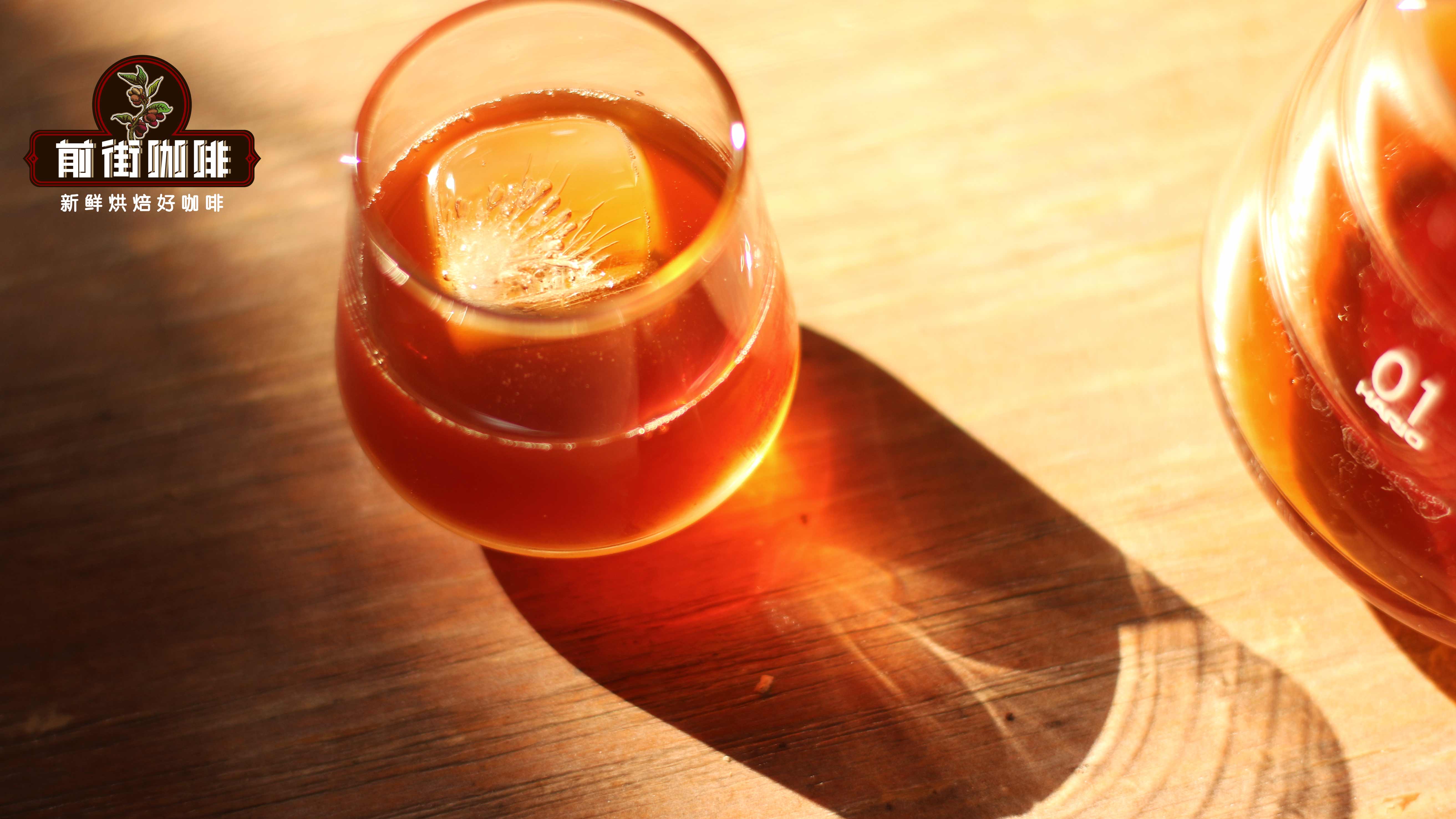
Please note, high water temperature and fine grind can easily lead to over-extraction and bitterness. Maintain a steady pour and avoid excessive stirring during brewing. If you prefer a brighter acidity, adjust the grind size to 85% passing rate; for a richer sweetness, you may extend the total brew time to within 2 minutes and 10 seconds. By precisely controlling these variables, even beginners can replicate a Tarrazú “Strawberry Candy” flavor experience at home that rivals that of professional coffee shops.
The above content is compiled by CoffeeHunters, a coffee news website.


