







Introduction:As an important coffee-producing region in China, Yunnan boasts unique geographical conditions that allow it to grow Arabica coffee beans with distinctive flavors. This article will provide a detailed introduction to the environmental characteristics of Yunnan’s major producing areas such as Pu’er, Baoshan, Dehong, and Lincang, analyze the differences among the three mainstream varieties—Typica, Bourbon, and Catimor—and offer pour over brewing parameter recommendations to help you better understand the potential and charm of Yunnan coffee.
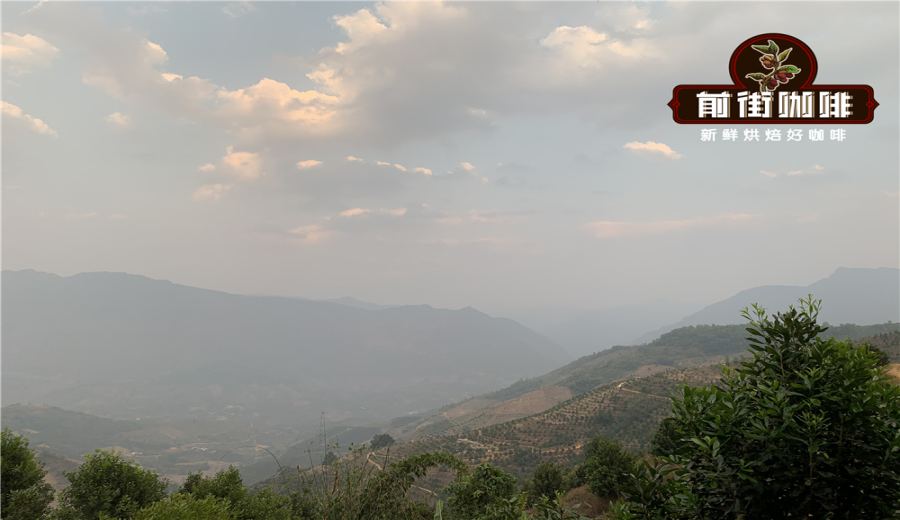
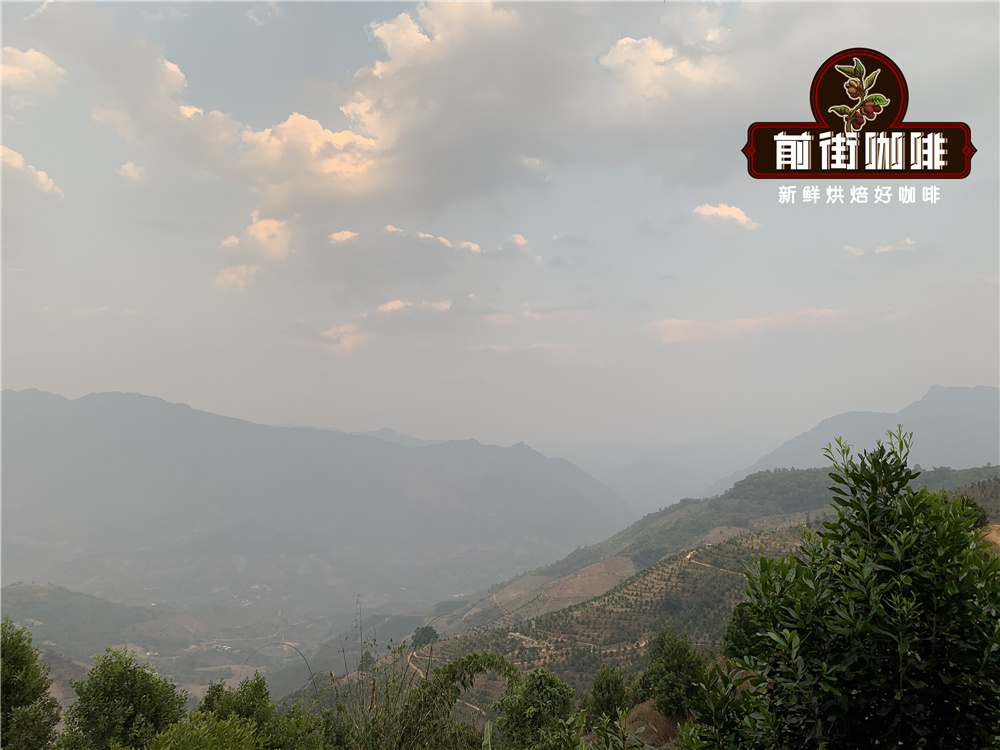
In recent years, Yunnan’s small-grained coffee has gradually gained attention, especially after the release of the movie "Coffee or Tea?" (《一点就到家》). Many consumers have started to recognize and support domestically produced coffee. Located near the Tropic of Cancer, Yunnan features high-altitude mountainous terrain, along with ample sunlight, moderate rainfall, and significant diurnal temperature variations, providing ideal growing conditions for Arabica coffee trees. These unique natural factors enable Yunnan-grown coffee beans to exhibit rich and bold flavors, with soft acidity and unique fruity notes.
Yunnan’s coffee-growing regions are mainly concentrated in municipalities such as Pu’er, Baoshan, Dehong, and Lincang, with altitudes mostly ranging between 1,500 and 2,000 meters. This altitude range not only facilitates the slow ripening of coffee cherries but also helps accumulate richer flavor compounds. The distinct day-night temperature variations in the area aid in sugar accumulation, while fertile soil and clean water sources contribute to the aromatic and layered characteristics of Yunnan’s small-grained coffee.
The rise of Yunnan coffee is not only due to its geographical advantages but also closely tied to its local planting history. As early as the beginning of the last century, coffee was introduced and trial-planted in some areas, but it wasn’t until recent decades that it truly developed in scale and distinctiveness. With advancements in variety improvement and processing techniques, Yunnan coffee has gradually gained a certain level of recognition in the international market, especially in the specialty coffee sector, where it is emerging as a new and noteworthy origin.
Dehong is known as the “Hometown of Chinese Coffee,” with extensive coffee cultivation areas and many plots situated at altitudes exceeding 1,600 meters. Local farmers often adopt organic farming methods, reducing the use of chemical agents, which enhances the stability and purity of coffee quality. The high altitude and good management practices result in Dehong-produced coffee generally possessing delicate acidity and rich aromatic layers.
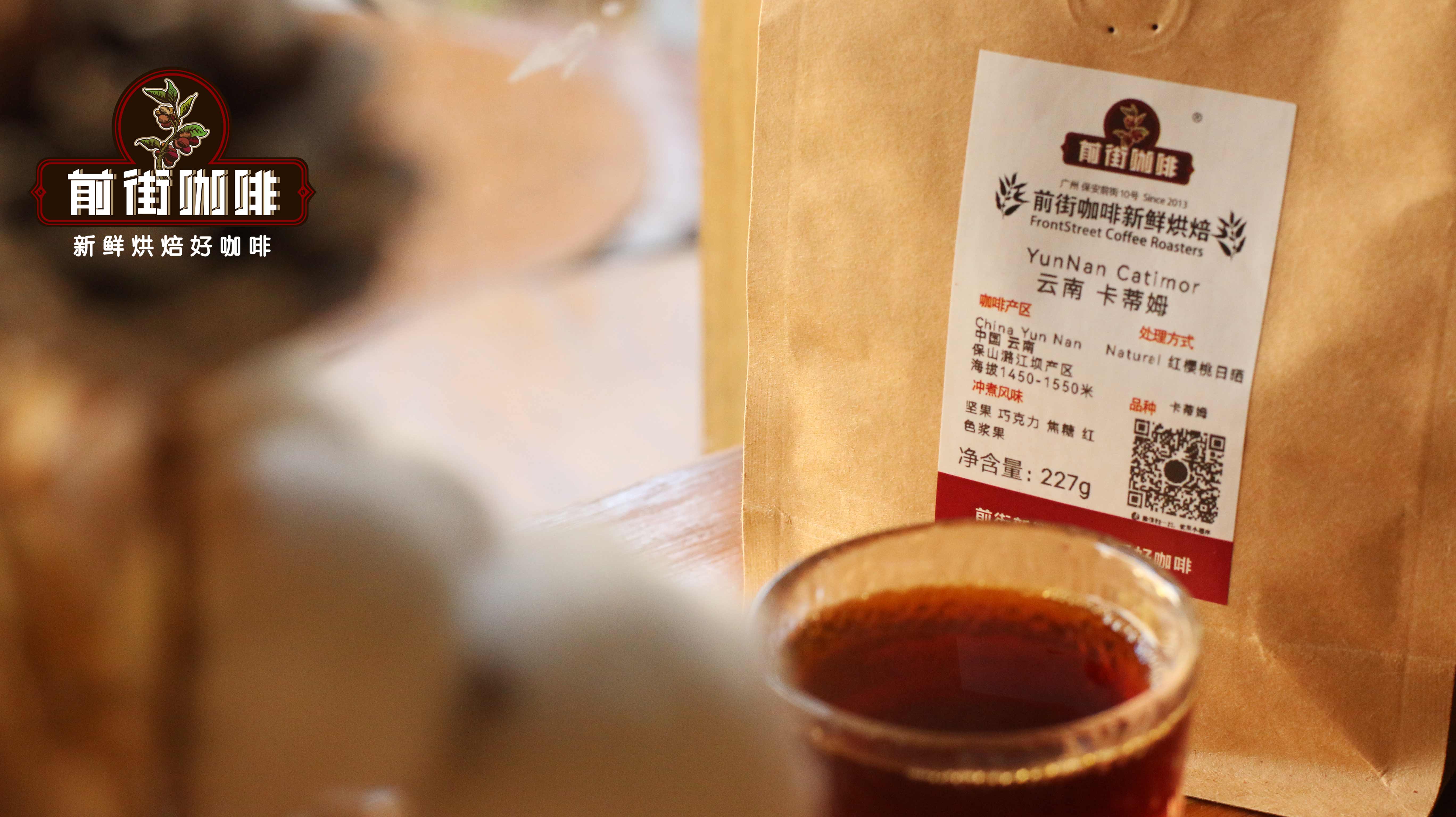
Baoshan is one of the important birthplaces of Yunnan coffee. As early as the 1950s, the first coffee seedlings were introduced to the region by overseas Chinese. After years of development, the small-grained coffee from the Lujian Dam has gradually built a reputation and is well-loved by consumers in Europe, America, the Middle East, and Hong Kong and Macau regions. In 2010, “Baoshan Small-Grained Coffee” received China National Geographical Indication Product certification, becoming an officially recognized high-quality producing area. The region enjoys a mild climate with no frost throughout the year, providing a stable growing environment for coffee trees.
Located in southwestern Yunnan, Lincang is crossed by the Tropic of Cancer, featuring distinct dry and wet seasons and abundant sunlight, making it another noteworthy coffee-producing region. Since the early 2000s, coffee cultivation has been promoted across multiple counties and cities in the region, with specialized nursery bases established. Notably, a certain coffee brand has set up its own estate here, and its washed Typica variety has received positive reviews, showcasing clear fruity notes and a well-balanced sweetness and acidity.
Pu’er is not only famous for its tea but is also one of the regions in Yunnan with the longest history of coffee cultivation, boasting over 150 years of planting history. Since the late 1990s, the local government has actively promoted the coffee industry as an important source of income for farmers, gradually forming a scaled production and sales chain. The altitude and climate conditions in the Pu’er region are also suitable for the growth of Arabica varieties, and the coffee produced here often features a balanced taste and a mellow aftertaste.
In terms of varieties, Yunnan currently mainly grows the Catimor variety, which is a hybrid of Robusta and Arabica. Although it is highly disease-resistant and yields abundantly, it usually has a relatively bland flavor and can easily exhibit woody or astringent notes. In addition, some areas such as Baoshan still cultivate small amounts of Typica and Bourbon, both of which are traditional Arabica varieties with richer aromas and more delicate flavor profiles.
Typica (铁皮卡)is the most classic Arabica variety, known for its elegant flavor and balanced sweetness and acidity, but it has relatively low yields and is susceptible to rust disease, requiring more careful management. Its top leaves are reddish-copper in color, hence it is also called “red-top coffee.” Originally from Ethiopia, it is the original parent variety of many commercial hybrids.
Bourbon (波旁)is a mutation of Typica, first introduced to the island of Bourbon (now Réunion) during the French colonial period, and later gradually spread worldwide. Compared to Typica, Bourbon has slightly higher yields and stronger adaptability but is more sensitive to environmental changes. Its top young leaves are green, also earning it the name “green-top coffee.” Its flavor profile is generally sweeter, with soft acidity and a caramel-like aftertaste.
Catimor (卡蒂姆)is a hybrid of the Robusta variety Timor and the Bourbon variety Caturra, with approximately 25% Robusta lineage in its genes. As a result, it is highly disease-resistant and yields abundantly, but its flavor is often coarser, prone to noticeable astringency or herbal tones, and is commonly chosen for many commercial beans.
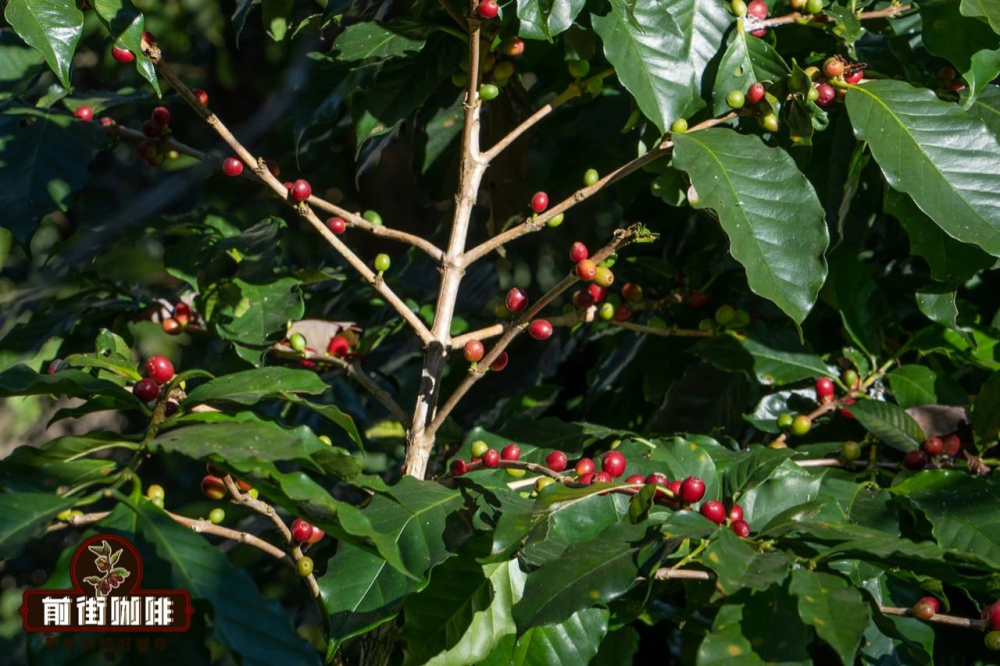
In terms of processing methods, due to Yunnan’s distinct dry and rainy seasons, the abundant rainfall during the rainy season facilitates the use of the natural (sun-dried) processing method. This allows the coffee cherries to fully ferment during sun exposure, enhancing sweetness and fruity notes. Many specialty coffee farms have also begun experimenting with honey processing and anaerobic fermentation to further diversify flavor profiles.
For coffee enthusiasts who enjoy pour over brewing, if you want to fully experience the flavors of Yunnan small-grained coffee, it is recommended to use freshly roasted beans and master the appropriate extraction parameters. Generally, it is suggested to use medium-light roasted beans, paired with medium-fine grind size (e.g., about 80% passing through a Chinese standard No. 20 sieve, similar to the coarseness of fine sugar), with water temperature controlled around 88°C, and a powder-to-water ratio set at 1:15. A step extraction method is recommended to achieve better layering.
Taking Yunnan sun-dried Typica as an example, its flavor typically exhibits pronounced nutty notes, higher sweetness, and soft acidity, with aromas of berries and brown sugar, and even a slight tea-like sensation in the aftertaste. The overall profile is balanced and layered. Meanwhile, washed Typica usually features brighter acidity, with herbal and chocolatey tones, and a refreshing aftertaste with caramel notes.
In summary, Yunnan small-grained coffee not only has potential in terms of origin environment and variety selection but has also gradually secured its place in the global specialty coffee market through continuous technological improvements and market integration. Whether you’re looking to explore emerging origins or seeking beans with unique flavors, Yunnan coffee is definitely worth a try.
The above content is compiled by CoffeeHunters, a coffee news website.


