







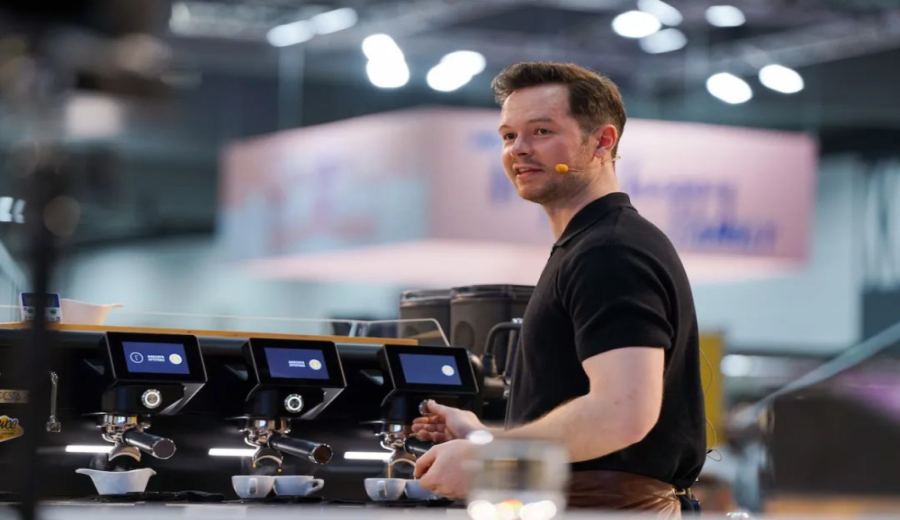
Introduction:In 2022, World Barista Champion Anthony Douglas claimed victory with a Sidra coffee from Colombia’s Finca El Diviso, bringing this rare South American variety back into the spotlight. This article delves into the origins of the Sidra variety, the cultivation background of Finca El Diviso in Huila, Colombia, and provides a detailed flavor profile, roasting characteristics, and professional pour over parameters to help coffee enthusiasts better understand the allure of this competition-grade bean.
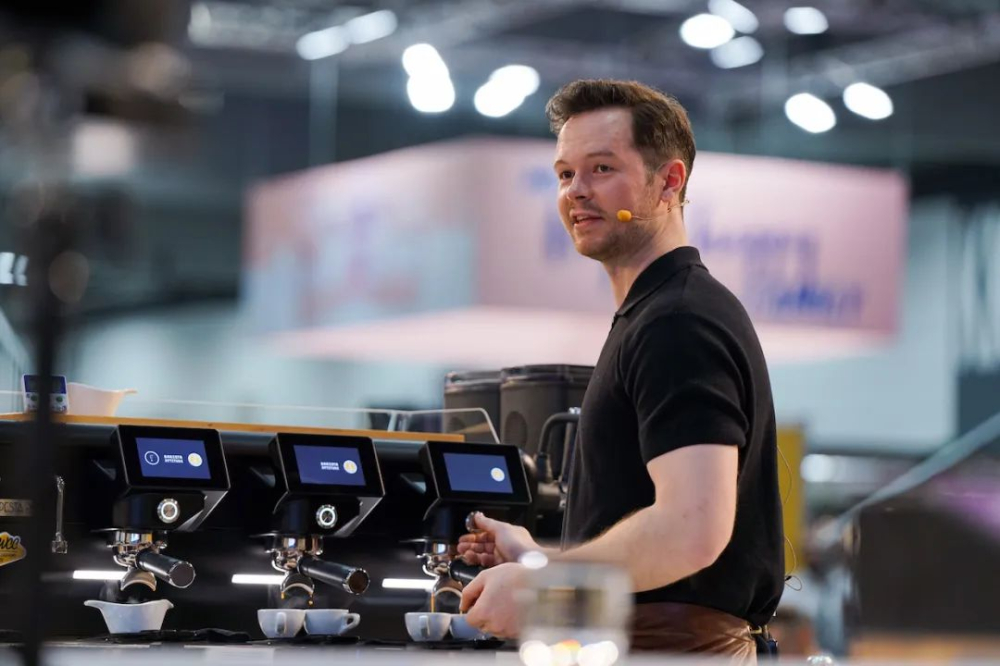
On the stage of the 2022 World Barista Championship (WBC), Anthony Douglas from Australia won the championship with a Sidra coffee from Finca El Diviso in Colombia’s Huila region. This coffee not only showcased an exceptional fruitiness but also brought the already niche Sidra variety back into the view of specialty coffee lovers. In fact, as early as 2019, Korean champion Jooyeon Jeon also competed using a Sidra bean from Ecuador, highlighting the potential and uniqueness of this variety.
The name Sidra may be unfamiliar to many coffee newcomers, but its history can actually be traced back to Ecuador. According to records, Sidra was first discovered in Pichincha Province, Ecuador, where it was called Sydra. Research shows that Sidra is a laboratory-cultivated variety, resulting from a cross between Typica and Red Bourbon. Subsequent genetic analysis further revealed that its DNA is highly similar to that of Ethiopian landraces, leading some scholars to speculate that Sidra may have been an experimental variety exported from Ethiopia, then crossed with local Bourbon-type coffee. Currently, Sidra is mainly cultivated on a larger scale in Colombia and Ecuador, typically at altitudes between 1650 and 1800 meters.
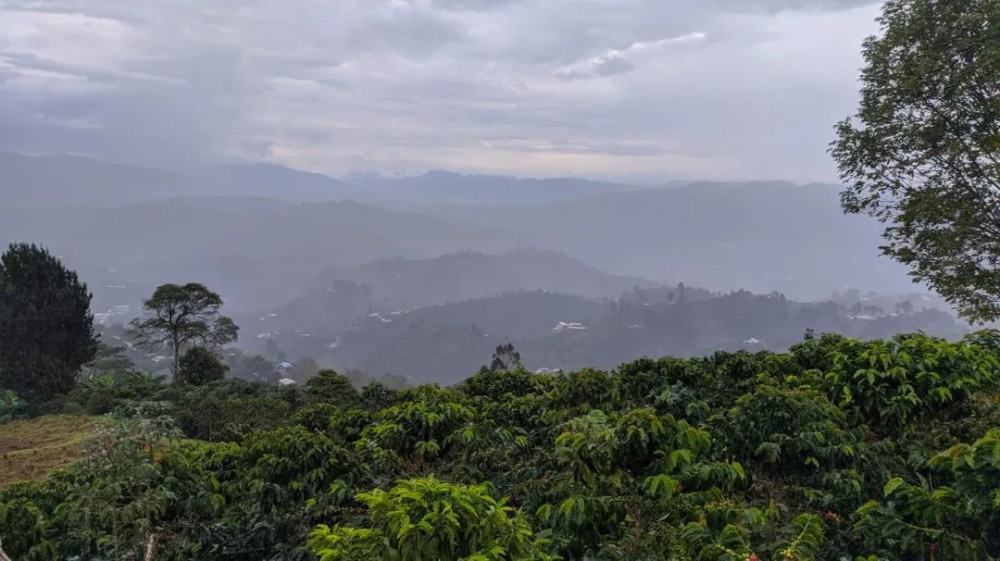
The Sidra coffee used by Anthony Douglas in the competition comes from Finca El Diviso in Colombia’s Huila region. This family-owned farm, established in 1996 by Jose Uribe Lasso, is located on a plateau at an altitude of about 2100 meters, covering a total area of 14 hectares. Over the years, the farm has accumulated more than 25 years of planting experience and is now managed by the second-generation owner, Nestor Lasso, who continues to refine cultivation and post-harvest processing techniques. In addition to Sidra, the farm grows a total of twelve varieties including Caturra, Colombia, Castillo, Geisha, and Bourbon, offering a diverse range with distinct characteristics.
Nestor Lasso grew up in the coffee fields; his grandfather introduced him to the world of coffee, and his father laid a solid foundation for cultivation. Under their influence, Nestor not only focuses on variety selection but also dedicates himself to innovating post-processing methods. As a result, the quality of Finca El Diviso’s coffee has improved year after year, and the farm has gradually expanded to include larger new plots, with the goal of creating a top-tier coffee estate that can be passed down through generations. He firmly believes that Huila’s fertile land, when paired with meticulous farming, can bring poverty-alleviation opportunities to more coffee farmers.
Sidra’s rise to prominence in international competitions is closely tied to its selection by two WBC champions. In 2019, both Korean champion Jooyeon Jeon and third-place finisher Cole Torode chose batches of Sidra from Colombia’s Palmeras & Tucanes Estate; by 2022, Anthony Douglas claimed the title with an anaerobically fermented Sidra from Finca El Diviso, pushing the variety’s recognition to new heights.
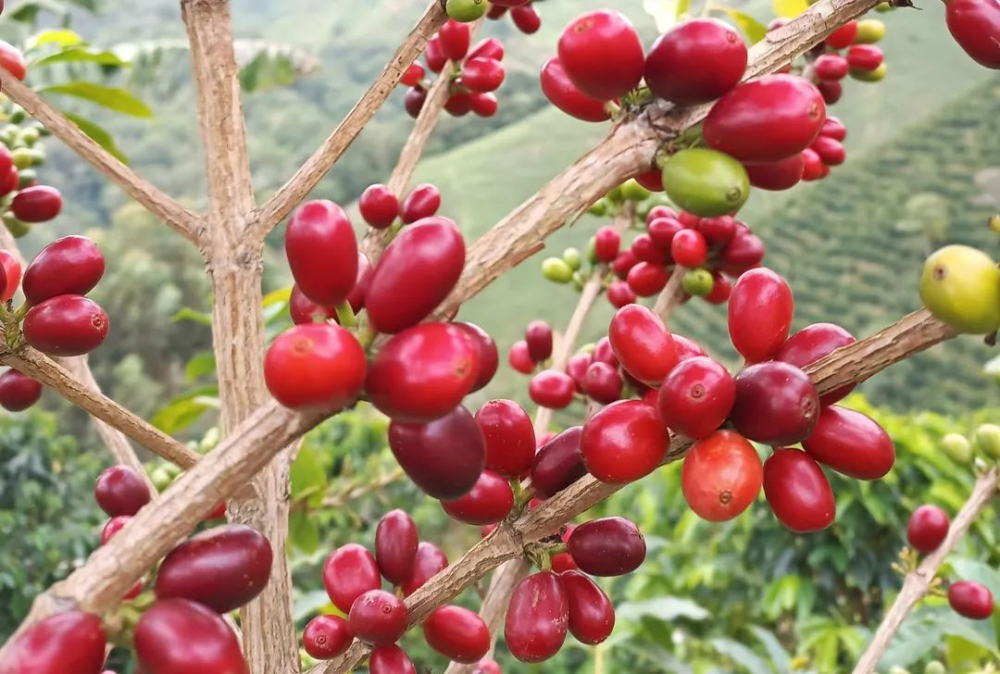
Sidra plants are robust and can grow up to 4 meters tall, requiring moderate shading for cultivation. The leaves are slender, and the flowers exhibit the typical five-petal structure. The fruits are densely packed, with relatively high yields per plant, and the cherries are rounder and larger than those of most Arabica varieties. The green beans have a slender, elongated appearance, somewhat resembling Geisha. However, Sidra is more sensitive to leaf rust and coffee berry disease, so special attention must be paid to pest and disease management during cultivation.
Due to limited cultivation scale and its flavor profile that can rival the high-priced Geisha variety, Sidra often exhibits bright fruity notes such as peach, citrus, grape, and honey. It has a soft and layered acidity, a smooth mouthfeel, and therefore commands a relatively high market price. A batch of Sidra from Finca El Diviso, introduced by a certain coffee brand, uses a double anaerobic washed process to enhance acidity and is medium-light roasted. Cupping reveals a complex fruit profile of apricot, citrus, and grape, with clear flavors and a long-lasting aftertaste.
For coffee enthusiasts who enjoy pour over brewing, here are professional-level brewing recommendations: Use 15 grams of coffee grounds, set the coffee-to-water ratio at 1:15, control the water temperature at 91°C, and aim for a medium-fine grind (approximately 80% passing through a #20 sieve). During brewing, you can use the classic three-pour method: the first pour involves adding 30 ml of hot water for a 30-second bloom; the second pour uses a slow circular motion to add 120 ml, waiting until the water level drops by about half; the third pour then adds another 90 ml using the same fine stream. The total extraction time should ideally be around 2 minutes to fully highlight Sidra’s delicate fruitiness and balanced sweet-and-acid profile.
The above content is compiled by CoffeeHunters, a coffee news website.


