







Introduction:The Ana Sora Estate in Ethiopia’s Guji region produces specialty coffee with a white peach and oolong tea flavor profile using the enzymatic washed processing method. This article delves into the estate’s geographical environment, processing techniques, and varietal characteristics, and shares expert roasting and pour-over parameters to help you master the brewing essentials of this unique G1-grade coffee bean.
Ethiopia’s Guji region has rapidly risen to prominence in the specialty coffee market in recent years, winning the hearts of coffee enthusiasts worldwide with its rich, layered floral and fruity aromas. The Ana Sora Estate, though relatively new to the region, leverages its exceptional altitude and innovative enzymatic washed processing to produce a specialty coffee bean with flavors reminiscent of white peach oolong tea, making it a rising star in the market.
When it comes to Ethiopian specialty coffee, many people first think of the bold flavors of berries and cream from the Sidamo region. However, the Guji region, part of the larger Sidamo area, has gradually entered the ranks of top-tier international specialty coffee markets thanks to its consistent, high-quality output. At major domestic and international coffee competitions, such as TOH (Taste of Harvest), numerous coffees from Guji have consistently ranked highly, including the renowned Hambella Guji Huaca and Uraga washed beans, all showcasing the region’s extraordinary potential.
In 2010, the Ethiopian Commodity Exchange (ECX) officially separated Guji from the Sidamo region to highlight its unique flavor characteristics, following a model similar to that of Yirgacheffe. This move has also helped Guji gradually build its own international reputation, making it one of the must-visit regions for buyers seeking distinctive flavor profiles in coffee.
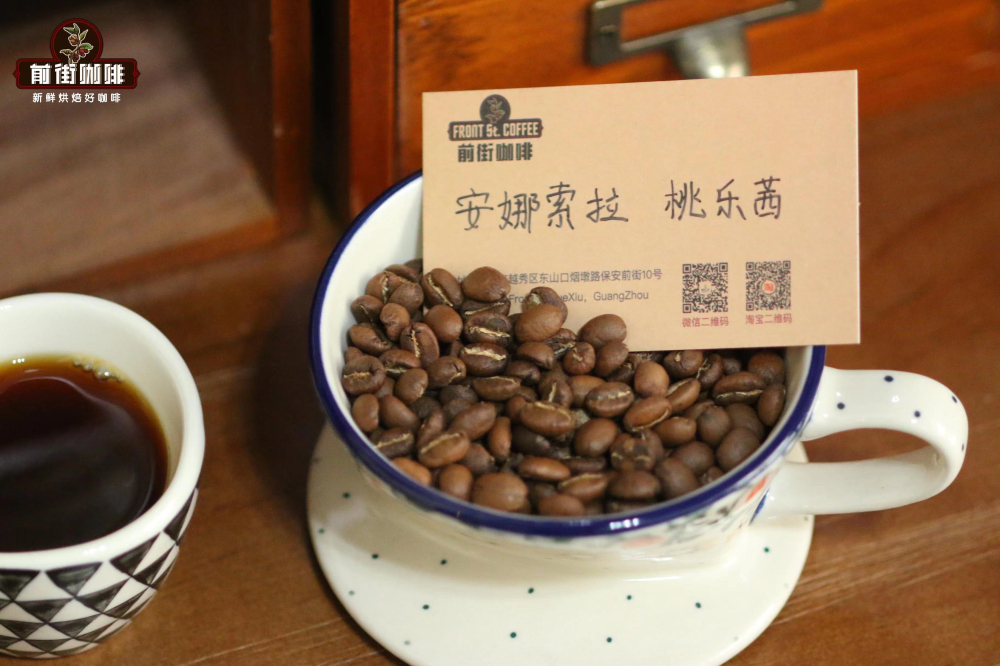
Among the many specialty coffees from Guji, a coffee with a primary aroma of white peach and oolong tea has recently become a hot topic in the market. This Dorothy coffee bean from the Ana Sora Estate, while fresh and sweet in flavor, breaks the stereotype that only South American coffees can produce fruit-forward profiles, delivering an impressive surprise.
The Ana Sora Estate is located at an altitude of 1,900 to 2,350 meters in the Guji region, boasting a superior geographical environment. The surrounding area is home to a variety of shade tree species such as acacia and Cordia africana, providing ideal growing conditions for coffee trees and helping the coffee cherries develop balanced acidity and sweetness with rich layers of flavor. Established in 2010, the estate covers a total area of 250 hectares, with 150 hectares dedicated to coffee cultivation. It is managed by second-generation owner Israel Degfa, who inherited his family’s experience in the coffee industry and is committed to improving coffee quality and processing techniques.
Notably, the Ana Sora Estate only established its own washed processing station in 2018, having previously produced only natural-process coffee. The processing station is located near the Turo River and utilizes natural water sources for washed processing, making it one of the few private estates in the Guji region capable of self-sufficiently completing the entire washed processing workflow. This highly autonomous production model also allows the estate to exercise stricter control over coffee quality.
This Dorothy coffee bean uses the local heirloom variety, part of Ethiopia’s common tradition of multi-variety planting, which boasts high genetic diversity and serves as a key foundation for its unique flavor profile. In terms of processing, the estate employs the enzymatic washed method: first, ripe red cherries are sorted to remove unripe or defective beans, then the pulp is removed using a depulper while retaining the intact mucilage layer. Next, the mucilage-covered parchment beans are placed in a sealed fermentation tank with specific enzymes for 24 hours of fermentation, followed by soaking in water for 48 hours, during which stirring helps the mucilage naturally separate. Finally, the beans are washed and evenly spread on raised beds to dry.
When a certain coffee brand’s roaster received this batch of green beans, they observed slight variations in bean size and a light green color. Instrument testing showed a moisture content of approximately 10.2%. Considering the inconsistent size of the heirloom beans, the roaster opted for a slower roasting pace and chose a medium-light roast to preserve more acidity, aroma, and bright flavor characteristics, perfectly highlighting the fruit-tea flavor profile of this coffee.
During cupping, this coffee exhibited delicate floral notes accompanied by intense peach aromas, with a clean acidity reminiscent of citrus fruits. The aftertaste left a sensation similar to oolong tea in the mouth, making its overall flavor profile strikingly similar to that of white peach oolong tea and delivering a smooth, layered taste experience.
If you’d like to brew this medium-light roasted coffee at home, the following parameters are recommended to fully bring out its flavors:
- Grind Size:80% passing through a Chinese standard No. 20 sieve (approximately equivalent to a fine grind; adjustment is recommended using a professional grinder such as the EK43s)
- Water Temperature:91°C (suitable for medium-light roasts, helping to extract flavor compounds)
- Coffee Dose:15 grams
- Coffee-to-Water Ratio:1:15
- Filter:Hario V60 (KONO is also an option, but V60 offers better flow rate control and extraction uniformity)
Specific steps are as follows: Place 15 grams of coffee grounds into the filter and gently shake to level. Start by pouring 30 grams of hot water in small circular motions from the center for a 30-second bloom. After blooming, continue pouring slowly from the center until reaching 125 grams for the first pour. When the water level in the filter is about to expose the coffee bed, pour again up to 225 grams. Total brew time should be controlled around 2 minutes to achieve the best flavor balance.
The above content is compiled by CoffeeHunters, a coffee news website.


