








Introduction:On hot summer days, a refreshing and smooth cold brew coffee becomes the top choice for many coffee enthusiasts. However, to extract a cold brew with balanced flavors and prominent sweetness, every step—from coffee-to-water ratio, grind size to brewing time—is crucial. This article will detail the parameter settings for both the ice drip and cold brew methods, offer practical operation suggestions, and share tips on selecting coffee beans suitable for cold brewing, helping you easily enjoy professional-grade cold brew flavors at home.
Want to make café-quality cold brew coffee at home but often unsure about parameters like coffee-to-water ratio, grind coarseness, or brewing time? In fact, by mastering the key elements, you can easily brew a cold brew that is smooth, with balanced acidity and sweetness. This article will systematically explain the parameter settings for the two mainstream cold brewing methods—ice drip and cold brew—and supplement with practical details, so you can master how to make a memorable cold brew in one go.
Cold brew coffee refers to the slow extraction of coffee grounds in water at low temperatures. Since the water temperature is generally between 0°C and 4°C, it not only reduces the release of tannins and impurities but also highlights more pronounced fruity acidity and sweetness while lowering bitterness. Additionally, the cold brew process usually takes over 6 hours, and can even last up to 24 hours, which is one of the biggest differences compared to hot brewed coffee.
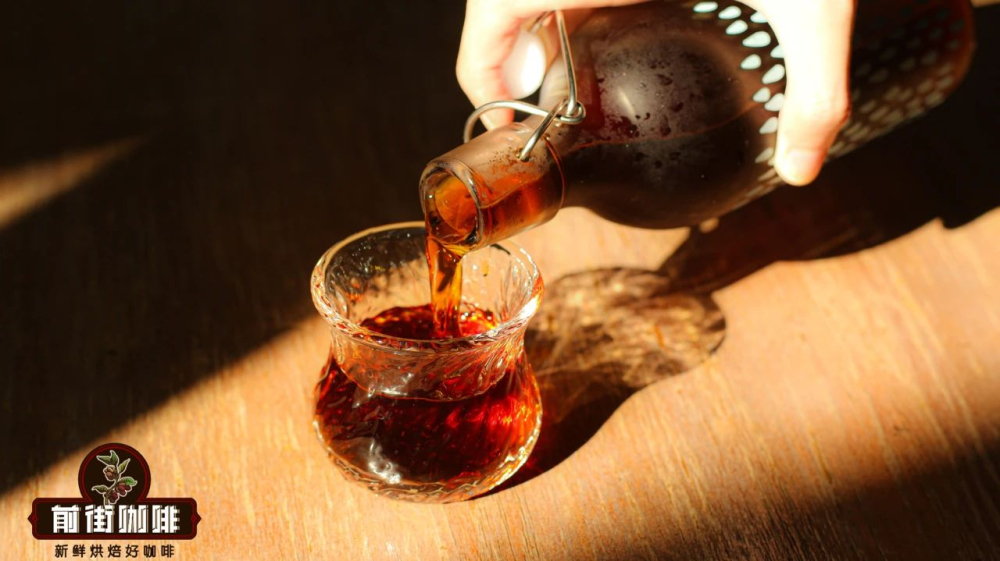
The history of cold brew can be traced back to the 17th century. It is said that Dutch merchant ships, aiming to avoid using open flames during long voyages, drew inspiration from Japan’s cold steeped tea technique and developed a method of steeping coffee grounds in cold water for extended periods—what we now consider the precursor to modern cold brew. With the rise of specialty coffee culture, this low-temperature, long-duration extraction method has gradually gained global popularity for its ability to showcase the nuanced flavors of coffee beans.
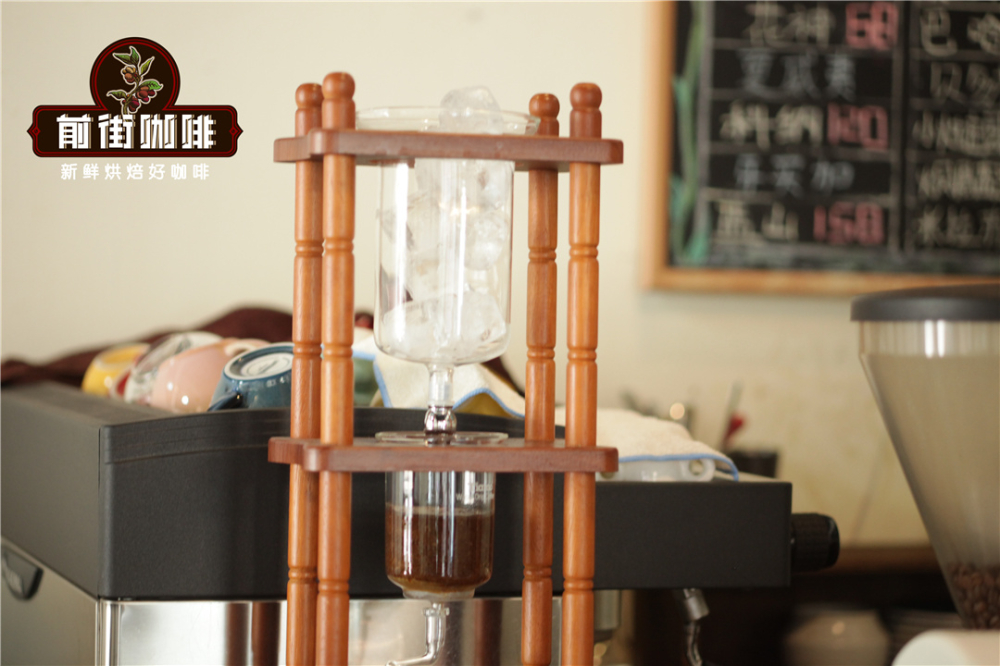
Common forms of cold brew mainly fall into two categories: ice drip (Cold Drip) and cold brew (Cold Brew). The former extracts coffee grounds gradually by controlling the dripping rate of ice water at a fixed pace, while the latter involves placing coffee grounds and cold water together in a sealed container, letting it sit and steep in the refrigerator. Each has its own characteristics and suits users with different needs and equipment conditions.
Next, let’s first introduce the practical approach and recommended parameters for ice drip coffee. In practice, it is suggested to use a medium-coarse grind size, about 80% passing through a Chinese standard No. 20 sieve. The coffee-to-water ratio should be controlled at 1:10, which is 60 grams of coffee grounds to 600 milliliters of water. The brewing time is generally 6 to 8 hours, with the water temperature maintained at a low level, around 0°C to 4°C, which helps bring out clearer berry notes and sweet acidity.
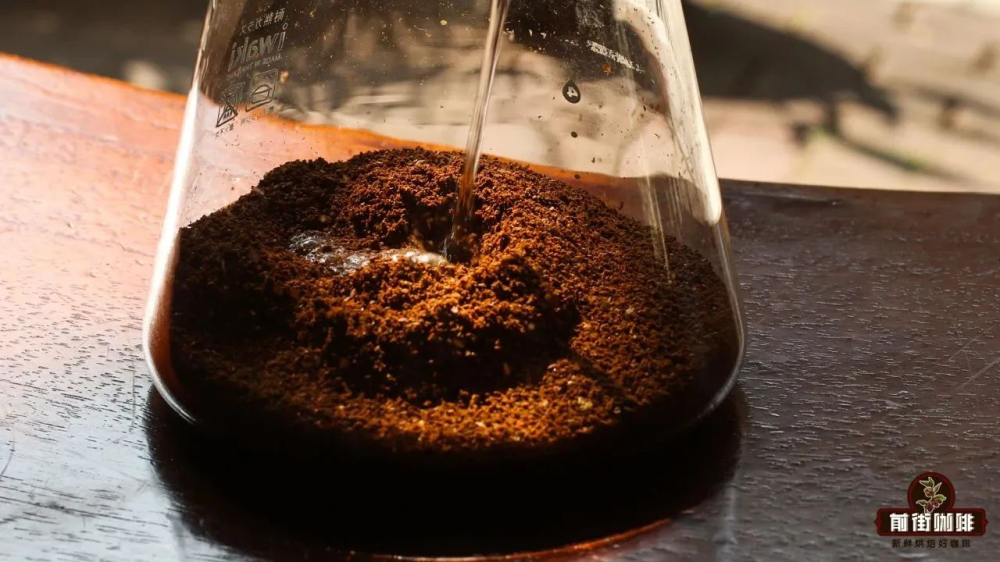
In terms of specific steps, start by placing a round filter paper at the bottom of the coffee grounds cup and lightly moistening it. This helps evenly distribute the coffee grounds and prevents the coffee bed from collapsing. Then pour in the coffee grounds and gently shake them flat, followed by covering with another filter paper to prevent the ice water from directly impacting the coffee layer, which could cause uneven extraction or “coffee pit” formation. Next, slowly pour a small amount of ice water at the center point to pre-wet the grounds, helping them fully bloom. Afterward, connect the water reservoir containing the ice water mixture to the dripping device and adjust the dripping rate to about 7 drops per 10 seconds, continuing the extraction for 6 to 8 hours. Once brewing is complete, it is recommended to pour the coffee liquid into a sealed glass bottle and refrigerate it overnight to allow the flavors to meld further, resulting in a richer and smoother taste.
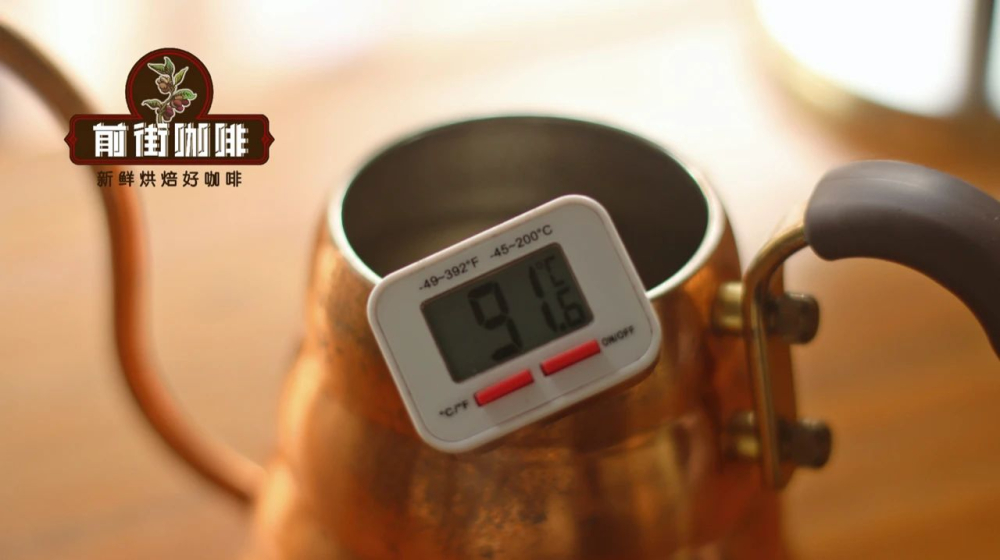
As for why a 1:10 coffee-to-water ratiois recommended? This is mainly to accommodate different drinkers’ taste preferences—it satisfies those who prefer a stronger flavor and also allows for moderate dilution with ice cubes to achieve a refreshing and balanced drinking experience. Moreover, the second filter paper on the coffee layer helps stabilize the water flow and prevents localized over-extraction or under-extraction due to concentrated force from the ice water.
If you don’t have professional ice drip equipment at home, don’t worry—cold brew coffee can also achieve a similar flavor profile and is much simpler to make. Just place medium-coarse ground coffee (also recommended to be about 80% passing through a No. 20 sieve) into a sealable glass container, add room temperature or ice water according to a 1:10 coffee-to-water ratio , stir well, seal, and refrigerate for 8 to 12 hours. After extraction, remember to filter out the coffee grounds using a filter cloth or paper, then bottle the pure coffee liquid and store it in the refrigerator. It is recommended to consume within 3 to 7 days for optimal flavor.
Many people often mistakenly believe that cold brew coffee has lower caffeine content. In fact, because the water and coffee grounds are in contact for a longer time, caffeine is released more thoroughly, so cold brew usually contains more caffeine than iced americano. If you are sensitive to caffeine, it is recommended to drink in moderation or choose lightly roasted beans to reduce stimulation.
When it comes to selecting coffee beans, beans suitable for cold brew typically feature bright acidity and rich fruitiness. Many baristas recommend choosing beans processed via natural or honey methods, as these can showcase layered flavors like berries, citrus, and even fermentation notes under low-temperature extraction. Among them, beans from Ethiopia’s Sidamo region, processed by Buku Abel washing station, are often used to make cold brews with refreshing and captivating flavors due to their prominent berry and passion fruit aromas.
This bean, often referred to as “Hua Kui,” is known for its delicate berry juice-like flavors and a long-lasting creamy finish. When extracted via the ice drip method, its sweet-acid balance is especially prominent, as if drinking an iced mixed berry juice—the acidity is fresh yet not harsh, and the aftertaste is rounded and persistent. Even as the ice melts, the overall flavor layers remain distinct, making it a top choice for many cold brew enthusiasts.
In summary, the charm of cold brew coffee lies in its ability to fully showcase the intrinsic flavor characteristics of coffee beans through low-temperature, long-duration brewing, making it especially suitable for summer consumption. Whether you choose ice drip or cold brew, as long as you master key parameters such as coffee-to-water ratio, grind size, and time, and select suitable beans, you can easily enjoy a professional-level cold brew experience at home. Don’t forget to experiment with different ratios and bean varieties to find your perfect cup.
The above content is compiled by CoffeeHunters, a coffee news website.


