







Introduction:Want to understand the potential of Yunnan specialty coffee? This article delves into the unique flavors of the Typica variety from the Lincang growing region, exploring everything from regional climate and cultivation challenges to the details of traditional sun-dried processing. Discover this coffee bean with distinct dried fruit sweetness, plum acidity, and a black tea finish. We also provide practical pour over recommendations to help you extract a richly layered cup using a V60.
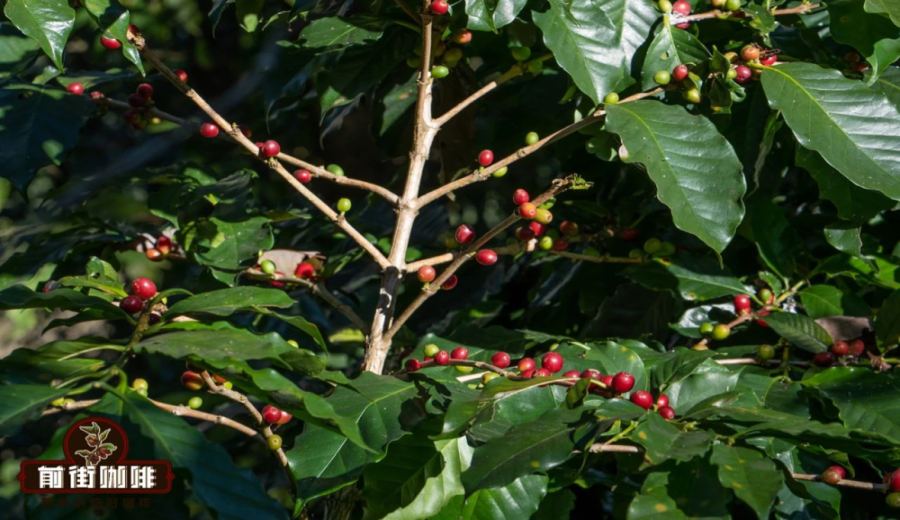
Typica, one of the oldest Arabica varieties, is not only a key component of the three essential elements of specialty coffee but also a classic in the hearts of many coffee enthusiasts. In China’s Yunnan, growing regions such as Pu’er, Baoshan, Dehong, and Lincang each have their own characteristics. Among them, Lincang, with its high altitude and significant diurnal temperature variation, has become an ideal place for cultivating high-quality coffee. One brand, even before diving into the roasting business, chose Lincang to establish its own estate, insisting on planting the challenging Typica variety and using traditional sun-dried processing—resulting in uniquely flavored sun-dried Typica beans.
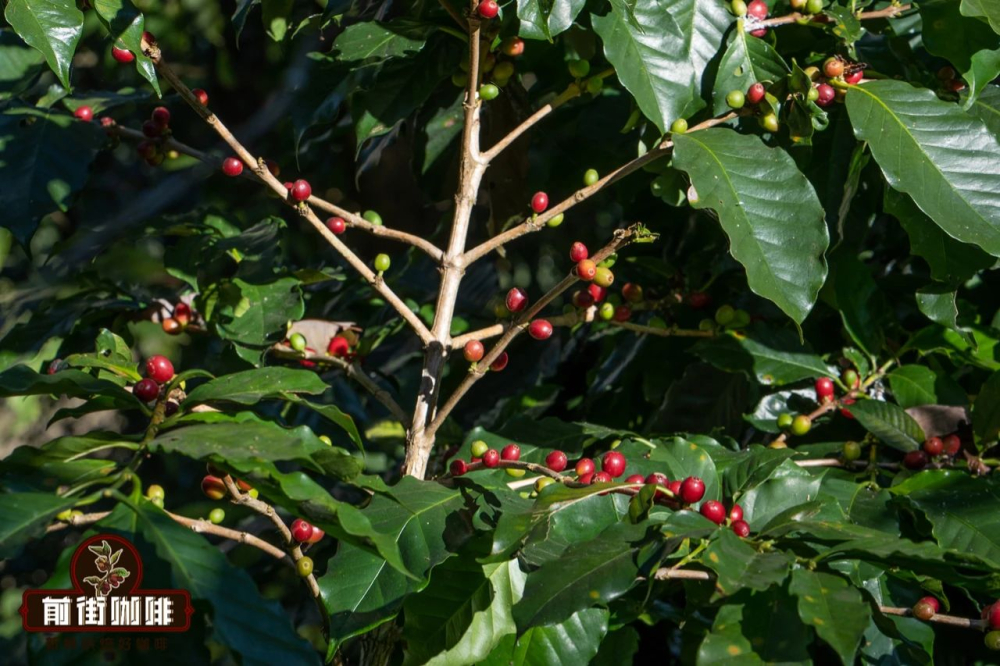
Many coffee beginners may initially only know internationally renowned beans like Blue Mountain, but as the international visibility of Yunnan’s small-grain coffee rises, the potential of this land is gradually gaining attention. From Pu’er to Baoshan, each growing region, due to differences in altitude and climate, produces coffee with distinct flavor profiles. For example, in Pu’er, many counties plant at altitudes between 700 to 1600 meters, with an average annual temperature of 17 to 20°C; the coffee from Baoshan’s Ludian was once rated as first-class by the British market in the late 1950s. Lincang, located near the Tropic of Cancer, combines high altitude with abundant rainfall and significant diurnal temperature variations, making it an emerging hotspot for specialty coffee cultivation.
Currently, the most commonly seen Yunnan coffee beans on the market are the Catimor variety, which, due to its Robusta lineage, is highly disease-resistant and yields three times that of Typica, but its flavor profile is relatively thin, with a bitter aftertaste. In contrast, Typica, as an original branch of Arabica, though more challenging to cultivate and lower in yield, can deliver richer fruity aromas and sweetness. The decision by one brand to establish itself in Lincang was precisely because of the region’s exceptional natural conditions—bordering Myanmar to the west, with a mild climate, ample rainfall, and significant diurnal temperature variation, all of which are conducive to coffee cherries accumulating sugars and flavor compounds.
The cultivation journey of this brand began with a deep understanding of the three essential elements of specialty coffee (variety, altitude, and processing method). Half a year before entering the roasting field, the team abandoned their Guangdong planting plan and went to Yunnan to find suitable land. Faced with Typica’s high demands for field management and sensitivity to prolonged sun exposure, the estate maintained biodiversity to create a natural growing environment. It took three to four years from seedling cultivation to the first harvest, and now entering the second harvest season, every step is dedicated to presenting the true flavors of Yunnan specialty coffee.
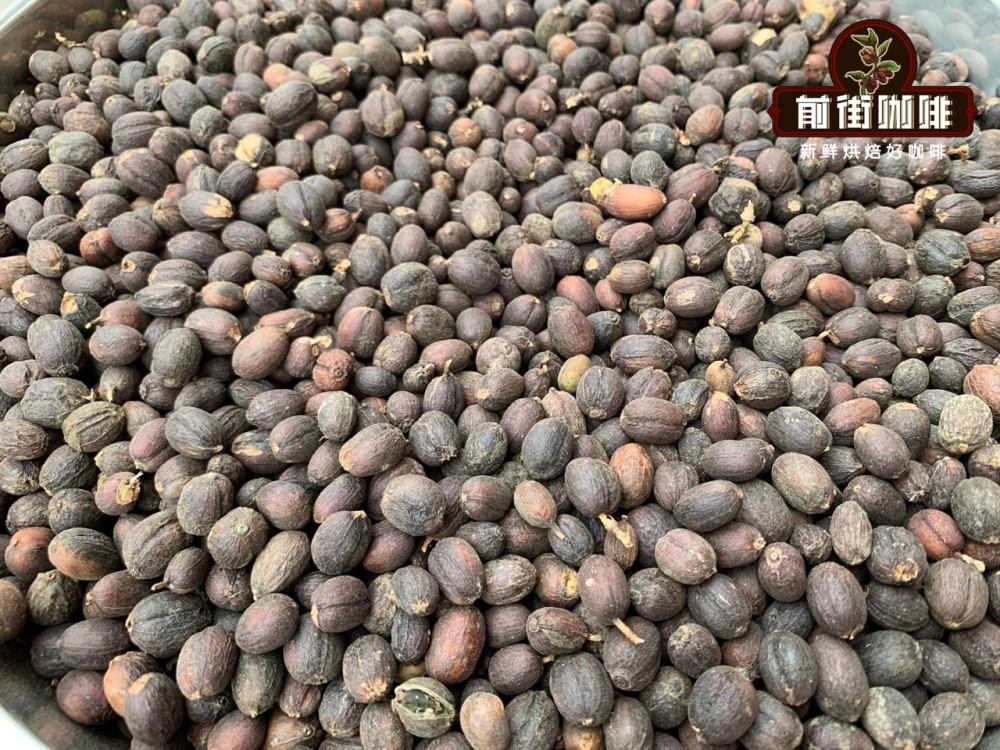
This brand’s 2013 Yunnan Sun-Dried Typica uses traditional sun-dried processing: whole red cherries are evenly spread on drying beds, and their sugars are preserved through a long drying process. Workers need to frequently turn the coffee cherries to avoid over-fermentation. This method imparts the beans with rich aroma, prominent dried fruit sweetness, paired with gentle plum acidity and intense nutty tones, and a long-lasting brown sugar sweetness and black tea-like finish, creating a unique layered profile.
To fully experience the charm of these beans, it is recommended to use freshly roasted coffee beans (ideally within 5 days post-roast) and allow for a 4–7 day resting period. For pour over, we recommend using a Hario V60 filter, with water temperature controlled at 90°C, a coffee dose of 15 grams, and a brew ratio of 1:15. The grind size should be around 75% passing through a Chinese standard No. 20 sieve—equivalent to a medium-fine grind, balancing extraction efficiency and flavor clarity. Specific steps: start with a 30-second bloom using 30 grams of water, then slowly pour water in a circular motion from the center outwards to 125 grams, wait for the water level to drop slightly, and continue pouring to 225 grams. Total brew time is about 2 minutes. Note that ground coffee degasses faster, so it’s best to grind and brew immediately to preserve optimal flavor.
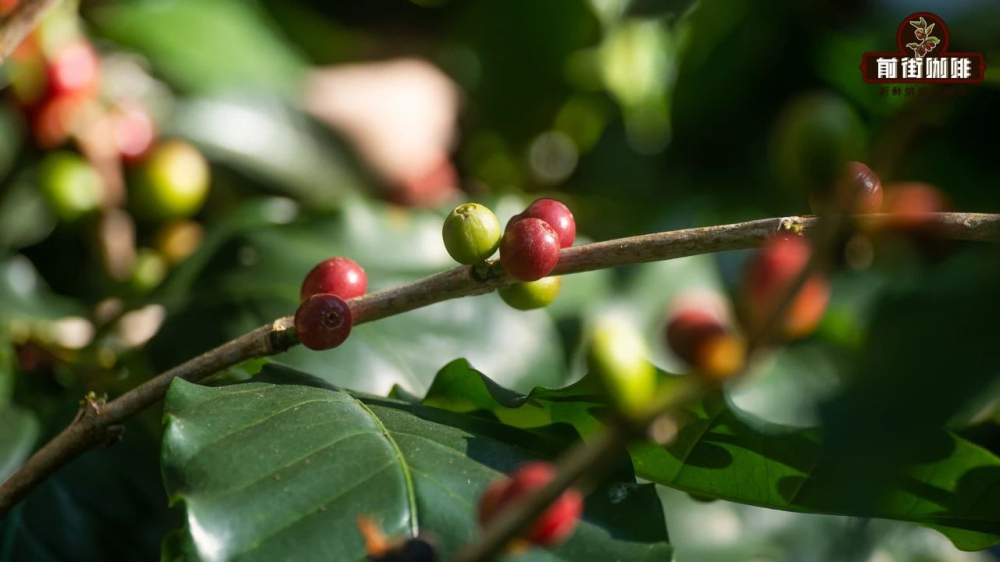
Whether exploring the diverse flavors of the Yunnan growing region or mastering the brewing techniques for sun-dried beans, this Typica offering provides a profound experience for coffee enthusiasts. From regional characteristics to processing methods, every step reflects the artisan philosophy behind specialty coffee.
The above content is compiled by CoffeeHunters, a coffee news website.


