







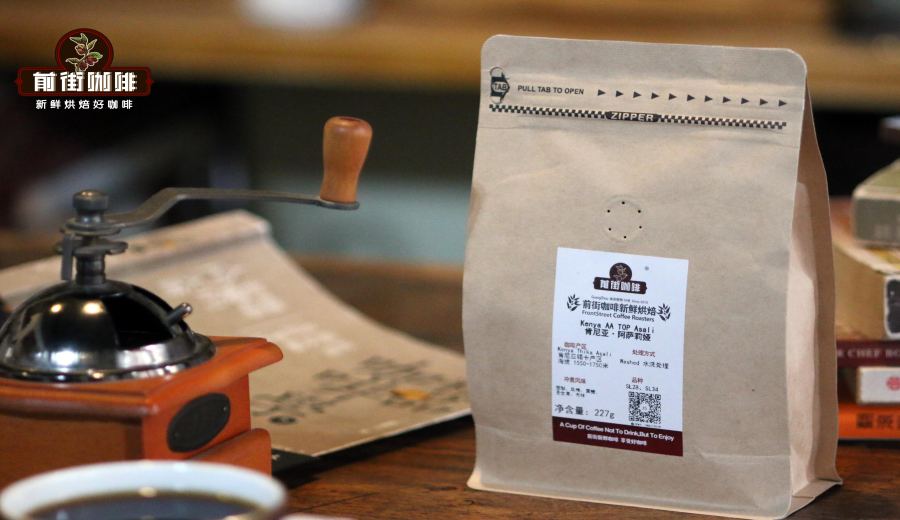
Introduction:Kenya AA-grade coffee beans, renowned for their bright acidity and rich fruity aroma, have long been a favorite among specialty coffee enthusiasts. This article delves into the natural conditions and farming background of the Thika region, introduces the unique K72 double fermentation washed processing method, and highlights the flavor characteristics of the two classic varieties, SL28 and SL34. It also provides practical pour over recommendations, including using a V60 filter, 92°C water temperature, a 1:15 coffee-to-water ratio, and a three-stage pouring technique to help you easily recreate Kenya coffee’s layered flavors—black plum, dark plum, and the lingering taste of black tea.
In the world of specialty coffee, Kenya AA-grade beans have always been known for their large bean size, vibrant acidity, and distinct flavors, especially favored by coffee drinkers who pursue bright fruit acids and clear layers. This article takes Kenya AA-grade coffee from the Thika region as an example, detailing its growing environment, processing techniques, and variety characteristics, and shares a professional-level pour over method so you can brew representative Kenyan flavors at home— the sweet and sour interplay of black plum and dark plum, along with a soft black tea finish.
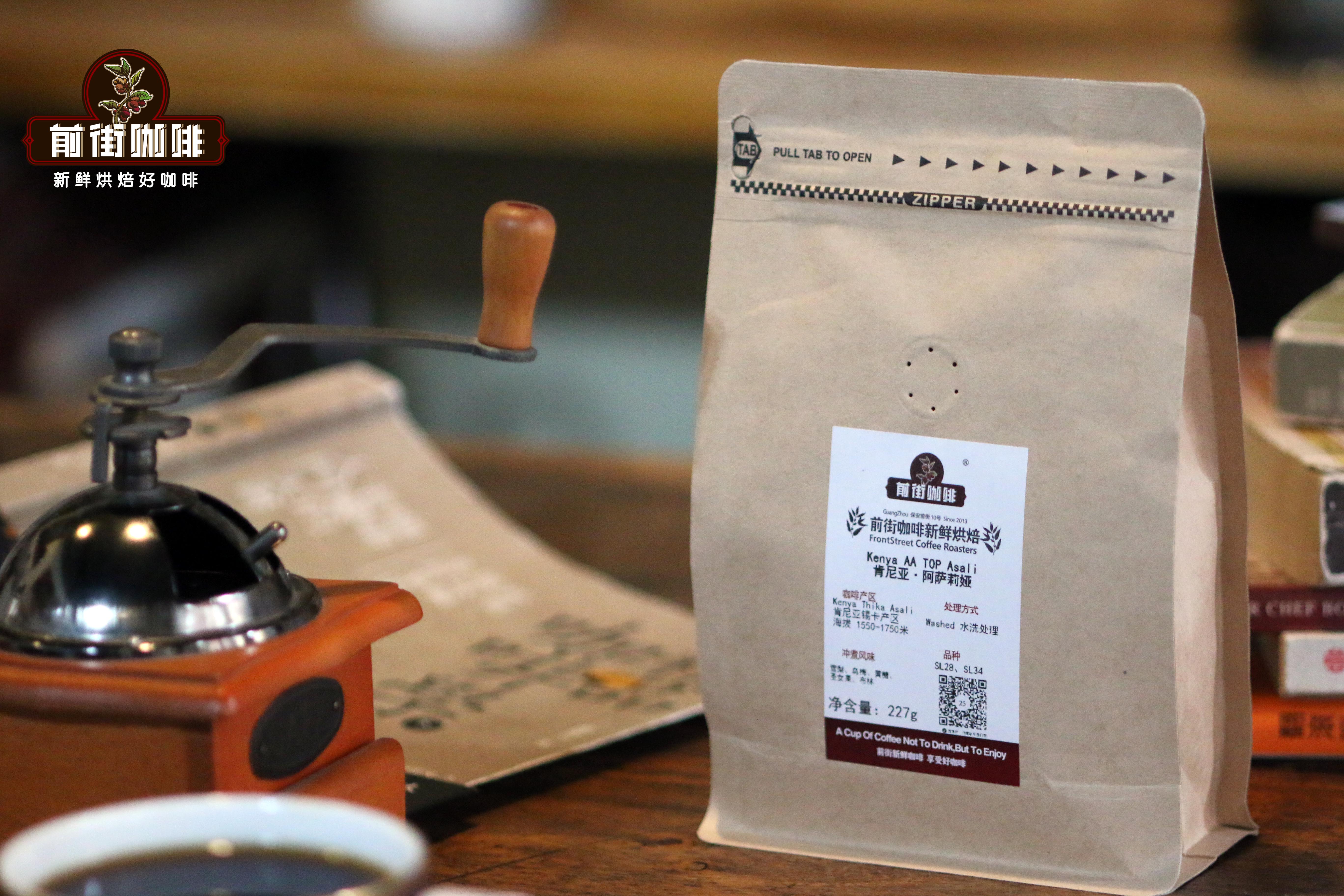
Kenya’s coffee grading system is extremely rigorous, primarily based on bean size, shape, color, and density. Among these, ‘AA’ is the highest grade, typically representing the largest beans, highest density, and richest potential for aroma and flavor. The Thika region is located near Kenya’s capital, Nairobi. Though it is an industrial town, it enjoys uniquely favorable growing conditions, surrounded by farmland and natural waterfalls. The region’s coffee-growing history dates back to the late 19th century when coffee seeds were first introduced from Ethiopia. After years of local selection and breeding, it gradually developed into today’s variety structure dominated by SL28 and SL34.
The Thika region currently has about two thousand coffee farmers, with planting altitudes ranging between 1550 and 1750 meters. Such altitude helps coffee cherries ripen slowly, thereby accumulating richer sugars and flavor compounds. The local climate is stable, with significant day-night temperature differences, coupled with fertile volcanic soil, providing an ideal foundation for producing high-quality coffee. Coffee from Thika generally features distinct fruit acidity, a full-bodied berry juice sensation, and a soft honey-like sweetness, making it a highly recognizable representation of Kenyan flavor.
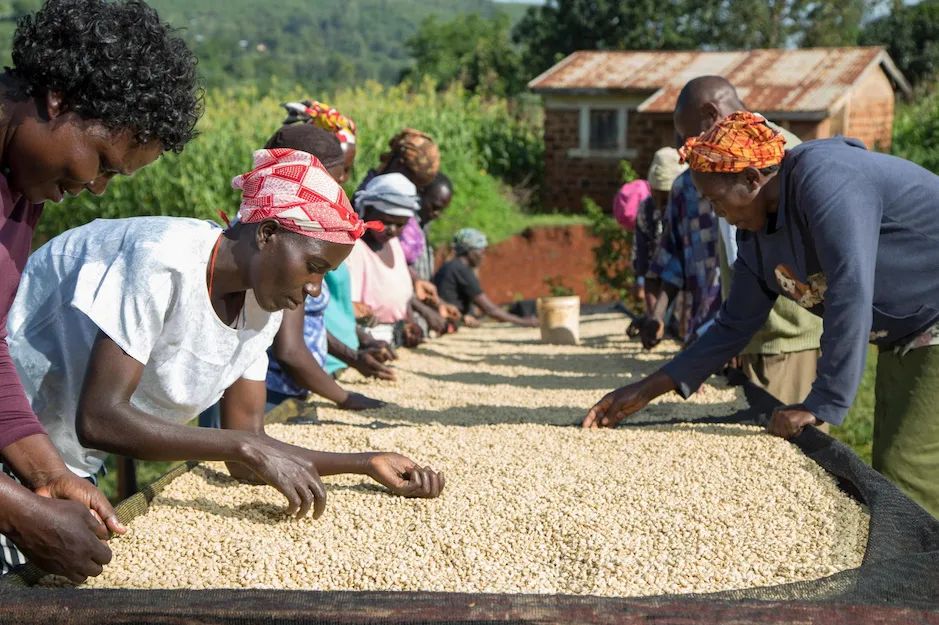
Speaking of what makes Kenyan coffee unique, one cannot overlook its distinctive K72 washed processing method. Unlike the single fermentation process commonly used in Central and South America, Kenya employs double or even triple fermentation steps, with the entire process lasting 72 hours—hence the name ‘K72’. The specific process is as follows: after harvesting, the coffee cherries are first rigorously sorted to remove defective beans, then the pulp is removed and the first 24-hour fermentation takes place, followed by thorough rinsing with clean water; this is then repeated with another 24-hour fermentation and rinse, cycling through three rounds for a total of 72 hours of fermentation. This method not only effectively removes the mucilage layer and impurities, but also significantly enhances the coffee’s cleanliness and acidity, resulting in a more three-dimensional and layered final flavor.
The soul of Kenyan coffee flavor owes largely to its unique planted varieties, particularly SL28 and SL34. These two varieties were both developed by the Scott Laboratories in Kenya during the 1930s, when the lab created a series of disease-resistant and high-flavor new varieties in response to the spread of coffee berry disease. SL28 and SL34 not only demonstrate outstanding disease resistance, but also stand out for their unique balance of sweet and sour and complex flavor structures, becoming representatives of Kenyan coffee. In cupping, these two varieties often exhibit clear citrus and dark plum notes, along with excellent sweetness and multi-layered fruit flavors, earning high praise from coffee professionals worldwide.
For pour over enthusiasts, reproducing the vivid characteristics of Kenya AA-grade coffee is both a challenge and a delight. Since such coffees are usually lightly roasted to preserve their rich floral and fruity aromas, special attention must be paid to water temperature, grind size, and pouring technique during extraction. It is generally recommended to use hot water around 92°C, paired with a grind setting of approximately 80% passing through a #20 standard sieve—about the coarseness of fine sugar—which helps fully release the aromatic compounds and acidic compounds in light-roast beans.
When it comes to filter choice, the resin-made V60 dripper is a top pick for many professional baristas. Its unique spiral channel design and central large hole structure not only allow water to evenly pass through the coffee grounds, but also extend the contact time between water and coffee, thereby enhancing extraction efficiency and layering. In practice, it is recommended to use a 1:15 coffee-to-water ratio (e.g., 15 grams of coffee to 240 grams of water), and control the extraction rhythm with a three-stage pouring method: first pour 30 grams of hot water for a 30-second bloom to awaken the coffee grounds; then pour 120 grams of water with slightly more flow, pausing when about half the total water volume is reached; finally, pour the remaining 90 grams of water with a finer stream in small circles to ensure even and balanced extraction. The entire pouring process takes about 2 minutes and 10 seconds, fully showcasing Kenya coffee’s characteristic bright fruit acidity and the soft aftertaste reminiscent of black tea.
The above content is compiled by CoffeeHunters, a coffee news website.


