







Introduction:From coffee cherry to a cup of rich brew, the processing method is a key factor that determines flavor. This article delves into six common processing techniques — natural (sun-dried), washed, honey (pulped natural), semi-washed, anaerobic, and wine barrel fermentation — providing a detailed breakdown of each step, technical highlights, and their actual impact on flavor. Real-world examples are included to help readers understand the characteristics and ideal scenarios for each method, offering clearer guidance whether selecting beans or brewing.
The journey of coffee from bright red cherry-like fruit to the familiar green bean hinges on a series of precise processes that remove the outer layers. These steps not only affect the appearance of the green bean but also directly determine the final flavor profile of the coffee. From traditional methods like natural, washed, semi-washed, and honey processing, to the increasingly prominent anaerobic and wine barrel fermentation techniques, each method has its own unique craftsmanship and flavor expression. This article will comprehensively introduce the procedures, key technical points, pros and cons of these six processing methods, analyze how they shape coffee flavors, and use real-life cases to reveal the secrets behind each.
 Coffee beans are essentially the seeds of the coffee cherry, so the outer layers — including the skin, pulp, mucilage, and parchment — must first be removed to extract the inner bean. Initially, these beans are often white, pale green, or light yellow, and must be roasted to achieve the familiar dark brown color. This entire process of removing the outer layers is called “processing,” and it’s the first step in flavor formation.
Common traditional processing methods include natural, washed, semi-washed, and honey processing, while recent years have seen innovative techniques such as anaerobic and wine barrel fermentation, continually pushing the boundaries of coffee flavor. The main differences among these methods lie in how the pulp and mucilage are handled, and whether microbial fermentation is utilized, which in turn affects the final cleanliness, acidity, sweetness, and aroma complexity of the coffee.
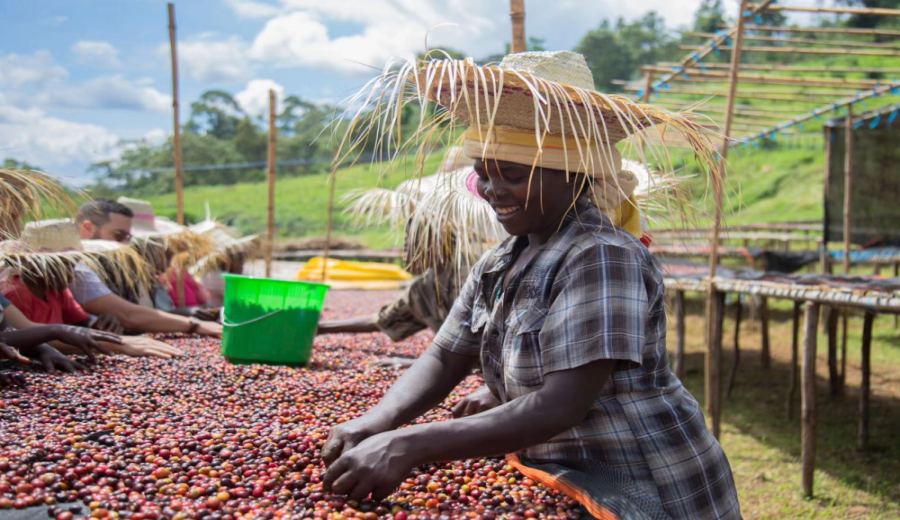
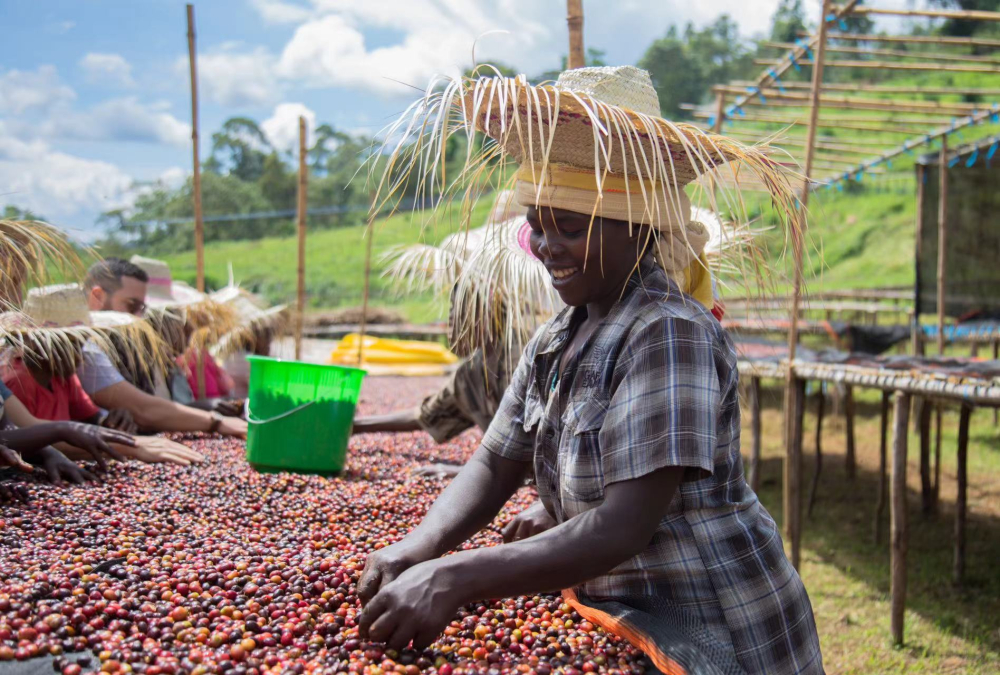
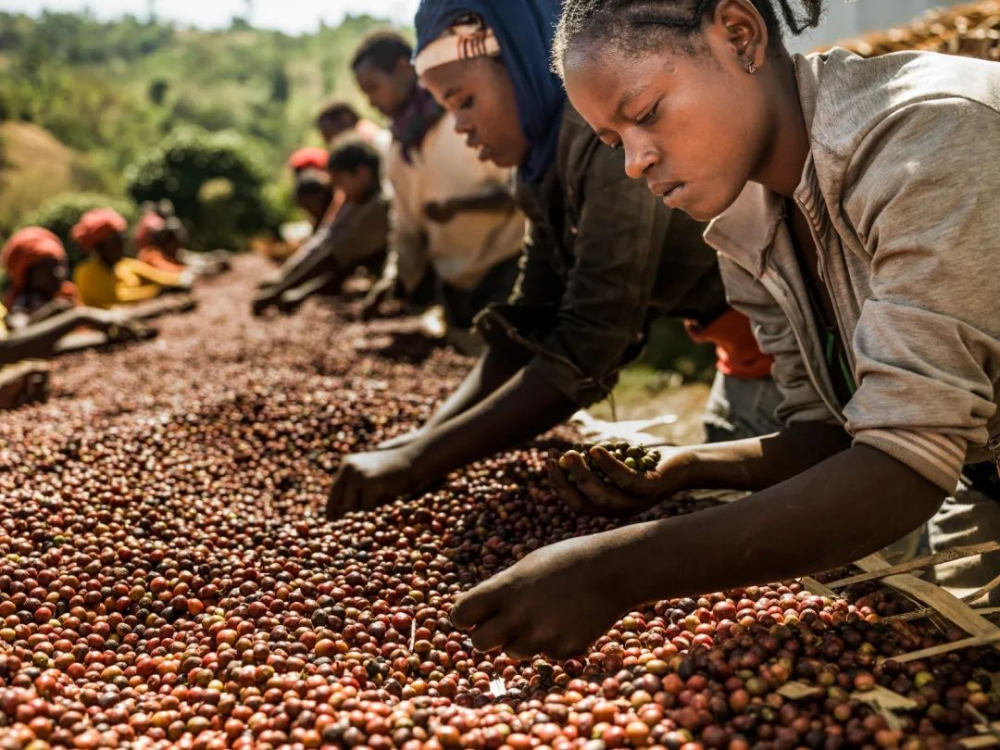
Natural (Sun-Dried) Processing MethodThis is the most traditional and lowest-cost method, based on the principle of naturally drying the whole coffee cherry in the sun. Typically, harvested red cherries are spread out on drying beds and left to dry in the sun for about a week, with the frequency of turning adjusted according to weather conditions until the pulp and skin are completely dry and hardened. The outer hard shell is then removed using a hulling machine, and defective beans are sorted out to complete the process. The biggest advantage of this method is that it doesn’t require additional water, making it suitable for dry climates. However, it has drawbacks such as long drying times, large space requirements, and a higher likelihood of defects due to uneven drying. In terms of flavor, the fermentation from the pulp often results in intense fruitiness and wine-like notes, with low acidity but rich sweetness.
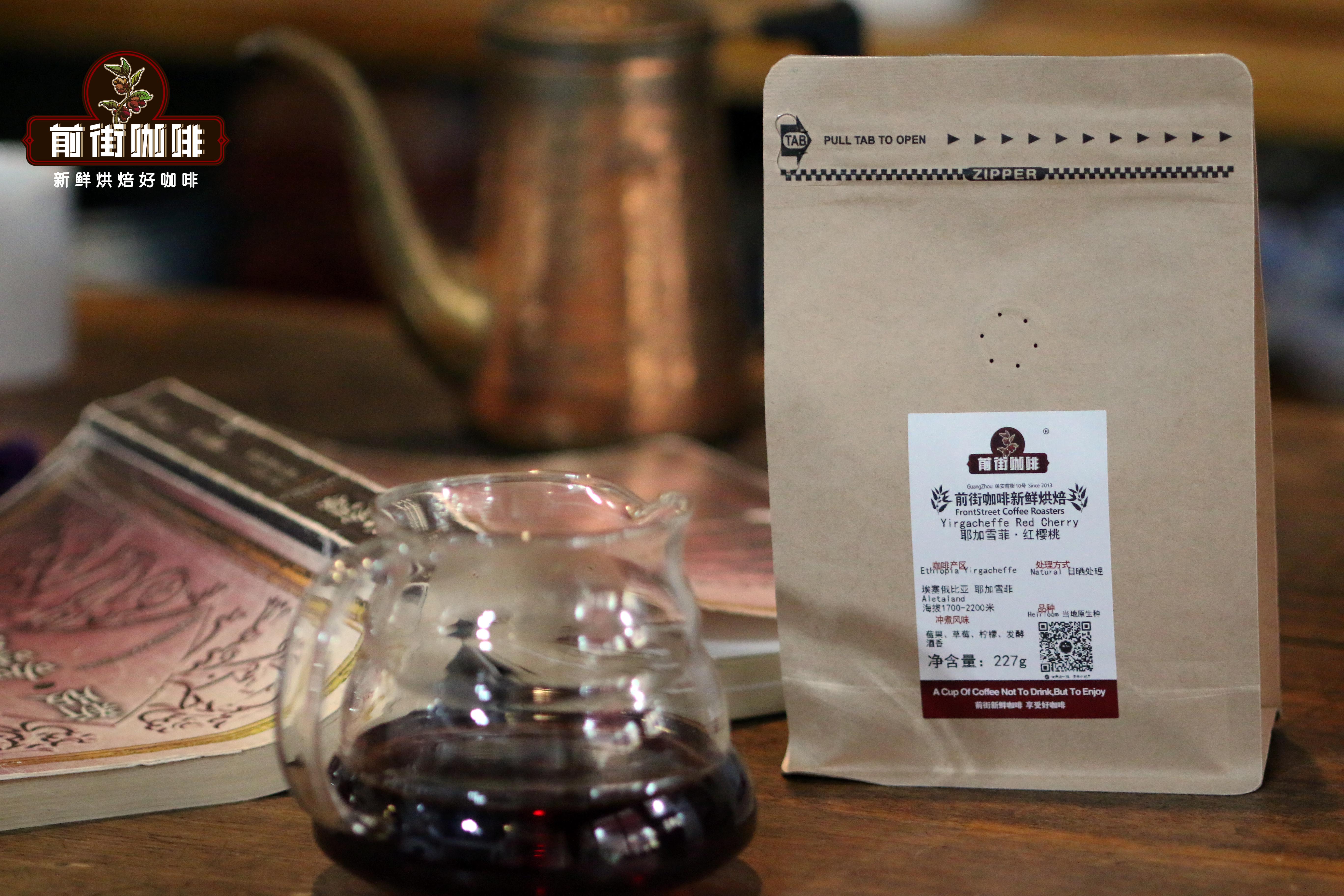
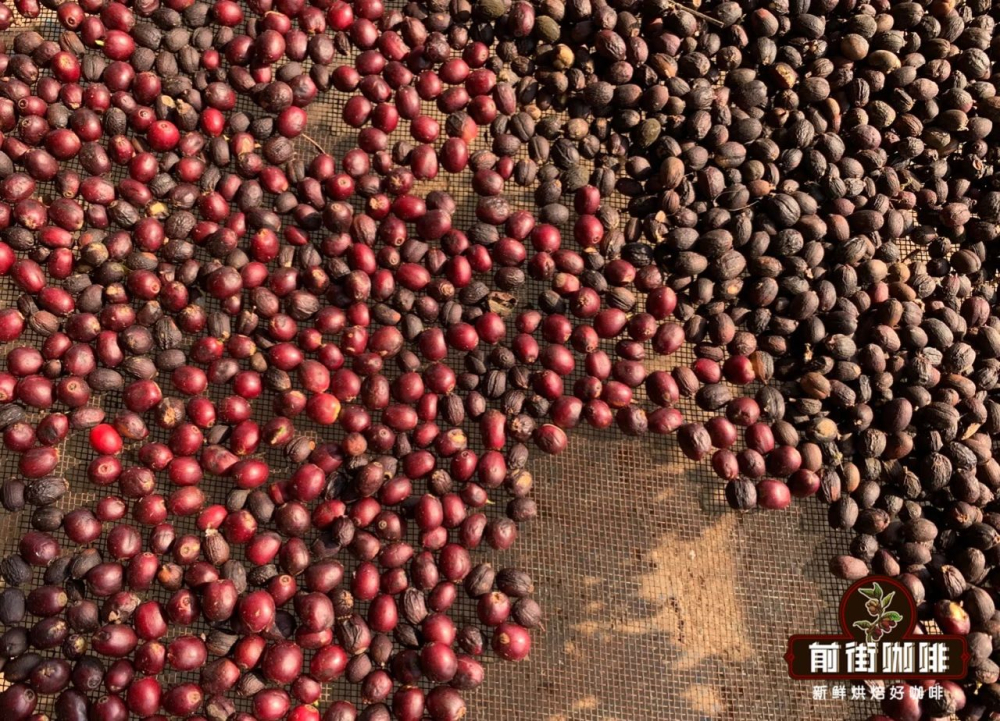 Taking practical examples, some meticulously processed natural beans, such as those from certain regions in Yirgacheffe, use more rigorous manual sorting and extended drying periods of 27–30 days, ultimately yielding complex profiles. Not only are the fruit notes pronounced, but there’s also a distinct fermented wine character and high sweetness.
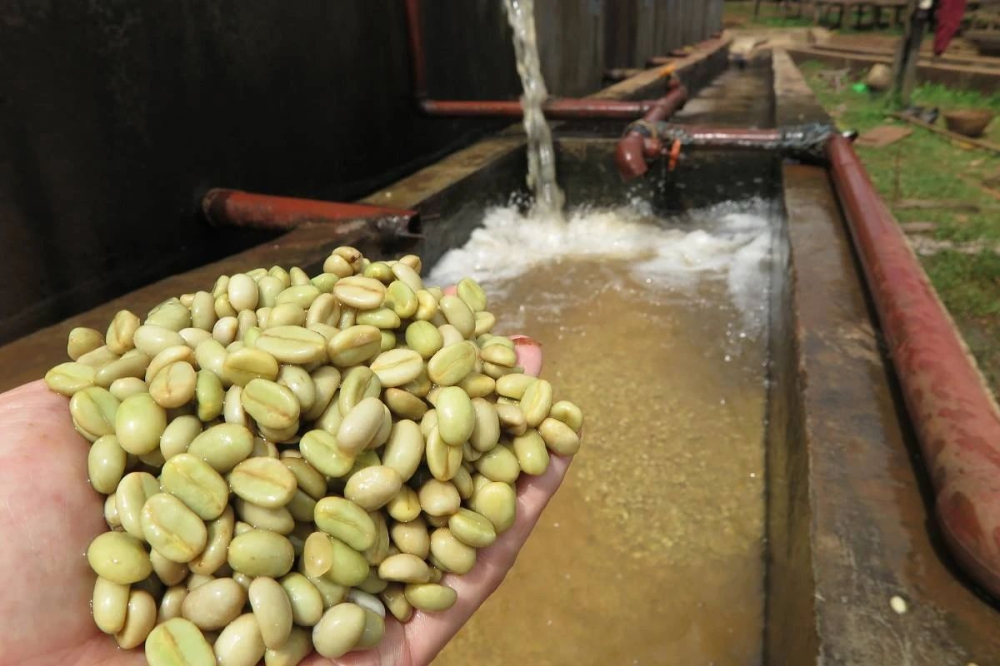
Washed Processing MethodThis method developed in environments with abundant water resources. It involves using water channels to remove impurities, then mechanically stripping off the skin and pulp, followed by breaking down the attached mucilage via microbial fermentation in tanks, and finally washing and drying the beans. This method consumes a lot of water, but its advantage lies in controllable processing conditions, enabling the stable production of clean, high-acidity coffees with bright acidity. Since the pulp does not undergo prolonged fermentation, more malic and citric acids are preserved, often resulting in flavors marked by clear floral and fruity acidity with distinct regional characteristics.
Due to its meticulous steps, washed processing can effectively sort out defective beans, leading to more consistent overall flavors. It is ideal for coffee enthusiasts looking to experience the “terroir” of a single origin. For example, some Ethiopian washed Yirgacheffes, when roasted to a medium-light level, exhibit fresh citrus tones and elegant floral notes with outstanding cleanliness, making them an excellent entry point for exploring washed flavors.
Combining the concepts of natural and washed processing gives rise to what is known assemi-washed or honey processing. These methods first remove the skin and pulp via washing, but instead of completely washing away the mucilage, it is partially retained and then removed mechanically before sun drying. The key lies in how much mucilage is left on, which directly impacts the final flavor and processing difficulty. For instance, retaining about 10% mucilage is called “white honey,” with flavors close to washed processing and a cleaner taste; around 25% is termed “yellow honey,” where the beans are slightly yellowish; 50% retention is “red honey,” yielding a richer flavor; and “black honey,” which retains 100% of the mucilage, requires longer drying times and produces extremely complex, sweet flavors.
It’s worth noting that the term “honey” in honey processing doesn’t refer to actual honey, but describes the viscous, honey-like texture of the mucilage. Different levels of mucilage retention create varied flavor profiles, and this is also a signature technique in many Central and South American producing regions.
As forwet hulling (Giling Basah), it’s a unique processing method found in Southeast Asia, especially Sumatra in Indonesia. Developed in response to long rainy seasons and limited sunlight, this method is similar to washed processing, but after removing the pulp, the beans with mucilage are briefly fermented and washed, then dried with the parchment layer still on. When the moisture content is maintained at around 20%–24%, a machine removes the outer parchment layer, and drying continues until the moisture level reaches 13%. Because the beans are hulled during the drying process, exposing them to a humid environment, unique microbes can develop, leading to the grassy, spicy, and woody aromas commonly found in Indonesian coffees. The resulting flavors are distinctive and highly recognizable.
The recently emerginganaerobic processing methodinvolves controlling the fermentation environment by placing the mucilage-covered coffee beans (with skin and pulp removed) into sealed stainless steel tanks. Oxygen is removed, allowing anaerobic bacteria to ferment under specific temperature, pressure, and pH conditions for about 18–24 hours. This method demands strict control over environmental parameters, but it can produce coffee with exceptional complexity and fermentation characteristics. A common variation is anaerobic natural, where anaerobic fermentation is introduced during the sun-drying process to further enhance fruitiness and wine-like notes. For instance, some anaerobically processed beans showcase intense tropical fruit profiles and distinct fermented aromas, bringing a fresh dimension to traditional processing methods.
The above content is compiled by CoffeeHunters, a coffee news website.


