







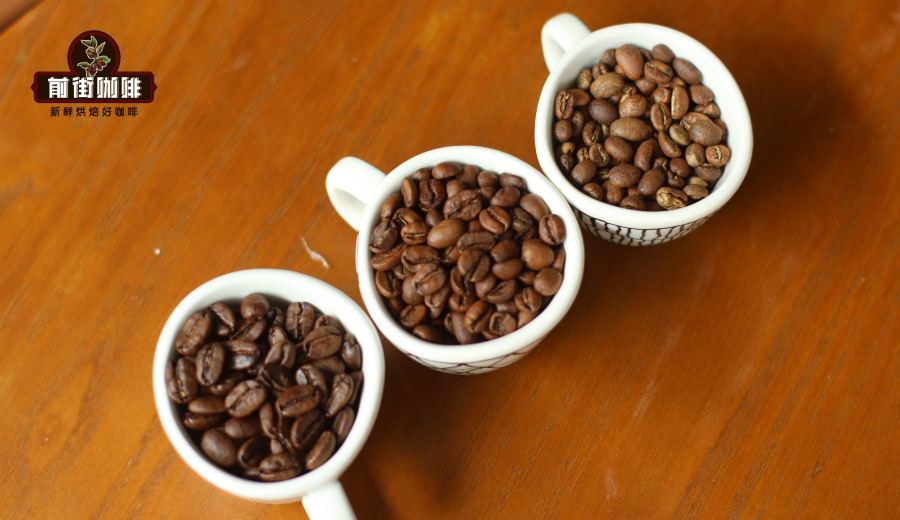
Introduction:Dark roast coffee is beloved by coffee enthusiasts for its rich, bold flavors and sweet aftertaste. However, to successfully extract the unique characteristics of dark roast beans, it's essential to fine-tune the coffee-to-water ratio, grind size, water temperature, and pouring technique. This article uses the classic Indonesian Golden Mandheling as an example to break down key techniques at every step — from bean selection to pour over brewing — helping you easily brew a dark roast pour over with nutty, chocolatey, and caramel notes.
The charm of dark roast coffee lies in its robust and full-bodied mouthfeel, along with its layered aftertaste, often accompanied by aromas of nuts, chocolate, and caramel. It’s a favorite among many coffee connoisseurs. However, to fully showcase these deep flavors, every aspect of the pour over process must be precisely adjusted. Next, we’ll take an in-depth look — from coffee bean selection, processing methods, and storage conditions, to coffee-to-water ratio, grind coarseness, water temperature control, filter choice, and most importantly, the segmented pouring technique — to help you master the art of brewing dark roast coffee.
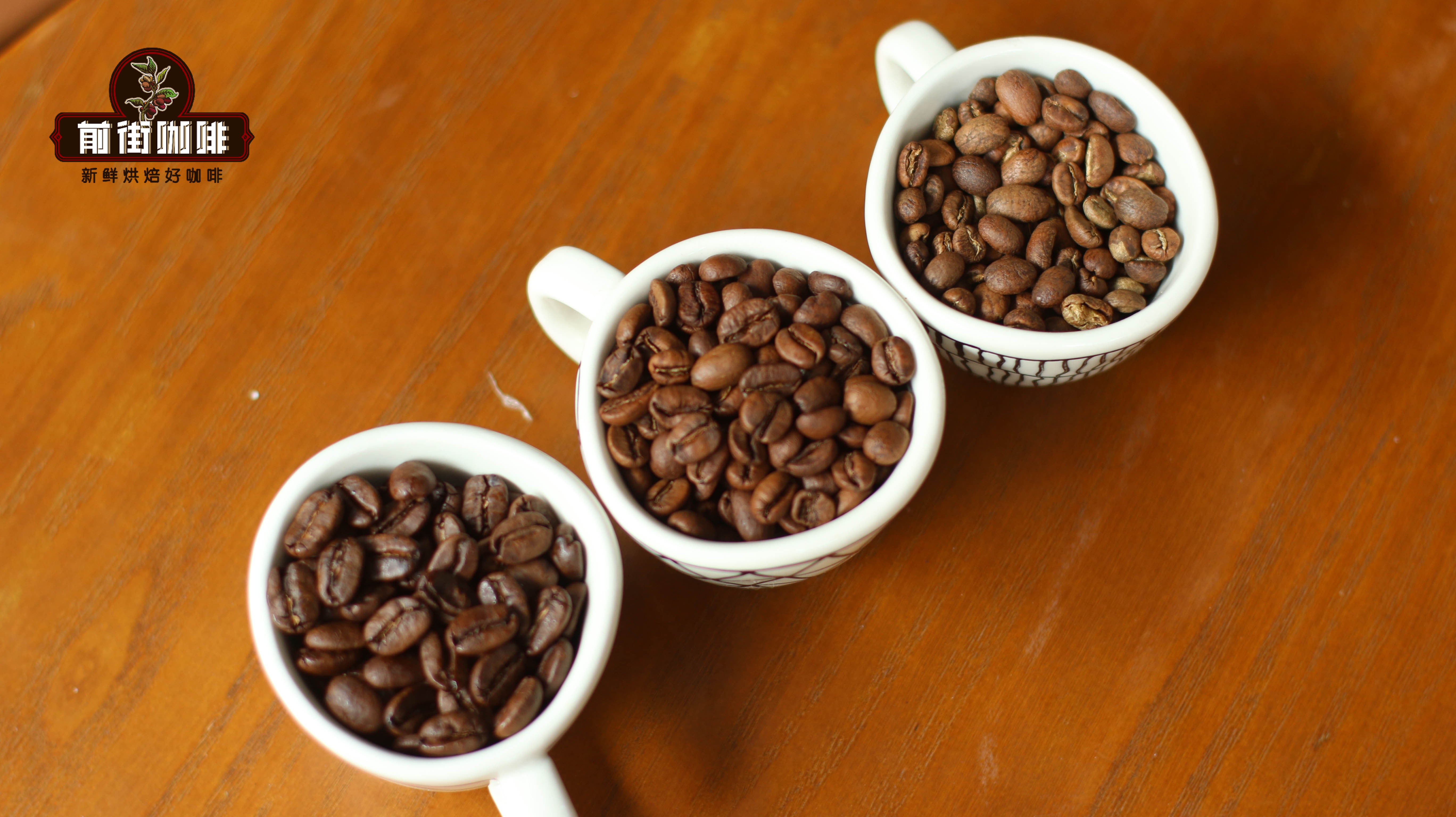 Unlike light roast coffee, which emphasizes bright acidity, dark roasted beans undergo higher-temperature treatment, resulting in a richer, smoother profile with a long-lasting finish. Common flavor notes include nuts, cocoa, dark chocolate, caramel, and a creamy mouthfeel, making it ideal for those who enjoy a full-bodied texture and sweet aftertaste. But to perfectly bring out these characteristics, more precise control is needed in terms of grind size, water temperature, and pouring rhythm compared to light roast. Below, we’ll use a classic Indonesian dark roast bean as an example to guide you step-by-step on how to brew an impressive dark roast coffee using the pour over method.
The first step, of course, is choosing the right coffee beans. It’s recommended to select dark roast beans roasted within one month to ensure their flavors are at their peak. Coffee beans are usually at their best within 5 to 14 days after roasting. After this period, aroma and flavor compounds gradually dissipate, and no matter how skilled your technique is, it’s hard to make up for the loss. Therefore, selecting freshly roasted dark roast beans is the first step to success.
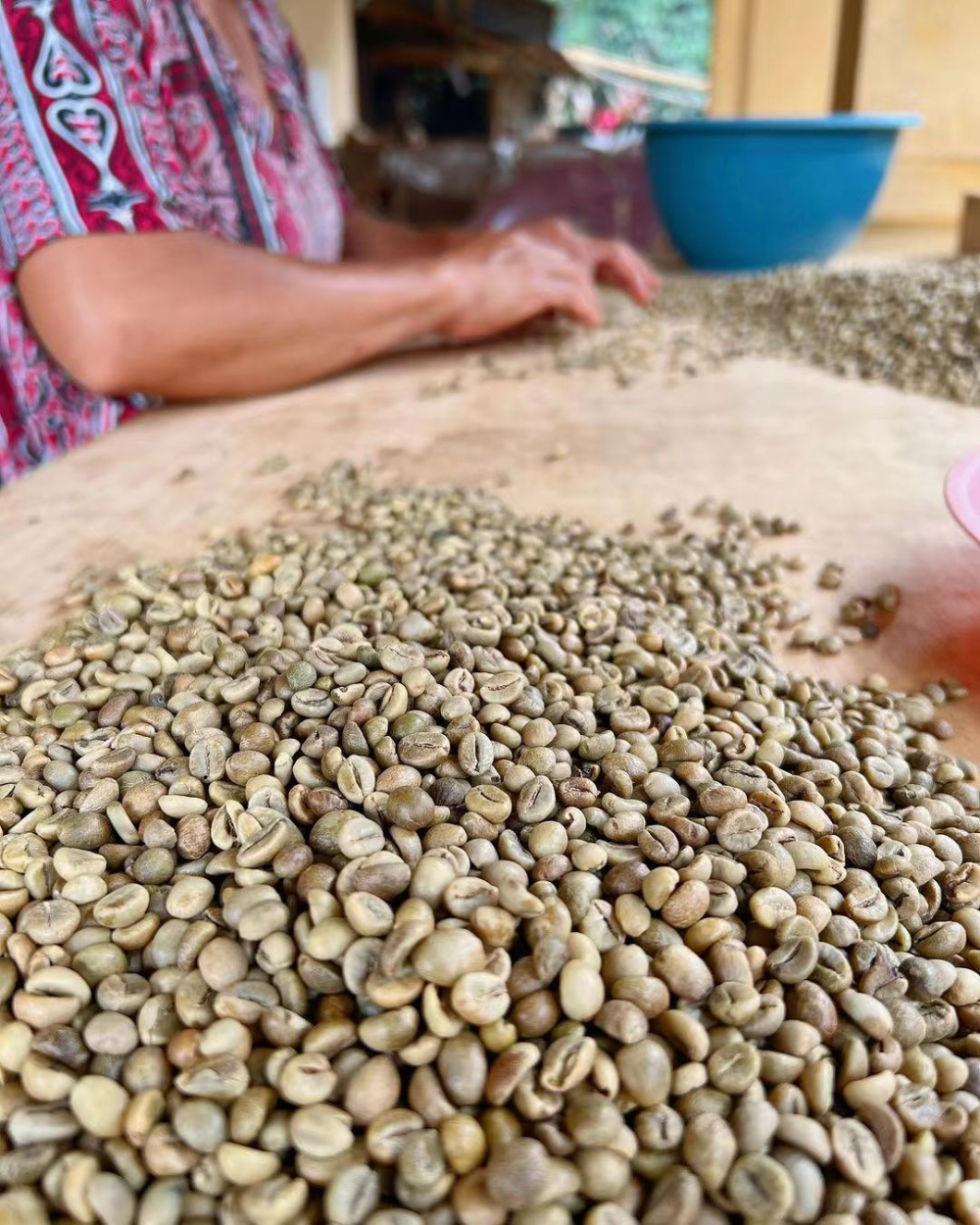
Take the classic Indonesian Golden Mandheling as an example. This bean is processed using Indonesia’s unique “wet-hulled” method. Although this technique slightly increases the defect rate, it gives the coffee a strong herbal and woody character. Additionally, during the subsequent drying process, the beans are directly exposed to air, resulting in unique spicy and earthy aromas — what’s known as the “terroir.” The uniqueness of the wet-hulled method lies in the removal of the parchment layer while the green beans are not yet fully dried, making Mandheling beans prone to compression and damage, hence a higher defect rate. But precisely because of this, strictly selected high-quality G1 grade Mandheling can deliver a cleaner and fuller-bodied taste.
These beans typically come from the Gayo Highlands and Lake Tawar regions in northern Sumatra, using only the highest-grade G1 green beans. They undergo four rounds of manual sorting to ensure each bean is consistent in size, shape, and color, thereby improving stability during brewing. Roasters usually roast them to a medium-dark level, concentrating the black chocolate and caramel aromas to lay a solid foundation for subsequent pour over extraction.
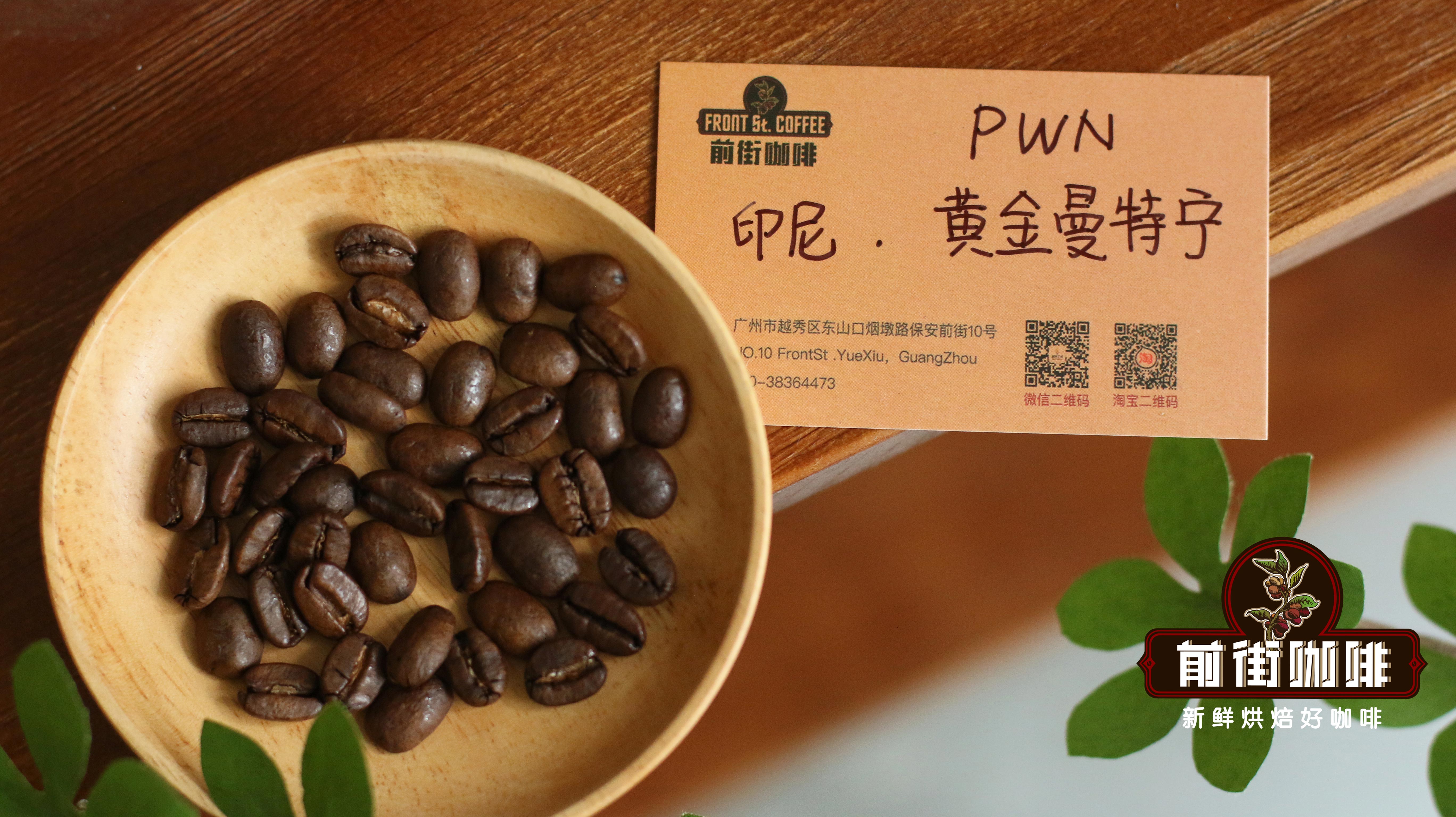
When it comes to grind size, since the structure of dark roast beans becomes looser due to high-temperature roasting, grinding too finely can lead to over-extraction, releasing excessive bitter and astringent compounds. Therefore, it’s recommended to use a coarser grind than for light roast beans — roughly similar to coarse salt, also called medium-coarse (about 70% passing through a Chinese standard No. 20 sieve, or set to 11 on an EK43s grinder). This grind size helps control extraction time, prevents the release of undesirable flavors, and preserves the full body and sweetness.
For water temperature, dark roast coffee is recommended to be brewed at 87–88°C, lower than the 91–93°C used for light roast. Because during the dark roasting process, the beans have already undergone more caramelization and Maillard reactions, releasing a large amount of large-molecule flavor compounds. If the water temperature is too high, it can easily extract excessive off-flavors and bitterness, affecting overall balance. Slightly lowering the water temperature can make the coffee’s sweetness more prominent while retaining the boldness and chocolatey character typical of dark roast.
Filter choice is also an important consideration. If you’re aiming for a full-bodied, rounded mouthfeel with a long-lasting aftertaste, it’s recommended to use a filter like the KONO, which has a slower flow rate, allowing for a longer extraction time and more thorough contact between coffee grounds and water. This results in a richer taste and enhanced sweetness. Compared to the V60, the KONO filter has shorter ribs and a smoother inner wall, making the filter paper adhere more closely to the cup walls, with water flow concentrated at the bottom — creating an immersion-style extraction effect that’s perfect for dark roast coffee.
Finally, let’s talk about the pouring technique. A three-stage pour is recommended to gradually bring out the coffee’s multi-layered flavors and enhance sweetness and body. First is the bloom stage: wet the filter, discard the water in the server, add 15 grams of coffee grounds, and pour 30 grams of hot water for a 30-second bloom. This step mainly helps the coffee release gases and awaken the flavors, but note that dark roast beans shouldn’t be bloomed for too long to avoid releasing too much woody or off-flavor.
Next is the second stage: pour steadily in small circles from the center outward until the total water volume reaches 125 grams, then pause to let the coffee bed settle slightly. When the coffee bed drops to about half the height of the filter and the top layer becomes visible, continue pouring in the same manner until 225 grams, then let it drain. Keep the total extraction time around two minutes, allowing a margin of ±10 seconds. Finally, gently swirl the coffee in the server to enjoy the rich and sweet flavors of this hand-brewed dark roast coffee.
From the moment you start pouring, you’ll be greeted by enticing aromas of caramel and nuts. On the palate, layers of dark chocolate and spices intertwine, offering a full-bodied and smooth mouthfeel, with a sweet aftertaste and warm woody notes — this is the allure of dark roast coffee. As long as you master the key parameters and techniques mentioned above, you can easily recreate a café-quality dark roast pour over experience at home.
The above content is compiled by CoffeeHunters, a coffee news website.


