







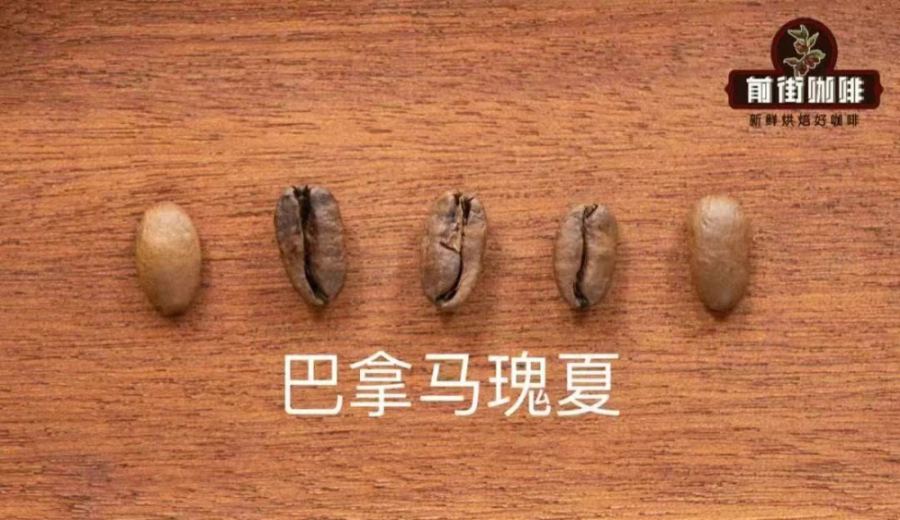
Introduction:Want to understand why the Geisha from Panama’s Hacienda Esmeralda has become a flagship representation of top-tier specialty coffee? This article takes an in-depth look at the origins of the Geisha variety, the grading system and pricing rationale of Hacienda Esmeralda, and provides a practical guide detailing the cold drip brewing process and parameters for the Green Label Geisha. From flavor characteristics to drinking suggestions, it offers a comprehensive guide to mastering this summer specialty cold drip coffee.
In the world of specialty coffee, Geisha has long been a dream coffee for enthusiasts, thanks to its unique rich floral notes, citrus tones, and multi-layered complex fruit flavors. Especially at Panama’s Hacienda Esmeralda, this Ethiopian-origin variety, through careful cultivation and processing, has achieved unparalleled quality and recognizability. This article will start with the origin of the variety and the grading system, explore the reasons behind the high price of Hacienda Esmeralda Geisha, and take the Hacienda Esmeralda Green Label Geisha as an example to fully analyze the parameter settings and practical steps of cold drip extraction. Finally, it will guide you through its unique flavor profile and ideal drinking occasions.
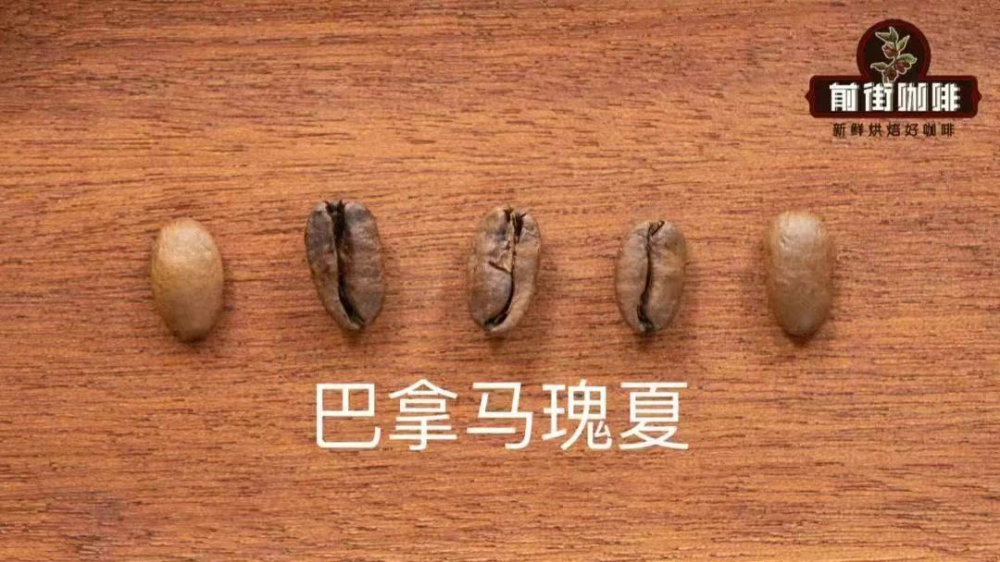
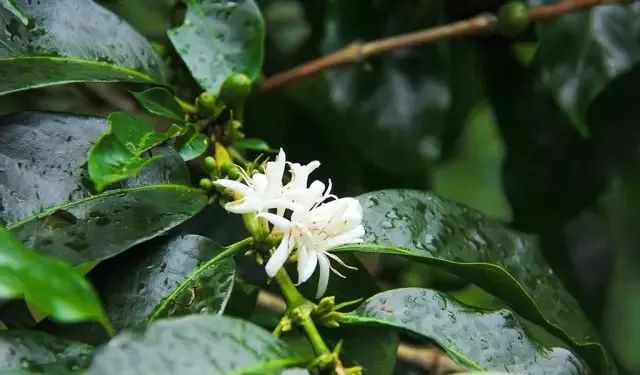
Unlike coffees commonly named after their origins—such as Yirgacheffe, Blue Mountain, or Kona—Geisha is actually a sub-variety under the Arabica species. This coffee, first discovered in Ethiopia’s Gesha Forest, has secured its place in the global specialty coffee market due to its delicate floral notes and diverse fruit tones. Especially in Panama, through the dedicated promotion by renowned farms, Geisha has risen from a niche variety to a star in the premium market. Among the various Geisha options offered by one well-known shop, the Natural Red Label and Washed Green Label are two of the most highly praised, representing different grades and processing styles, and also serving as the best entry points for beginners to understand Geisha.
The high price of Geisha is not only due to its unique flavor profile but also largely because of its limited production. Initially discovered in 1931, Geisha was introduced to Kenya, Uganda, Tanzania, and even Costa Rica, but it wasn’t until the 1970s that it took root in Panama. Statistics show that Panama’s total annual coffee production is around 10,000 tons, while Hacienda Esmeralda produces only about 150 bags of green beans annually (approximately 9,000 kg). If only 3% of that is Geisha, the annual output is just about 270 kg. With limited supply and the boost from media and competitions, Geisha’s market value has remained consistently high over the years.
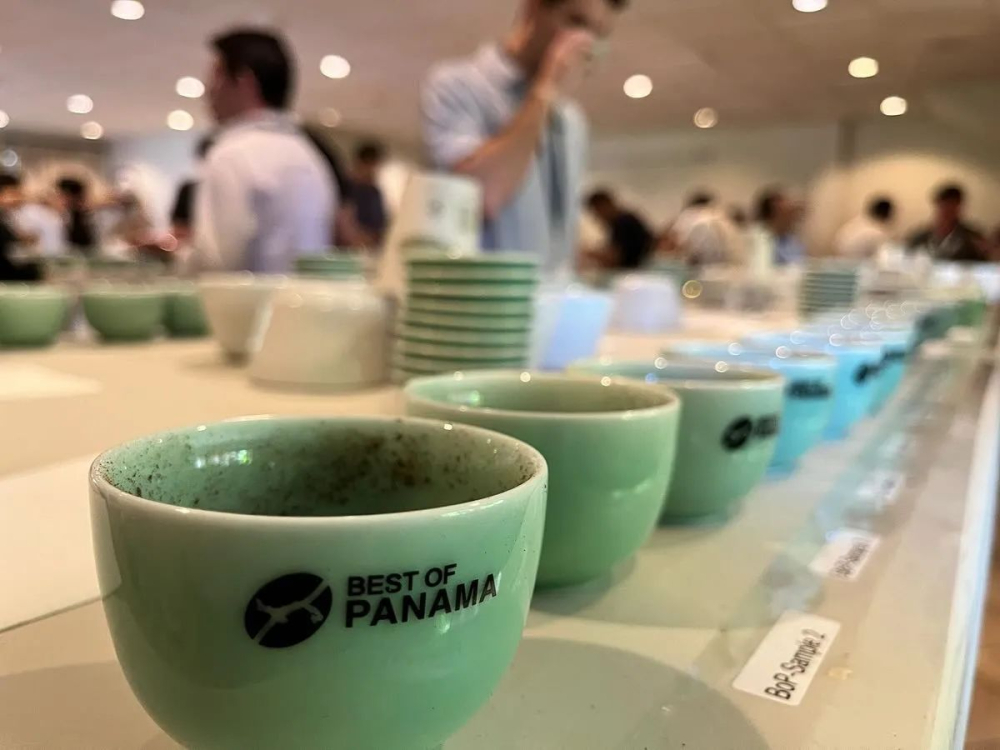
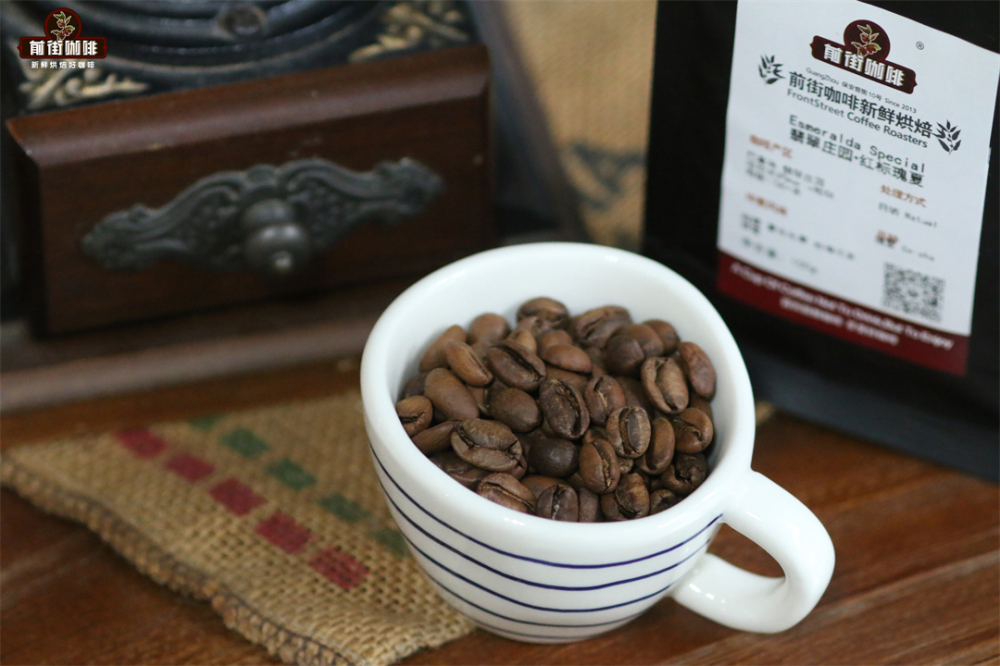 When discussing the status Geisha holds today, the pivotal role of Panama’s Hacienda Esmeralda cannot be ignored. In 2003, the third-generation owner, Daniel, after years of testing, finally discovered in internal cuppings the unique flavor profile that Geisha exhibited—including jasmine, citrus, peach, blueberry, bergamot, and sugarcane layers. These traits were not common in the mainstream market preferences of the time, but Daniel still decided to enter Geisha in that year’s Best of Panama (BOP) competition—and won first place. Later, in 2005, Hacienda Esmeralda sent Geisha to compete at the Specialty Coffee Association of America (SCAA), winning world championships in both 2006 and 2007, officially establishing this variety as one of the top coffees in the global specialty coffee scene.
The Green Label Geisha commonly found at a well-known shop belongs to the second-highest grade of that renowned estate, originally named Private Collection. These coffee beans are sourced from multiple plots between 1,600 and 1,800 meters above sea level and are a blend, thus offering excellent cost-performance. Starting in 2022, the Green Label further indicates its origin from three main growing blocks: Jaramillo, Canas Verdes, and El Velo, allowing consumers to better understand the unique flavor profiles brought by different terroirs. For example, the Green Label from the Jaramillo block often features pronounced jasmine and rose aromas, Canas Verdes is known for its tropical fruit tones, and the El Velo block showcases fresh lemongrass and floral notes.
The Green Label Geisha, processed via the washed method, exudes elegant and layered floral and fruity aromas in its dry scent, brewing process, and flavor upon drinking. If you want to try a different brewing approach, you might consider using the cold drip method to highlight its delicate flavor profile. Below are the actual cold drip brewing parameters and procedure used by a well-known shop for the Green Label Geisha, suitable for coffee lovers who enjoy low-temperature slow extraction.
Recommended cold drip brewing parameters are as follows:
- Coffee grounds: 60 grams
- Coffee-to-water ratio: 1:10
- Water to ice ratio: 1:1
- Total coffee liquid yield: approximately 600 milliliters
- Grind size: slightly finer than granulated sugar
A brief summary of the cold drip steps: First, place a filter paper at the bottom of the coffee grounds container, wet it with water, gently press to ensure it adheres well. Then add freshly ground coffee, gently level the surface, cover with another filter paper, and place it on the cold drip stand. In the upper water reservoir, add ice and cold water in the specified ratio and stir evenly. Adjust the dripping valve: initially increase the flow rate to allow the coffee grounds to fully bloom, then once they are evenly moistened, adjust the drip rate to 5–7 drops per 10 seconds, and let it sit until the coffee liquid slowly drips through. After extraction, it is recommended to store the coffee liquid in a sealed container and refrigerate for about 2 days to allow the flavors to mature and smooth out.
The finished Hacienda Esmeralda Green Label Geisha cold drip offers a bright mouthfeel with distinct white floral, orange, blueberry, and green tea notes. The overall taste is refreshing, smooth, and layered, with almost no off-flavors. Paired with the coolness of ice, it adds a uniquely refreshing summer experience, making it a highly recommended cold drip option.
Finally, a reminder to all coffee lovers: since low-temperature brewing methods like cold drip or cold brew are more sensitive to flavor preservation, it is advised to consume your self-brewed batch as soon as possible,with the optimal tasting period being within 5 days of preparationto fully enjoy its peak flavor and aroma complexity.
The above content is compiled by CoffeeHunters, a coffee news website.


