







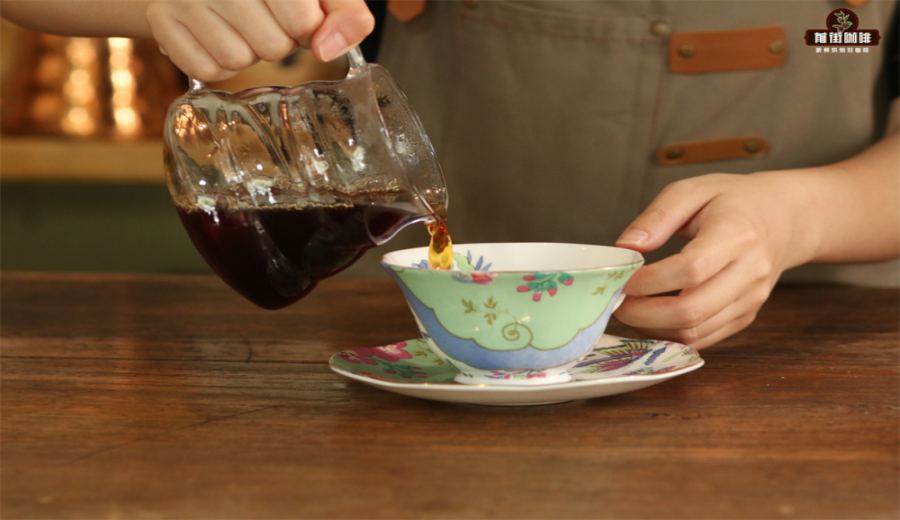
Introduction:Geisha coffee is world-renowned for its distinctive floral aroma and citrusy profile, with Geisha beans from Panama's three leading estates—Elida, Sophia, and Guava Grove—being highly sought after by specialty coffee enthusiasts. This article delves into the unique regional characteristics, processing methods, and flavor profiles of these top-tier Geishas, along with professional pour-over brewing recommendations including coffee-to-water ratio, water temperature, grind size, and a three-stage pouring technique to fully highlight the delicate nuances of Geisha.
In the world of specialty coffee, Geisha (pronounced "gei-sha") is undoubtedly one of the most iconic high-end varieties. With its refined floral notes, bright citrus acidity, and distinctive tea-like body, it has won the hearts of coffee lovers around the globe. Originally from Ethiopia in Africa, this coffee was initially named Gesha. Due to its phonetic similarity to the Japanese word for geisha, it was mistakenly referred to as “geisha coffee,” but in recent years, the transliterated name “Geisha” has become the widely accepted term.
Geisha was first discovered in the Gesha Forest of Ethiopia in 1931, later introduced to Kenya, Uganda, Tanzania, and Costa Rica. It wasn’t until the 1970s that it was brought to Panama and planted by the Hacienda La Esmeralda (formerly known as Don Pachi Estate). However, due to its scarce production and demanding growing conditions, it remained underappreciated for a long time. It wasn’t until 2004, when Geisha from Hacienda La Esmeralda won international acclaim in a cupping competition, that this coffee truly rose to the ranks of premium specialty beans.
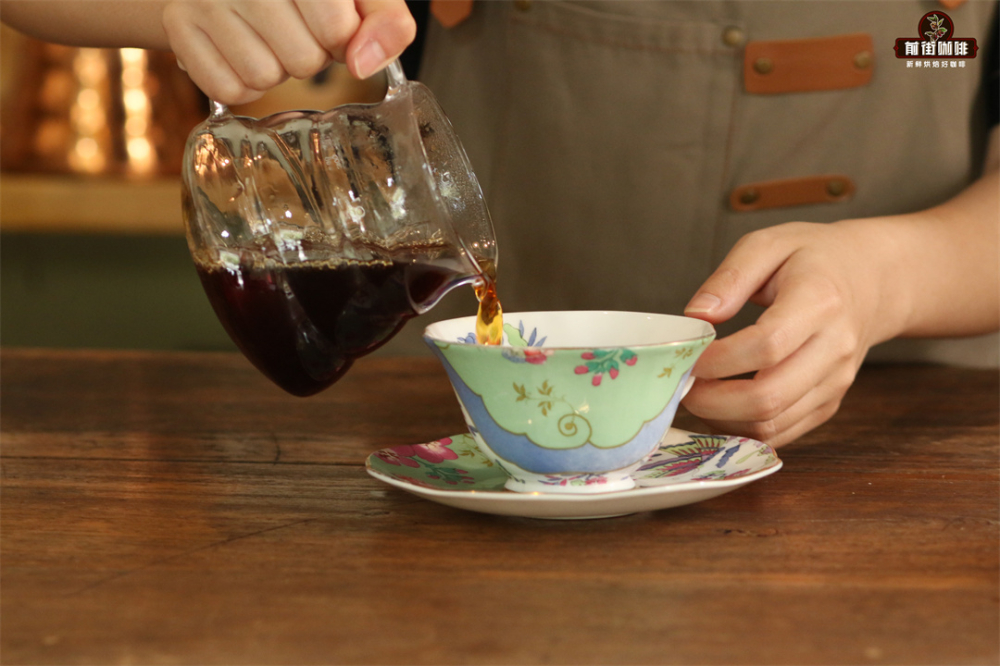
Panama’s Elida Estate is located in the famed Boquete region, with parts even situated within the boundaries of the Volcán Barú National Park. It benefits from extremely high elevations, with plantings ranging between 1,670 and 1,825 meters above sea level, including sections over 1,850 meters. The estate primarily cultivates varieties such as CATUAI, GEISHA, and Caturra, and its unique environment enables Geisha coffee to perform at its absolute best.
Elida’s Geisha Green Tip Natural once claimed the Geisha category championship at the 2016 Best of Panama (BOP) auction. It not only received an impressive international judges’ score of 94.15 but also set a record with a bidding price of approximately NT$9,000 per pound. It’s reported that the winner of that year’s Japan Brewers Cup also used Geisha from this estate to craft their competition brew.
This Elida Geisha coffee offers a complex bouquet of citrus, honey, berries, and green tea when brewed using pour over. Its mouthfeel is round and smooth, with bright and layered acidity. It is recommended to usea coffee-to-water ratio of 1:15.5 to 1:16,with water temperature controlled between 90–91°C, and choosea medium-fine grind (about 77% extraction rate through a Chinese No. 20 sieve)to fully showcase its refreshing yet sweet characteristics.
Another noteworthy option is the Geisha from Panama’s Sophia Estate in the volcanic Boquete highlands, which excels in natural sun-dried processing and is cultivated at elevations between 1,900 and 2,100 meters. This Geisha opens with an orange-like sweet-tart acidity, accompanied by rich aromas of honeydew and rose. The mid-palate delivers a crisp sensation akin to apple juice, while the finish lingers with the signature aftertaste of oolong tea. Overall, it presents a complex and long-lasting flavor profile.
Guava Grove Estate is located in Chiriquí Province, at an altitude of about 1,750 meters. Its sun-dried Geisha leads with tropical fruit aromas of mango and pineapple, followed by white floral notes and malty fermentation sweetness in the mid-palate, and ends with a persistent sweet aftertaste reminiscent of fruit candy. This bold and layered flavor is perfect for coffee lovers who enjoy fruity profiles.
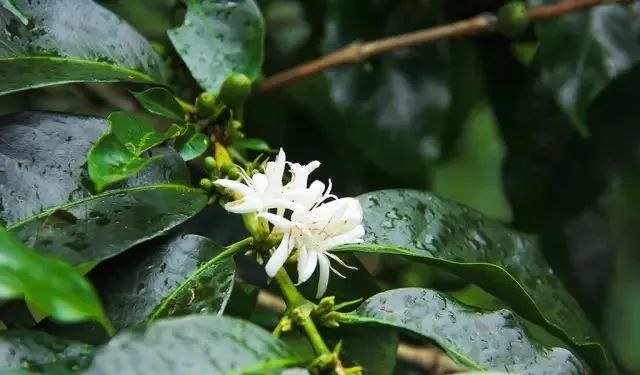
For pour-over brewing of Panamanian Geisha, it is recommended to employ a three-stage pouring method to precisely control extraction consistency and flavor balance. Begin with a 30-gram bloom to wet the coffee grounds and form a “hamburger” bed, letting it sit for about 30 seconds. Then, pour steadily with medium-fine stream water up to 125 grams. When the water level drops to two-thirds of the coffee bed, proceed to the third pour up to a total of 225 grams. This method effectively brings out the delicate floral notes, citrus acidity, and tea-like qualities of Geisha, avoiding over-extraction or dominance of any single flavor.
Overall, the charm of Geisha coffee lies in its exceptional expressive power and unique regional character. Whether it’s the clean elegance of Elida’s washed process, the rich fruitiness of Sophia’s natural process, or the tropical vibrancy of Guava Grove’s profile, each offers a distinctly different tasting experience for coffee enthusiasts. By understanding each estate’s regional traits, processing styles, and precise brewing parameters, you can easily brew professional-grade Geisha flavors at home.
The above content is compiled by CoffeeHunters, a coffee news website.


