







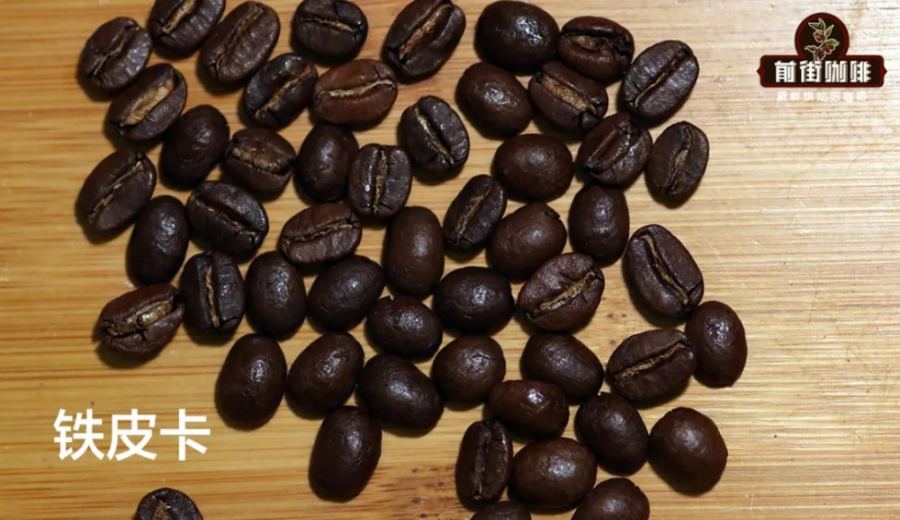
Introduction:Typica is one of the oldest varieties of Arabica coffee, originating from Ethiopia. Once the dominant cultivar worldwide, it is renowned for its elegant flavor profile but has gradually declined in prominence due to its susceptibility to diseases and low yield. This article delves into Typica’s botanical characteristics, cupping performance, historical evolution, and the impact of diseases, while also introducing classic producing regions such as Jamaica Blue Mountain, Hawaii Kona, and Yunnan in China. Additionally, it shares practical insights on high-altitude cultivation and natural processing, helping coffee enthusiasts and professionals fully grasp the essence of this classic variety.
What is Typica (Typica)?
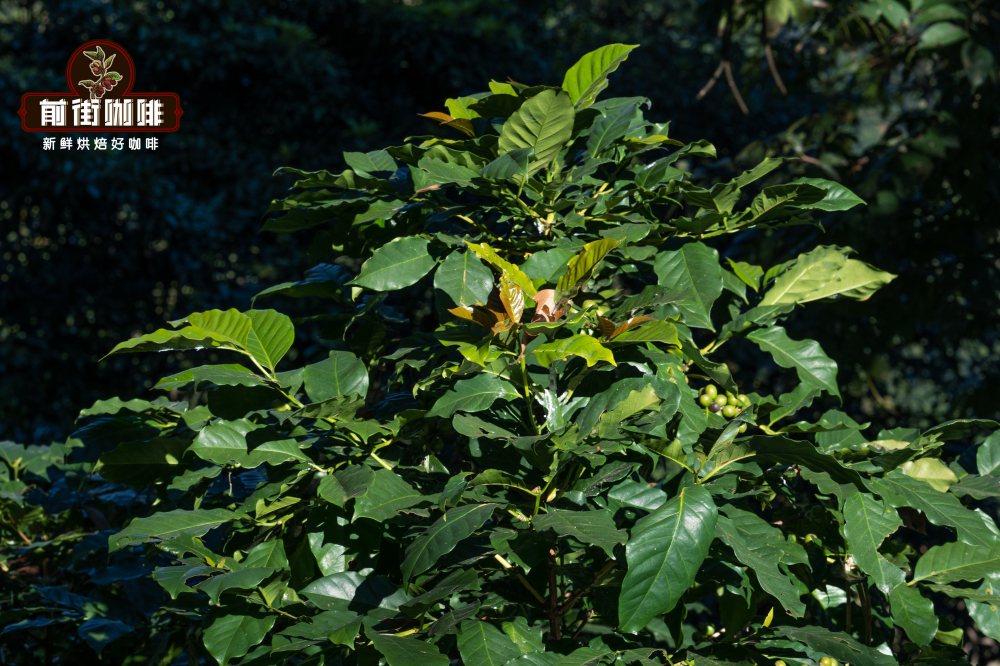
Among the many varieties of Arabica, Typica is considered one of the most original and representative. It was once widely cultivated in coffee-growing regions around the world, but with the spread of diseases such as leaf rust, many areas have gradually replaced it with more disease-resistant varieties. Notable regions where Typica can still be found today include North Sumatra in Indonesia, Jamaica Blue Mountain, Hawaii Kona, and some ancient coffee farms in Yunnan, China.The plant morphology of Typica is highly distinctive, making it one of the easiest coffee varieties to identify. It grows in a typical conical shape with a straight and upright main stem, which can theoretically reach up to about 5 meters in height. Due to its tall stature,
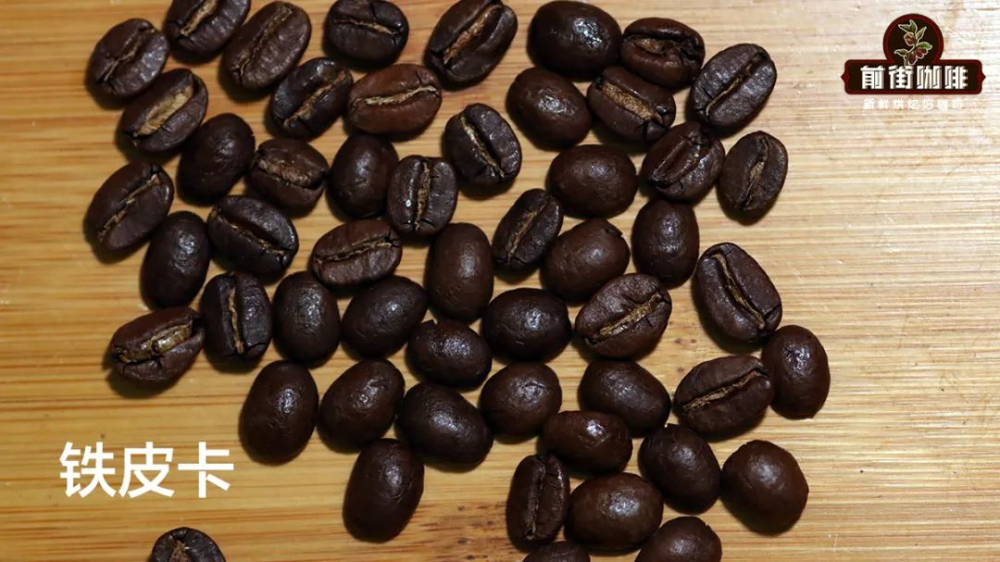
both its branch spacing and internode distance are wider than those of other varieties,which also makes the harvesting process more labor-intensive. Moreover, one of the most notable features of Typica is itsyoung top leaves, which exhibit a reddish bronze hue,earning it the nickname "red-topped coffee."In terms of bean appearance, Typica beans are relatively large and elongated, with slightly upturned ends, resembling the shape of an egg. In terms of flavor, Typica often exhibits bright citrus acidity, with a natural sweetness in the aftertaste. Its overall flavor profile is considered very elegant and layered. However, due to its tall plant height of around 5 meters (approximately 16.5 feet), manual harvesting is extremely inconvenient. Additionally,
the angle between lateral branches and the main stem is approximately 50 to 70 degrees,giving the tree a relatively open canopy, thus requiring more spacious planting conditions.Nevertheless, Typica
has relatively weak disease resistanceand offers almost no resistance to common diseases such as leaf rust and berry disease. Among these, leaf rust is one of the most devastating diseases. It was first discovered in the 1860s in coffee farms around Lake Victoria in East Africa, then resurged on a large scale in Bahia, Brazil in 1970, subsequently spreading to major producing regions around the world. Once infected, plants often gradually wither or even die. Given that Typica not only has low yields but is also highly susceptible to pests and diseases, switching to more disease-resistant varieties has become an inevitable choice for growers seeking economic efficiency.Even so, Typica continues to be cultivated in certain specific regions due to its unique flavor charm. One of the most representative examples is Jamaica Blue Mountain. Here, Typica has undergone over two hundred years of localized adaptation, gradually adjusting to the island’s microclimate and developing relatively good disease resistance, particularly against coffee berry disease, enabling Blue Mountain coffee to maintain stable yields and high quality. The Blue Mountain No. 1 produced by the Clifton Estate is a standout example, with a clear and rich flavor profile, often featuring delicate notes of nuts, chocolate, and caramel.
In Yunnan, China, Typica was once one of the primary cultivated varieties in the early days, alongside Bourbon. However, with the large-scale outbreak of leaf rust in the region, many coffee trees died, leading to a sharp decline in planted area. With the push of international companies, Yunnan gradually shifted to cultivating the disease-resistant and high-yielding Catimor variety, which became the local mainstay. Although Typica offers excellent flavor, its low yield and high management difficulty have led to its gradual marginalization.
It is worth mentioning that a certain coffee brand launched a Typica planting project in Lincang, Yunnan in 2013, personally participating in every step from site selection, seedling cultivation, planting, harvesting, processing, to roasting. The Lincang region, influenced by the warm and humid air currents of the Indian Ocean and the southwest monsoon, experiences indistinct seasonal boundaries, but
has distinct dry and rainy seasons, abundant sunshine, plentiful rainfall, and short or even no frost periods,with some areas being entirely frost-free. The region features a distinct three-dimensional climate, making it highly suitable for the growth of Arabica varieties. After five to six years of careful nurturing, the brand finally welcomed its first harvest in 2020, using the natural sun-dried processing method and naming the coffee '2013.'In the processing of their sun-dried Typica, the brand first conducts floatation sorting to remove unripe or defective beans. The coffee cherries are then spread out on sun-drying beds and regularly turned to avoid uneven fermentation. Once the cherries dehydrate, turning from bright red to dark purple and reaching the target moisture content, they are hulled and roasted. This processing method imparts the coffee with richer fermented aromas, often featuring layers of caramel, berries, and black tea, along with a more pronounced sweetness. Compared to washed processing, the flavor is more intense and diverse.
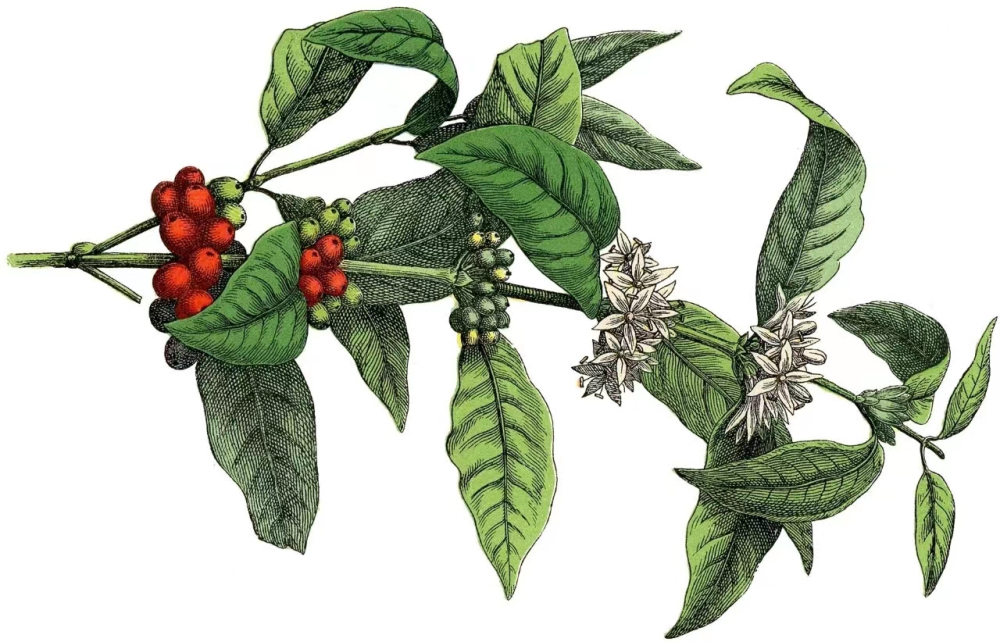
In summary, although Typica is no longer a mainstream cultivated variety, as the “ancestral” presence of Arabica coffee, it still holds immense historical and sensory value. Whether it’s the classic flavors of Jamaica Blue Mountain or the natural sun-dried experiments in Lincang, Yunnan, they all demonstrate the boundless potential of this variety under the right environment and careful management. For coffee enthusiasts, tasting Typica is not just a journey of taste, but also a profound experience of coffee history and varietal evolution.
In summary, although Typica is no longer the mainstream cultivated variety, as the "archetypal" presence of Arabica coffee, it still holds extremely high historical and tasting value. Whether it's the classic flavor profile of Jamaica Blue Mountain or the experimental natural process from Lincang, Yunnan, both showcase the immense potential of this variety when grown in the right environment and managed with care. For coffee enthusiasts, tasting Typica is not only a journey of flavors but also a profound experience of coffee history and varietal evolution.
The above content is compiled by CoffeeHunters, a coffee news website.


