







Introduction:Yirgacheffe is renowned for its distinctive floral aroma and bright citrus acidity, but successfully brewing this layered flavor at home through pour over requires mastering water temperature, grind size, and pouring techniques. This article delves into why 92–93°C is the golden brewing temperature for Yirgacheffe, how the design of the V60 filter enhances aroma expression, and provides a practical three-stage pouring method to help you brew a clear, bright, and sweet-aftertaste classic Yirgacheffe cup.
Yirgacheffe coffee is widely loved by pour over enthusiasts for its fresh floral notes and vibrant citrus acidity. However, replicating this unique flavor at home hinges on precisely controlling extraction parameters. Water temperature, grind size, and pouring technique—all play a role in shaping the final flavor profile. This guide will explain why a higher brewing temperature of 92–93°C effectively highlights Yirgacheffe’s fruity and floral notes, and analyze how the V60’s spiral ribs shape a layered mouthfeel. It also offers a practical three-stage pouring process, allowing you to easily brew a clean, refreshing Yirgacheffe with a pronounced sweet aftertaste.
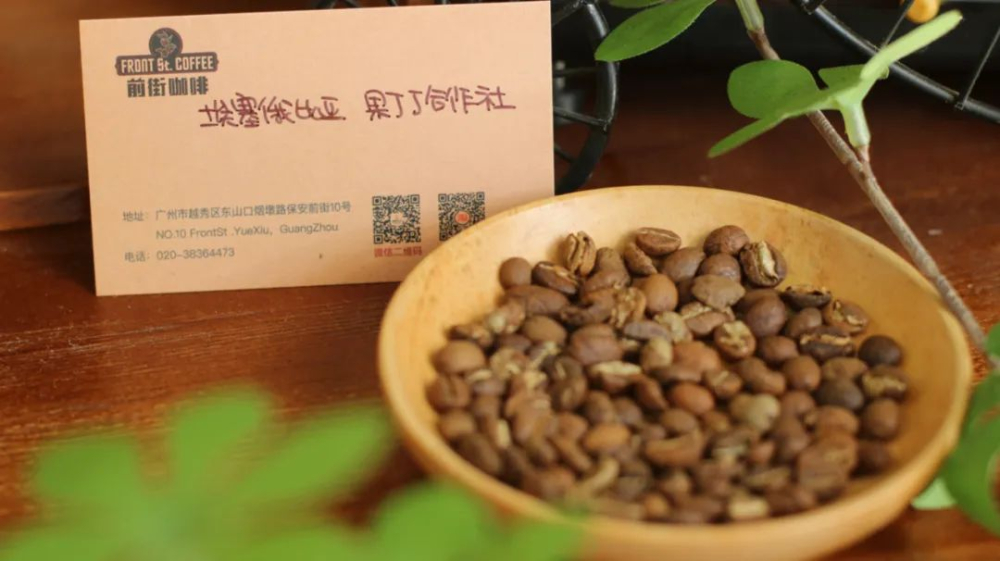
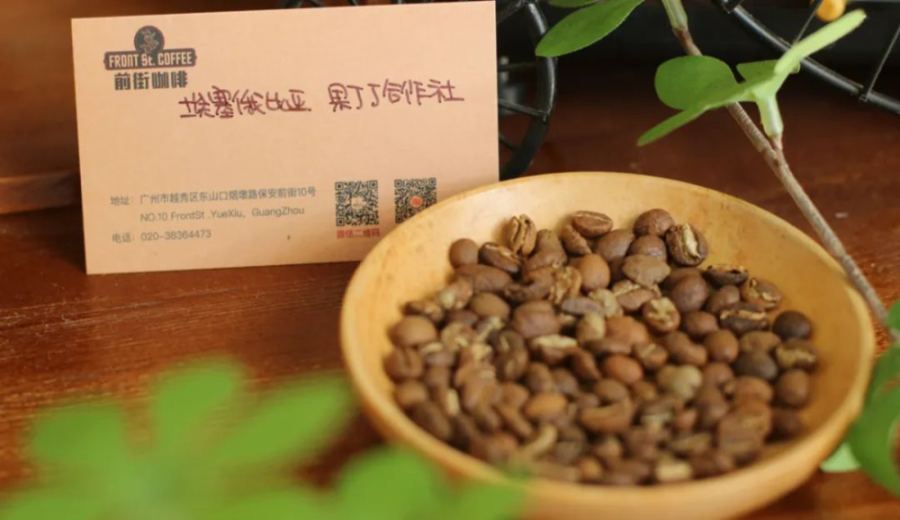
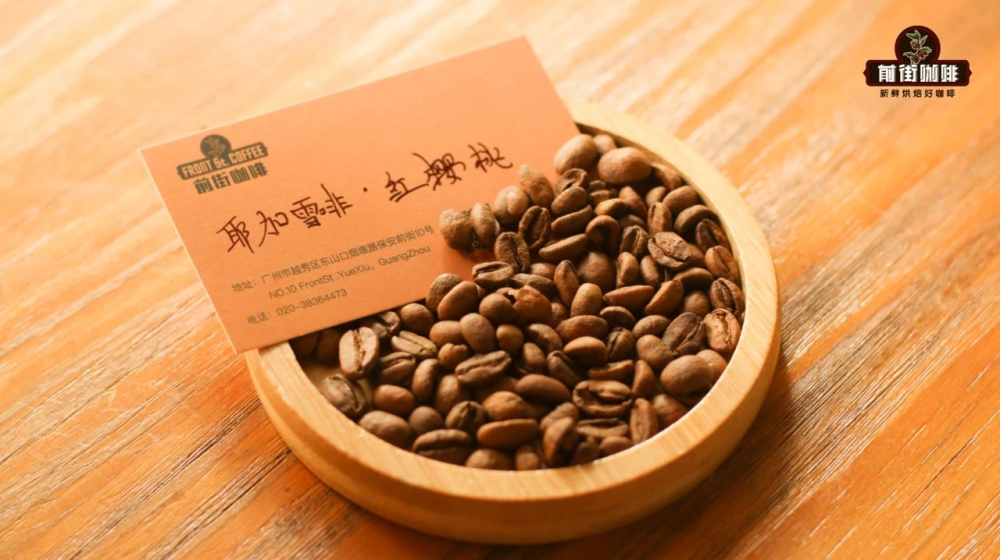
The Yirgacheffe growing region is situated at high altitudes, where coffee beans are typically hard and mostly roasted to medium-light levels to preserve more of their innate flavors. Take the washed Guji Dingding Cooperative as an example: its light roast emphasizes bright acidity and a tea-like body, ideal for those who prefer a clean and refreshing taste. Meanwhile, the natural Red Cherry is medium-light roasted, featuring rounded berry acidity and sweetness with fermentation aromas, preferred by drinkers who dislike overly sharp acidity. Though processed differently, both beans showcase Yirgacheffe’s signature citrus and berry characteristics.
Before official release, professional roasters usually conduct multiple cuppings to ensure each bean’s characteristics are objectively presented. For the washed Guji Dingding Cooperative, the cupping flavor profile is as follows: the dry aroma carries the fresh acidity of passion fruit, citrus, and berries; after brewing, it shows citrus acidity, berry sweetness, almond notes, and a tea-like finish. It has low body but is extremely refreshing, with bright and clean acidity. The natural Red Cherry, on the other hand, presents a fuller berry acidity and sweetness, and as the temperature changes, you can detect berry notes, fermentation aromas, and honey-like sweetness, with a smooth black-tea-like finish and an overall rounder mouthfeel.
From the cupping results, it’s evident that both washed and natural Yirgacheffe share a citrus and berry foundation. However, the washed version has a sharper acidity and more layered progression, with aftertastes leaning towards honey-like aromas; the natural version exhibits a richer tropical fruit sensation, with a creamy-smooth mouthfeel and more pronounced fermentation characteristics. Understanding these traits helps in selecting a processing method that suits your taste and adjusting the corresponding extraction strategy.

When brewing Yirgacheffe via pour over, it’s recommended to use a high water temperature of 92–93°C, which helps fully extract the floral and fruity acid components from high-altitude hard beans. If the temperature is too low, under-extraction may occur, resulting in a flat flavor; if too high, it may amplify bitterness. For grind size, a medium-fine grind is advised—approximately 78% passing through a standard Chinese No. 20 sieve, similar in coarseness to fine sugar. Too coarse a grind can lead to incomplete extraction and thin flavors; too fine a grind, under high temperature, risks over-extraction and unpleasant bitterness.
The V60 filter is an ideal choice for brewing Yirgacheffe. Its conical shape and 60° angle cause the water to spread from the center outward, extending contact time between water and coffee grounds, which aids in aroma release. Notably, the V60’s single large filter hole means flow rate is directly controlled by the user—if poured too quickly or with excessive flow, extraction may be incomplete, leading to a lack of depth in flavor. Additionally, the filter’s inner wall features multiple spiral ribs. These ribs prevent the filter paper from fully adhering to the filter, creating air circulation space that promotes coffee ground expansion through absorption. Simultaneously, they extend the water path, enhancing extraction layers and preventing under-extraction due to the large hole diameter.
For actual pouring, a coffee-to-water ratio of 1:15 to 1:16 is recommended. If you prefer a stronger taste, opt for 1:15; if you desire a cleaner and more layered flavor, go up to 1:16. For example, using 15 grams of coffee, pairing it with 225 to 240 milliliters of water can fully highlight Yirgacheffe’s unique characteristics.
It’s recommended to use a three-stage pouring method: start with hot water twice the weight of the coffee grounds (about 30 milliliters) for blooming, maintaining around 30 seconds to activate the grounds; then pour with a thin stream in small circles from the inside out, accumulating to 125 grams before pausing and waiting for the coffee bed to descend to the middle of the filter; finally, pour again with the same thin stream until reaching 225 grams, keeping the total brew time around 2 minutes. Once the coffee has fully dripped through, gently swirl the server and enjoy starting at a high temperature, gradually experiencing its rich layers from lemon and citrus to berry and cane sugar notes.
The brewed washed Yirgacheffe exudes subtle aromas of honey and jasmine upon opening the bag. After pouring hot water, berry flavors gradually emerge, with the first sip revealing bright lemon, citrus, and green tea notes. As the temperature drops, the aftertaste transitions into sweet berry, cream, and cane sugar tones. The overall mouthfeel is clean and refreshing, with lively yet non-aggressive acidity—making it a classic African bean highly suitable for beginners exploring pour over.
The above content is compiled by CoffeeHunters, a coffee news website.


