








Introduction:Geisha coffee is renowned as one of the finest and most exquisite coffees in the world, thanks to its unique floral aroma and bright fruity acidity. However, brewing a high-quality cup of Geisha at home requires precise control over everything from bean selection and grind size to water temperature and brew ratio. This article delves into the origins of the Geisha variety and the advantages of cultivation in Panama, offers practical pour over parameters, and introduces the three-stage pouring technique. Whether you're a beginner or an advanced enthusiast, you can follow these steps to easily extract the captivating floral and fruity notes.
When it comes to Geisha coffee, many people’s first impression is of its high price and noble aroma. This coffee variety from Panama, with its delicate floral notes, vibrant fruit acidity, and long-lasting aftertaste, has long been a dream brew for specialty coffee lovers. However, if you want to brew a high-quality cup of Geisha at home, every step — from grind size and water temperature control to brew ratio — needs to be precisely adjusted. This article will introduce you to the background story and regional characteristics of Geisha in an easy-to-understand way, and provide a complete pour over solution to help you easily master the brewing secrets of this star coffee.

The name “Geisha” alone sounds exotic, and many first-time encounterers are often deterred by its high price. In fact, although Geisha is relatively expensive, it is not unattainably so. There are still many Geisha options on the market with good cost-performance that are worth trying. The reason Geisha is expensive is closely related to its demanding growing conditions. As early as 2004, Geisha gained fame overnight at the Best of Panama (BOP) green coffee competition in Panama, and has since become a focal point in the specialty coffee scene. Over the years, many producing countries have tried to cultivate Geisha, but due to its extremely high environmental requirements, most have failed to replicate Panama’s unique flavor profile.
Panama’s unique geographical and climatic conditions are key to allowing Geisha to showcase its ultimate flavors. Although located in the tropics, the country’s mountainous terrain results in large day-night temperature differences in the highlands, along with moderate rainfall and high-altitude environments, enabling coffee cherries to ripen slowly and accumulate richer flavor compounds. Especially in the Boquete and Volcán regions, which not only have fertile volcanic soil but also high-altitude areas ranging from 1400 to 2000 meters, they have become ideal growing grounds for Geisha coffee trees. Currently, most award-winning Geishas come from well-known farms in these two microclimatic zones, such as El Esmeralda, Elida, and Sophia.

Geisha was actually first discovered in 1931 in the Gesha Forest of Ethiopia, later introduced by the Kenya Coffee Research Institute, and subsequently spread to Uganda, Tanzania, and Costa Rica, before finally taking root in Panama in the 1970s. However, due to its low yield, tall plant stature, and difficulty in harvesting, it was initially regarded more as a windbreak rather than a primary cash crop in Panama. It wasn’t until 2003, when Hacienda La Esmeralda separated Geisha from other varieties, and then won first place in the BOP competition the following year, that this coffee shot to fame. Since then, more and more farms have started planting Geisha, and it has received acclaim in international competitions.
For coffee lovers trying Geisha for the first time, it is recommended to start with a medium-light roasted washed Geisha, such as those from the Boquete region of Panama. These beans offer clear aromas of white flowers, honeydew, citrus, and green tea, with a refreshing flavor and smooth mouthfeel, making them perfect for experiencing the basic characteristics of Geisha. Such beans are usually lightly roasted to preserve the maximum amount of fruity acidity and delicate texture, making them an ideal choice for beginners.
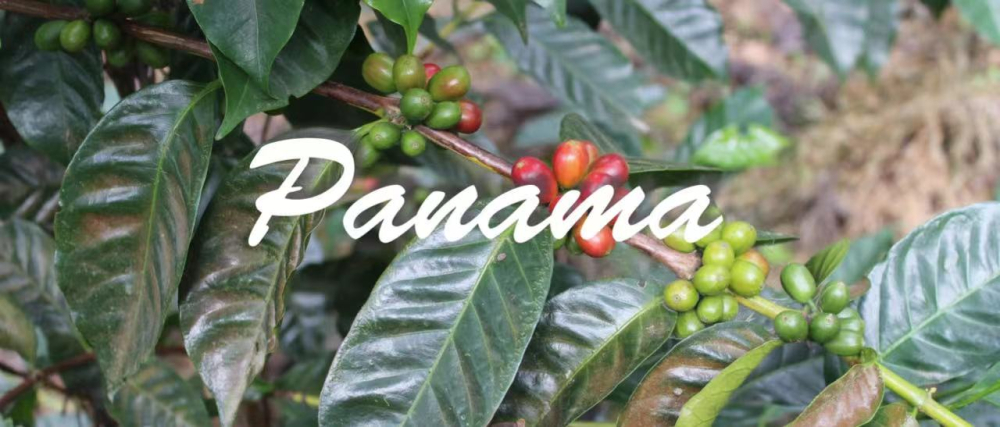
So, why can Panama grow such outstanding Geisha? In addition to its naturally superior conditions, the strict control of planting altitude and harvest ripeness by local farmers also plays a significant role. Located at the junction of North and South America, Panama has a tropical maritime climate with day-night temperature differences of over 10°C, which helps accumulate flavor compounds in coffee cherries. In addition, the distinct wet and dry seasons — rainy and dry — also provide more flexibility in processing methods, especially benefiting clean-tasting natural and washed processes. Especially in the Boquete and Volcán regions, where altitudes mostly range between 1400 and 2000 meters, it is the core production zone for most premium Geishas.
To brew high-quality Geisha coffee at home, choosing lightly roasted beans is key. These beans typically have bright acidity and prominent aromas, fully showcasing the flavor characteristics of Geisha. In terms of grind size, it is recommended to use a medium-fine grind, roughly equivalent to the coarseness of fine sugar, or a standard with about 80% extraction through a No. 20 sieve. Water temperature can be controlled around 91°C, which helps avoid over-extraction leading to bitterness while fully bringing out the floral and fruity acidity.
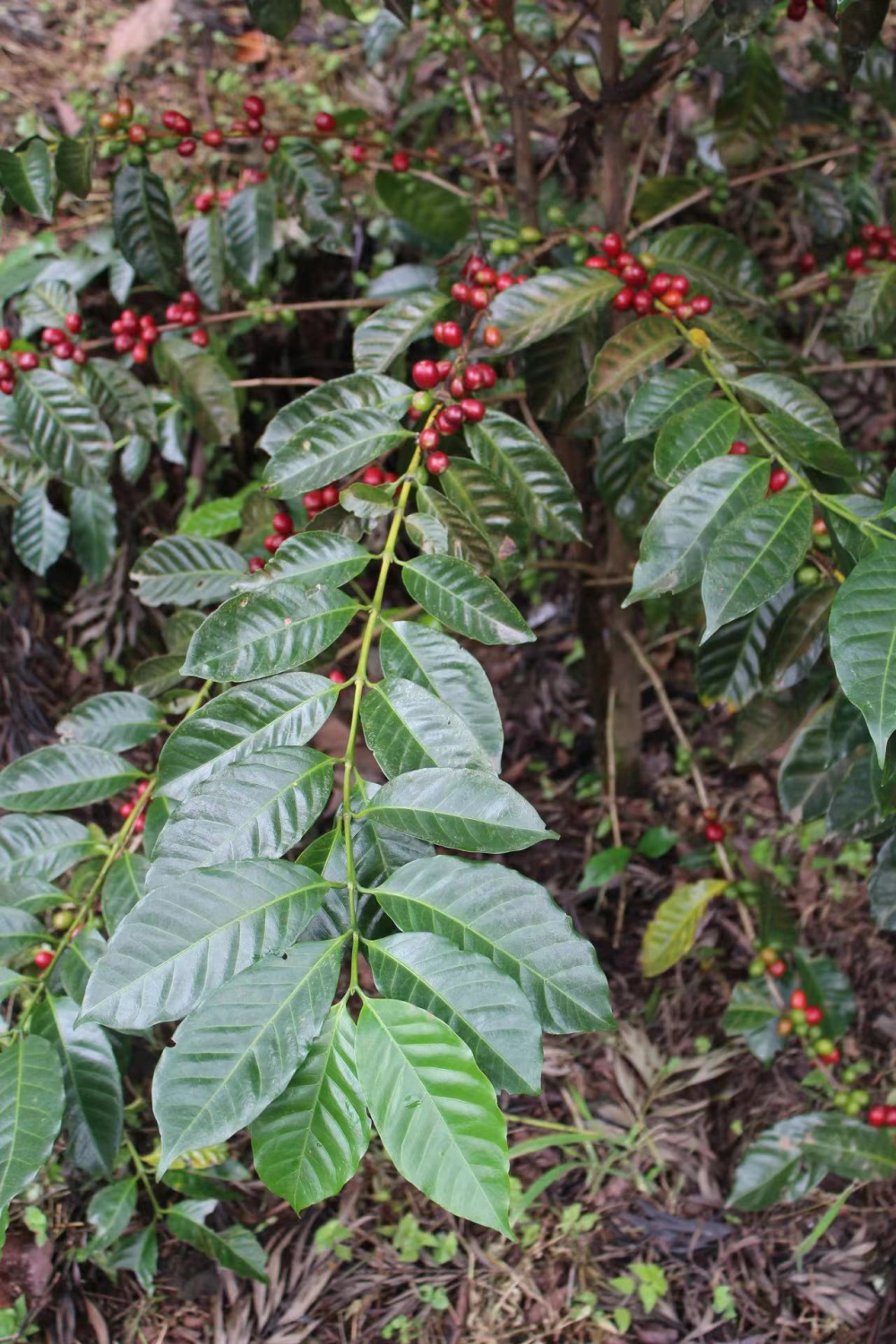
During actual pour over brewing, it is recommended to use a V60 filter cone with a 1:15 brew ratio. Taking 15 grams of coffee grounds as an example, the total water volume would be about 225 grams. Specifically, you can use the classic three-stage pouring method: first is the bloom stage, pour 30 grams of water and let it sit for 30 seconds to allow the coffee grounds to fully expand; then in the second stage, pour a small amount of water up to 125 grams, paying attention to using a small stream and circular pouring. Wait until the moisture on the coffee bed drops to about half, then continue pouring up to 225 grams. The overall extraction time is recommended to be between 2 minutes 10 seconds and 2 minutes 20 seconds. Too long or too short may affect the final flavor expression.
The brewed Geisha coffee usually carries elegant aromas of rose, citrus, and berries, with bright acidity that is not overly sharp, and an aftertaste accompanied by subtle notes of black tea and tropical fruits. The flavor layers also shift as the temperature changes. Whether it’s a refreshing morning drink or a leisurely afternoon treat, a cup of pour over Geisha can add unforgettable taste memories to your coffee time.
The above content is compiled by CoffeeHunters, a coffee news website.


