







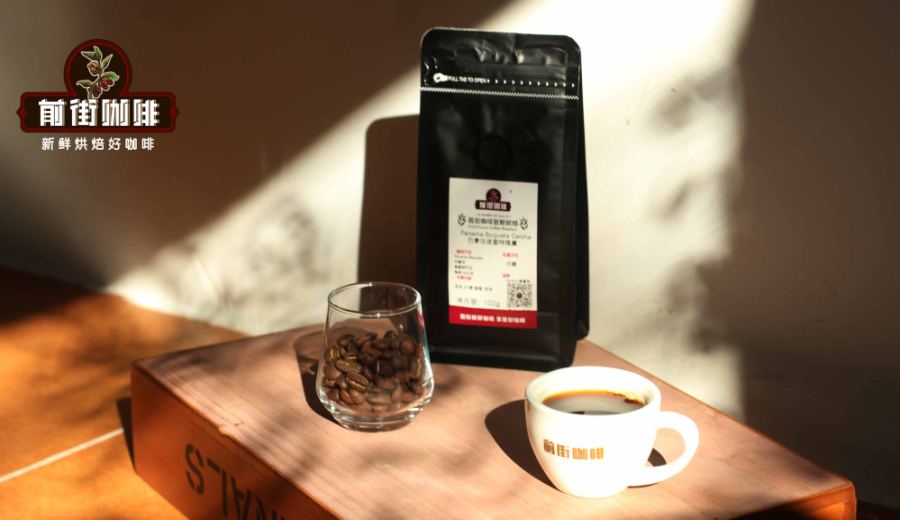
Introduction:Geisha coffee is hailed as the top variety among specialty coffees, especially high-end Geisha from Panama, which is the dream bean for many coffee enthusiasts. Based on actual pour-over brewing experiences, this article details the complete process from bean selection and resting to three-stage pouring, and provides key parameters such as water temperature, coffee-to-water ratio, and grind size. It also analyzes the flavor characteristics of classic Geisha beans to help readers master pour-over techniques and brew a Geisha coffee with distinct layers and outstanding flavors.
In the world of specialty coffee, Geisha (Geisha) is undoubtedly one of the most representative varieties, especially Geisha from Panama, which has long been sought after by coffee lovers for its unique floral and fruity aromas and delicate taste. This article will use a bean from a well-known Geisha estate in Panama as an example to introduce each step from bean selection to extraction in an easy-to-understand way, and provide practical pour-over parameters so you can also enjoy a professional-grade Geisha coffee experience at home.
First, the reason why Geisha is highly regarded is not only due to its rarity and high-altitude cultivation background, but more importantly, under proper processing and refined roasting, it can exhibit highly recognizable aromas and flavors, commonly including tropical fruits, flowers, honey, and even slight fermentation notes. These flavor profiles are often fully presented in a carefully brewed cup of pour-over coffee.
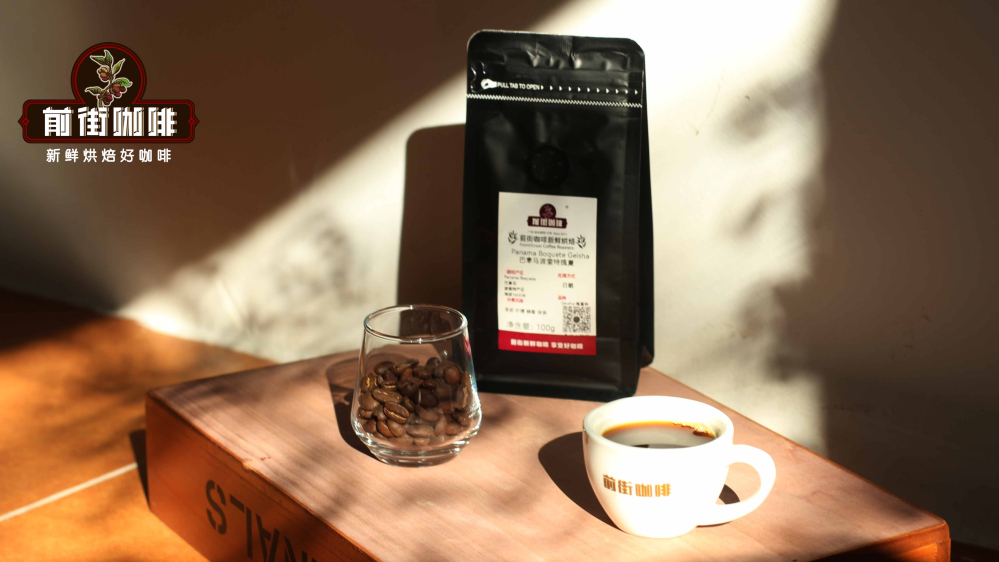
During the actual pour-over process, it is recommended to use a V60 filter cone. This filter cone is favored for its stable flow rate and excellent laminar effect, which helps the coffee grounds expand fully, aiding in clear flavor expression. The reference parameters used this time are as follows: the water temperature is controlled at 91°C, the coffee amount is about 15 grams, the coffee-to-water ratio is set to 1:15, and the grind size is recommended to be 80% passing through a standard 20-mesh sieve, which is a medium-fine grind, similar in texture to fine sugar.
After roasting, coffee beans usually need a resting period of 4 to 7 days. During this time, the beans gradually release carbon dioxide while their flavors develop to their peak. It is recommended to avoid using beans right after roasting, as excessive residual gases may affect extraction uniformity and flavor expression. Generally speaking, beans within 5 days of roastingare usually in the best flavor window and are also the recommended brewing timing for this guide.
For the pour-over process, it is recommended to use a three-stage pouring method, which helps achieve even extraction and reduces the risks of over-extraction or under-extraction. Specifically, the first step is to pour about 30 grams of waterfor blooming, lasting about 30 seconds. This step helps the coffee grounds “wake up” and release initial aromas. Next, the second stage involves pouring about 95 grams of water(with the scale reading about 125 grams total), taking about 1 minute. When the water level drops to about the height of the coffee bed at 2/3 , proceed to the third stage pour by adding 100 grams of water(total weight about 225 grams), taking about 1 minute and 35 secondsto complete. The total dripping time is about 2 minutes and 10 seconds, after which the filter cone is removed to end the extraction.
In terms of flavor profile, this Geisha exhibits a rich tropical fruit character, such as the fresh aromas of pineapple and mango. Upon tasting, a distinct chocolate base emerges, followed by layers of guava, orange peel, and cranberry acidity and sweetness. The finish leaves a lingering honey-like sweetness and soft lemony acidity. The overall cup is clean and well-layered, making it highly suitable for coffee lovers who enjoy floral and fruity profiles.
Additionally, many first-time Geisha drinkers might overlook the impact of resting and grind fineness on flavor. It is recommended to choose freshly roasted beans when purchasing, and adjust the grind size to suit your grinder. Grinds that are too coarse or too fine may lead to uneven extraction. At the same time, the stability of the pour-over water flow and the rhythm of pouring are also key factors affecting the final taste. Beginners are advised to take notes, recording each session’s water temperature, time, and flavor feedback, gradually finding the parameter combination that best suits their personal taste.
The above content is compiled by CoffeeHunters, a coffee news website.


