







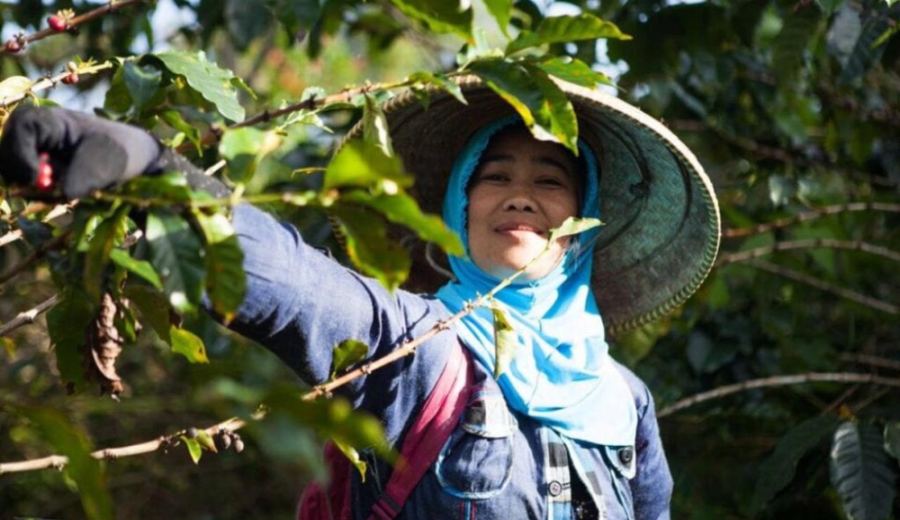
Introduction:Asian coffee has carved out its own niche on the global coffee map with its bold, rich flavors and low, steady acidity. This article will delve into the major Asian coffee-producing regions, including Yunnan in China, Indonesia, and India, exploring each area’s unique flavor profiles, processing methods, and quality distinctions. It will also highlight the development of Yunnan’s Typica variety and offer beginner-friendly tasting advice, helping you build a more comprehensive understanding of Asian coffee.
Asian coffee is globally recognized for its steady, full-bodied taste. Its flavor profile often features low acidity, high body, and complex layers of earthy, spicy, or herbal aromas. From Yunnan in China to Sumatra in Indonesia, and from the monsoon regions of India to beyond, each producing area shapes its distinct coffee personality through differences in geography, climate, and processing techniques. This article will systematically analyze the stylistic characteristics of Asia’s major coffee-growing regions and explain the cultivation evolution, varietal distribution, and consumer market status of Yunnan’s specialty coffee. It will also recommend a sun-dried Typica bean ideal for beginners, helping you grasp the selection and brewing essentials for Asian beans.
Coffee from Asian producing regions generally boasts a solid body and pronounced sweetness. Compared to beans from Central and South America or Africa, their aroma may be more restrained, but the complexity and aftertaste upon tasting often surprise. These beans are mostly processed via washed or semi-washed methods, with green beans typically featuring intact, uniformly sized shapes. With moderate roasting—even at light levels—they can release gentle fruit acidity and clear floral notes. From Indonesia and India to Vietnam and Papua New Guinea, there is potential for producing high-quality specialty coffee.
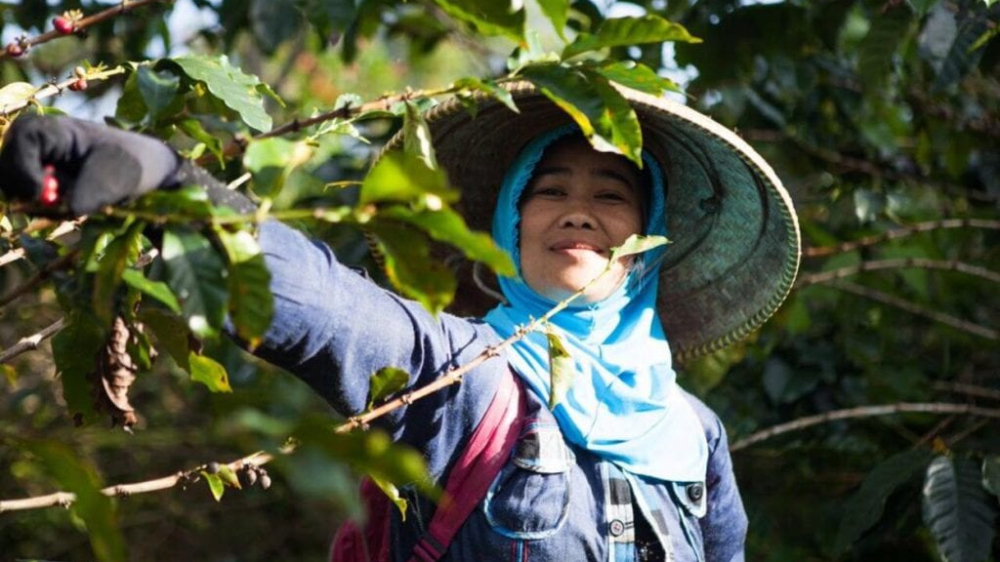
Take Yunnan in China, for example. It is one of the most representative coffee-producing regions in the Chinese market, with a planting history dating back to 1892 when a French missionary introduced the first coffee seedlings in the valleys of Binchuan County. To this day, nearly a hundred-year-old coffee trees still thrive in Zhukula Township, Binchuan County, with some trees as old as 90 years still bearing fruit—testament to Yunnan’s long-standing coffee heritage. Currently, washed processing dominates Yunnan’s coffee production, with main growing areas including Dehong, Xishuangbanna, Simao, Yuxi, and Baoshan. Production has been increasing year by year and is attracting growing attention from international buyers. Among these, Simao mainly cultivates the Catimor variety, primarily supplying large international brands, while Baoshan’s Luguangba focuses on Typica and Bourbon varieties, whose flavor profiles more closely align with specialty coffee standards, offering rich aromas and layered complexity.
To experience the pure flavor of Yunnan’s small-grain coffee, try a Typica bean processed via sun drying and medium roasted. It offers balanced taste with distinct notes of nuts, chocolate, and black tea—perfect for those just beginning to explore single-origin coffee. These beans not only showcase Yunnan’s local terroir but also serve as an ideal entry point for understanding the foundational flavors of Asian coffee.
In Southeast Asia, Sumatra and Java in Indonesia are key regions for specialty coffee. These areas are mostly volcanic, with fertile, well-drained soil that contributes to the coffee’s bold character. Sumatran mountain-grown Mandheling coffee is renowned worldwide, most notably for its low acidity, full body, and unique herbal and earthy aromas—some batches even carry subtle hints of iron rust. Premium Mandheling, when lightly roasted, can display a clean balance of acidity and sweetness along with delicate spice notes; if dark roasted, its flavor becomes rich and robust, with a long-lasting aftertaste, making it a classic favorite among many coffee enthusiasts.
Another hallmark of Indonesian coffee is its common use of the wet-hulled (Giling Basah) processing method. This technique involves removing part of the parchment layer while the beans are still high in moisture, resulting in a rough surface and bluish-green hue. However, it also amplifies the expression of body and earthy aromas, becoming a signature trait of Sumatran beans.
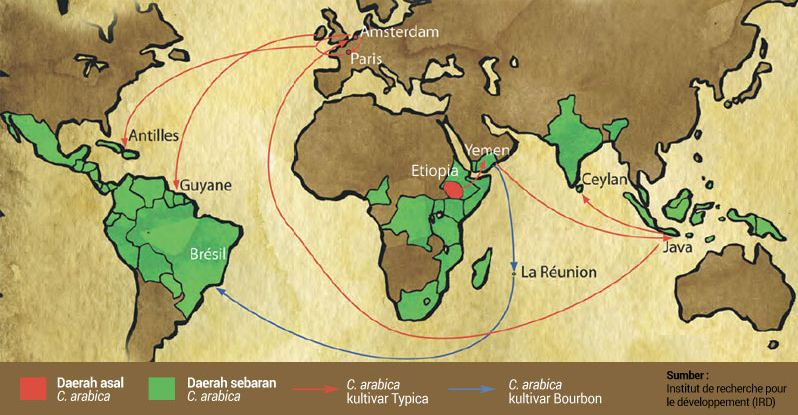
As for India, while its coffee-producing regions may not be as well-known as Indonesia’s, Monsooned Malabar is an exceptionally distinctive representative. This coffee undergoes prolonged exposure to monsoon winds after harvest, causing the beans to swell, lighten in color, and reduce in acidity, resulting in a unique flavor profile that is low in acid, full-bodied, and infused with warm spice notes. Indian coffee is often used in espresso blends to enhance texture and deepen aftertaste. On the international market, though India’s coffee circulation is limited, its sun-dried Cherry variety, washed Plantation Arabica, and washed Parchment Robusta each have their own merits. Additionally, some beans stored through rainy seasons or aged develop a rich texture akin to dark chocolate—well worth deeper exploration by specialty enthusiasts.
In summary, the charm of Asian coffee lies in the diverse processing methods and geographical conditions that shape its unique flavor spectrum. Whether you’re a coffee novice or a roaster seeking new flavor inspiration, gaining a deeper understanding of these regions’ characteristics and differences can help you make more precise decisions in bean selection and brewing, further appreciating the profound depth and subtle variations of Asian coffee.
The above content is compiled by CoffeeHunters, a coffee news website.


