







Introduction:An in-depth exploration of the unique sherry-like aroma and processing methods of Honduran Sherry coffee beans—from plantation altitude and micro-lot selection to details of whiskey barrel fermentation—this guide reveals the flavor secrets of this specialty coffee. Includes hand-brewing parameters and tasting notes tested by a barista, offering ideal extraction solutions for both beginners and advanced enthusiasts.
Honduras has emerged as a rising star in the international specialty coffee market in recent years, with its whiskey barrel-fermented Sherry coffee beans capturing attention for their rich wine-like aromas and silky, creamy mouthfeel. This article takes the micro-lot beans from the Mocha Estate at an altitude of 1,500–1,700 meters as an example, systematically analyzing how barrel fermentation shapes its distinctive flavors, along with verified hand-brewing parameters and flavor profiles.
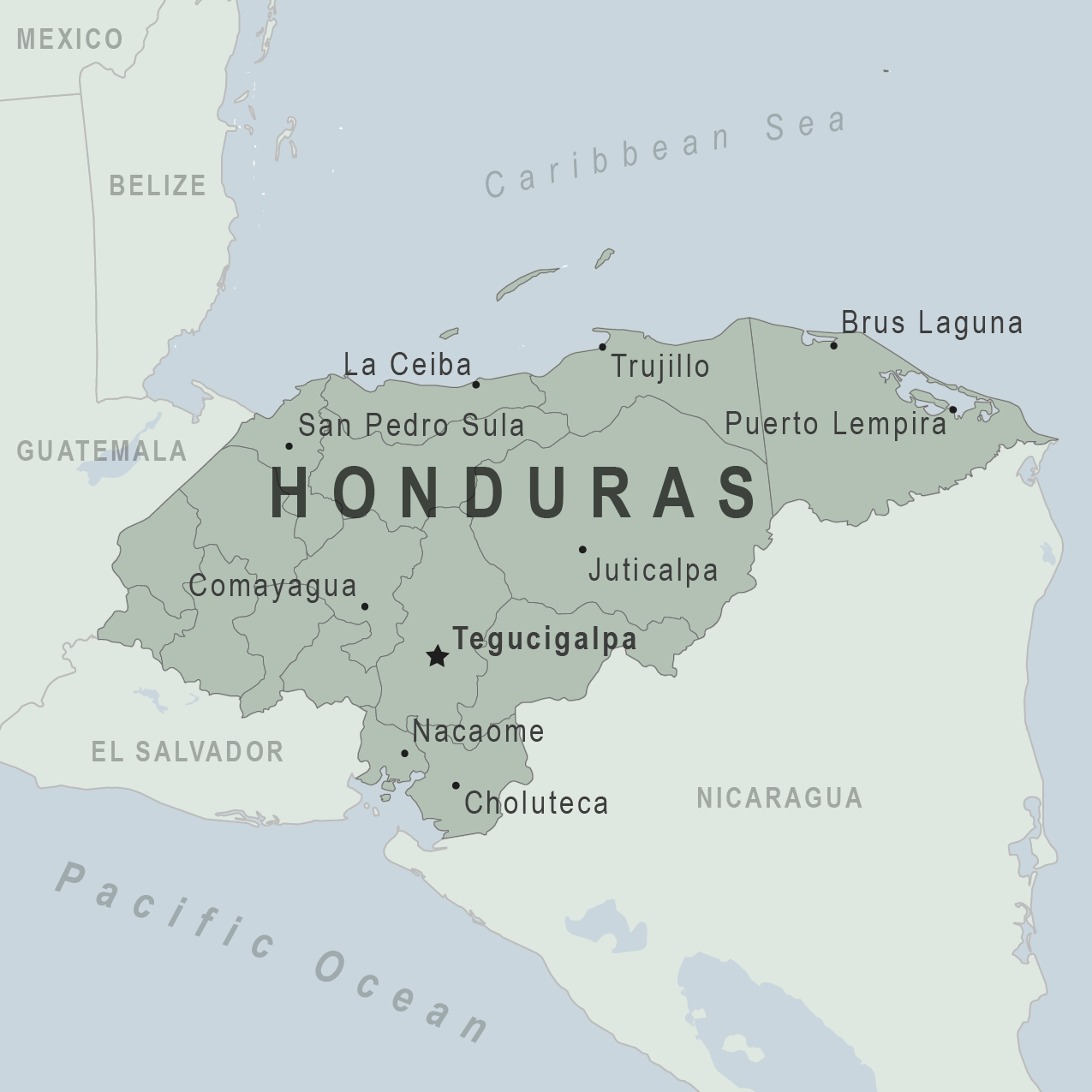
Honduras’s coffee industry was once limited by transportation conditions, but it has now become one of the world’s top ten coffee-exporting countries. Among its over 100,000 coffee farmers, 90% operate small farms, primarily located in high-altitude regions bordering Costa Rica. The country employs a grading system similar to Guatemala’s:Strictly High Grown(above 1,350 meters),High Grown(1,200–1,350 meters), and Central Standard (sea level to 1,200 meters). It’s worth noting that while such altitude classifications are related to quality, they often lack detailed production and traceability records.
This highly acclaimed Sherry coffee is grown at the Mocha Estate in the Masaguara region. Key details include:Variety(a blend of Caturra, Catuai, and Pacas),Processing Method(premium washed process combined with whiskey barrel fermentation). Many consumers first encounter it through cafés’ Americano offerings, where its notable sherry-like aroma stems from its unique post-harvest processing.

The wine-like aroma does not come from roasting additives but is achieved through the whiskey barrel fermentation process. Traditional Honduran washed processing typically involves floatation to remove defective cherries, pulp removal, and sun drying. In contrast, this Sherry coffee usesrepurposed oak barrelsfrom Spain’s sherry wine industry for 30–40 days of low-temperature fermentation. These sherry barrels were originally used to age fortified wines produced in the Jerez region, where the unique Solera system blends wines of different vintages, imparting the wood with rich aromatic compounds. Fermentation occurs in an environment of 15–20°C, with oxygen passing through the oak’s pores to facilitate chemical reactions between the green beans and the barrel walls, ultimately creating the signature wine-like flavors.
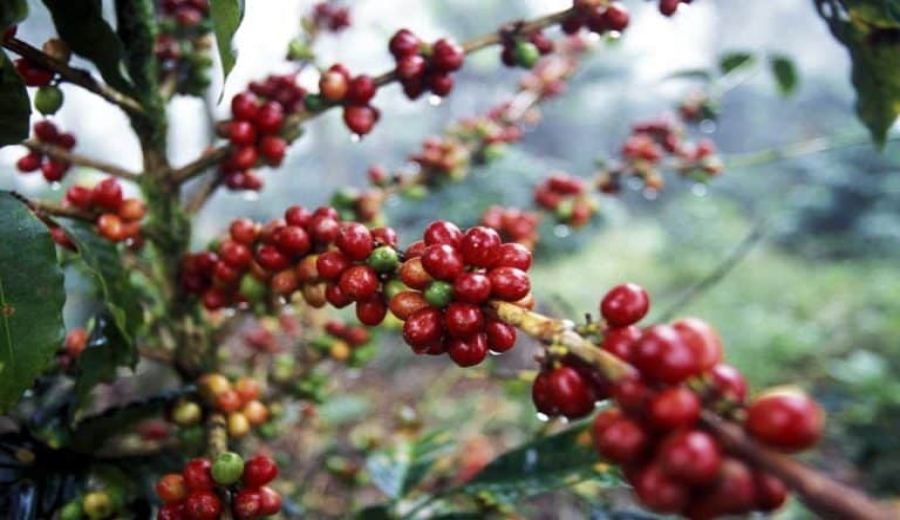
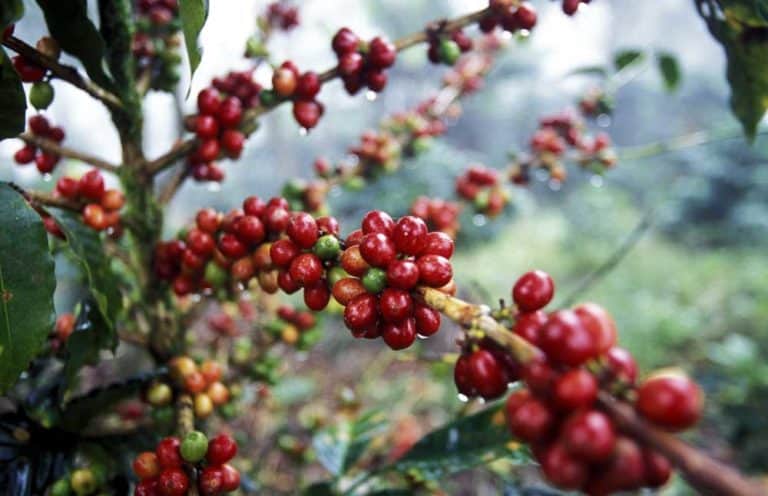
The Mocha Estate’s cultivation practices are quite distinctive: to facilitate harvesting, coffee trees are kept under 150 cm in height, and ripe cherries are handpicked individually. This growing region is part of Honduras’s six major coffee zones,with altitudes above 1,500 meterscontributing to the coffee’s bright acidity and full-bodied richness. Visually, these beans are uniformly plump with a glossy sheen.
In terms of flavor profile, Sherry coffee offers a multi-layered taste experience: the entrance features a bold yet non-aggressive wine aroma, the mid-palate presents moderate sweetness and vibrant acidity, and the finish leaves a chocolatey aftertaste with a velvety creamy texture. Professional roasters recommend a medium roast to balance sweetness and aroma, while a dark roast, though enhancing bitterness, does not overshadow the inherent characteristics.
For pour-over enthusiasts, the following field-tested parameters are recommended:
Equipment: V60 dripper
Water Temperature: 91°C
Coffee-to-Water Ratio: 1:15 (15g coffee to 225ml water)
Grind Size: 75% passing through a #20 Chinese sieve (equivalent to medium-fine grind)
Brewing Technique: 30g water bloom for 30 seconds → slow circular pour to 125g → pause when water level nears the bed → continue pouring to 225g → total brew time around 2 minutes. These parameters highlight the layered wine aromas while maintaining a clean finish.
The above content is compiled by CoffeeHunters, a coffee news website.


