







Introduction:Want to understand the differences between Yirgacheffe and Hambella (Huakui) coffee beans? This article delves into their regional backgrounds, grading systems, processing methods, and flavor characteristics. It also compares the impact of washed and natural processing on taste, while introducing Hambella batch numbering rules and SOE applications to help you more accurately select Ethiopian specialty coffees that suit your palate.
Both Yirgacheffe and Hambella (Huakui) are top-tier representatives of Ethiopian coffee, but they differ significantly in terms of regional classification, quality grading, processing methods, and final flavor profiles. This article will comprehensively break down these two highly regarded coffee beans—from growing environments and cooperative operations, to processing differences, flavor profiles, and common batch markings in the market—to give you clearer direction in selecting and brewing them.
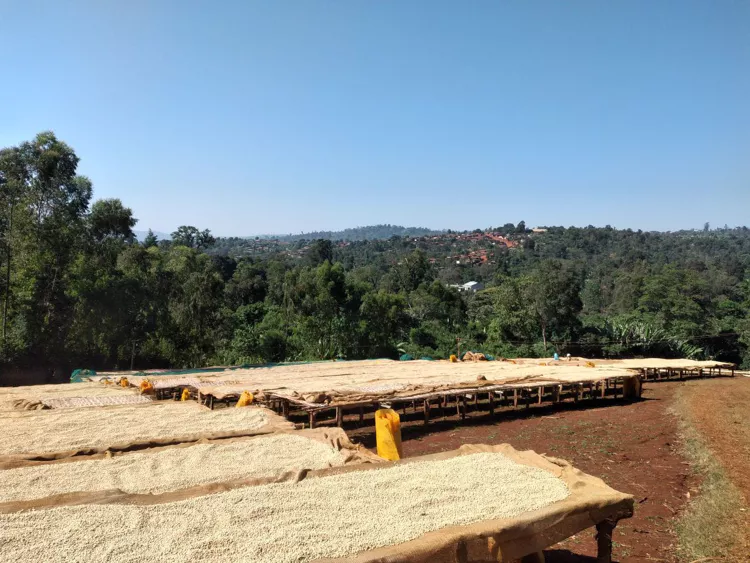
The town of Yirgacheffe is part of Ethiopia’s Sidama region, with plantations situated at altitudes of approximately 1,700 to 2,200 meters, making it a classic high-altitude coffee-growing area. The high elevation results in significant day-night temperature variations, which help coffee cherries ripen slowly and accumulate richer sugars and flavor compounds. Most of the coffee here is grown by smallholder farmers and then processed and exported collectively by local cooperatives, among which Konga, Worka, and Guji Dingding are the most well-known. These cooperatives belong to the Yirgacheffe Coffee Farmers Cooperative Union (YCFCU), which has over 40,000 members and operates independently from the centralized control of the Ethiopian Commodity Exchange (ECX). As a result, they can maintain higher quality standards, better bargaining power, and easier access to fair trade and organic certifications.
In addition to the YCFCU, some farmers are also part of the Oromia Coffee Farmers Cooperative Union (OCFCU). This union primarily serves smallholders in the Oromia region, improving efficiency and income stability through collective operations and ensuring farmers’ livelihoods with installment payments. This cooperative model not only stabilizes the supply chain but also enhances the overall international image of Ethiopian coffee.
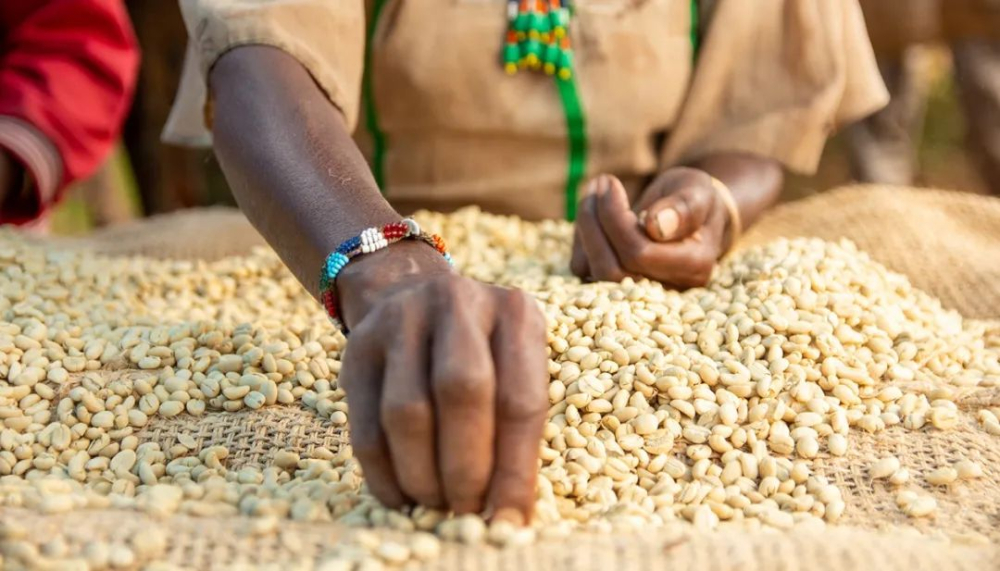
The widespread popularity of Yirgacheffe coffee beans is closely tied to their processing methods. The most common techniques are washed and natural (sun-dried), both of which have a decisive impact on the final flavor.
The washed process involves removing the coffee cherry's skin and pulp, then placing the mucilage-covered seeds into water fermentation tanks for about 12 to 36 hours. Natural acid bacteria break down the pectin during this time, after which the beans are thoroughly washed with clean water and finally sun-dried. This method significantly reduces impurities and defective beans, resulting in more uniform green bean appearance and more stable quality. Washed Yirgacheffe beans often exhibit bright citrus acidity, delicate floral notes, and honey-like sweetness, with a clean and crisp mouthfeel—making them a popular choice for many pour over enthusiasts.
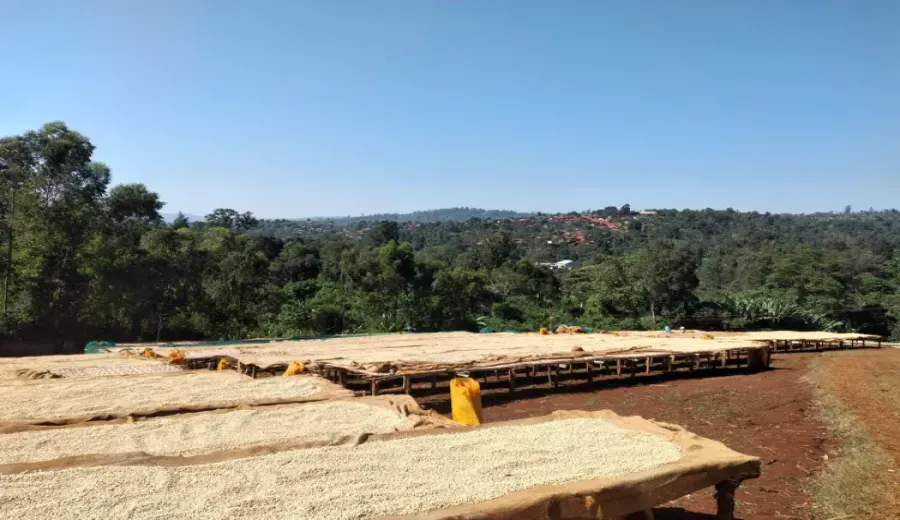
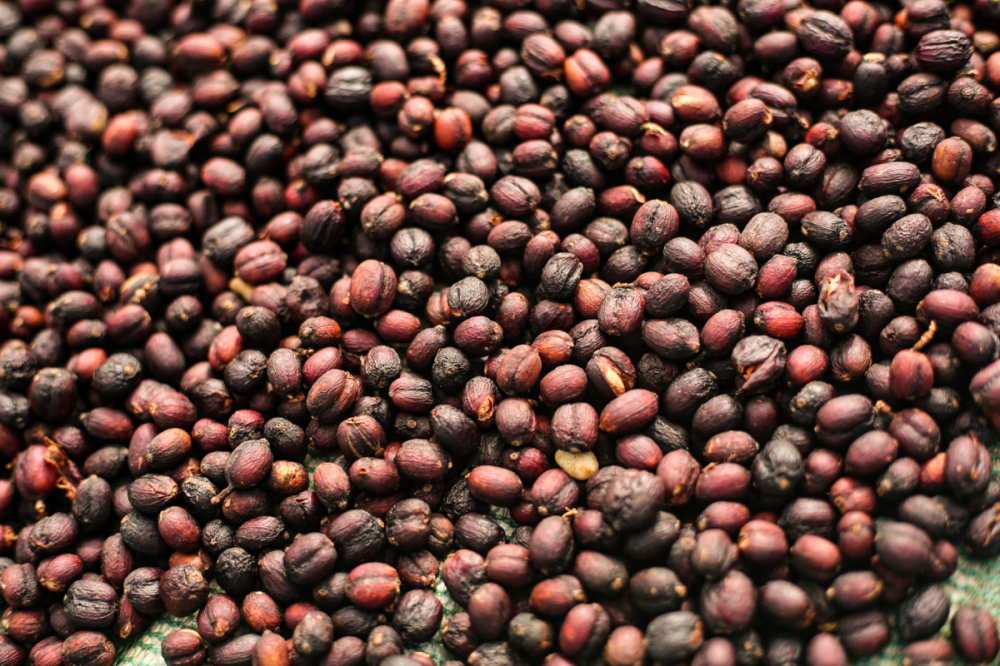
In contrast, the natural (sun-dried) process is more traditional. Harvested coffee cherries are placed directly on drying beds and slowly dried under the sun, usually taking over two weeks. This method is often used in water-scarce regions, with simpler procedures but requiring strict control of drying conditions and turning frequency to avoid mold or overripening. Naturally processed Yirgacheffe typically has lower acidity, more pronounced sweetness, and a rich flavor profile with intense berry or wine-like notes, offering a bold and full-bodied cup.
The Yirgacheffe region mainly cultivates Ethiopian landrace varieties, which lack commercial names and are often planted and harvested in mixed forms, collectively referred to as "Ethiopian heirlooms." Due to their high genetic diversity, Yirgacheffe coffee offers surprising and varied flavor expressions.
When talking about Yirgacheffe, many people think of its classic “fruity and floral” profile—bright citrus, fresh lemon, delicate jasmine, paired with honey-like sweetness and a clean, defect-free taste. This is the essence of Yirgacheffe’s flavor. It’s worth noting that according to the ECX classification, in addition to the town of Yirgacheffe itself, surrounding regions such as Wenago, Gelena Abaya, and Kochere also produce coffee that, if it meets specific flavor criteria, can be categorized under the “Yirgacheffe flavor” designation. Common products like the Guji Dingding cooperative, natural red cherry, and washed Kochere are representative offerings within this flavor classification.
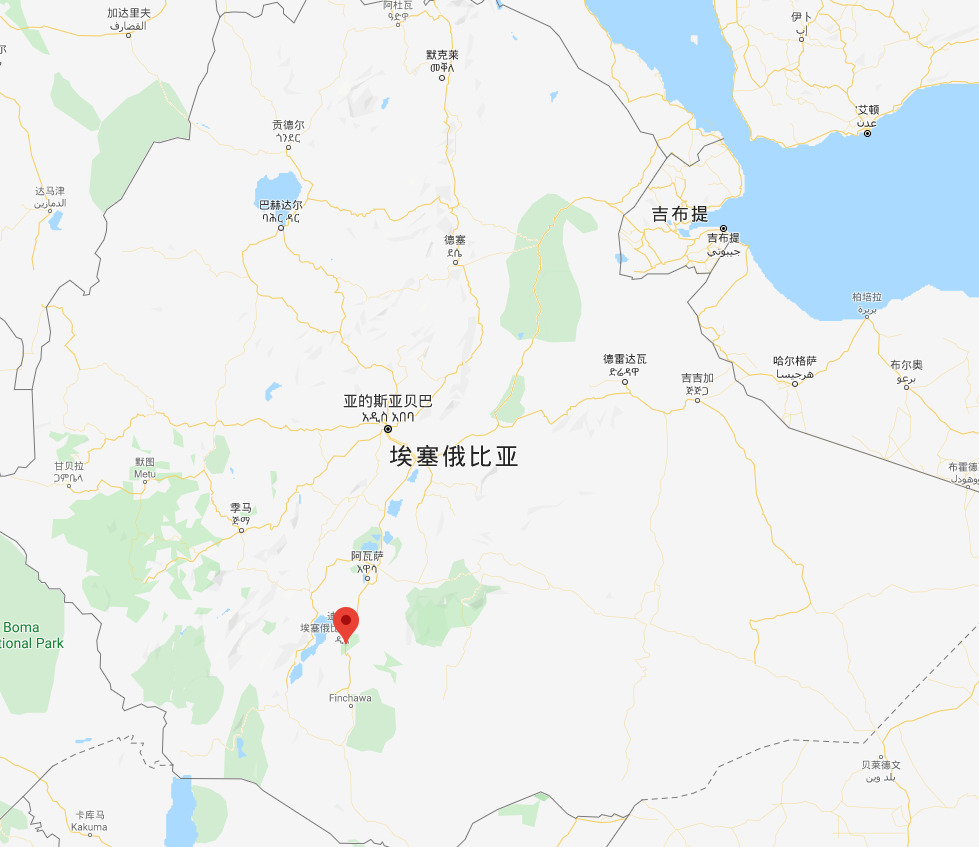
As for Hambella (Huakui) coffee, it comes from the larger Sidama region, specifically the Hambella area. In 2017, DW Company submitted a natural G1 coffee bean from the region to the “Ethiopian National Taste of Harvest Competition (TOH)” where it won first place. This bean later became widely known as Huakui (花魁). Its origin can be traced to the Buku Abel processing station, located in Dimtu Town’s core producing area.
With surging market demand, DW Company expanded its operations in the Hambella region by building multiple processing stations, including Buku Saysay, Haro Soresa, Tirtiro Goye, and Seke Bokosa—all concentrated in Dimtu Town. These stations continue to produce natural G1-grade coffee beans, which are the “Huakui” series available in the market. Starting in 2018, domestic traders introduced a batch numbering system to differentiate products from different years. For example, 2018 was labeled “Huakui 2.0,” followed by “Huakui 3.0 and 3.1” in 2019, and so on, up to the latest “Huakui 7.0” and the recently launched “Huakui 8.0.” Each batch shows slight flavor evolution; for instance, Huakui 8.0 features intense tropical fruit aromas like guava, jackfruit, and apricot in its dry scent, and delivers honey, berry, and chocolatey sweetness when brewed, offering a more layered flavor profile.
Hambella (Huakui) coffee is mostly processed as natural G1 grade, classified as high-quality commercial beans suitable for use as SOE (Single Origin Espresso). The launched Huakui SOE is medium roasted, with recommended extraction parameters of 20 grams of coffee grounds yielding 40 grams of liquid in about 33 seconds. When directly extracted as espresso, this bean presents a balanced flavor of dark berries, dried apricots, caramel, and creamy chocolate. As an Americano, it highlights bright citrus acidity, and when milk is added, it reveals rich layers of buttery cookies, plums, and almonds—making it an excellent choice for home coffee enthusiasts.
The above content is compiled by CoffeeHunters, a coffee news website.


