







Introduction:Delve into the unique geography and climate of Ethiopia’s Yirgacheffe region, and explore how the washed processing method creates its classic bright citrus and floral flavors. This article details the origin background and processing techniques of the beans from this area, and provides practical pour over parameters and a three-stage pouring technique to help you fully showcase the delicate and layered qualities of Yirgacheffe.
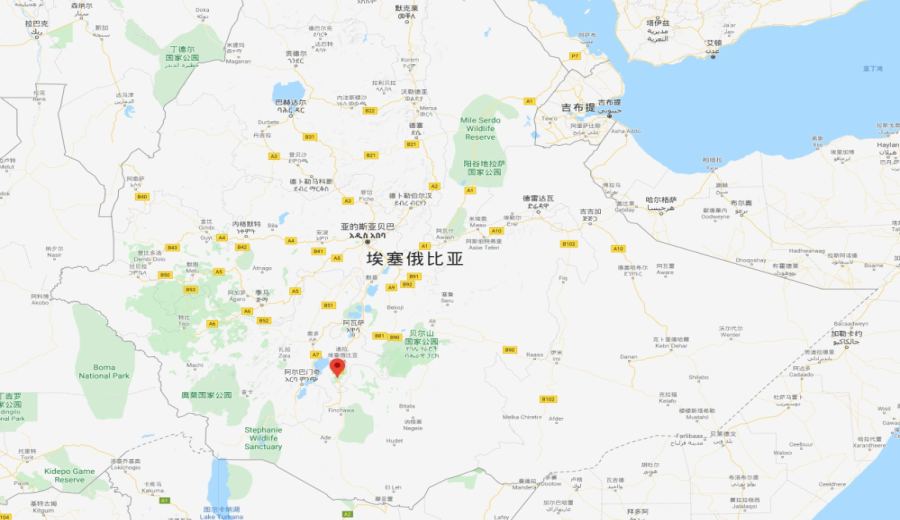
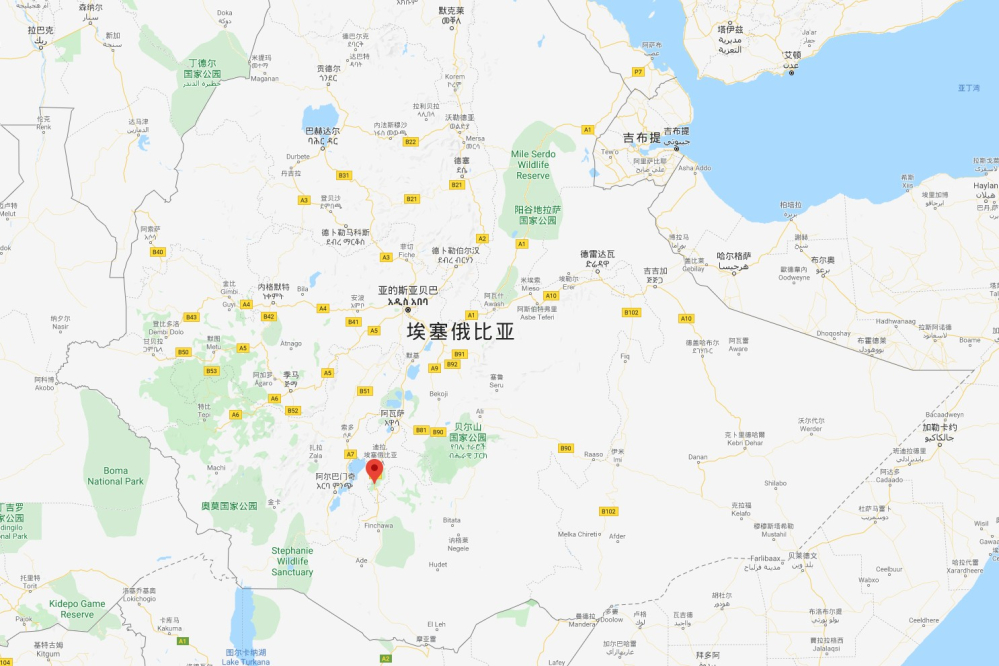
Yirgacheffe is a well-known coffee town in the Sidama administrative region of Ethiopia’s Southern Nations, Nationalities, and Peoples' Region, and is also a globally recognized coffee origin name among specialty coffee enthusiasts. The coffee beans produced here are often named after this town, representing not only its regional characteristics but also highlighting the close connection between the coffee terroir and quality.
As one of the birthplaces of coffee, Ethiopia boasts an exceptionally favorable natural environment. The country is mostly highland terrain, particularly dominated by the vast Ethiopian Highlands, with the East African Rift Valley running through it. The average altitude across the country is nearly 3,000 meters, earning it the reputation of the “Roof of Africa.” This high-altitude environment, combined with a climate featuring an average annual temperature of about 16°C and significant day-night temperature variations, provides an ideal growing environment for Arabica coffee and also helps the beans accumulate richer aromatic compounds.
Although Ethiopia has experienced periods of conflict, it was never fully colonized, allowing it to preserve much of its original natural ecology and agricultural traditions. The local economy remains primarily based on agriculture and animal husbandry, with minimal industrial intervention, enabling coffee-growing regions to maintain good natural conditions—this is also one of the key factors that allow Yirgacheffe coffee to exhibit its delicate and bright flavor profile.
The coffee-growing areas of Yirgacheffe enjoy abundant rainfall, with the year divided into a major rainy season from June to September and a minor rainy season from February to May. The precipitation is stable and sufficient, ensuring water supply for the growth of coffee trees. In addition, the region’s high altitude and moderate temperatures (approximately 9.7°C to 25.5°C) create optimal conditions for producing high-quality Arabica coffee.
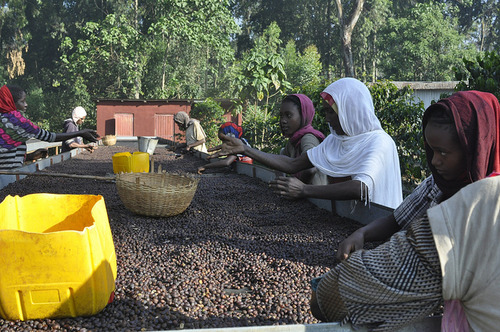
The bright and vibrant flavor profile of Yirgacheffe coffee beans is not only due to natural conditions but also significantly attributed to the use of the washed processing method. Before the 1970s, the region mainly used the natural (sun-dried) processing method, which was susceptible to weather influences and resulted in less stable quality, usually requiring ten to twenty days to complete. Later, with the establishment of the first washing station in the Sidama region, the washed process gradually became widespread in the area.
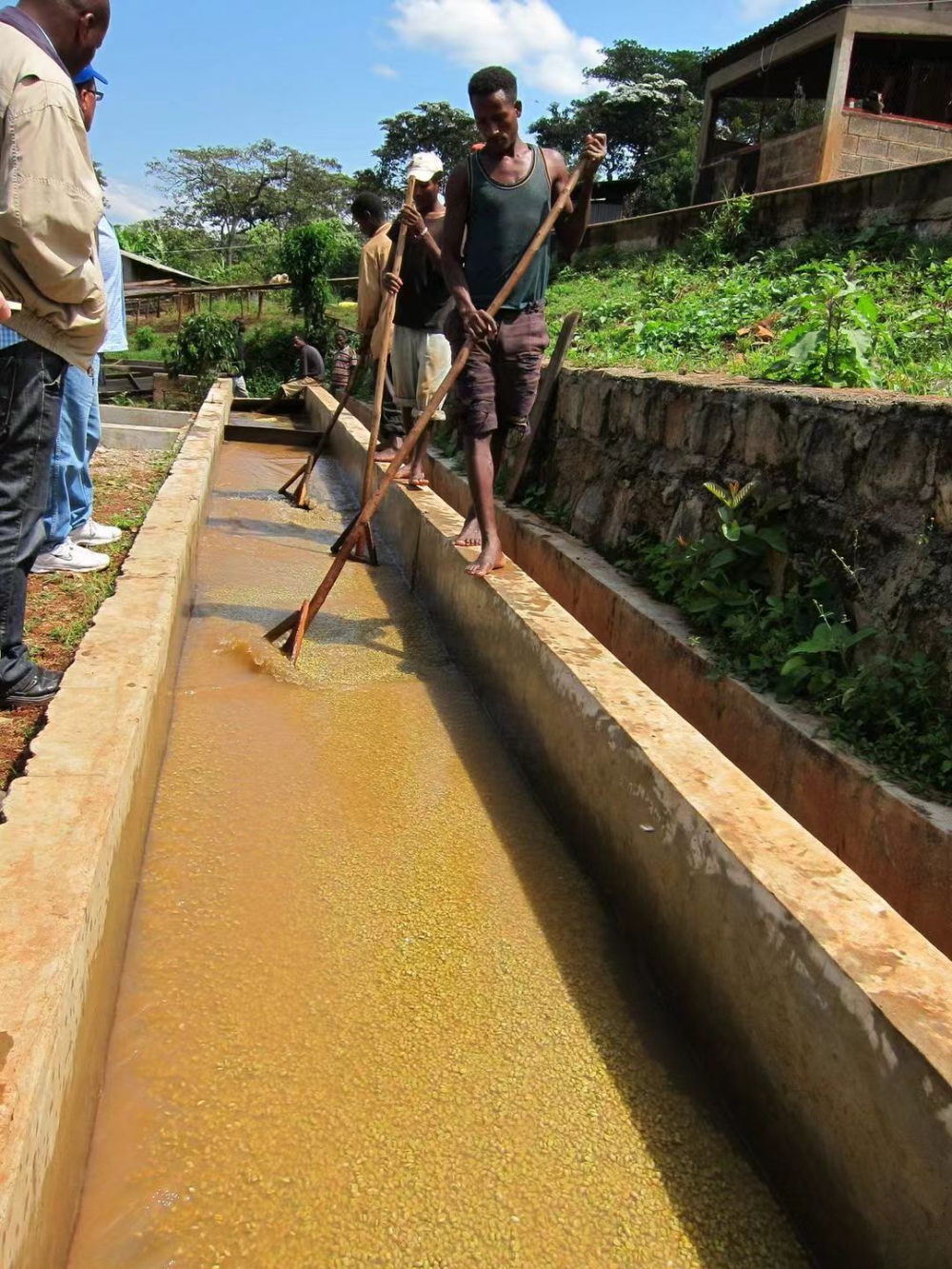
Washed processing relies on a stable water source and specialized equipment. The process involves removing the coffee fruit’s skin, fermenting the beans in a washing tank, and then using water flow and manual agitation to remove the mucilage and impurities. This method allows for precise removal of defective beans, resulting in more consistent green bean quality and ultimately delivering cleaner and brighter flavor characteristics. Compared to the natural process, washed processing not only reduces the defect rate but also better highlights the coffee’s acidity and floral layers.
Yirgacheffe coffee processed via the washed method often exhibits prominent citrus notes and elegant white floral tones, with bright yet non-harsh acidity and a refreshing, layered mouthfeel. These flavor characteristics make it a top choice for many pour over enthusiasts. Additionally, medium-light roasting better preserves its inherent flavors while bringing out honey-like sweetness and vibrant fruity aromas.
Typically, the green beans of washed Yirgacheffe have a uniform bluish-green appearance with a clean surface free of impurities, which is a concrete reflection of the refined washed processing technique. During cupping, one can often perceive clear floral and fruity notes, along with a soft yet vibrant balance of acidity and sweetness.
To brew Yirgacheffe at home and achieve its classic flavors, it is recommended to use the pour over method with the following practical parameters and techniques: use a V60 filter cone, control the water temperature at 90-91°C, use approximately 15 gramsof coffee, set the coffee-to-water ratio at 1:15, and choose a grind size similar to that of granulated sugar (about 80% of particles passing through a #20 sieve).
The specific pour over steps can follow the three-stage pouring method: first, pour hot water equivalent to about twice the weight of the coffee grounds (approximately 30 grams) for the bloom, for about 30 seconds, allowing the coffee grounds to fully expand and release aroma; then, using a steady and fine stream of water, pour in a circular motion from the center outward up to 125 grams for the first pour, then wait for the coffee bed to slightly sink; continue pouring with the same technique up to 225 gramsuntil all the coffee liquid in the filter cone has completely dripped through, with a total brewing time of about 2 minutes. Finally, remove the filter cone, gently swirl the coffee in the server, and start tasting from a high temperature to gradually experience the evolution of its flavors.
Mastering these parameters and steps will not only help you more fully present Yirgacheffe’s citrus, floral, and sweet characteristics, but also enable you to better understand the brewing logic and expressive potential of this classic origin coffee.
The above content is compiled by CoffeeHunters, a coffee news website.


