







Introduction:As one of Ethiopia’s most iconic specialty coffees, Yirgacheffe is renowned worldwide for its distinctive citrus acidity and elegant floral notes. This article delves into its regional historical background and flavor profile, explores the impact of light and medium roasting on its expression, and provides practical brewing recommendations for different methods—helping you better understand this classic coffee that redefines traditional perceptions.
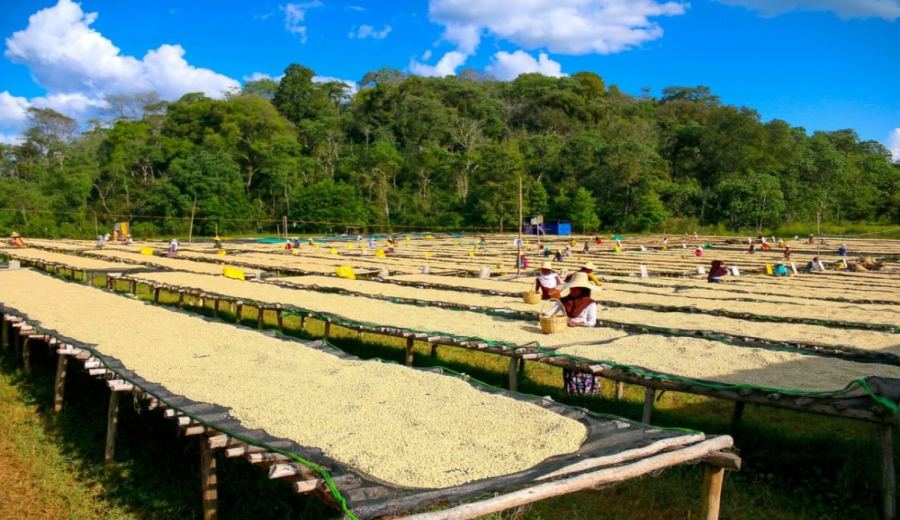
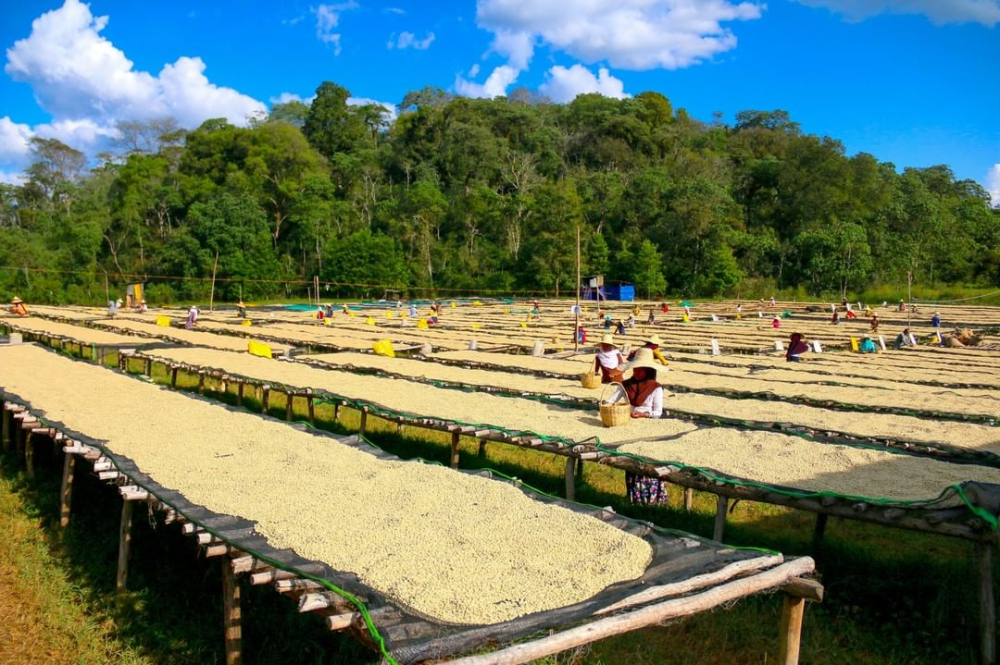
When it comes to African specialty coffee, Ethiopia is undoubtedly a leader, and Yirgacheffe is one of its most representative regions. This land in southern Ethiopia is famed for producing coffee with pronounced citrus acidity and delicate white floral aromas. It has successfully separated from the Sidamo region to become its own distinct coffee-producing area, helping to clarify past quality misconceptions caused by confusing origins.
Yirgacheffe’s prominent position in the coffee world primarily stems from its unique geographical environment and microclimatic conditions. Originally just a small town under the jurisdiction of Sidamo, the coffee it produces boasts an unusually light body and vivid fruity and floral aromas—especially a subtle white-flower-like fragrance that often leads people to assume the beans all come from Yirgacheffe. Due to market demand and the need for regional identification, the area was eventually officially elevated to an independent producing region to preserve its unique flavor characteristics and brand value.
Before specialty coffee became widespread, most coffee beans were dark roasted, emphasizing bold and heavy flavors. However, the emergence of Yirgacheffe completely changed this notion. This coffee showcases exceptionally vibrant acidity paired with a clear citrus profile—such as lemon and lime—as well as refined floral notes reminiscent of jasmine and white blossoms. On the palate, it offers a tea-like smooth aftertaste, delivering an overall fresh and refined flavor profile, much like a carefully crafted lemon herbal tea, leaving a lasting impression.
For this reason, Yirgacheffe not only shatters the stereotype that “coffee must be bitter,” but also becomes a top choice for many newcomers entering the world of specialty coffee. Its flavor profile is clear and layered, making it suitable for showcasing its unique character through various brewing methods, which is why it enjoys global popularity among coffee enthusiasts.
When selecting the roast level for Yirgacheffe, the focus is on preserving its core citrus acidity and floral aromas. Generally, light roasting retains the maximum amount of acidic compounds and original flavors in the beans, allowing citrus, berries, and floral notes to shine through—making light-roasted Yirgacheffe especially ideal for those who prefer a refreshing taste. Medium roasting, on the other hand, balances acidity and sweetness while introducing hints of caramel and creaminess, making it suitable for espresso or milk-based coffee preparations.
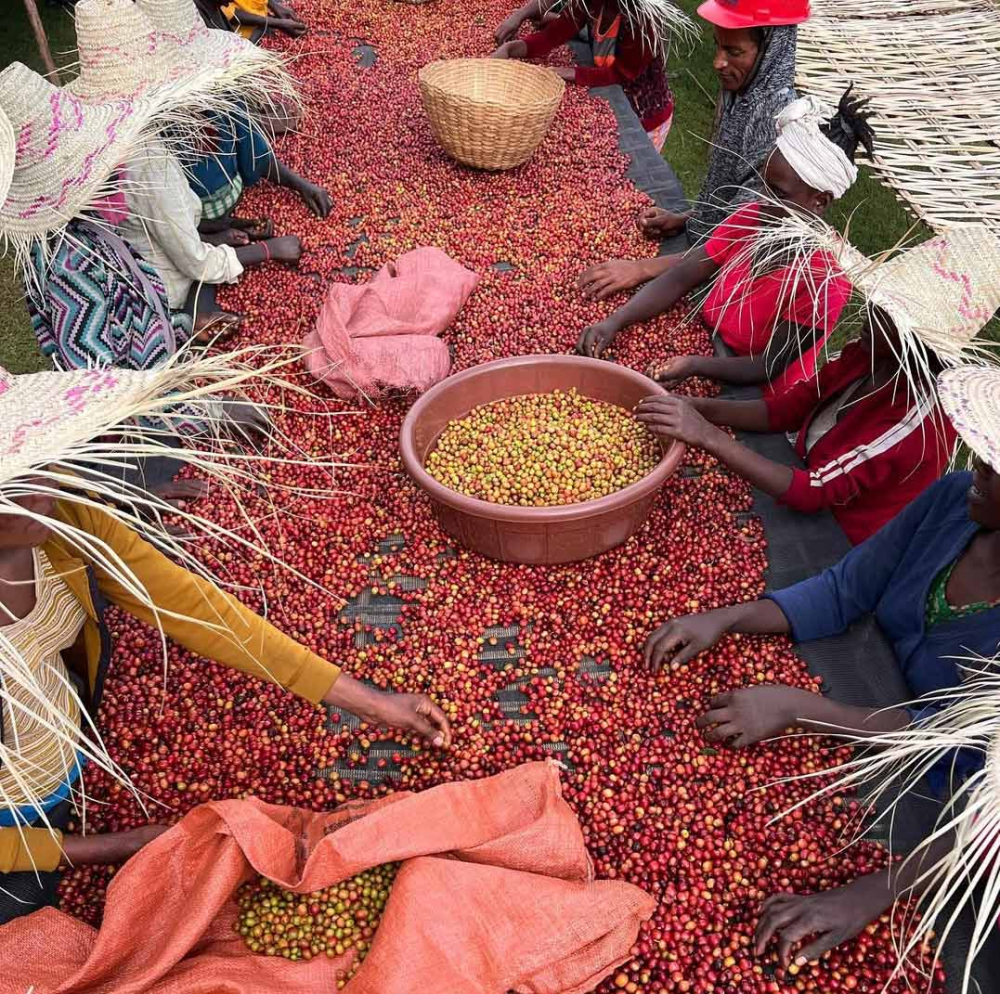
If you prefer brewing methods such as pour over, drip bags, French press, American drip, or cold brew, a light-roast version of Yirgacheffe is recommended. For example, washed-process Yirgacheffe often features pronounced lemon and citrus notes, complemented by tea-like and honey sweetness, resulting in a bright and layered flavor that’s perfect for everyday drinking. Additionally, the natural-process Red Cherry series showcases richer berry and fruit fermentation aromas, with a round mouthfeel and creamy texture, suitable for both hot and cold drinks—ideal for coffee lovers wanting to explore more flavor variations.
For users employing tools like the moka pot or espresso machines to make espresso, a medium-roast Yirgacheffe is a more suitable choice. In particular, single-origin espresso (SOE) made from fully sun-dried red cherry Yirgacheffe delivers intense fruit aromas due to the high ripeness of the coffee cherries. After extraction, it exhibits clear lemon, citrus, and black tea notes, balancing acidity and sweetness while adding unique flavor layers to milk-based coffees like lattes and flat whites.
In summary, the charm of Yirgacheffe lies in its diverse flavor potential and distinct regional identity. No matter which brewing method you prefer, choosing the right roast level and processing method allows you to fully experience the unique personality of this classic coffee bean. From refreshing floral and fruity notes to the nuances of pour over, and even the layering in espresso—Yirgacheffe offers a distinctly varied coffee experience.
The above content is compiled by CoffeeHunters, a coffee news website.


