







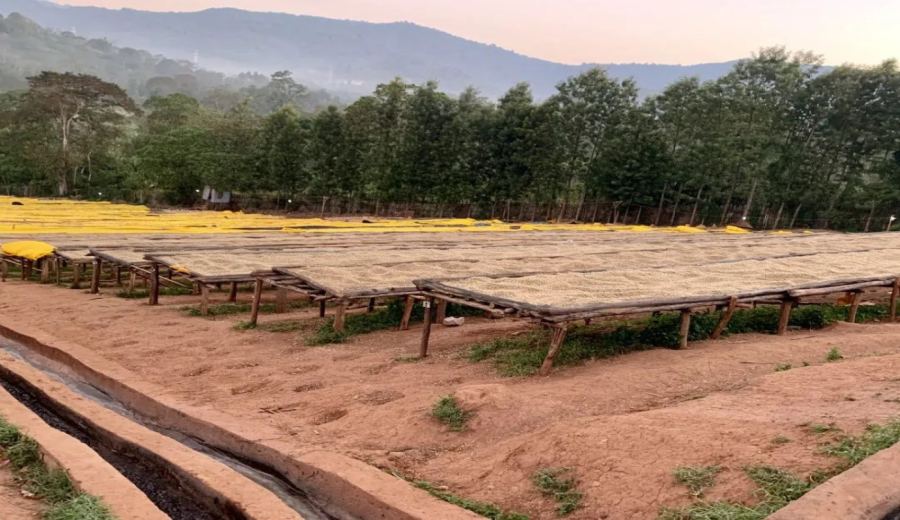
Introduction:Yirgacheffe is one of Ethiopia’s most iconic specialty coffee regions, renowned for its bright acidity, floral notes, and honey-like finish. This article delves into the geographical background, grading system, and unique flavor profile of Yirgacheffe, while also providing practical brewing tips and parameters for the washed processing method to help you—from beginner to expert—effortlessly extract its clean fruit-tea flavors bursting with citrus and floral notes.
Yirgacheffe is a historic coffee town in southern Ethiopia, originally part of the Sidamo region. It was later designated as a distinct coffee-producing zone due to its unique washed processing technique and pronounced flavor characteristics, securing its place in the global specialty coffee market. Coffees from this area are celebrated for their vibrant acidity, delicate floral aromas, and honey-like sweetness, often described as a “fruit tea.” They’re not only ideal for newcomers exploring specialty coffee but also a daily favorite among seasoned coffee enthusiasts.
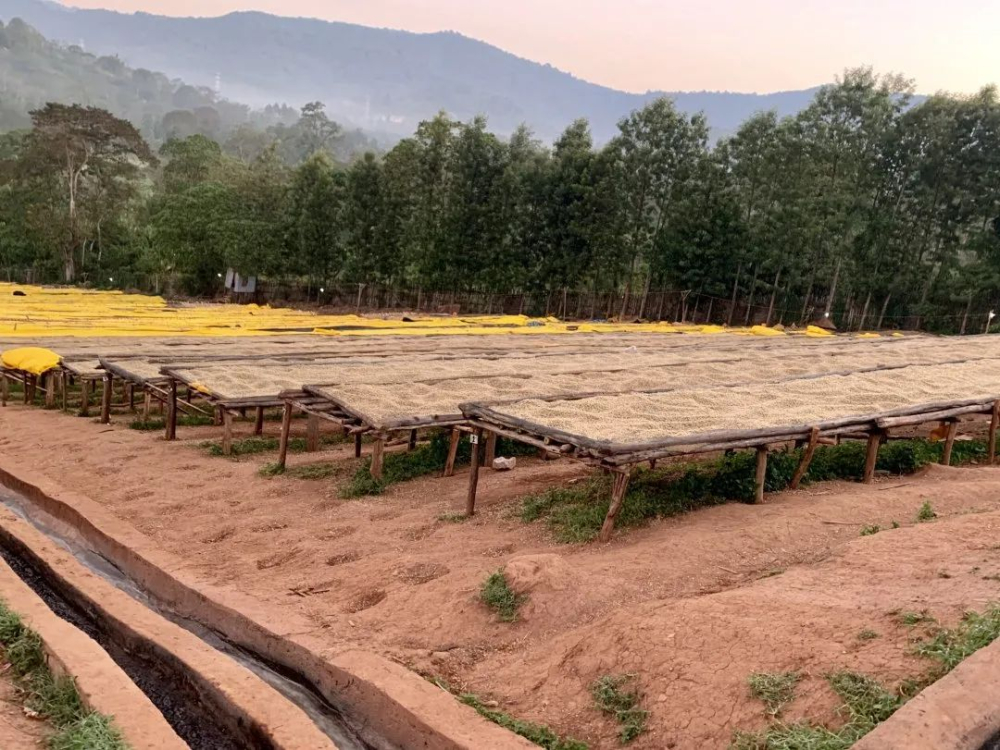
Ethiopia is hailed as the birthplace of coffee, and its beans have long been highly regarded in the global specialty market. Whether for professional roasters or home users, Ethiopian beans are a staple on menus. In fact, flavor profiles vary greatly across Ethiopia’s regions—from high-altitude fruity notes to lowland richness—each micro-region or even individual farm can produce coffees with distinctly different cup characteristics. That’s why the country is also called the “genetic library” of world coffee. Among these, Yirgacheffe stands out with its distinctive citrus acidity and floral expression, making it a must-try classic for specialty coffee lovers.
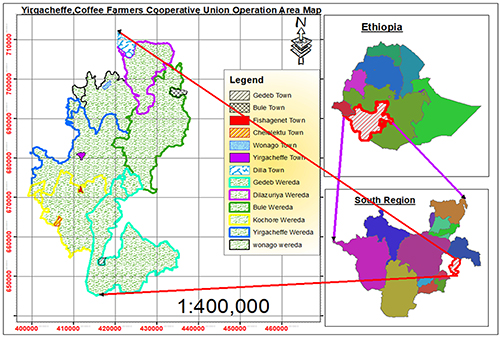
The name Yirgacheffe originates from ancient local language: “Yirga” means calm or stable, and “Cheffe” refers to a wetland-like environment. Together, the name can be interpreted as “let us settle in this wetland.” Geographically, Yirgacheffe is located in the Gedeo zone, near large lake basins with abundant surface water resources. These conditions provide an ideal foundation for building washed processing stations in the area, which is why the region is famed for its washed processing method.
When it comes to the flavor of Yirgacheffe, what stands out most is its clean, bright citrus acidity paired with white floral notes and soft honey sweetness, creating a taste profile reminiscent of a fruit-infused black tea. Compared to the heavy, roasted notes of traditional dark roasts, Yirgacheffe offers a bright and lively cup—its acidity is clear upon entry, with pronounced citrus aroma, and the finish often carries a tea-like sensation with a hint of sweetness. It’s perfect for coffee lovers who prefer a refreshing profile. These characteristics stem not only from the processing method but also from the region’s microclimate, altitude, and coffee varieties.
Beyond the town center, according to ECX (Ethiopia Commodity Exchange) regulations, coffees produced in surrounding areas such as Wenago, Gelena Abaya, and Kochere can also be categorized under the “Yirgacheffe flavor” classification if they meet specific flavor profiles. This broader definition allows for a wider range of flavor nuances from different micro-regions within the Yirgacheffe appellation.
In terms of processing, Yirgacheffe primarily uses the washed method, which highlights the coffee’s clarity and acidity while preserving delicate floral and fruity aromas. One example is a washed Yirgacheffe from the Gutingding Cooperative—we once released a lot with small bean size and pale yellow-green color. Its dry fragrance carried rich, complex floral and fruity notes. Upon brewing, it offered bright citrus and lemon acidity, balanced sweetness and moderate body, delivering an experience akin to a refined fruit tea, making it especially popular among pour-over enthusiasts.
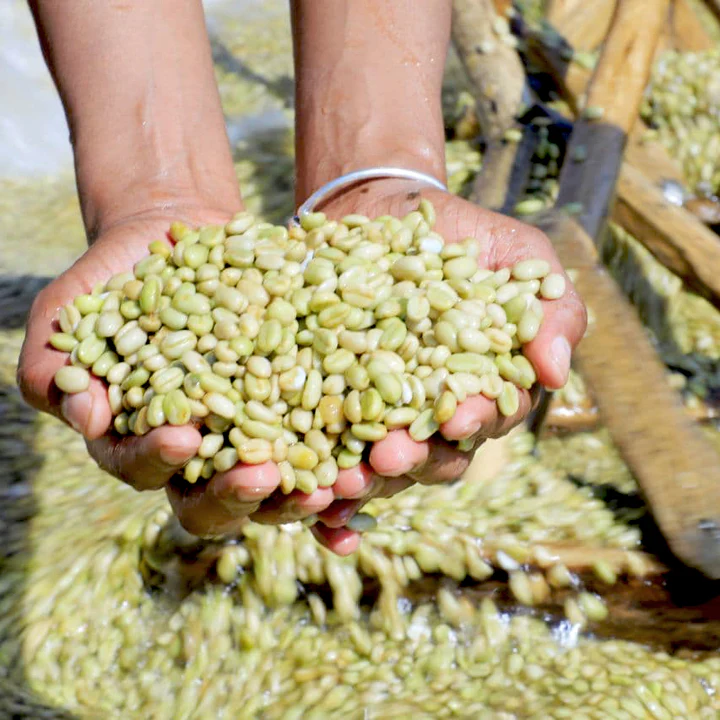
Regarding the appearance of Ethiopian coffee beans, many notice inconsistencies in bean size. This is actually related to the local grading system and the characteristics of native varieties. Before the establishment of ECX, Ethiopian coffee was graded primarily based on the number of defective beans in a 300g sample, categorized from Grade 1 to Grade 5—with lower numbers indicating fewer defects and higher grade. However, since ECX introduced its new system, grading now combines physical characteristics of the green beans (40%) and cup quality (60%) for a comprehensive score, no longer mandating uniform bean size.
For washed beans, scoring criteria include: defect count (20%), bean appearance and size (10%), color (5%), and aroma (5%), along with cup attributes such as cleanliness (15%), acidity (15%), mouthfeel (15%), and flavor characteristics (15%). For non-washed processing, the aroma component is adjusted to 10%. This system places greater emphasis on final flavor performance, explaining why Ethiopian beans often vary in size yet consistently deliver exceptional quality.
If you’d like to brew a washed Yirgacheffe at home using the pour-over method, here are some practical reference parameters and steps: We recommend using a V60 filter cone, with water temperature around 91°C, a brew ratio of 1:15, and about 15 grams of coffee. Grind size can be adjusted to approximately 80% extraction through a Chinese No. 20 sieve—similar to the coarseness of fine sugar. Start by pouring 30 grams of water for a 30-second bloom, then continue pouring in small circles until you reach 125 grams for the first pour. After the water level drops, pour again up to 225 grams. Remove the filter just before the bed is fully exposed, aiming for a total brew time of about 2 minutes.
This washed Yirgacheffe from the Gutingding Cooperative delivers an outstanding flavor profile: its dry fragrance features subtle notes of jasmine and ginger flower. Upon tasting, the citrus acidity is gentle, and as the cup cools, the acidity shifts toward more pronounced lemon and plum tones. The sucrose sweetness is clear, and the finish leaves a light oolong tea-like sensation. Overall, it’s like a refreshing juice tea—ideal for those who enjoy a balance of fruit and floral notes, and also a fantastic choice for beginners exploring pour-over brewing.
The above content is compiled by CoffeeHunters, a coffee news website.


