







Introduction:Spanish Latte has gained widespread attention in recent years due to promotion by international chain brands, but it actually did not originate in Spain. Instead, it is a distinctive beverage that combines espresso with sweetened condensed milk, and its flavor profile is closer to a sweeter version of Vietnamese drip coffee. This article will analyze the unique flavor profile of Spanish Latte, highlight its key differences from regular latte, and provide practical home-brewing extraction parameters and steps so you can make a rich, mildly sweet Spanish-style coffee at home.
Spanish Latte has gradually risen in popularity on the international market in recent years, especially as it has been promoted by certain chain coffee brands, becoming a choice for many consumers looking to try something new. However, this drink called "Spanish Latte" actually has no direct connection to the local coffee culture of Spain. On the contrary, its origin is more closely related to the habits of Vietnamese drip coffee—using espresso as the base and blending it with a generous amount of sweetened condensed milk to create a rich yet mildly sweet unique taste.
In terms of ingredients, Spanish Latte mainly combines three elements: espresso, fresh milk, and sweetened condensed milk. Simply put, it is a regular latte with the addition of sweetened condensed milk, making the overall flavor sweeter and richer. Tracing back to its roots, its flavor inspiration shares similarities with the popular drip coffee in Vietnam. Due to Vietnam’s tropical climate, the coffee beans commonly used there are mostly Robusta varieties, which tend to have a strong and slightly bitter flavor. Therefore, adding sweetened condensed milk not only helps to buffer the bitterness but also adds a touch of sweetness, creating an unforgettable drinking experience.
If we were to draw a comparison, Spanish Latte could be described as a less viscous and less bitter version of Vietnamese coffee. It has a smooth texture and a pronounced sweetness, making it suitable for those who enjoy lattes but want to try a coffee with a hint of sweetness. Some may associate it with Spain’s own "Café Bombón," a coffee popular in the Madrid area made by pouring equal parts of sweetened condensed milk and espresso into a glass, resulting in a visually distinct layered effect of black and white. Although the names are similar, the actual recipes of Spanish Latte and Café Bombón are different.
Interestingly, this drink known as "Spanish Latte" is particularly popular in the Middle East. According to consumption statistics in the UAE, Spanish Latte even accounts for more than half of the country’s total coffee sales. One reason for its popularity is its sweet yet not cloying taste, which is well-suited to the region’s hot climate, making it a top choice for many to beat the heat. In addition, many cafes in the Middle East opt to use specialty or high-quality coffee beans to brew this coffee, further enhancing its flavor complexity and also driving demand for premium coffee equipment and beans in the local market.
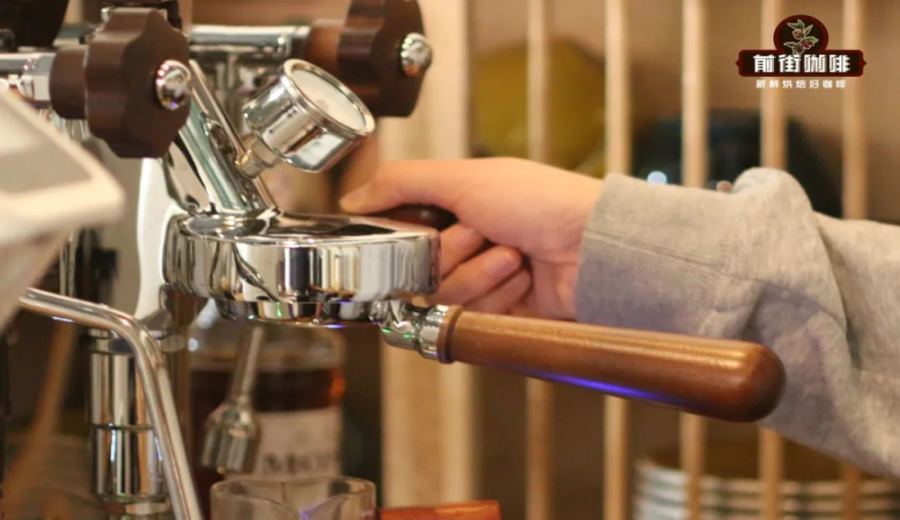
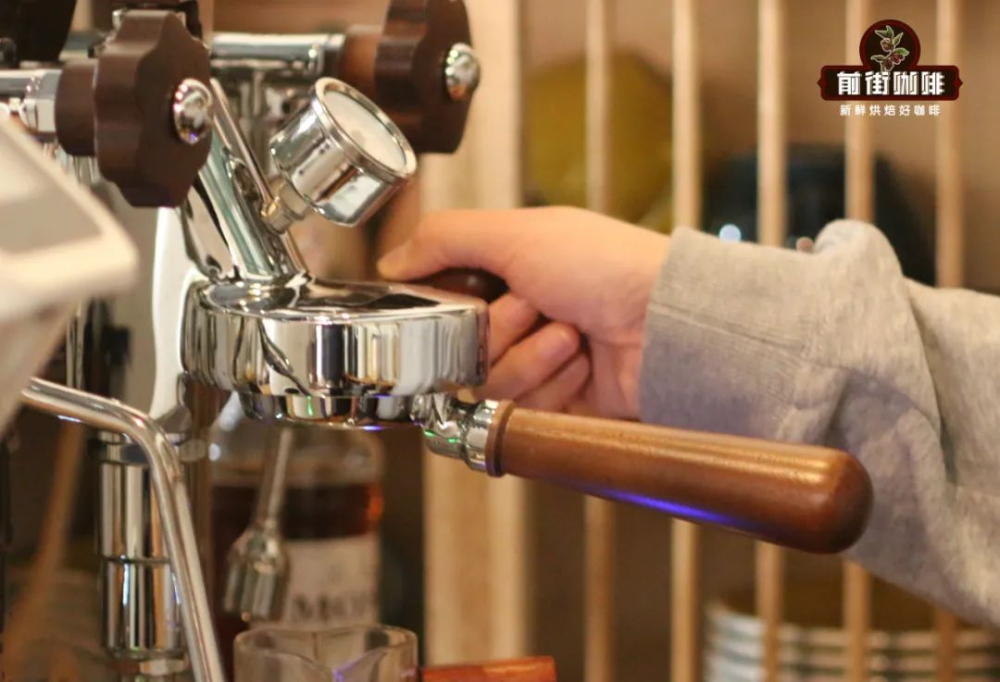
So, how can you make a Spanish Latte at home? First, you’ll need a device capable of brewing espresso, such as a moka pot or a portable espresso machine—both are good options. If you’re new to espresso, it’s recommended to first familiarize yourself with the basic brewing process and pay attention to the grind size of the coffee beans—for making Spanish Latte, it’s advised to grind the coffee beans to an extremely fine consistency, similar to the standard for espresso, in order to fully extract the aroma and richness of the coffee.
When it comes to choosing coffee beans, although there are no strict limitations, it is recommended to select blends with noticeable fruity acidity, sweetness, or complex flavor profiles that can enhance the overall drink. For example, some beans that combine sun-dried processing methods with fruity notes can bring out aftertastes of berries, vanilla, or even caramel after brewing, complementing the sweetness of the condensed milk and adding more depth to the flavor. Additionally, to ensure optimal flavor, it is recommended to use the ground coffee as soon as possible after grinding to avoid the loss of aroma.
Once you’ve successfully brewed your espresso, the next step is to add the sweetened condensed milk. It is generally recommended to add about 100 grams of sweetened condensed milk and gently stir to ensure it is evenly mixed with the coffee. At this point, you can adjust the amount of condensed milk according to your personal taste. If you prefer a sweeter flavor, you can add a bit more, but be mindful of maintaining overall balance to avoid the sweetness overwhelming the inherent aroma of the coffee.
In summary, Spanish Latte does not originate from Spain but is an innovative beverage that combines espresso with sweetened condensed milk, with a flavor profile that is closer to a sweet version of Vietnamese drip coffee. Its charm lies in its sweet, rich, and smooth taste, making it easy to enjoy, and it is highly suitable for latte lovers looking to explore different variations. As long as you master the espresso brewing technique, choose the right coffee beans, and add the appropriate amount of condensed milk, you too can easily recreate this internationally popular specialty coffee at home.
The above content is compiled by CoffeeHunters, a coffee news website.


