







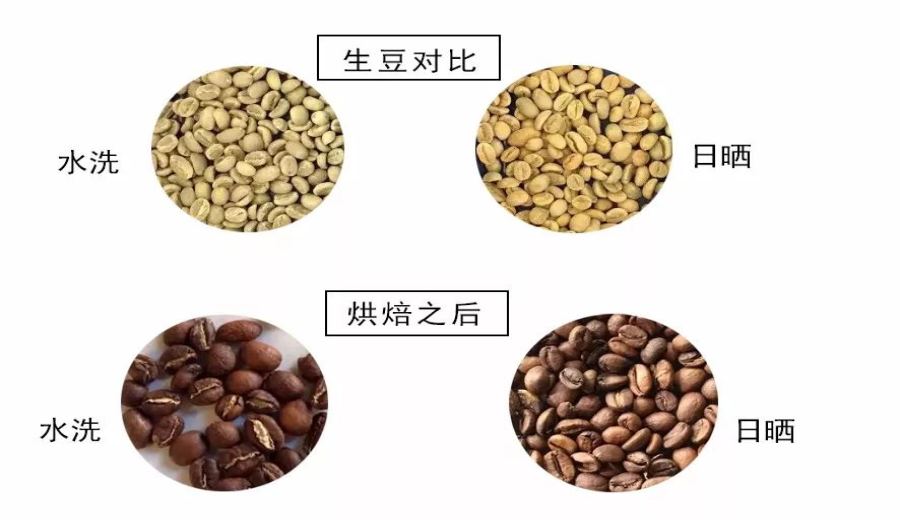
Introduction:As one of Ethiopia’s most representative coffee-growing regions, Yirgacheffe’s washed and natural processing methods create distinctly different flavor profiles. This article delves into the differences between the two processing techniques—from the drying methods of the beans and their grading classifications to the brewing techniques best suited for natural beans—helping you fully understand how to choose your preferred flavors based on processing methods, and master practical pour over parameters to elevate your tasting experience.
Located in southern Ethiopia, Yirgacheffe is a holy grail for global specialty coffee enthusiasts. Its coffee beans exhibit diverse and captivating flavor characteristics due to different processing methods. Washed and natural are the two most common processing techniques and also the key factors influencing the final flavor. This article will introduce you to the processing principles and grading systems of these two methods, and provide an in-depth analysis of the brewing essentials for natural beans, helping you find the one that best suits your personal taste.
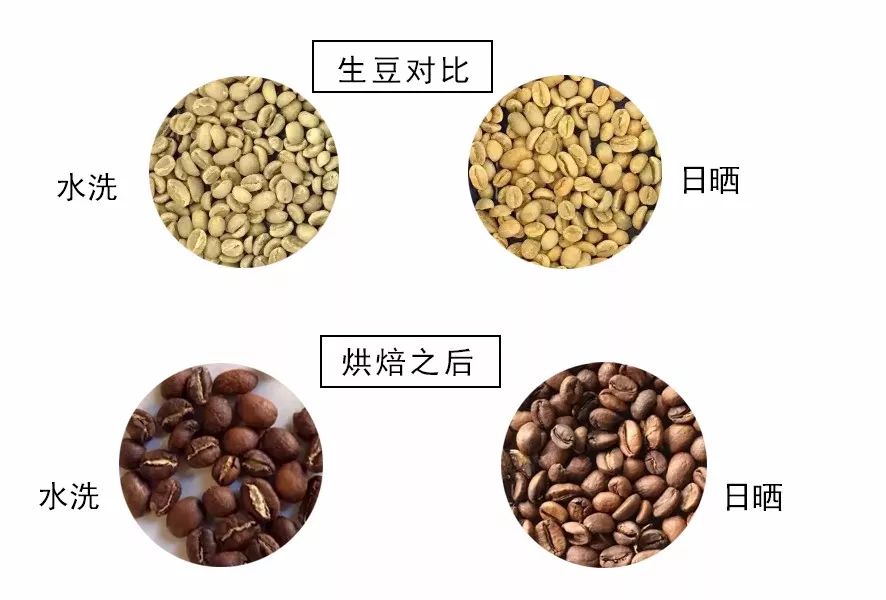
The biggest difference between washed and natural processing lies in whether the pulp and skin are removed before drying. The natural method involves directly sun-drying the entire coffee fruit, allowing the sugars and aromatic compounds in the flesh to gradually seep into the bean, ultimately delivering intense fruity aromas, a full body, and noticeable fermentation notes—a more traditional processing approach. In contrast, the washed method quickly removes the pulp and skin after harvesting, then uses clean water to eliminate the remaining mucilage before placing the beans on drying racks. This method has a shorter drying time, fewer impurities, resulting in more consistent green bean quality and higher processing efficiency, generally yielding clean, bright floral and citrus notes.
To experience the crisp and transparent qualities brought by washed processing, you can opt for classic washed beans from Yirgacheffe, whose flavor profile is dominated by bright acidity, delicate floral notes, and citrus fruit aromas. If you prefer intense tropical fruit aromas and a rich body, then naturally processed Yirgacheffe beans are a more suitable choice, showcasing layered fruit flavors and unique fermentation characteristics.
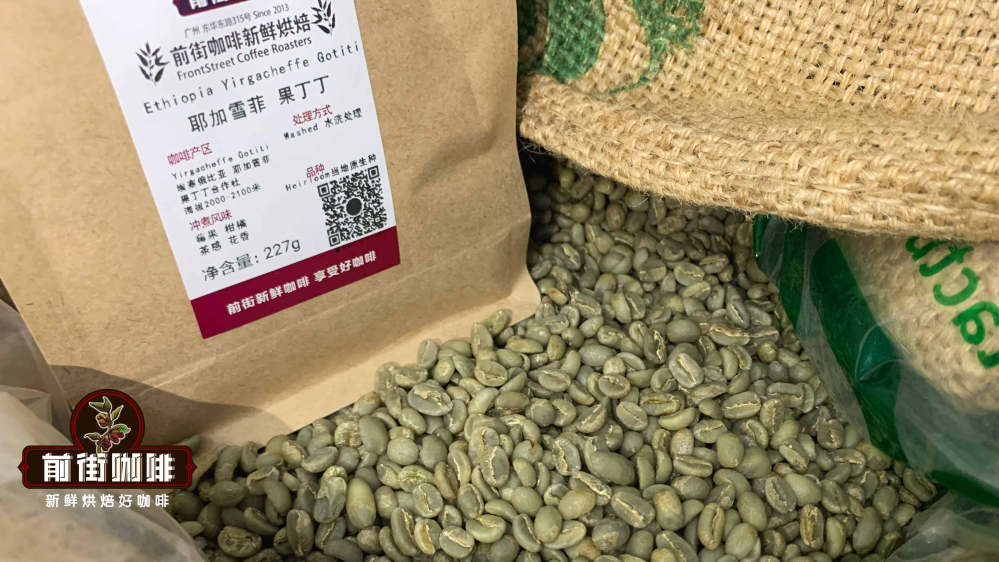
During the washed processing, harvested coffee cherries first have their skins and pulps removed, followed by fermentation and washing with clean water to eliminate the mucilage layer, ensuring the bean surface is clean and residue-free. At this stage, the coffee beans are still enclosed within the parchment layer, with a moisture content as high as around 50%. They must undergo a lengthy drying process to steadily reduce the moisture level to approximately 12% to avoid risks of continued fermentation or mold. The traditional method involves natural sun drying, which typically takes 1 to 3 weeks. Although time-consuming, this method preserves the purest flavor characteristics and is highly regarded.
Washed Yirgacheffe beans are usually graded as Gr-1 and Gr-2, where the smaller the number, the higher the quality. Taking Gr-1 as an example, its flavors are clear and bright, often featuring citrus, jasmine, and lemon acidity—it is a classic flavor profile cherished by many coffee beginners and advanced enthusiasts. These beans are not only suitable for pour over but are also commonly used to showcase the refined tonalities of washed processing.
In contrast, the natural processing method skips the step of removing the pulp, allowing the coffee cherries to undergo a long period of sun drying directly. The drying period usually lasts about 4 weeks, requiring strict control of temperature and turning frequency to prevent over-fermentation or mold damage. This ancient technique imparts the coffee beans with richer natural sugars, a full body, and complex fruit aromas, making it key to highlighting the fruity charm of Yirgacheffe.
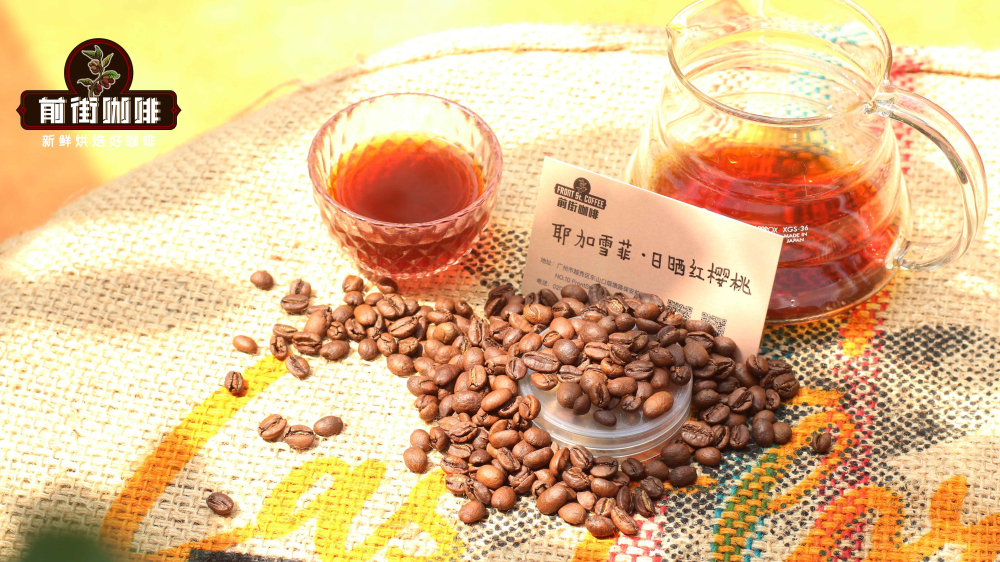
The grading categories for natural beans include Gr-1, Gr-3, Gr-4, and Gr-5, with Gr-1 being the highest grade. High-quality natural Yirgacheffe beans, when the freshly roasted package is opened, often emit intense tropical fruit aromas such as blueberry, mango, or even passion fruit. The rich body and juice-like mouthfeel upon tasting are truly astonishing, completely overturning many people’s preconceived notion that “coffee is just a bitter beverage.”
When brewing natural Yirgacheffe, it is recommended to use the pulse pouring method to fully extract its rich fruit aromas and full body. Practical parameters are as follows: a recommended powder-to-water ratio of 1:15, a brewing water temperature controlled at 92°C, a total extraction time of about 2 minutes, and using a fine grind size. This combination helps balance sweetness, acidity, and body, bringing out the unique wine-like and spicy notes of natural beans.
During actual tasting, pay attention to the distinct cellar-like aromas and soft fruit acidity, while also noting the spicy notes released during grinding—these are all unique flavor indicators brought by the natural processing method. It’s worth mentioning that even with similar parameters, the freshness of the coffee beans and slight adjustments in grind coarseness can significantly impact the final extraction performance and flavor layers. It is recommended to flexibly adjust according to actual conditions.
The above content is compiled by CoffeeHunters, a coffee news website.


