







Introduction:Jamaican Blue Mountain coffee is hailed as the pinnacle of specialty coffee, renowned for its exquisite smoothness and exceptionally clean flavor profile. This article delves into the grading system of Blue Mountain No. 1, explores the unique characteristics of its growing environment, uncovers the truth behind its premium pricing, and provides a detailed comparison of the flavor differences between washed and natural processing methods. It also offers professional pour-over brewing parameters and practical drinking recommendations to give you a comprehensive understanding of this world-famous high-altitude specialty coffee.
When it comes to specialty coffee, Jamaican Blue Mountain is almost a legendary name known to all. Some describe its taste as rich, balanced, and long-lasting, while others feel it’s overhyped. In reality, the polarized reputation of Blue Mountain coffee largely stems from individual taste preferences. However, there’s no denying that Blue Mountain coffee stands out with its delicate, smooth, and exceptionally clean flavor profile, securing its place among the world’s most expensive coffees and earning high praise from coffee enthusiasts.
Many wonder if Blue Mountain coffee is truly so expensive and hard to come by. In the past, due to limited import quantities and the market being flooded with various "Blue Mountain-flavored" imitations, consumers often paid high prices without getting the real thing. But in recent years, with growing demand in the Chinese market and active promotion by Jamaican authorities and estate owners, legally imported Blue Mountain coffee has gradually become more accessible. As long as you know how to identify the genuine product, purchasing authentic Blue Mountain coffee is no longer a challenge.
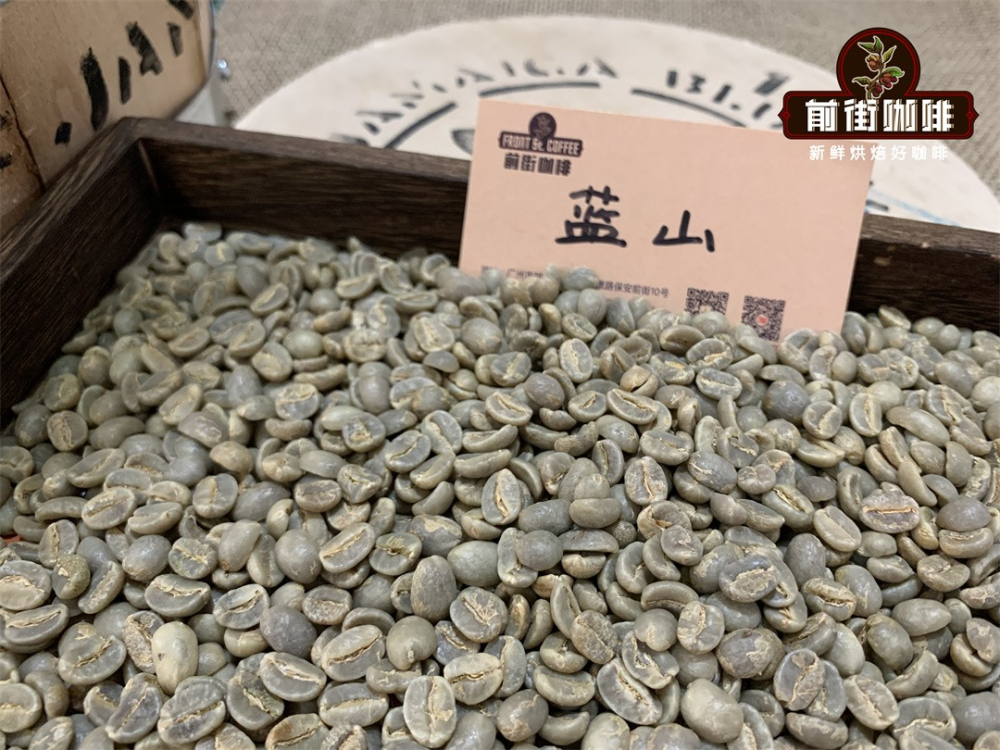
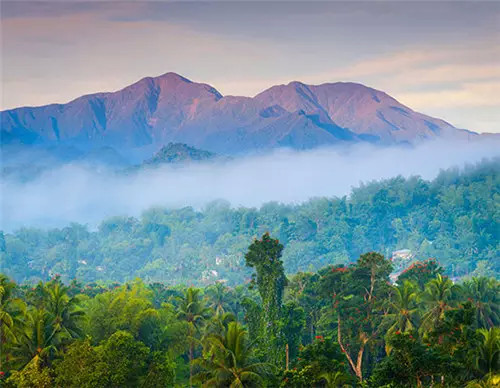
So, what kind of environment gives rise to such a unique flavor in Blue Mountain coffee? True Blue Mountain coffee must come from the Blue Mountains of Jamaica, and it must be grown at an altitude of800 meters or above. A well-known coffee shop’s offering of Blue Mountain No. 1 even comes from the Clifton Estate at an altitude of1310 meters. The Blue Mountains are located in eastern Jamaica, surrounded by the Caribbean Sea. When sunlight reflects off the sea onto the mountain peaks, it creates a mesmerizing blue haze, which is how the mountains got their name.
This region not only boasts fertile volcanic soil but also enjoys a year-round climate of frequent fog and rain, with an average annual rainfall of about1980 millimetersand temperatures stable at around27°C. Combined with the significant day-night temperature variation at high altitudes, these factors collectively create the exceptionally refined flavor of Blue Mountain coffee. It’s worth noting that Blue Mountain coffee contains less than half the caffeine of other varieties, aligning better with the trends of modern healthy beverages.
As for pricing, while Blue Mountain coffee isn’t the most expensive in the world, its flavor intensity and quality are universally recognized as top-tier. Generally, pure imported roasted Blue Mountain beans cost about RMB1200 per pound(approximately 450 grams), with each pound yielding around 50 to 60 cups. This translates to a raw material cost of about 20 to 24 yuan per cup. Adding in operational costs for the café, a retail price of around 50 yuan is reasonable. A well-known coffee shop currently offers Blue Mountain coffee at just 60 yuan per cup, allowing you to enjoy its delicate sweetness, low bitterness, and delightful fruit and nut aftertaste.
The market is flooded with coffees labeled as "Blue Mountain," but their flavors vary greatly. In fact, many of these products do not actually come from the Jamaican Blue Mountains, as the true production is extremely limited. According to 2013 statistics,85%of Blue Mountain coffee beans were exported to Japan, with small amounts distributed in the United States, Europe, and other regions. In recent years, China’s market share has also reached15%. This highlights the rarity and preciousness of Blue Mountain coffee.
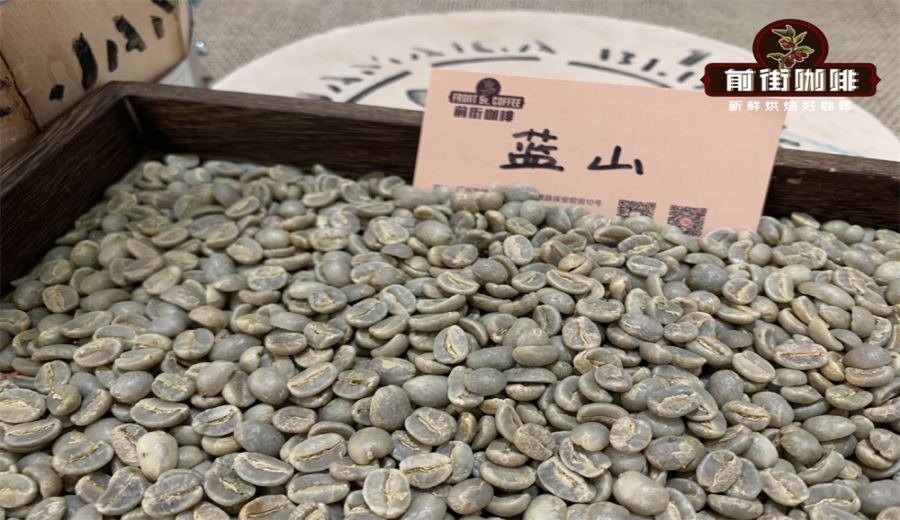
Blue Mountain coffee is categorized into three main types: Blue Mountain coffee, High Mountain coffee, and Jamaican coffee. Among these, Blue Mountain and High Mountain coffee are further divided into two grades each, ranked from highest to lowest as: Blue Mountain No. 1 (NO.1), Blue Mountain No. 2 (NO.2), High Mountain No. 1 (NO.1), High Mountain No. 2 (NO.2), and Jamaican coffee. Within Blue Mountain No. 1, there is also a higher-quality variety called peaberry (PB), which consists of small, round coffee beans typically sourced from premium growing regions at altitudes of2100 metersor above. These peaberries not only have intense aroma but also exhibit unique fruity notes, representing the pinnacle of Blue Mountain coffee.
Jamaican Blue Mountain coffee belongs to the Typica variety, one of the oldest Arabica types, celebrated for its elegant flavor profile but also relatively delicate, with low yield and poor disease resistance. Historically, Blue Mountain coffee was primarily processed using the washed method, which involves fermentation and washing to remove the pulp and mucilage. This process requires strict control over water quality and drying to preserve the purest Blue Mountain flavor. Nowadays, to meet diverse market demands, some Blue Mountain coffee is processed using the natural (sun-dried) method, offering different layers of flavor.
For pour-over brewing recommendations, the following parameters can be used as a reference: use aKono filter, with water temperature controlled at88°C, coffee dosage of15 grams, a coffee-to-water ratio of1:15, and medium grind size (approximately 75% passing through a Chinese No. 20 sieve). Employ a three-stage extraction method: start with a 30-second bloom using 30 grams of water, then pour in small streams until reaching 125 grams for the first pour. When the water level is about to uncover the coffee bed, pour again to reach 225 grams. Once dripping is complete, remove the filter. The total extraction time is approximately2 minutes.
In terms of flavor, sun-dried Blue Mountain coffee exhibits mild berry acidity, such as dark plum and mulberry, paired with rich dark chocolate and nutty notes, along with a hint of fermentation character. Washed Blue Mountain, on the other hand, focuses on black chocolate and nuts as its core, with a creamy-smooth mouthfeel and an elegantly balanced acidity, sweetness, and bitterness.Regardless of the processing method, both showcase the distinctive refinement and layered complexity of Blue Mountain coffee.
Finally, a reminder: when tasting coffee, it’s best to choose freshly roasted beans to fully experience their complete flavor profile. Generally, coffee beans roasted within 5 days can best showcase their potential, and they require a4 to 7-day resting periodto allow the flavors to fully develop. The charm of Blue Mountain coffee is well worth savoring carefully by every coffee enthusiast.
The above content is compiled by CoffeeHunters, a coffee news website.


