








Introduction:Grind size is the hidden key that affects the flavor of pour over coffee. From the extremely fine grind used in Turkish coffee to the coarse grind for French press, each brewing method has its own specific grind standard. This article provides a detailed comparison chart of grind sizes for 8 common brewing devices, explains the SCA-standardized sieve passing rate calibration method, and uses Ethiopian Huila Daye as an example to share professional-level pour over parameters and flavor profiles — helping you precisely adjust to achieve your ideal taste.
Every step from coffee bean to cup influences the final flavor, and grind size is often a critical blind spot for beginners. Even slight differences in grinder settings can turn high-quality beans bland or overly bitter. This article systematically analyzes the relationship between grind coarseness, extraction rate, and water flow rate, compiles an accurate grind comparison for eight brewing methods — including Turkish coffee, espresso, AeroPress, siphon, pour over, moka pot, cold brew/drip, and French press — and includes professional sieve calibration techniques. Finally, based on the SCA-recommended pour over sieve passing rate, it reveals the complete brewing parameters and flavor analysis of a well-known shop’s Ethiopian Huila Daye, helping you find your unique flavor.
To brew an ideal cup of coffee, grind size is a core element that cannot be overlooked. Even during the extraction phase, the coarseness of coffee grounds directly impacts flavor release. Particle size determines surface area and water penetration efficiency, which in turn affects extraction rate and flavor balance. A common misconception is that the same grinder setting is universally applicable, but in reality, different grinder models — or even different batches of the same model — may produce particle inconsistencies. Professional baristas use standardized sieves to test particle distribution and ensure grind consistency — for example, one well-known brand has disclosed that their cold drip setup achieves an 80% sieve passing rate, while French press only requires 65–70%.
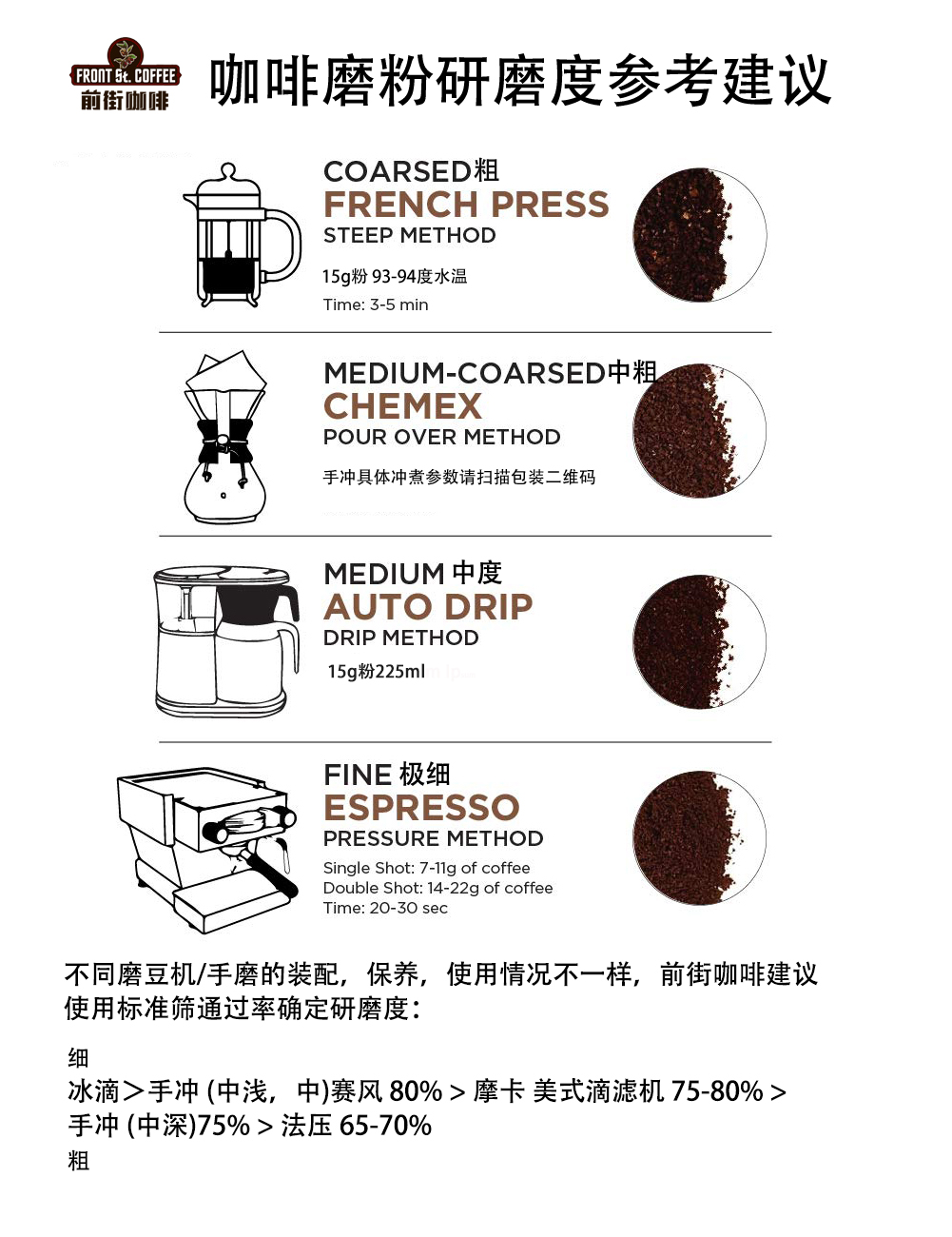
The reason grind size is so crucial is that it directly controls the three elements of extraction: contact time, flow rate, and extraction efficiency. The finer the particles, the greater the surface area, leading to higher extraction rates but also a risk of over-extraction; the coarser the particles, the faster the water flows through but possibly resulting in under-extraction. Espresso machines use extremely fine grinds (about the texture of flour), completing high-pressure extraction in just 30 seconds; whereas drip-style pour over requires medium-fine grinds (similar to superfine sugar), paired with a stable flow rate of around 2 minutes. Using pour over grind settings in an espresso machine will lead to incomplete extraction due to insufficient surface area; conversely, using extremely fine grinds for drip brewing can impede water flow and easily create bitterness. It's recommended to regularly test particle distribution with sieves, paying special attention to individual grinder variations.
Below is a grind suitability standard for eight commonly used brewing devices, listed in order from coarsest to finest: Turkish coffee requires extremely fine grinds (close to flour), espresso uses ultra-fine grinds (grinder setting adjusted close to the clogging threshold), AeroPress is 1–1.5 clicks coarser than pour over (medium-fine leaning toward fine), siphon uses medium grind (to avoid over-extraction from stirring), pour over coffee is medium-fine (similar to superfine sugar, SCA recommends a sieve passing rate of 75–80%), moka pot uses a grind slightly coarser than espresso but still relatively fine (pressure around 1.5 bar), cold brew/drip calls for medium-coarse grind (low water temperature and long steeping time require smooth filtration), and French press uses a coarse grind (similar to brown sugar size, long steeping time to avoid over-extraction).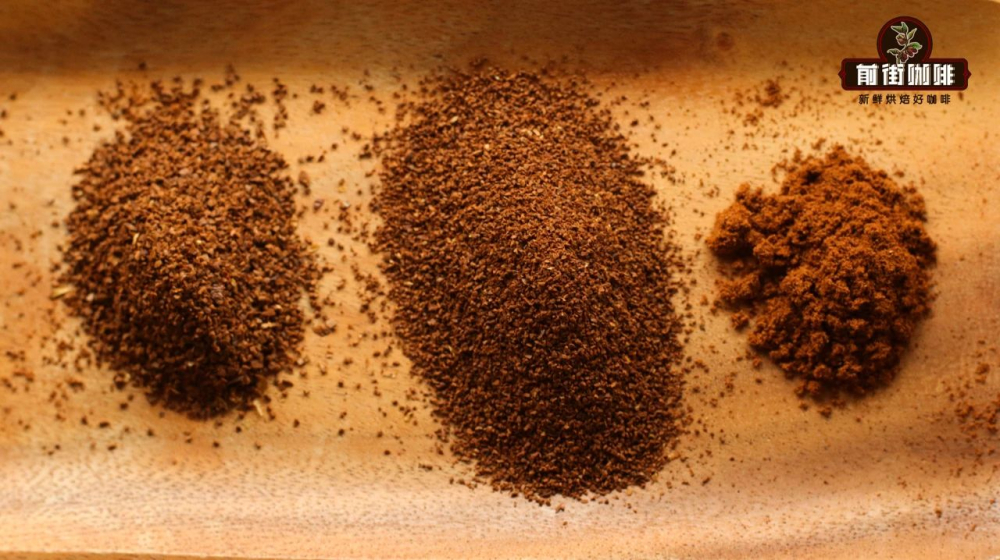
Taking the most common pour over coffee as an example, its grind size is often described as “superfine sugar,” but in practice more precise parameter control is needed. SCA recommends a sieve passing rate of 75–80% for pour over coffee particles, a range that balances flavor extraction and flavor purity. Actual test data from a well-known shop shows that Ethiopian Huila Daye (grown at 1800–2000 meters altitude, processed via natural sun-drying of native variety) using a V60 filter, with 91°C water and a 1:15 coffee-to-water ratio (30g coffee), achieves a 20-mesh standard sieve passing rate of 80%, highlighting a rich tropical fruit profile (mango, strawberry, passionfruit) and a round acidity.
Specific brewing parameter suggestions: 30g coffee, bloomed with 30ml water for 30 seconds; second stage involves pouring in a circular motion up to 120g, then waiting for the water level to drop halfway before continuing to pour up to a total of 225g. Total brew time is controlled between 2 minutes 00 seconds and 2 minutes 10 seconds. Under these parameters, water flows steadily through the medium-fine grind bed, fully extracting fruity flavors while avoiding excessive release of bitter substances. If you find the coffee extracts too quickly (water flows too fast), slightly adjust the grinder to a finer setting (increasing surface area); if the taste is thin (under-extracted), adjust to a coarser grind or extend the bloom time. Remember, there is no absolute standard for grind size — regularly testing with sieves and fine-tuning according to personal taste is the key.
The above content is compiled by CoffeeHunters, a coffee news website.


