







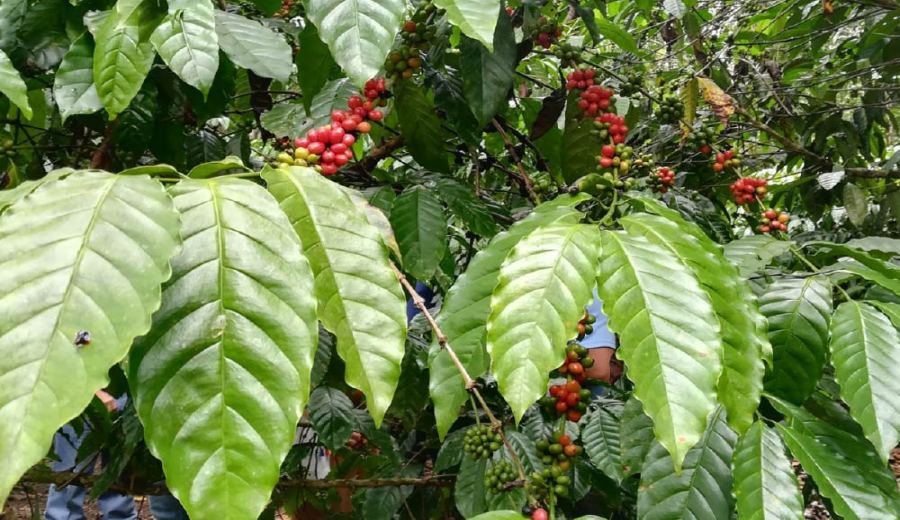
Introduction:Did you know? The world-renowned Geisha coffee from Panama is actually not the same variety as the native Geisha from Ethiopia. The difference in spelling between Gesha and Geisha is a telltale sign. This article delves into the historical origins of the Geisha variety, from its discovery in the Kaffa Forest of Ethiopia in the 1930s to its stunning debut at Panama’s Hacienda La Esmeralda, analyzing the genetic lineage and flavor differences between the two regions’ Geishas, and supplementing with practical tasting tips to help you better understand this top-tier coffee.
The legendary story of Geisha coffee begins in Africa, Ethiopia, but rose to global prominence in Panama. Many coffee enthusiasts have been captivated by the delicate floral and fruity aromas and unique tea-like qualities of Panamanian Geisha, yet few realize that the Geisha widely cultivated in Central America today is fundamentally a different variety from its Ethiopian ancestor. The mere difference in name spelling — Gesha versus Geisha — hints at the complex history and genetic evolution behind it.
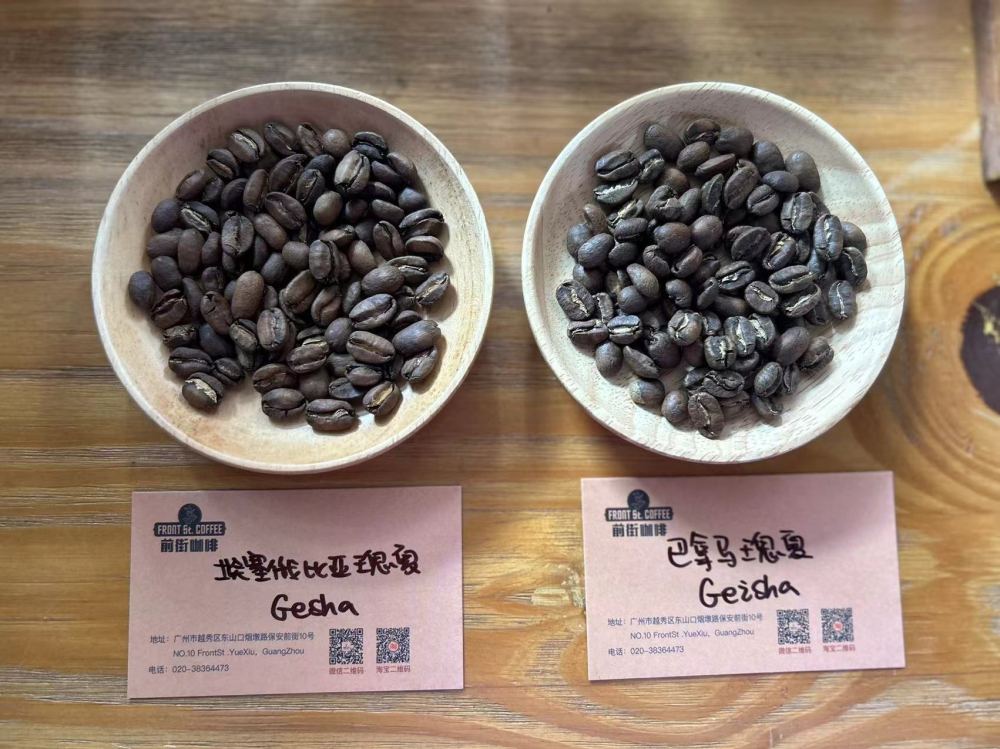
Some coffee brands have conducted detailed comparisons between the Geishas of the two regions and found that Panamanian Geisha typically exhibits bright acidity, delicate floral notes, along with soft tea-like qualities and caramel sweetness. In contrast, the Ethiopian native Geisha tends to have a more rustic profile, dominated by citrus tones, almond aromas, and tea-like characteristics, with slightly less complexity and refinement overall. What exactly causes such differences? We have to go back to a plant collection mission over a century ago to find out.
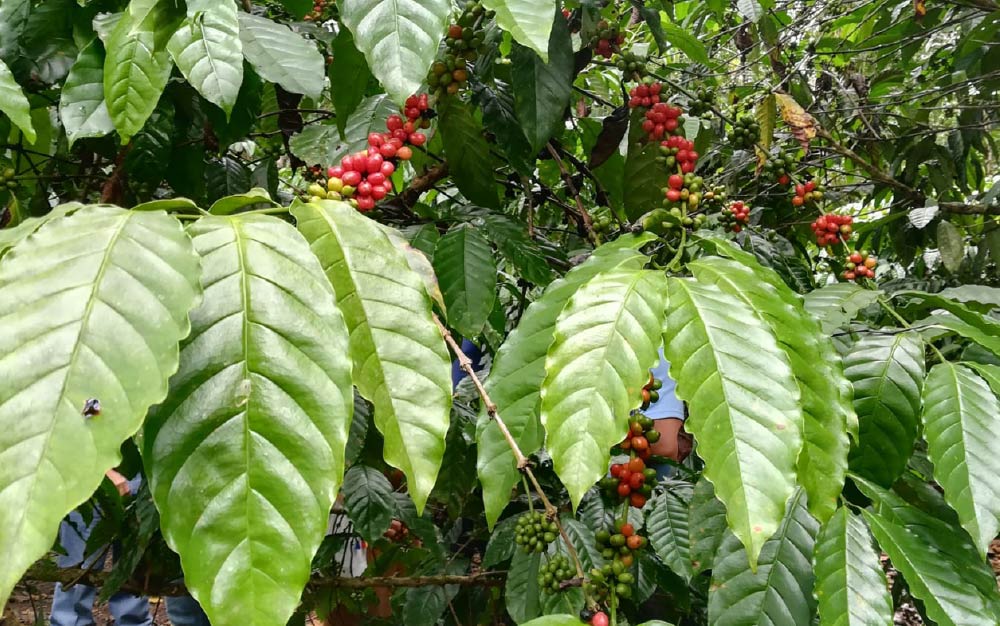
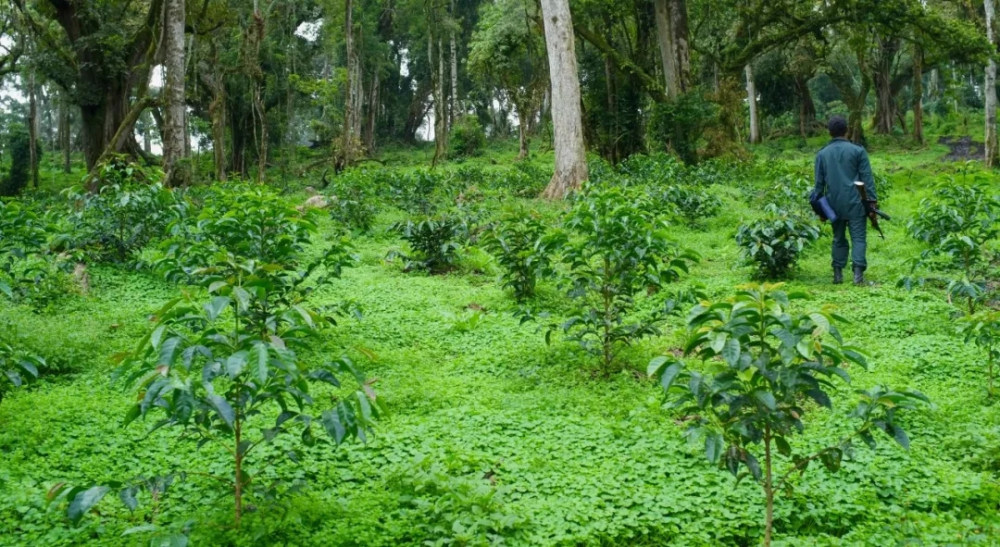
Geisha belongs to an Ethiopian native strain under the Arabica species, originating in eastern Africa, specifically Ethiopia. In the 1930s, the British colonial government, in search of high-quality coffee varieties suitable for commercial cultivation, dispatched border officer Colonel Richard Whalley deep into the Kaffa Forest in southwestern Ethiopia to collect wild coffee germplasm. A certain area within this forest, known for producing exceptionally flavorful coffee, was called Gesha by locals — the very birthplace of the Geisha variety.
Historical documents record that Colonel Whalley sent the coffee seeds he collected from the Gesha area and surrounding markets to the British coffee research institutions in Kenya and Tanzania at the time. Interestingly, one report mistakenly recorded this forest — which should have been spelled Gesha — as Geisha, and this “misspelling” went on to become the widely circulated name we know today. That initial batch of seeds, labeled as coming from Geisha, included the prototype of what would later become the world-famous Geisha coffee.
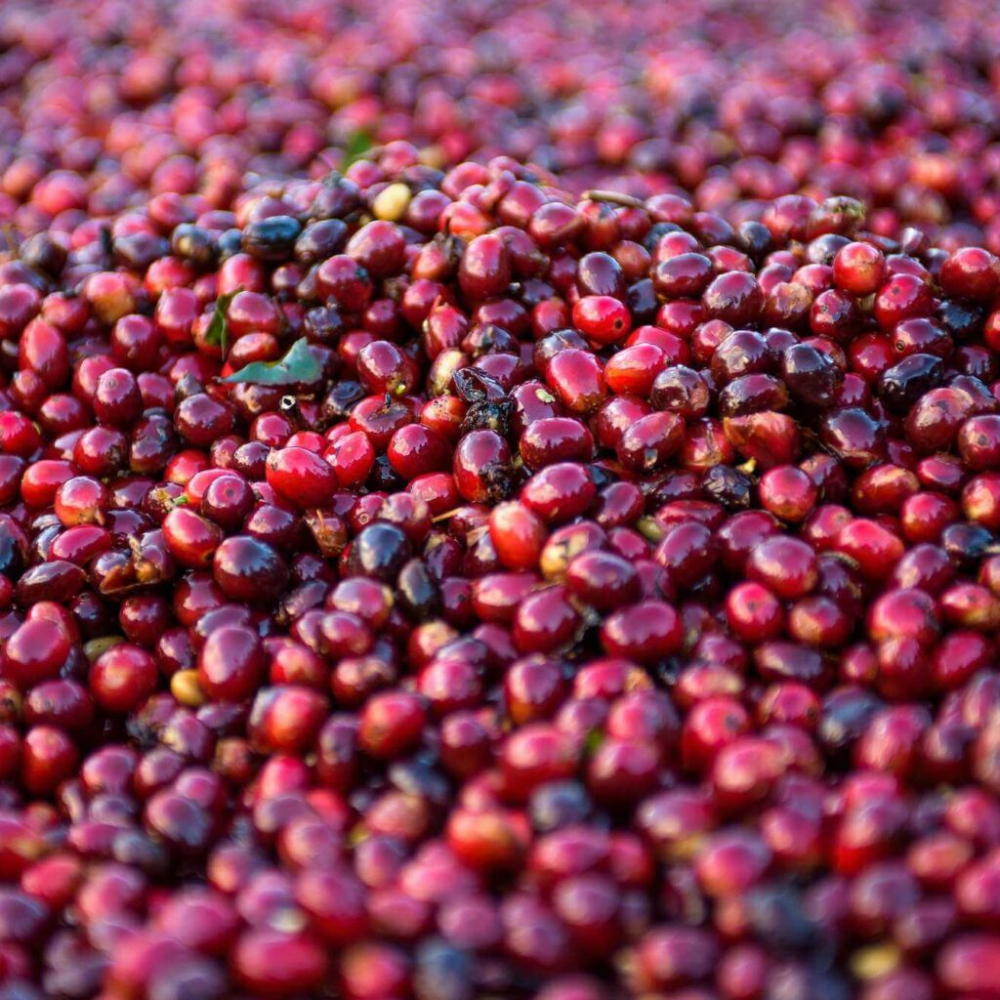
This collection effort was carried out three times, in 1931 and 1936. The 1931 batch was sent to Kitale, Kenya, for trial planting; other parts were selected, with seedlings numbered Geisha 1, 9, 11, 123, etc., sent to the Lyamungu Research Station in Tanzania. The station subsequently used manual selection to further cultivate superior strains numbered VC496 through VC500.
Fast forward to 1953, these Ethiopian-origin Geisha seedlings were introduced by the Tropical Agricultural Research and Higher Education Center (CATIE) in Costa Rica, and it wasn’t until the 1960s that they made their way to Panama, primarily used as an alternative variety resistant to leaf rust. Decades later, in 2004, the Geisha from Panama’s Hacienda La Esmeralda shot to fame with its extreme floral, fruity aromas and tea-like qualities, winning accolades at the Best of Panama (BOP) competition and shocking the global specialty coffee scene.
However, Panamanian Geisha (Geisha) and Ethiopian Geisha (Gesha) are not directly genetically related. Despite the similar names, multiple official sources indicate that these are strains separated in different periods and regions. Panamanian Geisha is mainly based on CATIE’s T2722 seedling, which, through long-term adaptation to local terroir and natural evolution, eventually developed its unique specialty flavor profile. Ethiopian Geisha, on the other hand, is the result of efforts in the past decade to revisit the Gesha region to identify wild varieties similar to Panamanian Geisha, and renaming them after the local area.
In fact, the parent stock of the famous Panamanian Geisha is one of the mixed seedlings collected by the British colonel in the Gesha area in 1931, later distributed by Kenyan research institutions, and ultimately cataloged as T2722 by CATIE for disease resistance purposes. This variety, after decades of localized selection and breeding in Panama, became the premium Geisha we know today. As for Ethiopia, in recent years, in an effort to recreate a “native version of Geisha,” the country has refocused on the Gesha region to screen for varieties with similar flavor profiles, naming them Gesha 1931 in homage to the year of the original discovery.
Currently, the most commonly available Geisha coffee beans on the market can be divided into two main categories: one is the Geisha Village series from Ethiopia’s Bench Maji region, including Gold Label, Red Label, and Chaka; the other is the Hacienda La Esmeralda series from Panama, such as Red Label Natural, Green Label Washed, and Geisha from the Boquete region.
Take Ethiopia’s Geisha Village as an example: its Gold Label uses the Gesha1931 variety from the Oma region, often showcasing flavors of berries, chamomile, cantaloupe, and a light tea-like quality. The Red Label primarily features the Geri Gesha variety, presenting notes of citrus, plum, cream, tropical fruits, and fermentation aromas. Chaka is a multi-variety blend, with flavor layers that include lemon, berries, honey, cream, and an oolong tea tone. As for Panama’s Hacienda La Esmeralda, the Red Label Natural is dominated by Geisha from the Mario plot, offering intense berry acidity and sweetness, rose floral notes, tropical fruit fermentation, and black tea aftertaste. The Green Label Washed displays clean jasmine and ginger flower tones, paired with citrus acidity and honey sweetness. The washed Geisha from the Boquete region excels in citrus acidity, roasted sweet potato sweetness, and green tea aftertaste.
The above content is compiled by CoffeeHunters, a coffee news website.


