







Introduction:Want to dive deeper into the allure of Panamanian Geisha? This article starts with the differences between the Red and Green Label from Hacienda La Esmeralda, analyzing their flavor profiles and ideal audiences, while also recommending a beginner-friendly washed Geisha from the Boquete region. We’ll also provide detailed V60 pour over parameters and step-by-step extraction tips to help you fully showcase the floral, fruity notes and delicate mouthfeel of Geisha.
When it comes to Geisha coffee, almost everyone is familiar with its captivating floral and fruity aromas, bright citrus notes, and smooth creamy body — and the global recognition of these flavors is inseparable from the promotion by Hacienda La Esmeralda in Panama. As early as 2004, this estate won the championship at the BOP (Best of Panama) competition with the Geisha variety, propelling what was once an obscure cultivar onto the international stage. The cup profile of Geisha resembles a refined fruit tea, blending delicate floral notes, bright citrus acidity, and an oolong-like aftertaste, making it highly sought after by coffee enthusiasts. This article will introduce you to the two flagship products of Hacienda La Esmeralda — the Red and Green Label Geishas — and recommend a beginner-friendly washed Geisha from the Boquete region. We’ll also share practical V60 pour over parameters and segmented extraction advice.
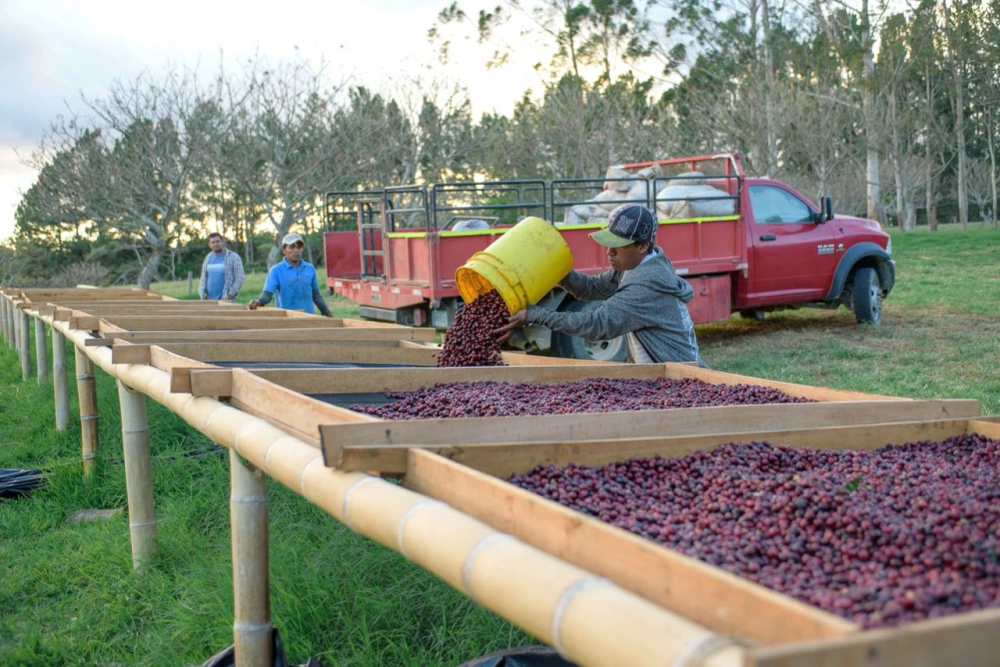
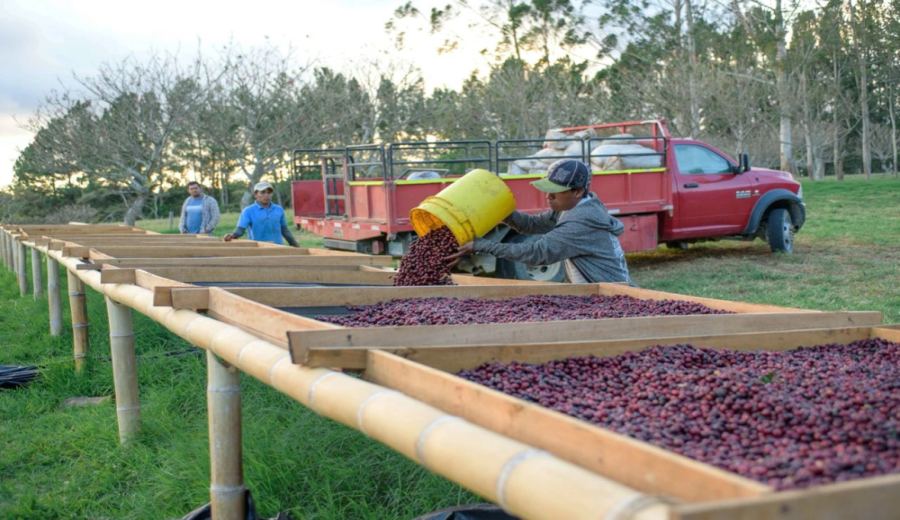
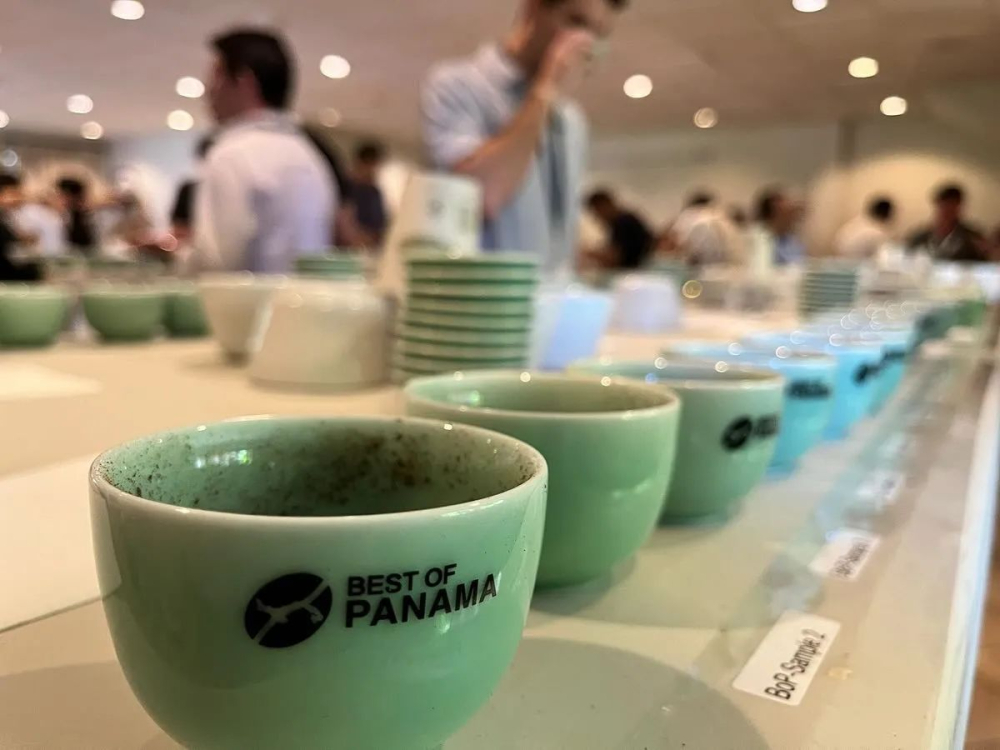
Geisha’s rise to becoming a global specialty coffee standout began with an accidental discovery at Hacienda La Esmeralda in Panama. Before 2004, this variety received little special attention and was even grown alongside other coffee trees. Later, the estate gradually noticed that a certain group of coffee trees produced beans with extraordinary flavor characteristics, leading them to separate and process these beans individually. This variety later became the world-renowned Geisha. In 2004, Hacienda La Esmeralda entered this variety into the BOP and won the championship, quickly spreading the name “Geisha” across the global specialty coffee scene. For this reason, many coffee experts believe that Geisha from Panama best represents the true flavor potential of this variety.
What exactly makes Geisha so enchanting? Its charm lies in the intricate and rich layers in the cup: first, there’s a distinct floral aroma, often from white or delicate small blooms; then comes a bright citrus acidity, reminiscent of lemon or orange; followed by sweet fruit notes such as peach and melon, with a balanced acidity and clear layering; the mouthfeel is silky smooth, with a hint of creamy richness; and the aftertaste lingers with an oolong-like sweetness and freshness. This unique combination of flavors often makes drinking Geisha feel less like having coffee and more like enjoying an elegant fruit tea.
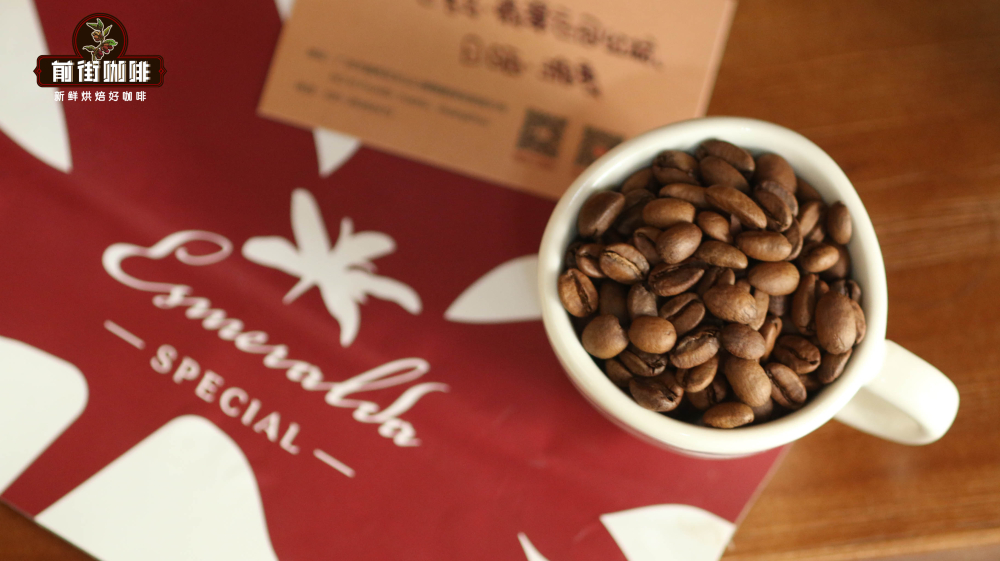
Hacienda La Esmeralda offers several series, among which the most notable is the “Special Selection” series, also known as the Red and Green Label Geishas. These coffee beans are grown at altitudes of 1600 to 1800 meters, carefully selected from specific micro-lots of the Geisha variety, and rigorously cupped — each batch must score above 90 points to be included in this series. Both Red and Green Labels not only represent high quality but also symbolize Hacienda La Esmeralda’s pursuit of excellence in terroir and processing methods.
Let’s start with the Red Label Geisha from Hacienda La Esmeralda, Panama: grown in the Boquete region of Panama at an altitude of about 1700 meters, using the natural (sun-dried) processing method, and the variety is purebred Geisha. The most distinctive feature of the Red Label is its high traceability — each batch has an independent number, and all coffee beans come from a single small micro-lot. For example, the imported Red Label Geisha we offer is sourced from the Mario lot. This single-lot traceability system allows coffee enthusiasts to choose batches with different micro-flavors based on personal taste preferences, making it a must-try for professional coffee lovers and collectors.
As for the Green Label Geisha from Hacienda La Esmeralda, its official name is “Private Collection,” which can be misleading. It is not a limited or privately sold product, but rather a high-altitude blended batch of Geisha introduced by the estate to meet market demand. The Green Label Geisha is also grown at altitudes between 1600 and 1800 meters, processed using the washed method, and the variety is also Geisha. The biggest characteristic of the Green Label is that it blends Geisha beans from different micro-lots (such as Jaramillo and Canas Verdes), resulting in a more balanced and consistent flavor profile that showcases the signature fresh floral and fruity notes of Geisha. It’s an excellent choice for those who want to experience high-quality Geisha without being confined to a single lot. It’s worth noting that although some consumers see the Green Label as a “budget alternative” to the Red Label, it’s actually more like a version that combines the essence of different lots, and the quality remains outstanding.
If you’re new to Geisha and want to experience its classic citrus and honey sweetness, you might want to start with an entry-level washed Geisha from Boquete, Panama. This coffee is also from the Boquete region, sharing the same origin as many renowned estates. It’s processed using the washed method and medium-light roasted, offering a bright and clear flavor profile. Common tasting notes include clean white floral aromas, melon sweetness, a green tea-like freshness, and a hint of grapefruit acidity. The overall profile is very balanced, making it an ideal “entry point” or “litmus test” for coffee lovers trying Geisha flavors for the first time.
To fully highlight the delicate flavors of Geisha, pour over is one of the brewing methods that best brings out its layers. Here are suggested V60 pour over parameters and steps for Panamanian Geisha:
Filter:V60
Water temperature:90-93°C (adjust slightly based on roast level; slightly higher for light roasts)
Coffee-to-water ratio:1:16 (e.g., 15 grams of coffee to 240 ml of water)
Grind size:Medium-fine, approximately equivalent to 80% passing through a Chinese standard No. 20 sieve, similar to the coarseness of fine sugar
It is recommended to use freshly roasted coffee beans, with the optimal flavor window being 4 to 7 days after roasting — this is when the beans’ flavors are most vibrant. Most professional roasters (such as those in the industry) ship beans no more than 5 days after roasting to ensure they arrive at peak flavor. Remember to let the beans degas moderately before brewing to help the flavors express more smoothly.
Pour over technique recommendation (segmented extraction):
1. Start with a 30-gram bloom using hot water for about 30 seconds to help release CO₂ and initiate extraction.
2. Then pour water in small circles until the total volume reaches 150 grams, then pause for the first segmentation, allowing the coffee bed to rest briefly as the water level drops.
3. When the water level is about to expose the coffee bed, continue pouring until the total reaches 240 grams, then wait again for the water level to drop close to exposing the coffee layer.
4. Finally, remove the filter and end the extraction. The total brew time should be around 2 minutes, with adjustments made as needed based on actual conditions.
With the above parameters and techniques, you’ll be able to fully appreciate the multi-layered flavors of Panamanian Geisha — from bright floral notes to fruity finishes — with every sip being a deep exploration of specialty coffee.
The above content is compiled by CoffeeHunters, a coffee news website.


