








Introduction:Want to understand where the unique fruity aroma of Yirgacheffe Aricha Natural G1 comes from? This article delves into the differences between natural and washed processing, explains the strict standards of the G1 grade in the ECX classification system, and explores how high altitude and long sunshine hours shape its rich sweetness. Paired with practical roasting and brewing recommendations, it helps you fully grasp the flavor potential of this popular coffee bean.
When it comes to Yirgacheffe in Ethiopia, many people immediately think of its refreshing citrus acidity and delicate floral notes. Especially under the influence of natural processing, coffee from this renowned region often exhibits more intense tropical fruit characteristics. This article will start with the fundamental differences in processing methods, guide you through the specific definition of the G1 grade in the ECX classification system, and explain how high altitude and ample sunlight together create the distinctive sweet finish of natural coffee.
The reason Yirgacheffe has become synonymous with specialty coffee lies in its unique flavor profile: bright citrus acidity, elegant floral notes, and a hint of almond and tea-like qualities in the aftertaste. Much of this can be attributed to the traditional washed processing method.
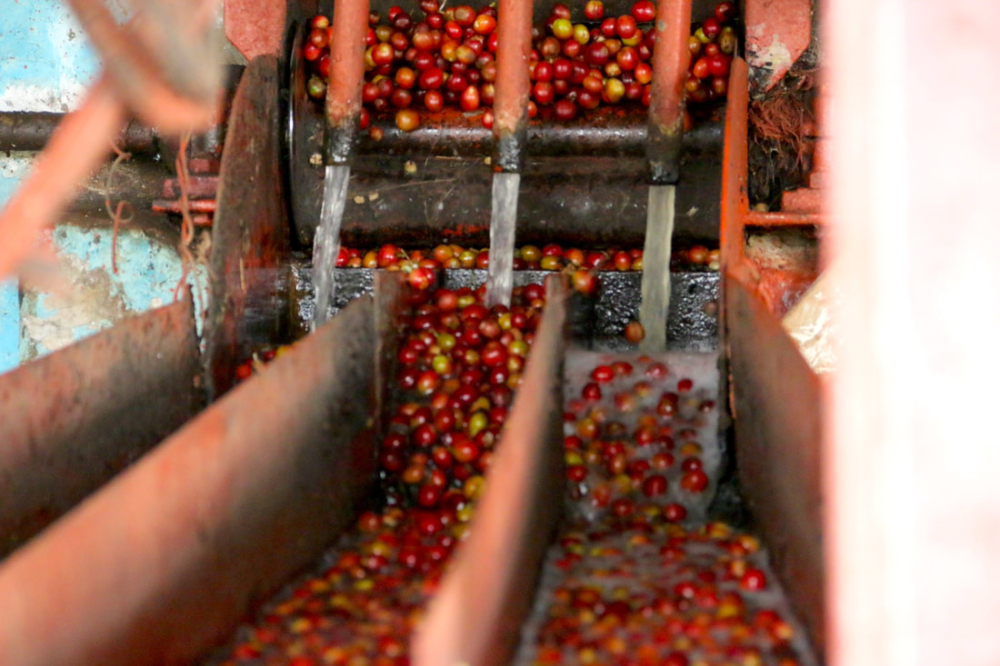
So-called washed processing involves first using the floatation method to remove unripe coffee cherries after harvest, then mechanically stripping away the skin and pulp, followed by placing the parchment-covered beans into fermentation tanks for 18 to 36 hours of fermentation to naturally break down the mucilage layer. After fermentation, the beans undergo 30 to 60 minutes of water washing, where the flow of water and channel design separate lighter defective beans. Finally, the selected coffee beans are evenly spread on African drying beds to dry.
The biggest advantage of this processing method is its ability to effectively highlight the inherent fruit acidity and floral characteristics of the coffee. Since the pulp is removed before fermentation, the final coffee beans retain an exceptionally clean citrus and lemon profile, paired with delicate white floral notes, resulting in a flavor profile that is both bright and layered. This is precisely why washed Yirgacheffe has secured its place in the global specialty coffee market.
The so-called "Yirgacheffe flavor profile" generally includes prominent citrus and lemon-like acidity, delicate jasmine floral notes, and a clean, bright mouthfeel. Such coffees often have distinct acidity yet remain balanced, with a clean and residue-free aftertaste. According to ECX definitions, in addition to Yirgacheffe town itself, surrounding regions such as Wenago, Gelena Abaya, and Kochere, if their coffee meets specific flavor characteristics, can also be categorized under the Yirgacheffe system.
In Ethiopia’s coffee grading system, the ECX system implemented since 2009 is an important reference. This system first categorizes coffee into washed and natural types based on processing methods, and the Yirgacheffe products listed in the region’s offerings are also classified accordingly.
The specific grading criteria cover two key indicators: first is the defect rate, where 300 grams of green coffee samples are inspected for defective beans—3 or fewer defects result in a G1 grade, while 4 to 12 defects classify as G2; second is the cupping score, where according to SCAA standards, G1 and G2 grade coffee beans scoring 85 or above are classified as Q1, while scores between 80 and 84.75 are classified as Q2.
It’s worth noting that certain highly praised cooperatives and natural red cherries on the market belong to the top-tier G1 grade, which is one of the key reasons they’ve earned acclaim among coffee enthusiasts worldwide.
Ethiopia’s high-altitude environment, relatively low rainfall, and abundant sunshine provide ideal natural conditions for natural processing. The so-called natural processing method refers to coffee cherries being dried directly under the sun without removing the skin or pulp after harvest.

During the natural drying process, the natural sugars and aromatic compounds within the fruit pulp are fully preserved and gradually penetrate the inner green beans over time. More importantly, prolonged sun exposure not only promotes sugar concentration but also allows for more thorough fermentation. Since the entire process occurs naturally within the fruit, the coffee beans can slowly mature in a relatively stable environment, and this natural maturation process helps concentrate and enhance the flavors.
Compared to washed processing, natural coffee often exhibits more exuberant tropical fruit acidity and rich berry notes. Its fermentation aromas are more pronounced, the sweetness is fuller, and the overall aftertaste carries a dense richness. This is also why certain red cherries in some offerings, with their unique fruity aroma and sweetness, have won the favor of many coffee lovers.
In terms of roasting strategy, since Aricha Natural G1 focuses on acidity as its primary flavor profile, it is recommended to use a medium-light roast to fully preserve its vibrant fruit acidity and delicate floral layers. An appropriately light roast not only enhances its bright citrus notes but also makes the tropical fruit and sweetness characteristics more three-dimensional.
The above content is compiled by CoffeeHunters, a coffee news website.


